

Discover the Best Podiatrist Recommended Walking Shoes for All-Day Comfort
Your feet are your foundation, carrying you through every step of your day. Yet, so often, we encase them in footwear chosen for style over substance, leading to discomfort, pain, and long-term health issues. The quest for all-day comfort isn’t about luxury; it’s a physiological necessity. This is where the expertise of podiatry becomes invaluable. Moving beyond marketing claims, we delve into the scientifically-backed features that define truly supportive footwear. This guide is dedicated to uncovering the principles behind podiatrist recommended walking shoes, translating professional podiatric knowledge into actionable criteria you can use. We’ll explore the anatomy of comfort, dissect key features, and examine how the right shoes can transform your daily movement from a chore into a pleasure, all while highlighting options that bring this professional insight within reach, often at surprisingly accessible prices.
The Foundation of Foot Health: Why Podiatric Expertise Matters
To understand the value of a podiatrist recommended walking shoe, one must first appreciate the complex biomechanics of the human foot. Each foot contains 26 bones, 33 joints, and over 100 muscles, tendons, and ligaments—a masterpiece of engineering designed for propulsion, balance, and shock absorption. Podiatrists, like Dr. Jacqueline Sutera, a New York City-based doctor of podiatric medicine, emphasize that improper footwear disrupts this natural mechanics. “Shoes that are too rigid, too flexible, or lack adequate support force the muscles and tendons to work overtime, leading to conditions like plantar fasciitis, metatarsalgia, and tendonitis,” she notes. The perspective from authoritative sources like the American Podiatric Medical Association (APMA) reinforces this, stating that good shoes are a primary preventive measure against common foot ailments. This isn’t mere opinion; it’s applied orthopedics. When a podiatrist recommends a shoe, they are evaluating it against a rigorous checklist: does it stabilize the heel, allow a natural toe-off, provide torsional rigidity to prevent excessive rolling, and offer cushioning that attenuates ground reaction forces? These criteria are derived from decades of clinical observation and biomechanical research from institutions like the Gait Analysis Laboratory at Stanford University, which studies how footwear influences movement patterns. Therefore, seeking out podiatrist recommended walking shoes is not following a trend; it’s adhering to a science-based protocol for preserving the health and functionality of your most fundamental means of mobility.
Arch Support: The Non-Negotiable Pillar of Comfort
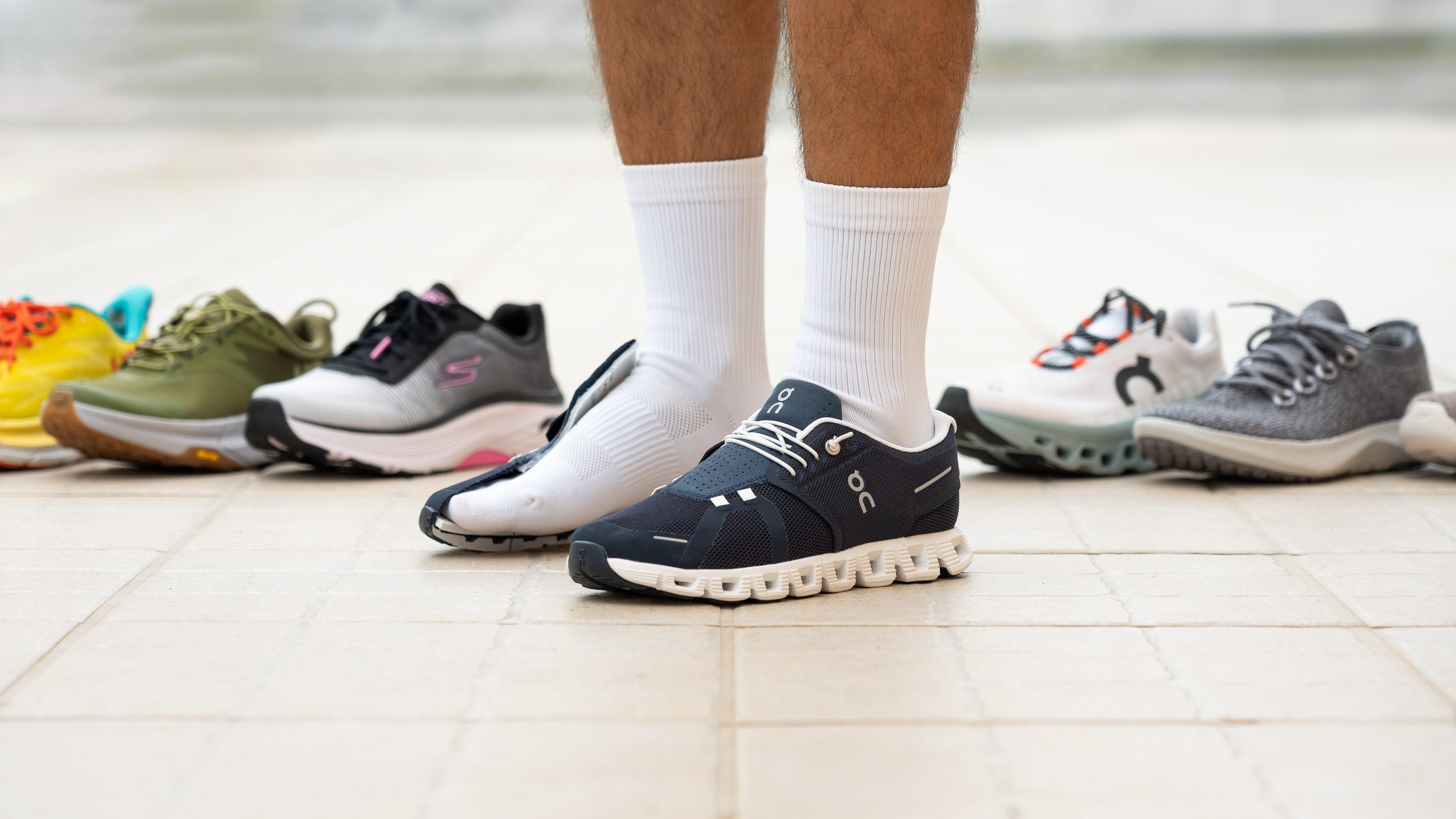
Perhaps the most frequently cited, yet most misunderstood, feature in footwear is arch support. The arch of your foot is not a static bridge; it’s a dynamic, spring-like structure that flattens and recoils with each step. Its primary function is to distribute the weight of your body evenly. A shoe lacking proper arch support forces the plantar fascia—the thick band of tissue running along the bottom of your foot—to overstretch and strain. This is the primary culprit behind plantar fasciitis, a stabbing heel pain affecting millions. A true podiatrist recommended walking shoe addresses this with precision. The support isn’t just a generic bump in the midsole; it’s engineered to match different arch types—neutral, low (flat feet), or high. For instance, brands that earn the APMA Seal of Acceptance often incorporate a medial post—a firmer density of foam on the inner side of the midsole—to prevent overpronation (excessive inward rolling of the foot). This concept is supported by literature from the University of Pittsburgh’s Department of Orthopedic Surgery, which links controlled pronation to reduced injury risk. The support should feel firm yet conforming, cradling the arch without creating pressure points. It’s the difference between your foot working against the shoe and working with it. When you try on a shoe with excellent arch support, you immediately feel a sense of alignment and relief, as if a weight has been lifted not just from your feet, but your knees and lower back as well, thanks to the improved kinetic chain alignment.
Heel Counter and Toe Box: Stability and Freedom in Harmony
While cushioning often steals the spotlight, seasoned podiatrists will direct your attention to two critical structural elements: the heel counter and the toe box. The heel counter is the rigid cup at the back of the shoe that envelops your heel. Its purpose is singular: stability. A firm, well-padded heel counter minimizes lateral movement, keeping your heel centered and preventing slippage that can lead to blisters and Achilles tendon irritation. As noted by Dr. Brad Schaeffer, a podiatric surgeon featured in Footwear News, “A stable heel is the anchor for the entire gait cycle. Without it, every step is an exercise in compensation.” On the opposite end, the toe box must provide the antithesis: space and freedom. It should be wide enough and tall enough to allow your toes to splay naturally upon weight-bearing, mimicking the barefoot position. Constrictive toe boxes are a leading cause of deformities like bunions and hammertoes. The ideal podiatrist recommended walking shoe masters this dichotomy of firm rearfoot control and generous forefoot accommodation. This design philosophy is echoed in the principles of minimalist and natural footwear movements, popularized by resources like Wikipedia’s entries on “Barefoot shoes,” but refined with the clinical caution of podiatry to include necessary support. The shoe becomes a tool that guides motion where needed (the heel) and gets out of the way where it’s not (the toes), creating an environment where your foot can function as nature intended, but with a protective, supportive layer.
Material Science and Cushioning: Beyond Simple Softness
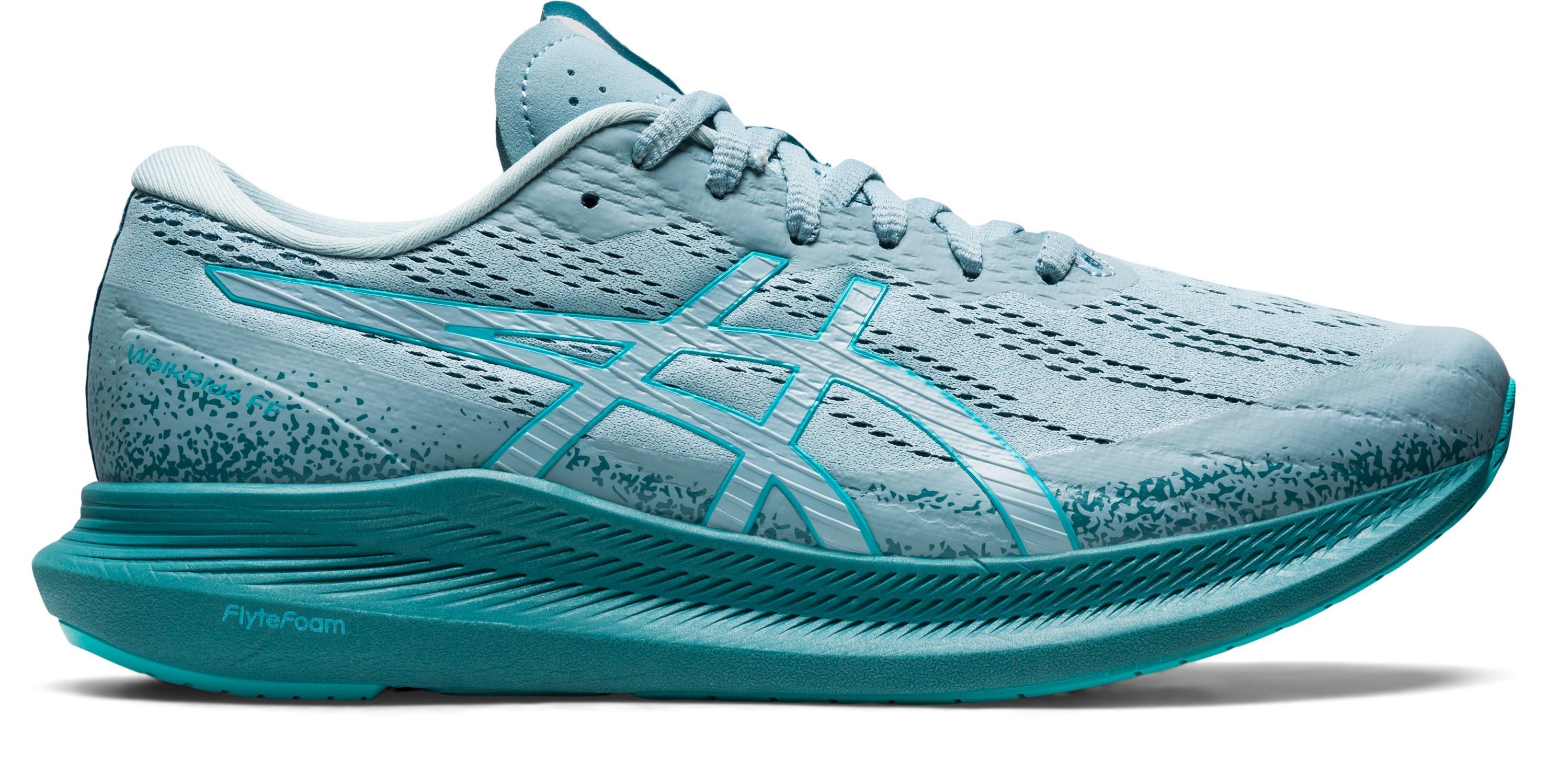
The quest for a “cushy” shoe can be a trap. Modern cushioning technology in podiatrist recommended walking shoes is a sophisticated discipline, balancing softness with responsiveness and durability. It’s not about sinking into a cloud, which can destabilize the foot and fatigue muscles. Instead, it’s about energy return and impact attenuation. Materials like EVA (ethylene-vinyl acetate) foam, polyurethane, and proprietary compounds like Brooks’ DNA LOFT or ASICS’ GEL are engineered to absorb the shock of heel strike—which can be multiples of your body weight—and then return a portion of that energy to aid in toe-off. This reduces the metabolic cost of walking and lessens stress on joints. The placement of these materials is strategic. For example, many podiatrist-favored models feature deeper cushioning in the heel, where impact is highest, and a slightly firmer, more responsive foam in the forefoot. Furthermore, the upper materials are crucial for all-day comfort. Breathable meshes manage moisture and temperature, reducing the risk of fungal infections, while seamless interiors or plush linings prevent friction. As highlighted in reviews from authoritative sites like Runner’s World and Verywell Fit, the best walking shoes use these advanced materials to create a “forgettable” experience—your foot feels protected and propelled without conscious thought, allowing you to focus on your day, not your feet.
The Gait Cycle: How the Right Shoe Guides Your Stride
Comfort is dynamic, not static. A shoe that feels fine standing still may fail you miserably after a mile of walking. This is because walking is a cyclic, repetitive motion known as the gait cycle, comprising the stance phase (foot on ground) and swing phase (foot in air). A superior walking shoe is designed to facilitate every sub-phase: heel strike, foot flat, mid-stance, heel-off, and toe-off. During heel strike, the shoe needs cushioning. As you roll into mid-stance, it requires arch support and torsional stability to prevent collapse. At toe-off, flexibility at the ball of the foot (often aided by strategic groove patterns in the outsole) is essential for a smooth, efficient push-off. Podiatrists analyze gait abnormalities, and the shoes they recommend often include features to correct or accommodate these patterns. For instance, a rocker sole—a gently curved profile—is a common therapeutic feature that reduces pressure on painful joints by facilitating a rolling motion through the step. This insight, drawn from clinical podiatric practice and detailed in resources like the Journal of Foot and Ankle Research, transforms a shoe from a passive cover into an active participant in healthy locomotion. When you find a pair of podiatrist recommended walking shoes that aligns with your natural gait, walking feels effortless, fluid, and sustainable for hours.
:max_bytes(150000):strip_icc()/tal-10-podiatrist-approved-open-toed-shoes-tout-00bd6ff1c36a49cdbbff486b0b54fb27.jpg)
Investing in Your Foundation: Value Beyond the Price Tag
It’s a common misconception that high-quality, therapeutic footwear must carry an exorbitant price tag. While the research, development, and advanced materials in top-tier podiatrist recommended walking shoes do command a premium, value is measured in cost-per-comfortable-mile and, more importantly, in preventative health care. Consider the alternative: the cost of doctor’s visits, orthotics, physical therapy, or even surgery for foot conditions exacerbated by poor shoes. However, the market also offers brilliant opportunities to access this technology at discounted prices. Last season’s colorways, online sales events, and outlet stores frequently offer the same podiatrist-endorsed models at 30-50% off. The core technology—the cushioning system, the stability features, the last shape—remains unchanged. Brands known for their podiatric collaborations, such as Brooks, ASICS, New Balance, and HOKA, often have robust sales sections on their own websites. Furthermore, subscribing to newsletters from reputable online retailers can alert you to flash sales and clearance events. The key is to know your critical features (arch type, needed width, cushioning level) so you can confidently identify a true performance shoe on sale, rather than just a cheaply made alternative. Investing in your foot health is non-negotiable, but doing so intelligently means you can equip yourself with the best tools without straining your budget.
:max_bytes(150000):strip_icc()/tal-roundup-podiatrist-loved-shoes-on-sale-tout-bdbf5721fa5642efa38b61f6a5b4ff34.jpg)
The journey to all-day comfort begins with a single, well-supported step. By prioritizing the principles championed by podiatry—targeted arch support, strategic stability, intelligent cushioning, and gait-friendly design—you cease to merely buy shoes and start to choose equipment for lifelong mobility. The evidence from clinical practice, biomechanical research, and the lived experience of countless individuals points unequivocally to the transformative power of purpose-built footwear. Let this understanding guide you beyond aesthetics to a foundation of genuine support. Your feet, and the entire body they support, will thank you with every pain-free, energized mile you travel.
