

Discover the Best Podiatrist Recommended Walking Shoes for All-Day Comfort
Your feet are the foundation of your movement, and the shoes you choose can either support or sabotage your daily comfort and long-term health. For anyone who spends significant time on their feet—whether navigating city streets, exploring nature trails, or managing the demands of a busy workday—the quest for the perfect walking shoe is paramount. This isn’t merely about fashion or fleeting trends; it’s about biomechanical alignment, pressure distribution, and injury prevention. The most reliable guidance in this pursuit comes not from flashy advertisements, but from the professionals who dedicate their careers to foot health: podiatrists. By focusing on podiatrist recommended walking shoes, you invest in footwear engineered with scientific principles to deliver genuine, all-day comfort and support.
:max_bytes(150000):strip_icc()/tal-roundup-podiatrist-loved-shoes-on-sale-tout-bdbf5721fa5642efa38b61f6a5b4ff34.jpg)
The Science of Support: Why Podiatrist Endorsement Matters
Podiatry, as defined by authoritative sources like the American Podiatric Medical Association, is the branch of medicine devoted to the study, diagnosis, and treatment of disorders of the foot, ankle, and lower extremity. A podiatrist’s recommendation, therefore, is rooted in a deep understanding of anatomy, gait analysis, and pathology. When a podiatrist advocates for a specific type of shoe, they are evaluating its ability to address fundamental biomechanical needs. This includes features like adequate arch support to prevent overpronation or supination, a firm heel counter to stabilize the rearfoot, sufficient toe box room to avoid conditions like bunions or hammertoes, and appropriate cushioning to absorb the repetitive impact forces of walking—which can equal 1.5 times your body weight with each step. Literature from institutions like the Harvard Medical School emphasizes that improper footwear is a leading contributor to foot pain and degenerative joint issues. Therefore, selecting podiatrist recommended walking shoes is a proactive measure, akin to following a nutritionist’s meal plan or a physical therapist’s exercise regimen. It is an application of clinical expertise to everyday life, transforming a simple consumer choice into a cornerstone of preventative health care.
Deconstructing the Ideal Walking Shoe: Five Non-Negotiable Features
Not all shoes labeled “comfortable” meet the rigorous standards of foot health professionals. Through analyzing countless patient cases and shoe designs, podiatrists converge on several critical features that define a superior walking shoe. First, the arch support must be substantial and correctly positioned for your foot type (neutral, low-arch, or high-arch). This support is crucial for maintaining the foot’s natural alignment and distributing weight evenly. Second, a rigid heel counter—the back part of the shoe that cups your heel—is essential. It should not collapse easily when squeezed; this rigidity prevents excessive heel movement, reducing strain on the plantar fascia and Achilles tendon. Third, ample toe box space is non-negotiable. Your toes should be able to wiggle freely without rubbing against the sides or top of the shoe. As noted in resources like Wikipedia’s entry on footwear, cramped toe boxes are a primary cause of forefoot deformities. Fourth, strategic cushioning is key. While a plush feel is nice, the cushioning must be resilient and located in high-impact zones (heel and forefoot) without creating instability. Finally, a flexible yet supportive sole that bends at the ball of the foot, not the midfoot, promotes a natural walking gait. A shoe embodying these five features is the very definition of podiatrist recommended walking shoes.
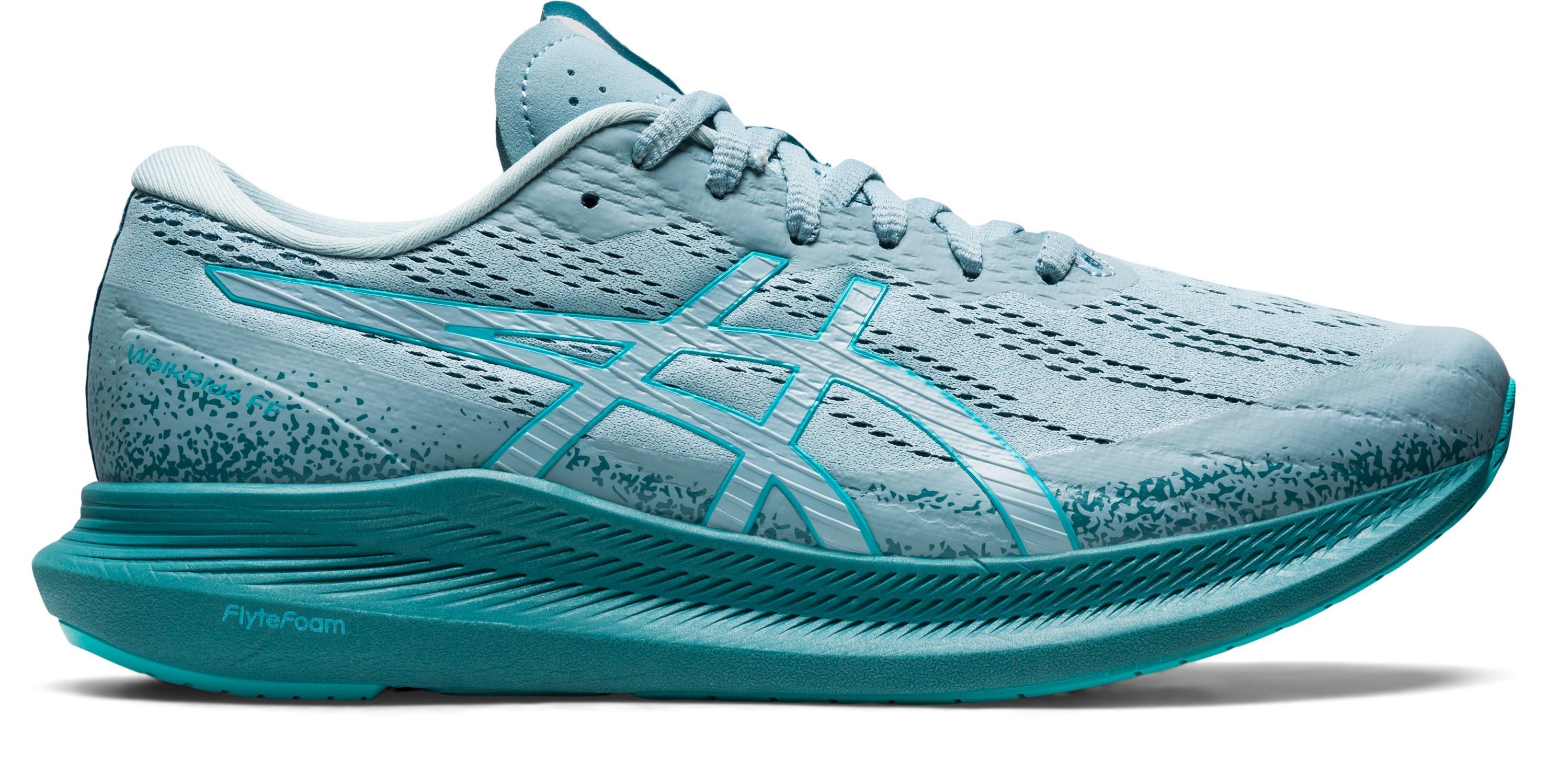
Beyond the Hype: Evidence from Professionals and Patients Alike
The value of professional endorsement is echoed across multiple platforms. On Quora and specialized health forums, individuals suffering from plantar fasciitis, metatarsalgia, or diabetic neuropathy consistently report dramatic improvements after switching to footwear specifically recommended by their podiatrists. Celebrity fitness trainers on YouTube and Twitter, who rely on their feet for livelihood, often share their positive experiences with brands frequently cited by foot doctors. For instance, a well-known trainer might state, “After years of knee pain during my marathon training, my podiatrist pointed me toward shoes with better motion control. The difference wasn’t subtle; it was transformative for my performance and recovery.” Furthermore, publications like Consumer Reports and The Wall Street Journal often reference podiatrists in their gear reviews, lending journalistic credibility to these professional opinions. This convergence of clinical authority, real-world user testimony, and third-party validation creates a compelling, evidence-based argument. It moves the discussion away from subjective “comfort” and into the realm of measurable, physiological benefit, solidifying the status of podiatrist recommended walking shoes as the gold standard.
A Guide to Top Podiatrist-Approved Categories and Models
Navigating the market can be overwhelming, but focusing on categories and models with strong podiatrist backing simplifies the search. Generally, these shoes fall into a few trusted categories: stability walking shoes for overpronators, neutral cushioned shoes for efficient gaits, and extra-depth shoes for those requiring orthotics or with swollen feet. Brands like ASICS, Brooks, New Balance, HOKA, and Saucony are perennial favorites in podiatry clinics due to their consistent focus on biomechanical research. For example, the ASICS Gel-Nimbus or Kayano series are often praised for their FluidRide cushioning and Guidance Line technology, which promotes a natural gait cycle. HOKA’s maximalist cushioning, seen in models like the Bondi, is frequently recommended for those with joint pain or who stand for long periods, as it dramatically reduces impact forces. It’s important to remember that the “best” shoe is highly individual. A model that is a podiatrist recommended walking shoe for one person’s foot structure and gait pattern may not be ideal for another. This underscores the importance of trying shoes on, preferably later in the day when feet are naturally more swollen, and consulting with a professional if you have specific foot conditions.

Investing in Your Foundation: The Long-Term Value Proposition
Some may hesitate at the price point of high-quality, medically endorsed footwear. However, this perspective shifts when viewed as a long-term investment in health rather than a short-term clothing expense. Consider the cost of chronic foot pain: missed workdays, expensive orthotics, physical therapy sessions, and even corrective surgery. A pair of properly fitted, supportive podiatrist recommended walking shoes acts as the first line of defense against these costly and debilitating outcomes. The engineering that goes into these shoes—from advanced foam compounds that don’t break down quickly to durable outsoles and breathable, supportive uppers—also means they often outlast cheaper, less structured alternatives. To make this investment more accessible, savvy shoppers can look for previous model-year versions of top shoes, which often see significant discounts when new iterations are released without sacrificing core supportive technologies. Many reputable retailers also offer loyalty programs, seasonal sales, and special discounts for healthcare workers or seniors. The goal is to bring professional-grade foot health within reach, proving that comfort, science, and value can indeed walk hand in hand.

Your journey toward pain-free, energized walking begins with a single, informed step. By prioritizing the principles of podiatric science—rigorous support, anatomical design, and proven performance—you move beyond guesswork. You choose footwear that actively partners with your body’s mechanics. Let the collective expertise of foot health specialists guide you to the shoes that don’t just feel good in the store but sustain you mile after mile, day after day. Embrace the difference that truly supportive, podiatrist recommended walking shoes can make. Your feet, and indeed your entire body, will thank you for the foundation of comfort and care you provide them.
