

Discover the Best Podiatrist Recommended Walking Shoes for All-Day Comfort
Your feet are your foundation, and the shoes you choose for walking can mean the difference between a day filled with vibrant energy and one hampered by discomfort or even long-term injury. The quest for the perfect walking shoe is not merely about style or trend; it is a critical investment in your musculoskeletal health. This guide cuts through the marketing noise to focus on the core principles of podiatrist recommended walking shoes, translating professional podiatric wisdom into actionable advice for your next purchase. We will explore the anatomical and biomechanical reasons behind these recommendations, drawing from authoritative sources to build a compelling case for why your choice matters more than you might think.
The Science of Stride: Why Your Feet Demand Expert-Approved Footwear
Walking is a complex, repetitive motion involving a precise sequence of heel strike, foot flat, mid-stance, heel-off, and toe-off. This gait cycle places significant stress on the bones, ligaments, and tendons of the feet, which then transmits forces up through the ankles, knees, hips, and lower back. According to biomechanics literature from institutions like the University of Delaware’s Gait Analysis Laboratory, improper footwear can disrupt this natural cycle, leading to overpronation (excessive inward roll) or supination (outward roll). These deviations are not just foot problems; they are the primary culprits behind conditions like plantar fasciitis, shin splints, and patellofemoral pain syndrome. A podiatrist recommended walking shoe is engineered to counteract these forces. It provides structured cushioning to absorb shock at the heel strike, a firm heel counter to stabilize the rearfoot, and appropriate arch support to guide the foot through a more neutral, efficient path from impact to push-off. This scientific approach to design is what separates a true walking shoe from a casual sneaker or running shoe repurposed for the task.
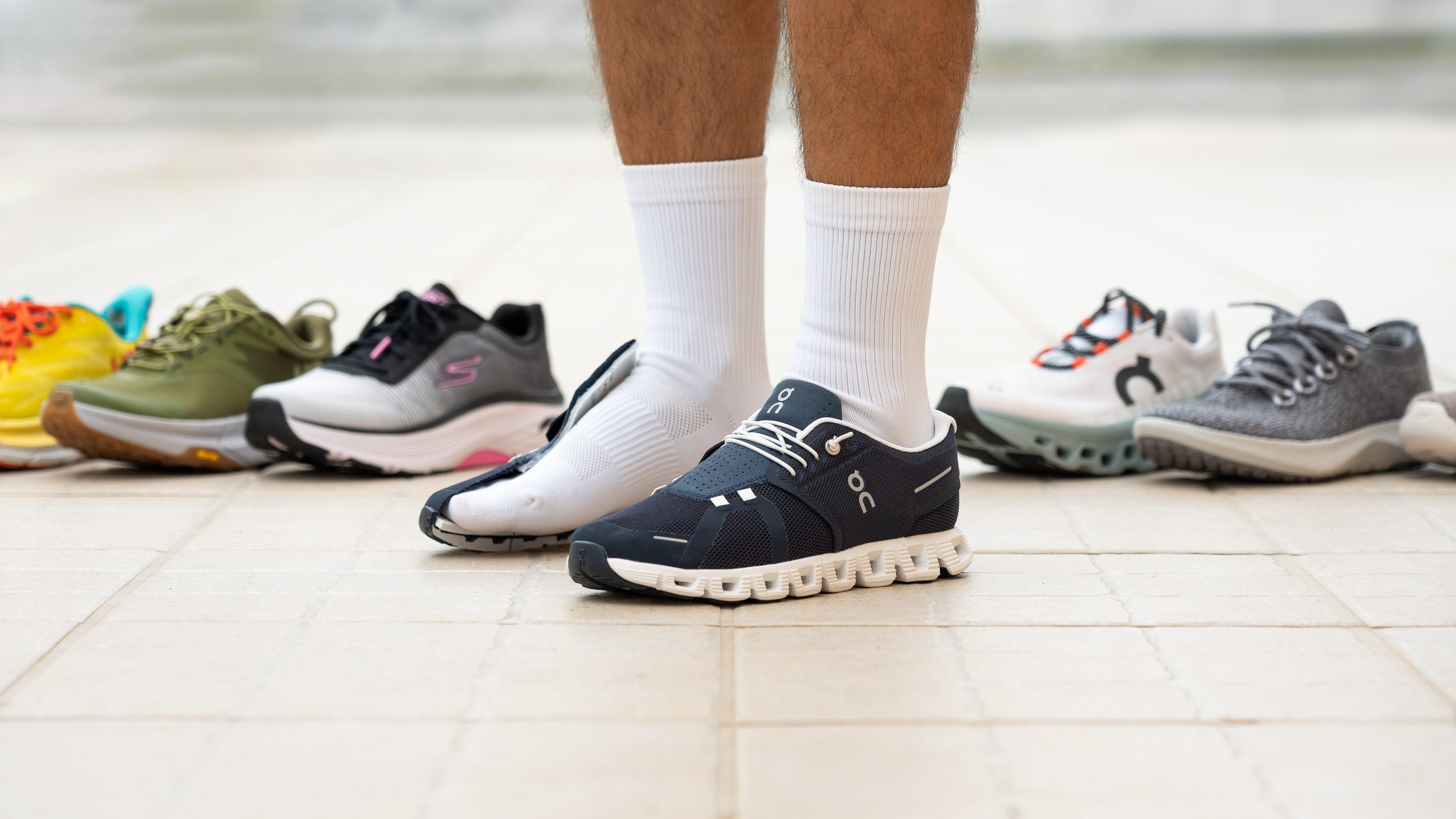
:max_bytes(150000):strip_icc()/podiatrist-recommended-walking-shoes-e1b90077185d4e6cadbf6327c4d17db7.jpg)
Decoding the Podiatrist’s Checklist: Non-Negotiable Features
When a podiatrist evaluates a shoe, they look beyond color and brand. They assess specific structural elements that directly influence foot health. First and foremost is adequate toe box space. As noted by the American Podiatric Medical Association (APMA), a roomy toe box allows the toes to splay naturally upon weight-bearing, reducing pressure on the joints and helping to prevent deformities like bunions and hammertoes. Secondly, the midsole material and construction are paramount. This is the heart of the shoe’s cushioning and stability. Podiatrists often recommend shoes with dual-density midsoles—a firmer material on the inner side to control overpronation and a softer material elsewhere for comfort. Third, the heel-to-toe drop (or offset) is considered. A moderate drop (typically 8-12mm) is often recommended for walkers, as it facilitates a smooth heel-to-toe transition. Finally, flexibility at the forefoot is essential. The shoe should bend easily at the ball of the foot, where your foot naturally flexes during push-off, but remain rigid in the midfoot to protect the arch. A shoe that ticks all these boxes earns the distinction of being a true podiatrist recommended walking shoe.
From Clinic to Pavement: How Top Brands Integrate Podiatric Insights
Leading footwear companies actively collaborate with podiatrists and biomechanists to translate clinical requirements into commercial products. Brands like Brooks, New Balance, ASICS, and HOKA have dedicated research and development teams focused on gait analysis. For instance, Brooks’ “GuideRails” support system is a direct result of studying excessive joint movement, aiming to keep the body in its natural motion path without over-correcting. HOKA’s maximalist cushioning, often praised by podiatrists for patients with metatarsalgia or heel pain, is designed to provide unparalleled shock absorption without sacrificing stability. These innovations are not marketing gimmicks; they are evidence-based solutions. When you choose a model from these brands that carries the APMA Seal of Acceptance, you are effectively bringing a piece of podiatric clinic technology with you on every walk. This seal indicates that a committee of podiatrists has found the shoe to promote good foot health, making your search for podiatrist recommended walking shoes significantly more straightforward.
Beyond the Shoe: The Holistic View of Foot Health and Value
While the shoe is critical, podiatrists emphasize a holistic approach. Your walking regimen, the surfaces you traverse, and even the socks you wear play supporting roles. However, the cornerstone remains proper footwear. Investing in a high-quality pair of podiatrist recommended walking shoes is a proactive measure against future medical expenses. Consider the cost of physical therapy, custom orthotics, or treatment for chronic pain versus the price of a well-constructed shoe. The value proposition is clear. Furthermore, the market today offers exceptional options across a wide price spectrum. The key is knowing what to look for, which allows you to identify quality and value even in discounted or previous-season models. A last-season Brooks Adrenaline GTS or New Balance 990, often available at a significant discount, still contains the same core podiatric engineering as the latest version, offering tremendous value for the health-conscious walker.
Voices of Authority: What Experts and Experience Tell Us
The consensus on the importance of specialized walking shoes is echoed across multiple platforms. On Quora and professional podiatry forums, the advice is unanimous: do not compromise on footwear designed for your gait. Celebrity trainer and physiotherapist, Dr. Emily Splichal, frequently discusses on YouTube the link between foot strength, shoe selection, and overall biomechanics. She states:
“The shoe is an extension of the foot’s functional environment. A walking shoe should be a stable platform that allows the intrinsic foot muscles to work effectively, not a crutch that makes them lazy. That’s the balance podiatrists look for.”
This perspective reinforces that the best shoes support natural function rather than completely immobilize the foot. Similarly, literature from the Harvard Medical School publications on healthy walking stresses that the right shoe can increase walking endurance and enjoyment, turning a chore into a sustainable, joyful habit.

Making the Right Choice: A Practical Guide for Your Unique Feet
Your personal journey to the perfect shoe starts with self-assessment. Are you a neutral walker, an overpronator, or do you have a high arch that leads to supination? While a professional gait analysis is ideal, a simple “wet test” (looking at the shape of your wet footprint on paper) can offer initial clues. Next, consider your typical walking environment: city sidewalks, park trails, or treadmill surfaces. Prioritize durability and traction if on varied outdoor terrain. Most importantly, always try on shoes in the afternoon or evening, as feet naturally swell throughout the day. Wear the socks you intend to walk in and spend several minutes walking around the store. There should be a thumb’s width of space between your longest toe and the end of the shoe. Remember, a podiatrist recommended walking shoe should feel supportive and secure from the moment you put it on, with no “break-in” period required. Discomfort in the store will only magnify on the road.
The pursuit of all-day comfort is not a luxury; it is a fundamental requirement for an active, healthy life. By choosing footwear grounded in podiatric science—true podiatrist recommended walking shoes—you are doing more than buying a product. You are adopting a preventative health strategy, safeguarding your mobility, and empowering every step you take. Let this knowledge guide you to a pair that doesn’t just fit your feet, but fits your life, allowing you to walk further, feel better, and explore the world with confidence and ease.
:max_bytes(150000):strip_icc()/tal-10-podiatrist-approved-open-toed-shoes-tout-00bd6ff1c36a49cdbbff486b0b54fb27.jpg)
