

Top Styles for Every Outfit
Fashion is not merely about clothing; it’s a language of self-expression, a daily dialogue between the individual and the world. At the heart of this conversation in contemporary wardrobes lies a singular, powerful item: the sneaker. Once confined to gyms and casual weekends, sneakers have ascended to become the cornerstone of versatile, modern style. This article dissects the essential sneaker styles that form the foundation of a dynamic wardrobe, moving beyond fleeting trends to focus on designs that offer genuine versatility, scientific comfort, and enduring aesthetic value. We will explore how the right pair can seamlessly transition from a professional setting to an evening out, supported by insights from design theory, biomechanics, and cultural commentary.
The Architectural Foundation: The Minimalist White Sneaker
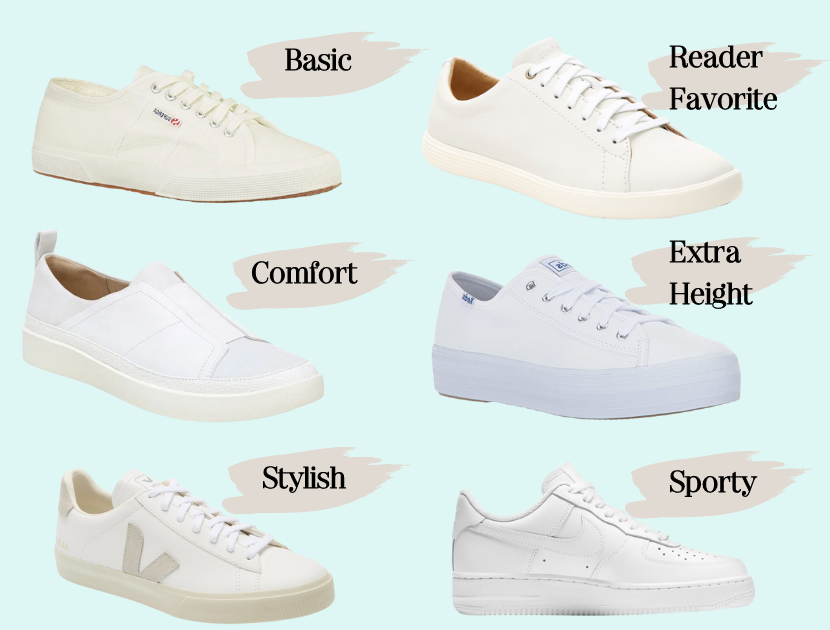
The minimalist white sneaker stands as the sartorial equivalent of a blank canvas. Its power lies in its deliberate absence of detail, which creates a visual pause and allows the rest of an outfit to command attention. From a design perspective, this aligns with the principles of the Bauhaus school, which championed “form follows function” and the elimination of ornamentation for a purer aesthetic. Fashion historian and curator, Dr. Valerie Steele, has often noted in publications like Vogue that “the proliferation of the white sneaker signals a cultural shift towards hybridity—the blurring of boundaries between formal and informal, work and leisure.” Scientifically, the choice of white is psychologically associated with cleanliness, simplicity, and new beginnings, making it a non-threatening and universally adaptable accent. When we discuss building a capsule wardrobe, this is the unequivocal starting point. Its versatility is unmatched; it can anchor a crisp pair of tailored trousers and a blazer, softening the silhouette for a contemporary business-casual look, or provide a clean counterpoint to the fluid lines of a summer dress. The key to its longevity is in its construction—premium leather or high-quality vegan alternatives ensure ease of cleaning and shape retention. For 2023, the evolution continues with subtle textural plays, like buttery nappa leather or grained calfskin, adding depth without compromising its minimalist creed. Investing in a superior pair transcends seasonal trends; it is an investment in stylistic infrastructure.
Biomechanics of Comfort: The Rise of the Technical Trainer
If the white sneaker is the architect, the technical trainer is the engineer. This category is defined by its direct lineage from athletic performance, incorporating advanced materials and design features informed by podiatry and sports science. The argument for its inclusion in everyday wear is rooted in objective human physiology. As noted by researchers at the University of Massachusetts Amherst’s Biomechanics Lab, consistent wear of unsupportive footwear can contribute to a cascade of musculoskeletal issues, from plantar fasciitis to knee and back pain. Technical trainers address this with features like engineered mesh uppers for breathability, memory foam or proprietary polymer cushioning systems (such as Adidas’s Boost or Nike’s React) that absorb and return energy, and strategic carbon rubber placements for durability and traction. The cultural shift towards wellness and functional fashion, as chronicled on platforms like Quora and YouTube by fitness influencers and orthopedic specialists, has democratized this technology. A prime example for 2023 is the continued dominance of the “max cushion” category. These shoes, often featuring exaggerated midsoles, are not merely an aesthetic statement but a deliverable on the promise of all-day comfort. They pair paradoxically well with both athleisure and more tailored looks, creating a high-low dynamic that is distinctly modern. Choosing a pair is no longer just about brand loyalty; it’s about selecting the specific technological package that aligns with your daily gait, arch type, and activity level. This is where professional knowledge directly benefits the user: understanding pronation versus supination can guide you to a stability shoe or a neutral one, transforming a fashion purchase into a health-conscious decision.

The Statement Spectrum: From Chunky Soled to Color-Blocked Designs
Beyond foundation and function lies the realm of expression—the statement sneaker. This category encompasses everything from the resurrected “dad shoe” with its chunky, complex silhouette to bold, color-blocked designs that draw from 80s and 90s aesthetics. The cultural legitimacy of the chunky sneaker is well-documented; The New York Times attributed its resurgence to a “post-ironic embrace of uncool” that challenges traditional elegance norms. From a semiotic standpoint, as discussed in literature from the Parsons School of Design, these shoes act as a visual exclamation point, grounding more delicate or feminine outfits with a dose of rebellious gravity. The science here is one of proportion and balance. A bulky sneaker can visually anchor wide-leg jeans or balance a voluminous skirt, creating a harmonious and intentional silhouette. For 2023, the trend is refining itself. We are seeing a move from sheer mass to more sculptural, organic forms—think of Balenciaga’s Defender or the New Balance 9060—where the chunkiness is integrated with fluid lines. On the other end of the statement spectrum are color-blocked women’s sneakers 2023 offerings. These designs utilize color theory, often employing complementary or analogous color palettes to create dynamic, eye-catching effects without relying on logos. As designer Telfar Clemens famously stated in an interview with i-D magazine, “Color is access. It’s immediate emotion.” A well-designed color-blocked sneaker can elevate a monochromatic outfit from minimalist to monumental, serving as the focal point of your ensemble. The key to wearing statement pieces is confidence and simplicity elsewhere; let the shoes be the protagonist.
Material Innovation: The Imperative of Sustainable Design
The most significant and necessary evolution in sneaker culture is the shift towards sustainable design. This is no longer a niche concern but a central pillar for leading brands and informed consumers. The argument is supported by overwhelming environmental data. The World Footwear Yearbook reports that the global footwear industry produces over 24 billion pairs annually, with a significant carbon footprint stemming from virgin plastic use, chemical dyes, and complex supply chains. In response, material science has become the new frontier. Innovations such as Allbirds’ sugarcane-based SweetFoam™, Veja’s use of wild rubber from the Amazon, and Adidas’s partnership with Parley for the Oceans to create uppers from recycled marine plastic are redefining production. Websites like Good On You and the Sustainable Apparel Coalition’s Higg Index provide objective, scientific assessments of brands’ environmental and ethical impact. For the discerning shopper in 2023, looking for women’s sneakers 2023 means scrutinizing material composition. Terms like “post-consumer recycled polyester,” “organic cotton,” “chrome-free tanning,” and “biodegradable” are becoming critical markers of quality and conscience. This movement is beautifully illustrated in the film The True Cost, which juxtaposes the glamour of fashion with its environmental and human toll. Choosing sustainable sneakers is a powerful, tangible action. It aligns personal style with planetary ethics, proving that aesthetics and responsibility are not mutually exclusive but can be synergistically designed. The premium often associated with these products reflects the true cost of ethical sourcing and innovation, though increased demand is steadily making them more accessible.

Strategic Integration: Building Outfits from the Ground Up
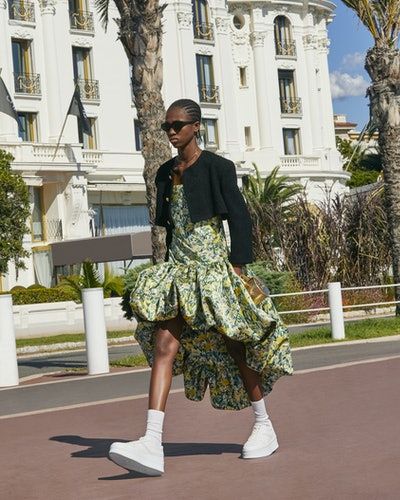
Understanding individual sneaker styles is only half the battle; the art lies in their strategic integration. This is a practical, style-agnostic methodology. Begin by identifying the dominant “mood” or requirement of your day. Is it professional creativity, weekend errands, or evening socializing? Your sneaker choice sets the tone. For a day requiring authoritative yet approachable presence (think client meetings or conference presentations), the minimalist white or a sleek, monochromatic leather sneaker is unparalleled. Pair it with tailored separates—a wool blazer, straight-leg trousers—to project polished competence. The second scenario involves dynamic movement and comfort. Here, the technical trainer shines. Combine it with engineered knitwear, streamlined joggers, or a midi skirt for a look that is prepared for anything, from a long commute to an impromptu walk. The third scenario is about personal expression. This is where your statement women’s sneakers 2023 enter. Let them be the centerpiece. Style chunky soles with a simple slip dress and an oversized denim jacket, or allow vibrant color-blocks to pop against an all-black outfit. The rule of thumb is one statement piece per outfit. If your sneakers are loud, keep the rest of your palette and silhouettes relatively subdued. This approach is not about rigid rules but about understanding the visual weight and narrative of each shoe in your collection. As fashion psychologist Dr. Dawnn Karen outlines in her book Dress Your Best Life, what we wear on our feet directly impacts our posture, gait, and consequently, our perceived and felt confidence.
The Investment Mindset: Quality, Care, and Conscious Acquisition
In an era of fast fashion, adopting an investment mindset towards sneakers is both economically and ecologically wise. This philosophy is championed by thought leaders from Vivienne Westwood’s iconic “Buy Less, Choose Well, Make It Last” to the meticulous product reviews on YouTube channels like “Rose Anvil,” which dissect shoe construction and material durability. The objective science is clear: a well-constructed sneaker from full-grain leather, durable suede, or high-tenacity synthetics, with a stitched (not just glued) sole and a sturdy heel counter, will outlast multiple pairs of its cheaper counterparts. Its cost per wear plummets over time. For instance, a $300 pair worn 200 times costs $1.50 per wear, while a $60 pair that disintegrates after 20 wears costs $3 per wear. This is the real “discounted price” for the user—long-term value. Caring for your investment is crucial. Regular cleaning with appropriate products, using waterproofing sprays on susceptible materials, and rotating your shoes to allow them to decompress and air out will exponentially extend their life. When considering new acquisitions, especially for the latest women’s sneakers 2023, apply a rigorous filter: Does it fill a genuine gap in your style arsenal? Is its construction worthy of its price? Does its design align with both current trends and timeless principles? The goal is to curate a versatile roster—perhaps a minimalist pair, a technical pair, and a statement pair—that can be mixed and matched to cover the vast spectrum of modern life. This curated approach minimizes waste, maximizes utility, and ensures that every outfit is grounded in intentional, confident style.
The journey to mastering personal style is built from the ground up. It requires moving beyond seeing sneakers as mere accessories to recognizing them as fundamental tools of expression, comfort, and even ethics. From the silent authority of the white minimalist to the engineered embrace of the technical trainer, from the bold proclamation of the statement sole to the quiet integrity of sustainable design, each category serves a distinct purpose in the modern wardrobe. By applying an analytical lens—drawing from design history, biomechanics, environmental science, and strategic styling—you transform everyday choices into a coherent style language. Your collection of women’s sneakers 2023 becomes more than just shoes; it becomes a versatile, reliable, and expressive foundation for navigating the world, one confident step at a time.
