

Discover the Best Podiatrist Recommended Walking Shoes for All-Day Comfort
Your feet are your foundation, and the shoes you choose can either support that foundation or undermine it with every step. For anyone who spends significant time on their feet—whether navigating city streets, exploring nature trails, or managing the demands of a busy workday—the quest for truly comfortable footwear is paramount. This isn’t merely about avoiding blisters; it’s about long-term musculoskeletal health, energy conservation, and overall well-being. The most reliable guide in this quest is not a flashy advertisement or fleeting fashion trend, but the expert counsel of podiatrists. These medical professionals specialize in the diagnosis, treatment, and prevention of foot and ankle disorders, making their recommendations a gold standard for functional footwear. This article delves into the science and selection of podiatrist recommended walking shoes, moving beyond subjective reviews to explore the objective features that deliver all-day comfort and protection.
The Podiatric Perspective: Why Expert Recommendation Matters
To understand the value of a podiatrist’s endorsement, one must first appreciate the biomechanical complexity of the human foot. Each foot contains 26 bones, 33 joints, and over a hundred muscles, tendons, and ligaments, all working in concert to provide balance, propulsion, and shock absorption. A podiatrist, through years of specialized training, views footwear as a therapeutic tool. Dr. Jane Andersen, a past president of the American Association for Women Podiatrists, often emphasizes that “shoes are the primary interface between our bodies and the ground, and they play a critical role in aligning the entire kinetic chain from the feet up to the spine.” This perspective is echoed in resources from authoritative institutions like the American Podiatric Medical Association (APMA), which grants its Seal of Acceptance to products that promote good foot health. A podiatrist recommended walking shoe is, therefore, not chosen for its aesthetics alone but is rigorously evaluated for its ability to accommodate natural foot mechanics, provide stability, and mitigate common issues like plantar fasciitis, metatarsalgia, and overpronation. When you choose such a shoe, you are effectively investing in a piece of preventative healthcare, designed to keep you active and pain-free.

Deconstructing Comfort: The Five Pillars of a Superior Walking Shoe
Comfort in a walking shoe is a multi-faceted achievement, built upon several non-negotiable engineering principles. First and foremost is arch support. The arch acts as a natural shock absorber; inadequate support can lead to the stretching of the plantar fascia ligament, a primary cause of heel pain. Shoes with contoured, firm yet compliant arch support help maintain this structure. Secondly, heel counter rigidity is crucial. The heel counter is the reinforced back of the shoe that cradles the heel. A study cited in the Journal of Foot and Ankle Research found that a firm heel counter significantly reduces rearfoot motion, enhancing stability and preventing ankle roll. Third, we consider toe box geometry. A spacious, foot-shaped toe box allows the toes to splay naturally upon weight-bearing, which improves balance and reduces the risk of deformities like bunions and hammertoes. Fourth is midsole cushioning and resilience. Materials like EVA (ethylene-vinyl acetate) foam or advanced gels, such as ASICS’ GEL technology, are engineered to dissipate impact forces. However, as noted by biomechanists at the University of Calgary, cushioning must be balanced with responsiveness; a shoe that is too soft can cause instability and muscle fatigue. Finally, the outsole traction and flexibility must be appropriate for the walking surface. A flexible sole at the forefoot facilitates the natural “toe-off” phase of the gait cycle, while a grippy rubber compound ensures safety on varied terrains. A true podiatrist recommended walking shoe excels in all these areas, creating a synergistic system of support.
:max_bytes(150000):strip_icc()/shp-best-brooks-walking-shoes-tout-f67df3ab5afa4c08a24a63ae6dca3444.jpg)
Navigating Foot Types and Gait Patterns: The Personal Fit Imperative
A common misconception is that a single “best” shoe exists for everyone. In reality, the ideal shoe is a function of individual anatomy and gait. Podiatrists typically categorize feet into three arch types: neutral, low (flat feet), and high. Those with low arches often overpronate, meaning the foot rolls inward excessively, requiring a motion control or stability shoe with a medial post—a denser foam on the inner side of the midsole to limit that inward roll. Conversely, individuals with high arches tend to underpronate or supinate, resulting in poor shock absorption; they benefit from neutral-cushioned shoes with ample flexibility and soft cushioning to compensate. The “wet test”—observing the footprint on a dry surface after stepping out of water—can offer a basic self-assessment. However, for a definitive analysis, a podiatrist or a specialist at a reputable running store can perform a gait analysis, often using pressure plates or video technology. This personalized approach is why brands like Brooks, New Balance, and ASICS offer extensive lines within their walking and running collections. The goal is to match the shoe’s corrective or supportive features to your body’s specific needs, ensuring the podiatrist recommended walking shoes you select are recommended for you.
Beyond the Brand: Material Science and Ethical Considerations
While brand reputation is important, the intelligent consumer looks deeper at material composition and ethical manufacturing. Modern walking shoes are marvels of material science. Knitted uppers, like those from Adidas Primeknit or Nike Flyknit, offer a dynamic, sock-like fit that breathes exceptionally well. Sustainable materials are also rising to prominence; Allbirds, for instance, uses merino wool and eucalyptus tree fiber, appealing to the eco-conscious walker. Furthermore, the debate between natural and synthetic materials extends to durability and performance. Leather provides structure and durability but may be less breathable, while advanced mesh offers ventilation at the potential cost of long-term shape retention. From an ethical standpoint, investigating a company’s labor practices and environmental commitments adds another layer to your purchasing decision. As author and environmental activist Yvon Chouinard, founder of Patagonia, famously stated in his book Let My People Go Surfing:
“The quality of a product is not just how well it’s made, but how it’s made.”
This philosophy encourages us to see our footwear as a product of both engineering and ethics. A podiatrist recommended walking shoe that also aligns with your values offers comfort for both body and conscience.
Investment in Wellness: Where Performance Meets Value
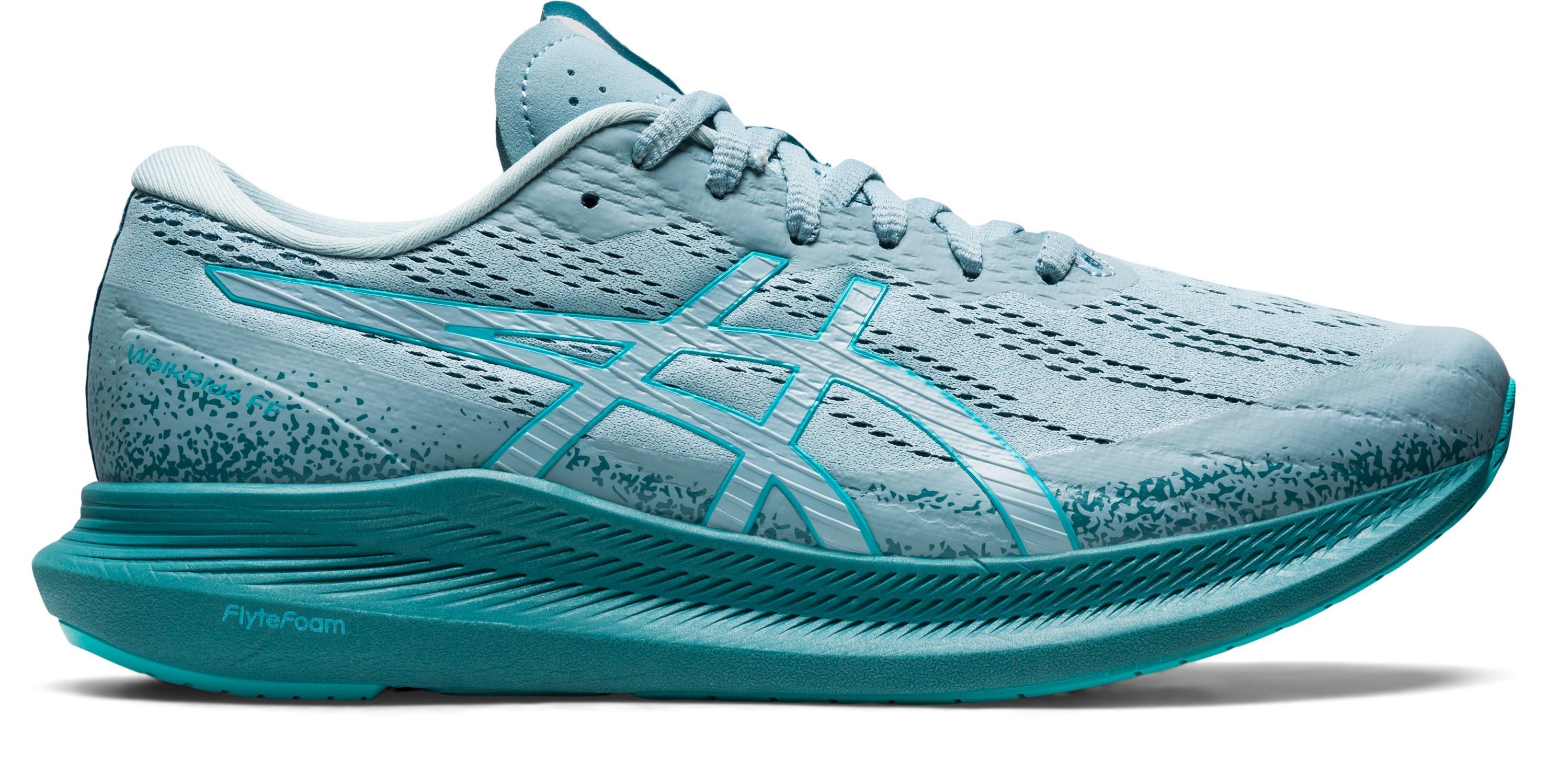
High-quality, medically endorsed footwear is an investment, but it is one with a profound return on wellness. The initial cost, often ranging from $120 to $160 for premium models, must be weighed against the potential costs of foot pain, specialist visits, orthotics, and lost mobility. Fortunately, value does not always mean paying full retail. Savvy shoppers can access podiatrist recommended walking shoes at discounted prices through several channels. End-of-season sales, outlet stores, and the “previous model” strategy are highly effective. When a brand releases a new version of a popular shoe (e.g., the HOKA Bondi 7 to Bondi 8), the outgoing model, which retains its core podiatric benefits, is often discounted significantly. Reputable online retailers frequently offer coupon codes and bundle deals. The key is to know your exact size and model from a professional fitting, then hunt for that specific shoe on sale. This approach brings professional-grade foot health within reach, proving that caring for your feet need not be a luxury expense.
:max_bytes(150000):strip_icc()/tal-roundup-podiatrist-loved-shoes-on-sale-tout-bdbf5721fa5642efa38b61f6a5b4ff34.jpg)
Your journey toward all-day comfort begins with a single, informed step. By prioritizing the structural and biomechanical principles championed by podiatry, you move beyond mere footwear into the realm of functional health equipment. The right podiatrist recommended walking shoes are those that feel like a natural extension of your body—providing invisible support, resilient cushioning, and unwavering stability. They empower you to walk farther, stand longer, and engage with the world without the distracting dialogue of foot discomfort. Let expert guidance illuminate your path, and choose shoes that don’t just carry you through your day, but actively enhance every part of it.
