

The Ultimate Guide to Podiatrist-Approved Walking Shoes
Your feet are the foundation of your movement, and the shoes you choose can either support that foundation or undermine it. The quest for the perfect walking shoe is not merely about fashion or fleeting trends; it is a critical investment in your long-term musculoskeletal health. This guide cuts through the marketing noise to deliver a clear, evidence-based roadmap for selecting footwear that aligns with the principles of podiatric medicine. We will move beyond superficial features to examine the anatomical and biomechanical rationale behind podiatrist recommended walking shoes, providing you with the knowledge to make an informed choice that benefits your body from the ground up.
The Science of Stride: Why Your Shoes Matter More Than You Think
Every step you take is a complex orchestration of bones, muscles, tendons, and ligaments. When this system is in harmony, walking is efficient and pain-free. However, improper footwear can disrupt this harmony, leading to a cascade of issues. From a biomechanical perspective, shoes that lack adequate support or cushioning can alter your gait cycle—the repetitive pattern of heel strike, foot flat, mid-stance, heel-off, and toe-off. An altered gait increases stress on joints not designed to bear such loads, potentially contributing to conditions like plantar fasciitis, Achilles tendinitis, shin splints, and even knee, hip, or lower back pain. The American Podiatric Medical Association (APMA) consistently emphasizes that footwear is a primary therapeutic and preventive tool. Shoes bearing the APMA Seal of Acceptance have been evaluated by a committee of podiatrists and found to promote good foot health. This scientific endorsement is a cornerstone for understanding what makes a shoe worthy of being called podiatrist recommended walking shoes. It’s not about a single “best” shoe, but about finding the shoe that correctly interfaces with your unique foot structure and walking mechanics.
:max_bytes(150000):strip_icc()/tal-roundup-podiatrist-loved-shoes-on-sale-tout-bdbf5721fa5642efa38b61f6a5b4ff34.jpg)
Deconstructing the Ideal Walking Shoe: Five Non-Negotiable Features
To translate podiatric science into a shopping list, we must identify the key architectural elements of a supportive shoe. First, examine the heel counter. This is the firm cup at the back of the shoe that cradles your heel. A rigid, well-structured heel counter is paramount; it prevents excessive heel movement (medial and lateral deviation), which is a primary cause of instability and conditions like posterior tibial tendon dysfunction. Second, assess the shoe’s longitudinal arch support. Your foot’s arch is not a rigid bridge but a dynamic, spring-like structure. A shoe should offer contoured support that matches your arch type (neutral, low, or high) to prevent overpronation or supination. Third, focus on toe box geometry. A spacious, foot-shaped toe box allows your toes to splay naturally upon weight-bearing. Constriction here can lead to neuromas, bunions, and hammertoes. As noted by Dr. Miguel Cunha, founder of Gotham Footcare, in various health publications, “A shoe that cramps the toes can deform them over time.” Fourth, evaluate the midsole material and construction. This layer between the outsole and upper is responsible for cushioning and shock absorption. Materials like EVA (ethylene-vinyl acetate) foam or proprietary compounds like Brooks’ DNA LOFT or ASICS’ GEL provide the necessary dissipation of impact forces. Finally, the flexibility point is critical. The shoe should bend easily at the metatarsophalangeal joints (the ball of your foot), where your foot naturally flexes, but remain relatively stiff in the midfoot to maintain torsional stability. A shoe that flexes in the arch area compromises support fundamentally.
Navigating Foot Types and Gait Patterns: A Personalized Blueprint
Understanding general features is futile without applying them to your specific physiology. The cornerstone of personalization is determining your foot type and gait pattern. The “wet test” is a simple, classic diagnostic: wet your foot and step onto a piece of cardboard or paper. A full imprint indicates a low arch (likely overpronator), a imprint with a narrow band connecting heel and forefoot indicates a high arch (likely underpronator or supinator), and a balanced imprint indicates a neutral arch. Overpronation, where the ankle rolls inward excessively, requires shoes with “motion control” or “stability” features—firmer medial (inner) posts to limit that inward roll. Supination, where the foot rolls outward, requires highly cushioned, neutral shoes that encourage a more natural foot motion. For neutral gaits, “neutral cushioning” shoes are ideal. This classification is not mere speculation; it is supported by extensive biomechanical literature from institutions like the University of Calgary’s Human Performance Laboratory, which studies how footwear interventions affect movement efficiency and injury rates. Selecting podiatrist recommended walking shoes is therefore an exercise in matching engineered solutions to biological realities.
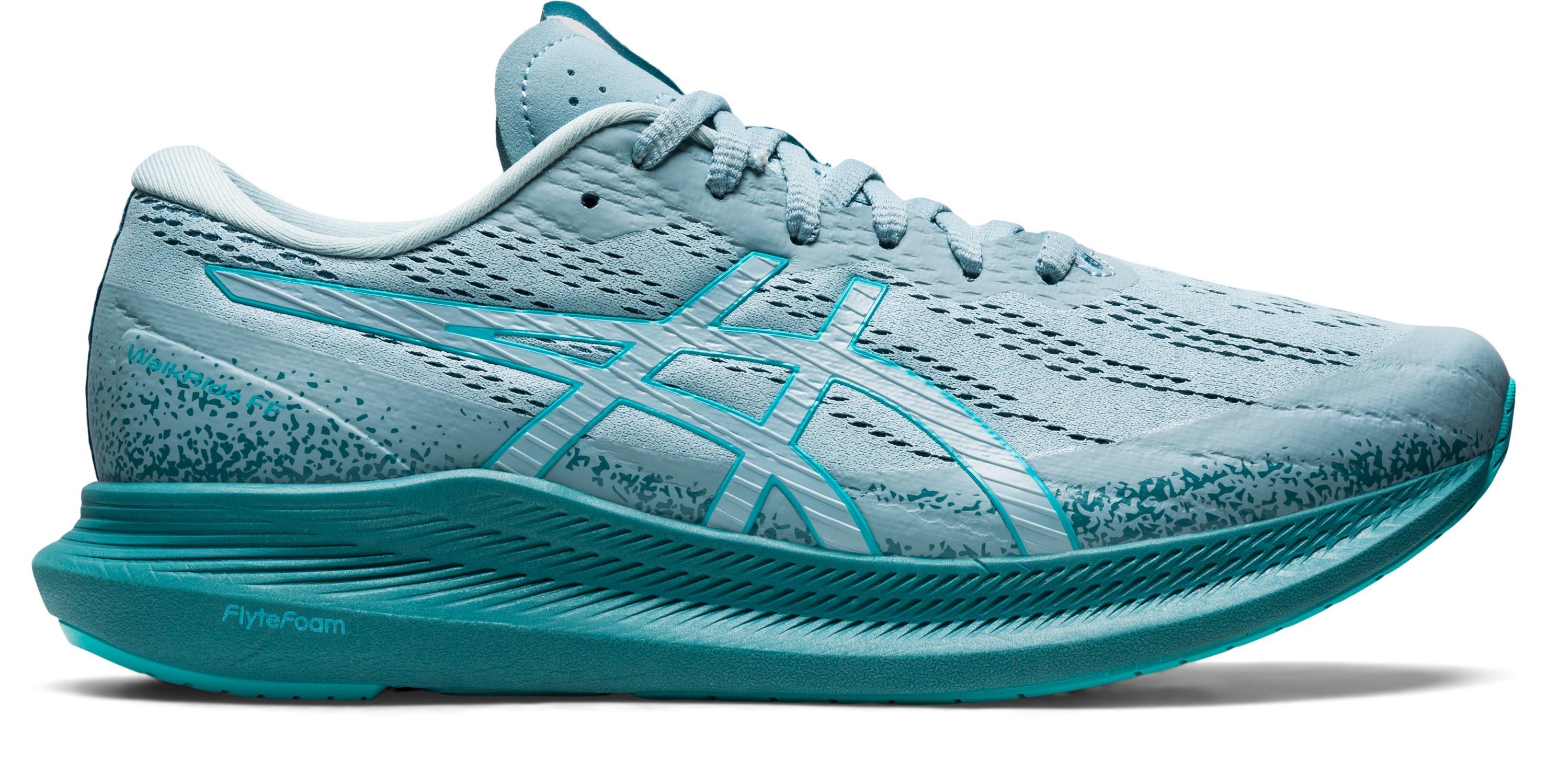
Beyond the Brand: Evaluating Shoes with a Critical Eye
In an era of sophisticated marketing, relying on brand reputation alone is a mistake. You must become your own podiatrist-in-training when evaluating a potential purchase. Start by examining the shoe’s internal construction. Remove the sock liner and feel for seams, ridges, or glued-down fabric that could create hot spots or pressure points. The interior should be smooth and uniformly supportive. Next, perform the “twist test.” Hold the shoe at the heel and toe and try to wring it like a towel. A good walking shoe will resist twisting through the midfoot, confirming torsional rigidity. Then, conduct the “heel counter squeeze test.” Press on both sides of the heel counter. It should not collapse easily under moderate pressure. Finally, consider the weight. Excessively heavy shoes increase the metabolic cost of walking and can lead to fatigue, while overly minimalist shoes may lack protection. The goal is to find a balance—a shoe that is substantial enough to provide structure but agile enough not to feel burdensome. Remember, a truly effective pair of podiatrist recommended walking shoes functions as an external exoskeleton for your feet, augmenting their natural strengths and compensating for their weaknesses.
The Price of Prevention: Investing in Your Foundation
It is a common fallacy to view high-quality walking shoes as a luxury expense. In reality, they are a form of preventative healthcare, potentially saving thousands in future medical bills, physical therapy, and lost productivity due to foot pain. Consider this perspective from a cost-benefit analysis: a premium pair of walking shoes from a reputable brand specializing in biomechanics may cost between $120 and $160. If they last for 500 miles of walking (a standard benchmark), the cost per mile is between 24 and 32 cents. Compare this to the financial and personal cost of treating chronic plantar fasciitis, which can involve orthotics, night splints, physical therapy, and even invasive procedures. The investment in proper footwear is minuscule in comparison. Furthermore, the market often offers opportunities to acquire these essential tools at a discount. End-of-season sales, manufacturer refurbished programs (like those from Brooks), and reputable online retailers frequently offer previous models—which retain their core biomechanical technology—at 20-40% discounts. The key is to prioritize the functional specifications over the colorway or being on the absolute cutting edge. Your feet will thank you for the support, not for the style number.
:max_bytes(150000):strip_icc()/podiatrist-recommended-walking-shoes-e1b90077185d4e6cadbf6327c4d17db7.jpg)
A Curated Selection: Podiatrist-Trusted Models Across Categories
While individual fit is paramount, certain models consistently earn praise from foot care professionals for their adherence to sound principles. For the overpronator seeking stability, the Brooks Adrenaline GTS series is a perennial favorite, utilizing its GuideRails holistic support system to limit excess movement without over-correcting. For those requiring maximum cushioning for high arches or hard surfaces, the HOKA Bondi series offers an unparalleled level of soft, resilient EVA foam in a meta-rocker geometry that promotes a smooth gait transition. In the neutral category, the New Balance Fresh Foam 1080 provides a plush, data-driven fit with its precision-engineered Fresh Foam midsole. For individuals who prefer a wider platform or require extra volume, the Altra Paradigm or Olympus models offer a “FootShape” toe box and a balanced cushioning platform with a zero-drop heel-to-toe offset, encouraging a more natural foot position. It is crucial to understand that these are starting points for your search. The definitive test is a thorough fitting, ideally later in the day when your feet are slightly swollen, and while wearing the socks you intend to walk in.
The Lifespan of Support: Knowing When to Retire Your Shoes
A critical, often overlooked aspect of foot health is shoe retirement. The supportive structures and cushioning materials in walking shoes degrade with use, not just with time. The standard recommendation of 300-500 miles is a guideline, but visual and sensory cues are more telling. Place your shoes on a flat surface and view them from behind. Significant inward or outward tilting of the midsole indicates advanced wear that will disrupt your alignment. Press your thumb into the midsole, particularly in the heel and forefoot areas. If the foam does not spring back readily, its shock-absorption capacity is compromised. Examine the outsole tread; bald spots, especially under the ball of the foot, reduce traction and can alter your push-off. Internally, if you begin to feel previously unnoticed seams or the shoe no longer feels uniformly supportive, its structural integrity is failing. Clinging to worn-out shoes negates all the benefits of initially choosing podiatrist recommended walking shoes. They become, in effect, instruments of potential injury. Proactive replacement is a non-negotiable component of a responsible walking regimen.
:max_bytes(150000):strip_icc()/favorite-walking-shoes-round-up-november-2024-458c3fc0c6844adca7c0a34ebc5cfb9b.jpg)
Choosing the right walking shoe is an act of stewardship for your body. It requires moving past aesthetic appeal and engaging with the biomechanical reality of your stride. By prioritizing a rigid heel counter, appropriate arch support, a spacious toe box, a responsive midsole, and correct flexibility, you are applying podiatric wisdom directly to your daily life. This knowledge empowers you to evaluate any shoe, seek out models with proven scientific pedigrees, and understand the true value proposition of investing in your foundational health. Let your next step be taken in confidence, supported by footwear engineered not just for walking, but for walking well, for miles and years to come.
