

Discover the Top Podiatrist Recommended Walking Shoes for Ultimate Comfort and Support
In a world where every step counts, the foundation of our daily movement—our footwear—demands more attention than we often give. The right walking shoe is not merely an accessory; it is a critical piece of equipment for health, posture, and long-term mobility. This isn’t about fleeting fashion trends but about informed choices backed by medical science and professional expertise. We are delving into the realm of podiatrist recommended walking shoes, a category defined not by marketing hype but by clinical validation for features that prevent injury, correct gait issues, and provide unparalleled comfort. Whether you’re an avid walker, someone on their feet all day, or seeking relief from foot pain, this guide translates professional podiatric knowledge into actionable insights, helping you find shoes that truly support your journey, step by step.
The Science of Support: Why Podiatrist Endorsement Matters
To understand the value of a podiatrist recommended walking shoe, one must first grasp the biomechanics of walking. The human foot is a complex structure of 26 bones, 33 joints, and over 100 muscles, tendons, and ligaments. Each step involves a delicate sequence of heel strike, foot flat, mid-stance, heel-off, and toe-off. A shoe that disrupts this natural gait cycle can lead to a cascade of problems, from plantar fasciitis and shin splints to knee, hip, and even back pain. Podiatrists, or doctors of podiatric medicine (DPM), are the medical authorities on this system. Their recommendations are rooted in preventing and treating such disorders. As noted by the American Podiatric Medical Association (APMA), proper footwear is a first-line defense. A study from the University of Pittsburgh’s Department of Orthopaedic Surgery emphasizes that footwear with appropriate arch support and cushioning significantly reduces impact forces. Therefore, a shoe earning the podiatrist recommended seal has typically been evaluated for specific criteria: stable heel counters to control rearfoot motion, adequate toe box room to prevent digital deformities like bunions, firm yet flexible soles that support the arch without restricting natural foot flexion, and optimal cushioning to absorb shock. This isn’t subjective preference; it’s applied biomechanics.
Arch Understanding: The Cornerstone of Comfort
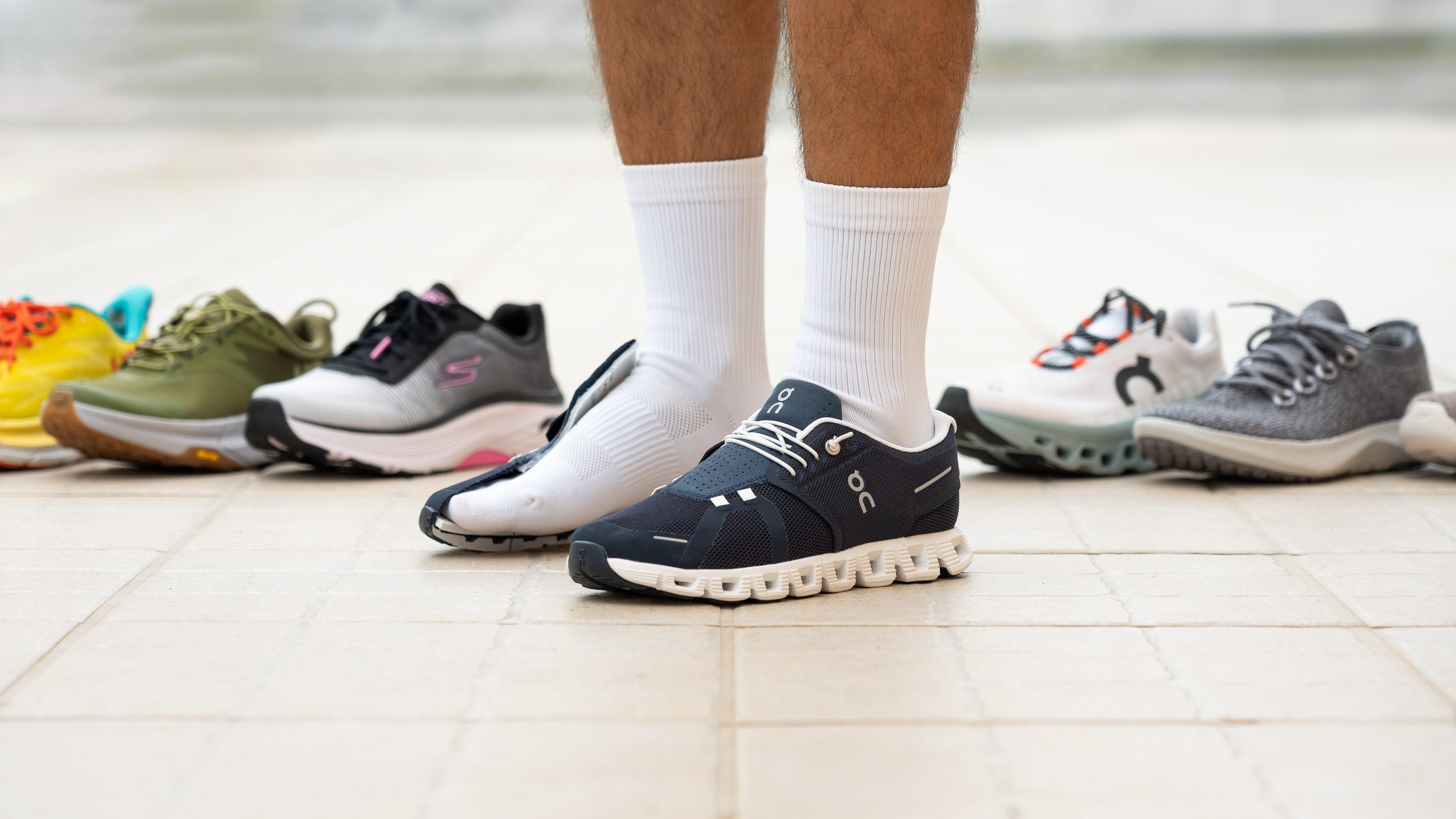
Perhaps the most critical element in a walking shoe is how it interacts with your arch. The arch of the foot acts as a natural shock absorber. Shoes that fail to support it properly can lead to the arch collapsing (overpronation) or not rolling enough (supination), both of which misalign the entire lower limb. Podiatrist recommended walking shoes are meticulously designed with this in mind. They often come in varieties catering to different arch types: neutral, low (flat feet), or high. For instance, a person with flat feet requires a shoe with motion control and substantial medial (inner side) support to prevent overpronation. This viewpoint is echoed by Dr. Jacqueline Sutera, a renowned New York City podiatrist, who frequently highlights the importance of “correct alignment from the ground up” in her media appearances. The technology behind this isn’t guesswork. Brands invest in research, using pressure mapping and gait analysis to design midsoles with varying densities. A dual-density midsole, where the inner part is firmer than the outer, is a common feature in podiatrist recommended models to gently guide the foot into a neutral position. Ignoring your arch type is like building a house on an unstable foundation; eventually, the structure—your body—will show signs of stress.
Material Matters: Engineering for Endurance and Breathability
Beyond structure, the materials used in upper construction and sole composition are vital for long-term comfort and foot health. A common issue with non-specialized shoes is the lack of breathability, leading to a moist environment ripe for fungal infections like athlete’s foot. Podiatrists consistently recommend uppers made from engineered mesh or other technical fabrics that allow air circulation while providing strategic structure. The memory foam or contoured EVA footbeds often found in these shoes are not just for initial comfort; they are designed to reduce shear forces—the friction that causes blisters and calluses. As highlighted in resources from the Spaulding National Running Center at Harvard Medical School, managing shear is as important as managing impact. Furthermore, the outsole rubber must offer durability and appropriate traction without being overly rigid. A study cited in the Journal of Foot and Ankle Research points to the importance of forefoot flexibility in reducing strain on the plantar fascia. Therefore, the best podiatrist recommended walking shoes strike a balance: a heel that is stable, a midfoot that is supportive, and a forefoot that allows for a natural toe-off. This material science, validated by podiatric practice, ensures the shoe performs mile after mile.
:max_bytes(150000):strip_icc()/tal-roundup-podiatrist-loved-shoes-on-sale-tout-bdbf5721fa5642efa38b61f6a5b4ff34.jpg)
Navigating the Market: Key Features to Prioritize
With an understanding of the “why,” the next step is identifying the “what.” When you’re searching for your ideal pair, look beyond brand names and focus on these podiatrist-vetted features. First, examine the heel counter. Pinch the back of the shoe; it should be firm and not easily collapsible. This stabilizes your heel, preventing excessive side-to-side motion that can strain your Achilles tendon. Second, perform the “bend test.” Bend the shoe at the ball of the foot. It should flex easily there but resist twisting in the middle, indicating good arch support. Third, check the toe box. There should be about a thumb’s width of space between your longest toe and the end of the shoe, and it should be deep and wide enough to allow your toes to splay naturally without rubbing. As fitness expert and author of Born to Walk, James Earls, notes, “The foot needs to function as a mobile adapter and a rigid lever; footwear should facilitate, not hinder, this duality.” Fourth, consider weight. A lighter shoe reduces leg fatigue, a principle supported by research from the University of Colorado’s Locomotion Laboratory. Finally, look for recognition. The APMA’s Seal of Acceptance is a gold standard, indicating a product has been reviewed by a committee of podiatrists and found to promote good foot health. A shoe possessing these attributes is well on its way to being a true podiatrist recommended walking shoe.
Beyond the Shoes: The Synergy of Socks and Insoles
Even the perfect shoe can be undermined by poor sock choice or an inadequate insole. Podiatrists often stress a systems approach. Moisture-wicking socks, such as those made from merino wool or synthetic blends, are non-negotiable. Cotton retains sweat, leading to maceration and blister formation—a simple upgrade here can dramatically improve comfort. For those with specific needs, such as diabetic neuropathy or severe overpronation, custom orthotics prescribed by a podiatrist are the ultimate solution. However, high-quality over-the-counter insoles can also offer significant benefits. Brands like Superfeet or Powerstep are frequently mentioned in podiatric forums for their biomechanically designed inserts that enhance arch support and heel cupping. Think of it this way: the shoe is the house, but the insole is the customized furniture that makes it truly livable for your unique feet. Investing in this synergy maximizes the protective benefits of your podiatrist recommended footwear, ensuring every component works in harmony for your well-being.
:max_bytes(150000):strip_icc()/favorite-walking-shoes-round-up-november-2024-458c3fc0c6844adca7c0a34ebc5cfb9b.jpg)
Your Path to Informed Purchase: Blending Knowledge with Value
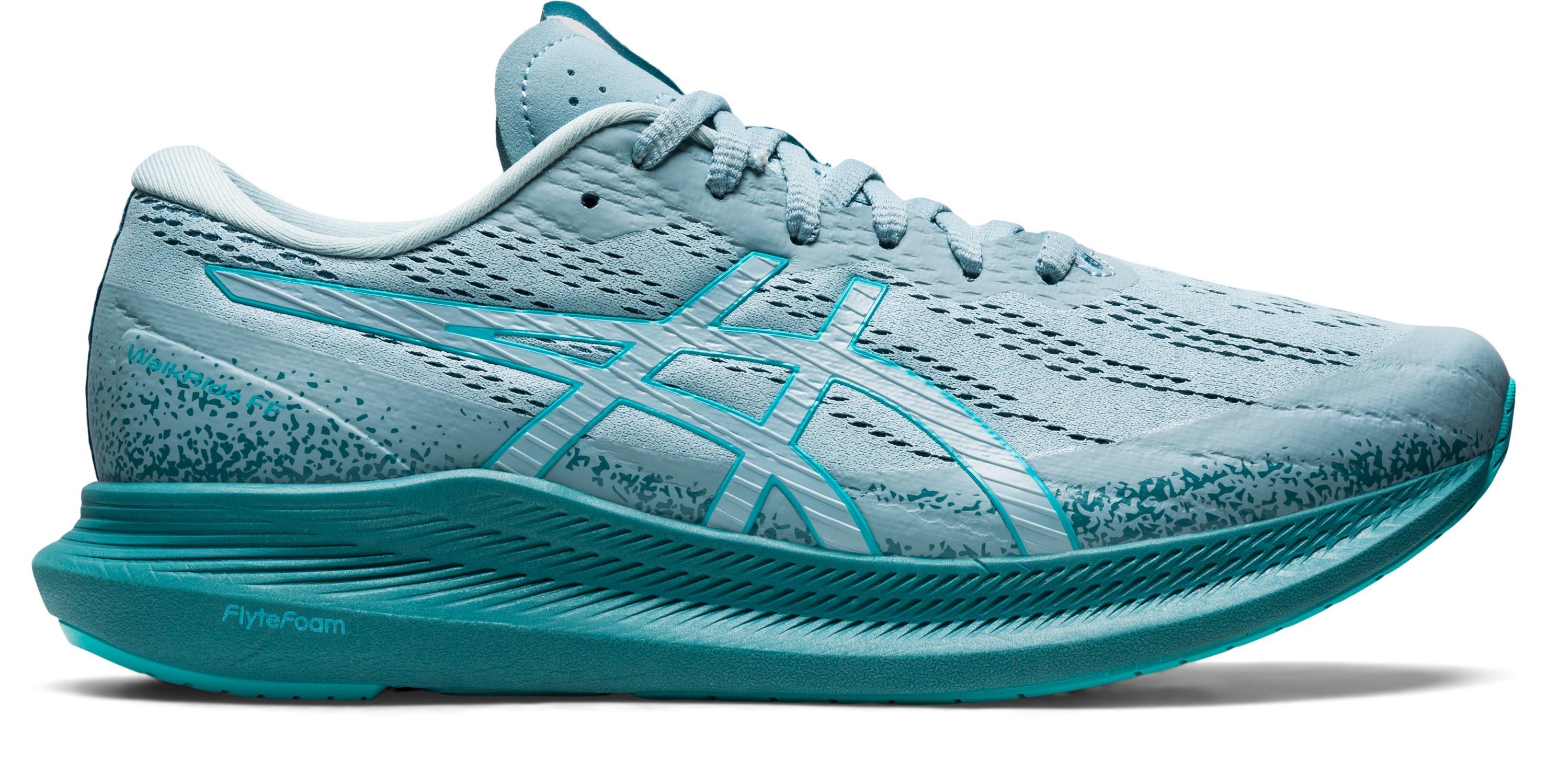
Armed with this knowledge, your shopping journey becomes one of discernment rather than confusion. Start by getting your feet professionally measured, as size can change over time. Shop in the afternoon when feet are naturally slightly swollen. Reputable specialty running or walking stores often have staff trained in basic gait analysis. When evaluating options, remember that the most expensive shoe is not necessarily the best for you; the correct fit and feature set for your foot type are paramount. The good news is that premium podiatrist recommended walking shoes from brands like ASICS, New Balance, Brooks, and HOKA often go on sale, especially during seasonal transitions or major shopping holidays. For instance, the ASICS Gel-Kayano or New Balance 990 series, frequently lauded by podiatrists for their stability, can be found at discounted prices with diligent searching. We bring this professional knowledge to you not as an abstract lecture, but as a practical tool. By understanding the science behind the support, you can confidently identify true value—shoes that offer podiatrist-endorsed features at a price that respects your budget, investing not in a trend, but in your long-term mobility and pain-free movement.
Choosing the right walking shoe is a decisive act of self-care. It moves beyond aesthetics into the realm of preventative health. The journey through the science of biomechanics, the scrutiny of materials, and the prioritization of key features all leads to one clear destination: informed empowerment. Podiatrist recommended walking shoes represent a convergence of medical insight and footwear engineering, designed to protect your foundation. By applying these principles, you are not just buying a product; you are selecting a partner for every path you take, ensuring each step is met with the ultimate comfort and support your body deserves. Let your next step be your most confident one yet.
