

Discover the Perfect Pair: Podiatrist Recommended Walking Shoes for All-Day Comfort
Your feet are the foundation of your movement, bearing the weight of your entire body with every step you take. When they hurt, your entire world can contract to the size of that persistent ache. The quest for footwear that offers genuine, lasting comfort is not merely a matter of fashion or casual preference; it is a fundamental investment in your physical well-being and daily quality of life. This is where the specialized guidance of a podiatrist becomes invaluable. Podiatrist recommended walking shoes are not a marketing gimmick but a category born from clinical insight into biomechanics, common foot pathologies, and the science of support. These shoes are engineered to align with the natural structure and function of the foot, providing a stable platform that can prevent discomfort, mitigate existing issues, and transform walking from a chore into a pleasure. This article delves into the core principles behind these recommendations, offering you the knowledge to make an informed choice that brings professional-grade comfort to your doorstep, often at surprisingly accessible price points.
:max_bytes(150000):strip_icc()/podiatrist-recommended-walking-shoes-e1b90077185d4e6cadbf6327c4d17db7.jpg)
The Foundation: Why Biomechanics Matter More Than Brand Names
To understand the value of a podiatrist recommended walking shoe, one must first grasp the basics of foot biomechanics. According to resources from institutions like the American Podiatric Medical Association (APMA) and academic literature from universities such as the University of Pittsburgh School of Medicine, the human foot is a complex structure of 26 bones, 33 joints, and over 100 muscles, tendons, and ligaments. Its primary functions are shock absorption, adaptation to uneven surfaces, and providing a rigid lever for propulsion. When any part of this system is compromised—be it through overpronation (excessive inward roll), supination (outward roll), or a lack of arch support—the resulting imbalance can travel up the kinetic chain, leading to pain in the ankles, knees, hips, and even the lower back. A podiatrist analyzes these gait patterns. A shoe that earns their recommendation is one designed to correct or accommodate these biomechanical realities. It’s not about the flashiest logo; it’s about how the shoe’s last (its shape), midsole composition, and heel counter work in concert to stabilize the foot. For instance, a study cited in the Journal of Foot and Ankle Research emphasizes the role of firm heel counters in controlling rearfoot motion, a feature consistently found in clinically endorsed footwear. Therefore, selecting such a shoe is a proactive step in preserving your musculoskeletal health, a fact underscored by countless professional opinions shared on platforms like YouTube by certified podiatrists who break down the “why” behind their product endorsements.
Decoding the Key Features: From Heel to Toe
What specific elements transform an ordinary sneaker into a podiatrist-approved workhorse? The answer lies in a checklist of non-negotiable features. First, arch support is paramount. Unlike generic insoles, the support in these shoes is often contoured to match the medial longitudinal arch, preventing it from collapsing and combating overpronation. Second, consider the midsole cushioning. Materials like EVA (ethylene-vinyl acetate) foam or proprietary compounds like Brooks’ DNA LOFT or ASICS’ GEL are not just soft; they are engineered for resilient shock absorption that doesn’t bottom out after a few months of use. Third, a rigid heel counter—the firm cup at the back of the shoe—is crucial for locking the heel in place, preventing slippage and providing essential stability. Fourth, a roomy toe box allows the toes to splay naturally upon foot strike, reducing the risk of conditions like bunions or neuromas. As noted on authoritative health websites like WebMD and patient education materials from the Mayo Clinic, cramped toe boxes are a common culprit in forefoot pain. Finally, the rocking sole or specific heel-to-toe drop facilitates a smooth gait cycle, reducing strain on the Achilles tendon and calf muscles. When you see the APMA Seal of Acceptance on a shoe, it signifies that a committee of podiatrists has evaluated these features and found them beneficial for foot health. This seal is a trusted shortcut for consumers seeking podiatrist recommended walking shoes.
:max_bytes(150000):strip_icc()/tal-roundup-podiatrist-loved-shoes-on-sale-tout-bdbf5721fa5642efa38b61f6a5b4ff34.jpg)
Beyond Comfort: Addressing Common Foot Conditions
The right shoe functions as a therapeutic device. For individuals managing specific conditions, podiatrist recommended walking shoes are often part of a non-invasive treatment plan. Take plantar fasciitis, an inflammation of the band of tissue connecting the heel to the toes. The stabbing heel pain, especially with the first steps in the morning, can be debilitating. Podiatrists, in forums on Quora and in clinical guidelines, consistently recommend shoes with excellent arch support and cushioning to reduce tension on the plantar fascia. Similarly, for those with diabetes, neuropathy (nerve damage) can lead to a loss of sensation. A seemingly minor blister or pressure point can escalate into a serious ulcer. Therefore, diabetic-friendly shoes, often bearing podiatrist recommendations, feature seamless interiors, extra-depth designs, and protective cushioning to minimize friction and pressure. Bunions and hammertoes require shoes with a wide and high toe box to avoid painful rubbing. The underlying principle, echoed in literature from Harvard Medical School, is that offloading pressure and providing proper alignment can alleviate symptoms and improve mobility. It’s a form of daily, preventative care that happens with every step you take.
The Intersection of Professional Knowledge and Consumer Savvy: Finding Value
One might assume that such specialized footwear carries a prohibitive price tag. While investing in quality is investing in health, savvy shopping can yield significant value. The key is to understand when and where to buy. Many top brands that consistently produce podiatrist recommended walking shoes—such as New Balance, Brooks, ASICS, and HOKA—release new models annually. This creates a natural cycle where previous generations, which are still technologically excellent, see substantial discounts. End-of-season sales, holiday promotions, and clearance events on the brands’ official websites or authorized retailers are prime opportunities. Furthermore, subscribing to newsletters from specialty running or walking stores often grants access to exclusive discounts. The professional knowledge lies in knowing which model suits your foot type (neutral, overpronation, etc.), which can be determined through gait analysis offered at many specialty stores. Once you know your ideal model—say, the Brooks Adrenaline GTS for stability—you can hunt for that specific shoe on sale. This strategy brings high-end, clinically-backed footwear within reach. Remember, the cost of a quality pair of podiatrist recommended walking shoes, even at full price, often pales in comparison to the potential costs of ongoing foot treatments, orthotics, or lifestyle limitations due to pain.

A Personal Journey: From Foot Fatigue to All-Day Ease
Let’s shift perspective to the second person. Imagine you, the reader, spend hours on your feet at work or cherish long, ambling weekend walks. You’ve tried countless pairs, seduced by sleek designs, only to find your feet aching, your knees complaining, and your energy sapped by midday. The turning point comes when you decide to prioritize function. You visit a specialty store, have your gait analyzed, and try on a pair of shoes that feel different—not just soft, but supportively soft, with a heel that hugs and an arch that feels like it’s lifting you. You take them for a test walk. The difference is not subtle. The persistent ache in your plantar fascia begins to fade after a week of consistent wear. Your usual three-mile walk feels easier, and you finish feeling energized rather than depleted. This transformation is the real-world payoff of heeding professional advice. It’s the experience described in countless user reviews and testimonials on retailer sites, where people express surprise and relief at how a simple change in footwear restored their ability to enjoy movement. Your shoes cease to be an afterthought and become a trusted tool for your active life.
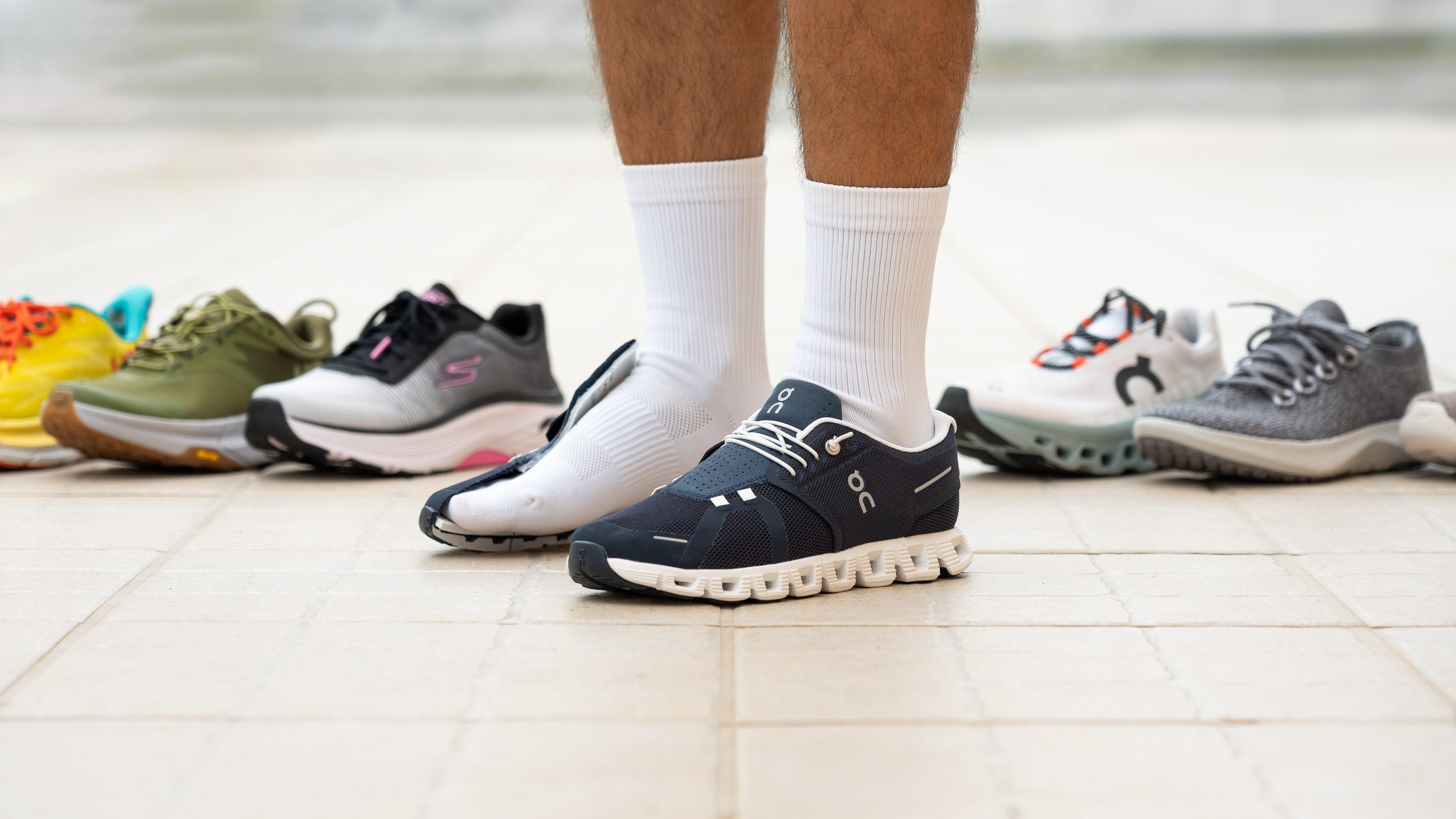
Making the Informed Choice: Your Path to Perfect Pair
The journey to discovering your perfect pair is both a science and a personal exploration. It begins with self-assessment: Do you have high arches or flat feet? Do you experience heel pain or inner knee ache? Resources like Baidu Baike offer detailed explanations of foot types and common ailments, providing a starting point for your research. Next, seek out the brands and models that consistently receive the APMA Seal or are frequently endorsed by podiatrists in media roundups. Don’t be swayed by trends; focus on the feature list that matches your needs. When possible, shop in the afternoon, as feet naturally swell throughout the day. Ensure there’s a thumb’s width of space between your longest toe and the end of the shoe. The ultimate test is how they feel during sustained walking, not just standing. The market today brilliantly marries technology with aesthetics, proving that podiatrist recommended walking shoes no longer sacrifice style for substance. You can find options that look as good as they feel, suitable for everything from a clinical setting to a casual outing. By applying this blend of professional knowledge and consumer awareness, you empower yourself to step into all-day comfort, protecting your foundation for all the miles ahead.
Your feet carry you through life. Choosing footwear designed with clinical insight and biomechanical integrity is one of the most direct and effective acts of self-care you can perform. It is a decision that pays dividends in comfort, mobility, and long-term health, proving that the right support underfoot is the first step toward a more active and pain-free day.
