

Discover the Best Podiatrist Recommended Walking Shoes for All-Day Comfort
Your feet are the foundation of your movement, and the shoes you choose can either be a source of relentless support or a catalyst for chronic discomfort. The quest for all-day comfort isn’t about fleeting trends; it’s a physiological necessity rooted in biomechanics, material science, and professional healthcare insight. This guide cuts through the marketing noise to deliver a definitive resource on podiatrist recommended walking shoes, merging objective scientific explanations with actionable advice to transform your daily stride.
The Foundation of Foot Health: Why Expert Recommendation Matters
Walking is a complex symphony of biomechanical events. With each step, your foot undergoes a sequence of pronation (rolling inward) and supination (rolling outward) to absorb shock and adapt to terrain. A shoe that disrupts this natural gait cycle can lead to a cascade of issues, from plantar fasciitis and metatarsalgia to knee, hip, and back pain. Podiatrists, as doctors specializing in the foot, ankle, and related structures of the leg, analyze these mechanics daily. Their recommendations are not based on brand loyalty but on clinical evidence of a shoe’s ability to provide stability, cushioning, and appropriate motion control. As Dr. Jacqueline Sutera, a New York City-based podiatrist, often notes in media interviews, “A good walking shoe acts as a functional tool, not just a fashion accessory. It should have a rigid heel counter, a supportive arch, and flexibility at the ball of the foot.” This professional perspective shifts the focus from aesthetics to ergonomics, ensuring the footwear aligns with the intricate architecture of the human foot.
:max_bytes(150000):strip_icc()/podiatrist-recommended-walking-shoes-e1b90077185d4e6cadbf6327c4d17db7.jpg)
Decoding the Anatomy of a Superior Walking Shoe
Midsole Cushioning: The Primary Shock Absorber
The midsole is the heart of a walking shoe’s comfort, located between the outsole and the upper. Its primary function is to attenuate the ground reaction forces that travel up your skeleton with each heel strike. Materials like ethylene-vinyl acetate (EVA), polyurethane (PU), and proprietary compounds like Brooks’ DNA LOFT or ASICS’ GEL are engineered for this purpose. According to biomechanics literature from institutions like the University of Calgary’s Human Performance Laboratory, effective cushioning reduces peak loading rates, which is crucial for preventing stress fractures and joint degeneration. However, cushioning is not synonymous with softness. A podiatrist recommended walking shoe often features a balanced midsole: soft enough to comfort, yet firm and resilient enough to provide stability and prevent excessive foot roll. This “responsive” cushioning returns energy to the walker, reducing muscular fatigue over long distances. It’s a precise calibration that separates a casual sneaker from a purpose-built walking tool.
Heel Counter and Arch Support: The Pillars of Stability
Stability in footwear is non-negotiable for healthy ambulation. The heel counter—the firm cup at the back of the shoe—is critical. A study cited in the Journal of Foot and Ankle Research emphasizes that a rigid heel counter minimizes calcaneal (heel bone) eversion, controlling excessive pronation. When you try on a shoe, you should feel a secure, snug hold around your heel without slippage. Equally vital is arch support. The medial longitudinal arch of the foot is a key weight-bearing structure. Shoes with insufficient support can lead to the arch collapsing, overstretching the plantar fascia ligament—a primary cause of plantar fasciitis. Many podiatrist recommended walking shoes incorporate thermoplastic urethane (TPU) arch shanks or molded EVA footbeds that contour to the arch, distributing pressure evenly. This design principle is supported by the American Podiatric Medical Association (APMA), which grants its Seal of Acceptance to products found to promote good foot health.
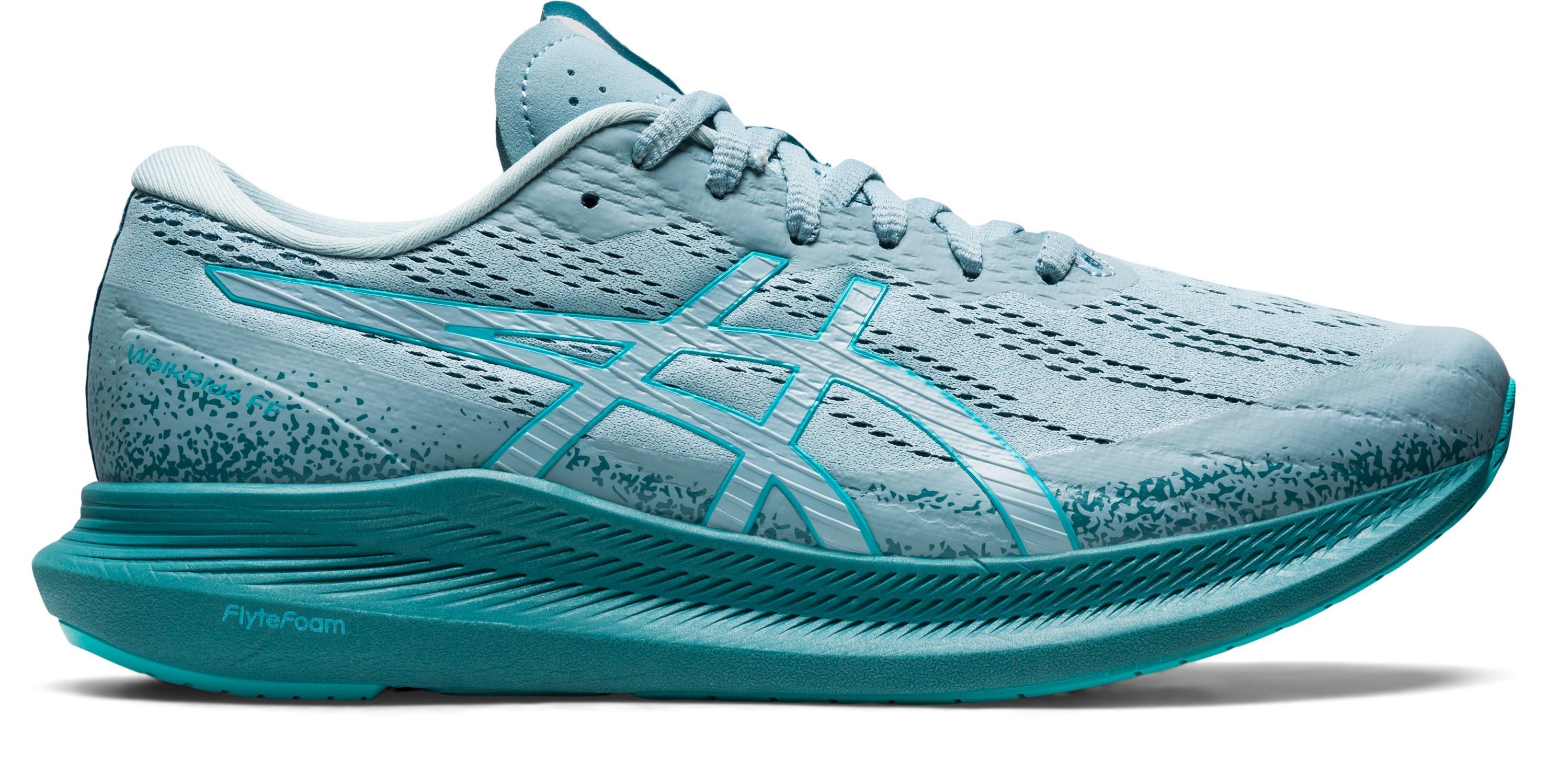
Navigating the Market: Categories of Podiatrist-Approved Footwear
The world of walking shoes is broadly segmented into three categories based on foot type and gait: neutral, stability, and motion control. Understanding your own biomechanics is the first step. You can perform a simple “wet test” (examining the footprint left on a dry surface after stepping out of water) to see if you have a high, neutral, or low arch. Neutral shoes are designed for efficient, biomechanically efficient walkers with neutral pronation. They offer ample cushioning and flexibility. Stability shoes, often the most commonly podiatrist recommended walking shoes, feature dual-density midsoles and supportive bridges to gently correct mild to moderate overpronation. Motion control shoes are the most robust, built for severe overpronators or larger individuals, with extended medial posts and maximum rearfoot control. Brands like New Balance, Brooks, and ASICS have built their reputations on refining these categories. As noted on authoritative running and walking sites like Runner’s World, the best shoe is the one that matches your individual footprint, not necessarily the top-rated model.
The Intersection of Technology and Comfort: Material Innovations
Modern walking shoes are feats of material engineering. Upper materials have evolved from heavy leather to engineered meshes that provide strategic breathability and stretch. Seamless interiors reduce the risk of blisters and hot spots. In the midsole, advancements like Adidas’ Boost or Nike’s React foam offer unprecedented levels of energy return and durability compared to traditional EVA. Furthermore, rocker soles—a design where the sole is curved upward at the toe and heel—have gained prominence. This design, frequently highlighted in podiatric journals for its therapeutic benefits, promotes a smoother gait roll-off, reducing strain on the Achilles tendon and calf muscles. It’s a feature increasingly found in podiatrist recommended walking shoes designed for those with diabetes or arthritis, as it minimizes pressure points and facilitates forward motion. These innovations are not mere marketing; they are direct responses to clinical observations about common foot pathologies.
:max_bytes(150000):strip_icc()/tal-roundup-podiatrist-loved-shoes-on-sale-tout-bdbf5721fa5642efa38b61f6a5b4ff34.jpg)
From Clinic to Pavement: Making an Informed Purchase
Knowledge is power, but application is key. When you decide to invest in a pair of podiatrist recommended walking shoes, timing and fit are everything. Shop for shoes in the late afternoon or evening, as feet naturally swell throughout the day. Always wear the socks you intend to walk in. There should be about a thumb’s width of space between your longest toe and the end of the shoe. Don’t rely on the number; fit can vary dramatically between brands and even models. Walk around the store extensively, paying attention to any pinching, sliding, or pressure. Remember, a shoe should feel supportive and comfortable from the first step; the myth of a long “break-in” period is often a warning sign of poor fit. Reputable specialty running stores often employ staff trained in gait analysis, providing a service akin to a preliminary podiatric consultation. This hands-on approach ensures the sophisticated technology within the shoe works in harmony with your unique physiology.
Investing in Wellness: The Long-Term Value Proposition
It’s tempting to view high-quality walking shoes as an expensive purchase. However, when framed as an investment in preventative healthcare, the value becomes clear. Consider the cost of treating a single case of plantar fasciitis: co-pays for doctor visits, physical therapy sessions, orthotics, and lost productivity due to pain. A single pair of properly fitted, professionally recommended shoes, typically ranging from $120 to $160, can prevent these issues. Furthermore, the durability of these shoes means they offer cost-per-mile value. Most podiatrists and shoe experts recommend replacing walking shoes every 300-500 miles, as the midsole materials compress and lose their protective properties. By choosing a well-constructed shoe from the start, you’re not just buying a product; you’re subscribing to a philosophy of proactive foot care that supports your entire kinetic chain, from your soles to your spine.
:max_bytes(150000):strip_icc()/I-Asked-Podiatrists-for-Their-Fall-Shoe-Recommendations-These-Are-Their-Top-8-Picks-8fbdf9d65f3a4228ae63f6e5253dc08c.jpg)
Your journey toward all-day comfort begins with a single, well-supported step. By prioritizing the principles of podiatric science—targeted cushioning, unwavering stability, and personalized fit—you transcend ordinary footwear. You select a partner engineered for the remarkable biomechanics of the human foot. Let this knowledge guide you to a pair that doesn’t just carry you through your day, but actively enhances every mile of your journey.
