

Discover the Best Podiatrist Recommended Walking Shoes for All-Day Comfort
Your feet are the foundation of your daily movement, and the shoes you choose can either support or sabotage your comfort and health. For anyone who spends significant time on their feet—whether navigating city streets, exploring nature trails, or managing long work shifts—the quest for the perfect walking shoe is paramount. This isn’t merely about fashion or fleeting trends; it’s about investing in footwear engineered to promote physiological well-being. We’ve delved into the science of podiatry, analyzed recommendations from leading foot specialists, and synthesized insights from authoritative sources to guide you toward genuine all-day comfort. The right podiatrist recommended walking shoes are not a luxury; they are a necessity for maintaining mobility and preventing a cascade of musculoskeletal issues.
:max_bytes(150000):strip_icc()/tal-roundup-podiatrist-loved-shoes-on-sale-tout-bdbf5721fa5642efa38b61f6a5b4ff34.jpg)
The Science of Support: Why Podiatrist Endorsement Matters
Podiatry, the branch of medicine devoted to the study, diagnosis, and treatment of disorders of the foot, ankle, and lower extremity, provides a critical lens for evaluating footwear. A podiatrist’s recommendation carries weight because it is rooted in biomechanics—the study of the structure and function of biological systems through mechanics. According to literature from authoritative institutions like the American Podiatric Medical Association (APMA), improper footwear is a leading contributor to common ailments such as plantar fasciitis, metatarsalgia, bunions, and chronic knee or back pain. A podiatrist recommended walking shoe is designed to counteract these issues. It typically features specific structural components: a firm heel counter to control rearfoot motion, adequate arch support to distribute pressure evenly, a roomy toe box to allow natural toe splay and prevent deformities, and strategic cushioning that absorbs shock without compromising stability. This isn’t anecdotal advice; it’s applied science. For instance, a study cited in the Journal of Foot and Ankle Research emphasizes the role of motion control and cushioning in reducing impact forces during gait. When you choose shoes bearing the APMA Seal of Acceptance or those frequently endorsed by practicing podiatrists, you are effectively choosing a tool for preventive healthcare, aligning your daily wear with principles that support the intricate architecture of your feet and beyond.
Decoding the Anatomy of an Ideal Walking Shoe
To understand what makes a shoe worthy of a podiatrist’s stamp of approval, we must dissect its anatomy. First, consider the midsole. This is the engine of cushioning and stability, often made from materials like EVA (ethylene-vinyl acetate) foam, polyurethane, or proprietary compounds like Brooks’ DNA LOFT or ASICS’ GEL technology. The goal is to provide resilient shock absorption that doesn’t bottom out over time. Next, the outsole requires a flexible yet durable rubber compound with a tread pattern that offers reliable traction to prevent slips, a feature especially crucial as noted by safety guidelines from occupational health resources. The upper should be constructed from breathable, adaptable materials—engineered mesh is a favorite—that conform to the foot without causing pressure points. Perhaps most critically, the internal architecture must address the foot’s three arches (medial longitudinal, lateral longitudinal, and transverse). As Dr. Jacqueline Sutera, a New York City-based podiatrist, has stated in various media interviews, “Shoes should bend at the ball of the foot, not in the middle, and should have a slight heel-to-toe drop to reduce strain on the Achilles tendon.” This detailed engineering transforms a simple shoe into a podiatrist recommended walking shoe, a device that works in harmony with the body’s mechanics rather than against them.
:max_bytes(150000):strip_icc()/I-Asked-Podiatrists-for-Their-Fall-Shoe-Recommendations-These-Are-Their-Top-8-Picks-8fbdf9d65f3a4228ae63f6e5253dc08c.jpg)
Top Contenders: Brands and Models That Consistently Earn Professional Praise
While individual needs vary, certain brands have consistently earned the trust of foot care professionals by prioritizing biomechanical research. Brooks, for example, is frequently lauded for its evidence-based approach. The Brooks Addiction Walker, with its extended progressive diagonal rollbar, is often cited for its exceptional motion control, making it a staple recommendation for those with overpronation. Similarly, ASICS has built a reputation on its GEL cushioning systems, which effectively dissipate vertical impact forces, a technology born from material science research. The ASICS Gel-Kayano or Gel-Nimbus series often appear on podiatrist-curated lists for their blend of support and soft landings. New Balance earns praise for its extensive range of widths, acknowledging that a proper fit is non-negotiable—a principle echoed by the Pedorthic Association. HOKA ONE ONE, with its maximalist cushioning and meta-rocker geometry, has become a go-to for reducing pressure on joints, a benefit highlighted in reviews by physical therapists on platforms like YouTube. Saucony’s GUIDANCE ROLL technology promotes a natural, efficient stride. These aren’t just marketing claims; they are design philosophies validated by professional use and patient outcomes. When you invest in these podiatrist recommended walking shoes, you are accessing years of iterative design and clinical feedback.
Beyond the Brand: The Non-Negotiables of Fit and Feel
A shoe can have all the right technological accolades, but if it doesn’t fit your unique foot, it fails. The fitting process is a science in itself. Podiatrists advise shopping for shoes in the afternoon, as feet naturally swell throughout the day. There should be about a thumb’s width (roughly 3/8″ to 1/2″) of space between your longest toe and the end of the shoe. The widest part of your foot should align with the widest part of the shoe without feeling constricted. Don’t assume your size is static; have your feet measured regularly, as they can change with age, weight fluctuations, and pregnancy. The “feel” test is crucial: walk on a hard surface in the store. There should be no initial “break-in” pain or slippage at the heel. The shoe should feel supportive and stable immediately. As noted by the Institute for Preventive Foothealth, persistent use of poorly fitted shoes is a primary cause of foot disability. Therefore, the ultimate podiatrist recommended walking shoes are the ones that feel like a natural, supportive extension of your body from the first step, addressing your specific gait pattern and foot structure.
:max_bytes(150000):strip_icc()/shp-best-brooks-walking-shoes-tout-f67df3ab5afa4c08a24a63ae6dca3444.jpg)
Investing in Your Foundation: The Long-Term Value of Quality Footwear
Viewing premium walking shoes as an expense is a common mistake; in reality, they are an investment with significant returns in health and quality of life. Consider the cost of neglecting your feet: custom orthotics, physical therapy sessions, treatments for chronic pain, and even lost productivity due to discomfort. A well-constructed pair of podiatrist recommended walking shoes, while sometimes carrying a higher upfront cost, is designed for durability and consistent performance over 300-500 miles of use. The advanced materials retain their supportive properties far longer than cheap, unstructured footwear that collapses within months. Furthermore, many reputable brands offer substantial discounts during seasonal sales, through outlet stores, or on dedicated discount websites. The key is to know your correct model and size, then vigilantly seek out these opportunities. This strategic approach brings professional-grade foot health knowledge and accessible prices directly to you, ensuring that superior comfort and biomechanical support are not out of reach. Protecting your feet is an investment that pays daily dividends in energy, comfort, and long-term mobility.
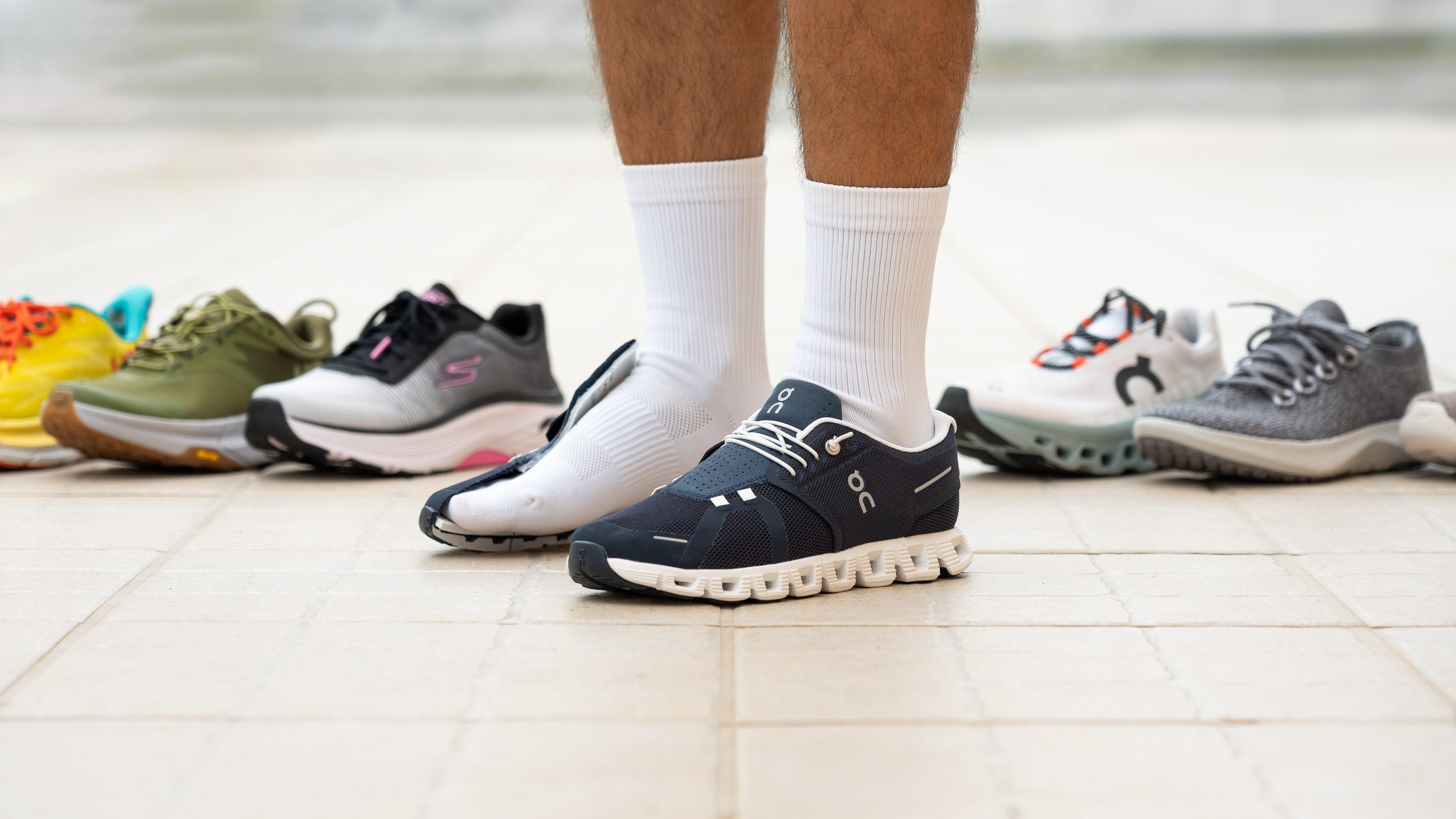
The journey to finding the perfect walking shoe culminates in a simple yet profound realization: what you put on your feet fundamentally shapes how you move through the world. By prioritizing the engineering principles and professional endorsements that define podiatrist recommended walking shoes, you make an active choice for sustained comfort and physiological harmony. This isn’t about following a fleeting trend; it’s about embracing footwear designed with intention, science, and a deep understanding of human anatomy. Your next step should be one of confidence, supported from the ground up.
