

How to Wear Low-Heel Ankle Boots for Every Season
Low-heel ankle boots are not just footwear; they are a cornerstone of versatile, year-round style. These boots offer a unique blend of comfort, support, and aesthetic appeal that transcends fleeting trends. Whether you’re navigating city streets or attending a casual gathering, the right pair of women’s ankle boots low heel can elevate your entire ensemble. This guide will demonstrate how to integrate this essential item into your wardrobe across all seasons, backed by practical advice, stylistic insights, and objective knowledge.
The Foundation: Understanding Low-Heel Ankle Boots
Before diving into seasonal styling, it’s crucial to understand what defines this category. Ankle boots, or booties, are footwear that covers the foot and ankle but stops below the calf. The “low heel” specification typically refers to a heel height between 0.5 to 2 inches (approximately 1.5 to 5 cm), often in a block, kitten, or modest wedge shape. This design prioritizes stability and comfort over dramatic elevation. From a biomechanical perspective, a low heel can offer a slight reduction in strain on the Achilles tendon compared to completely flat shoes, while still maintaining a low center of gravity for better balance. As noted by the American Podiatric Medical Association, excessively high heels can alter posture and increase pressure on the forefoot, making the women’s ankle boots low heel a scientifically smarter choice for prolonged wear. The versatility of this style is celebrated across fashion platforms, from Vogue’s seasonal round-ups to countless style blogs, cementing its status as a perennial staple rather than a passing fad.

Spring: Renewal and Transitional Layering
Spring is the season of transition, where the crisp air of winter gives way to gentle warmth. Your women’s ankle boots low heel become the perfect bridge between heavy winter boots and lightweight summer sandals. Opt for materials like suede or polished leather in neutral tones such as taupe, blush, or light grey. These shades complement the pastel palette often associated with spring. A quintessential look involves pairing your ankle boots with a flowing midi dress and a denim jacket. The juxtaposition of the feminine dress with the grounded, structured boot creates a balanced and modern silhouette. Alternatively, for a more casual approach, style them with cropped, straight-leg jeans that hit just above the boot’s shaft. This showcases the boot’s design and creates a clean line. Consider the words of fashion icon Iris Apfel: “Style is about self-expression and, above all, attitude.” The attitude in spring is one of optimistic renewal, and a comfortable, chic boot allows you to stride confidently into that new energy. The low heel ensures you can navigate unpredictable spring showers and uneven pavements without a second thought, making them as practical as they are stylish.

Summer: Defying Conventions with Breathable Style
The idea of boots in summer may seem counterintuitive, but with the right design, it’s a fashion-forward move that champions versatility. The key is to choose boots crafted from breathable materials or with strategic cut-outs. Think perforated leather, woven fabrics, or even light canvas. A pair of women’s ankle boots low heel in a light tan or white can be surprisingly complementary to summer whites and linens. Style them with tailored shorts and a crisp linen shirt for an elevated daytime look, or pair them with a sleek, minimalist sundress for an evening out. This combination challenges the seasonal uniform and adds an edge to soft summer fabrics. As the YouTube style educator and author, Alyssa Beltempo, often emphasizes, “Building a versatile capsule wardrobe is about choosing items that can work across multiple contexts.” A light-colored, breathable ankle boot does exactly that, transitioning seamlessly from a daytime market stroll to a sunset dinner. The low heel is non-negotiable here—it provides just enough lift to elongate the leg without the discomfort of a high stiletho on hot pavement, ensuring your style remains effortless and cool in every sense.
Autumn: The Quintessential Boot Season
Autumn is the undisputed zenith of boot season. The air turns crisp, leaves change, and your wardrobe calls for richer textures and layers. This is where women’s ankle boots low heel truly shine as the workhorse of your closet. Embrace materials like rich leather, nubuck, or even velvet in deep hues—oxblood, forest green, charcoal, and classic black. The iconic pairing is, of course, with skinny jeans or leggings tucked seamlessly into the boot shaft, topped with an oversized sweater and a scarf. However, for a more contemporary look, try them with a midi skirt in a autumnal print and opaque tights. The block heel provides stability on wet, leaf-covered paths. The philosophy here aligns with the concept of “hygge”—the Danish term for a quality of coziness and comfortable conviviality. Your autumn boots are a key component in creating that feeling of grounded warmth and prepared elegance. As the famous quote from the film The September Issue suggests, “Fashion is not about looking back. It’s always about looking forward.” The forward-looking autumn style is about intelligent layering, and a sturdy, low-heeled ankle boot is the foundational piece that makes those layers cohesive and functional.
Winter: Practicality Meets Polished Warmth
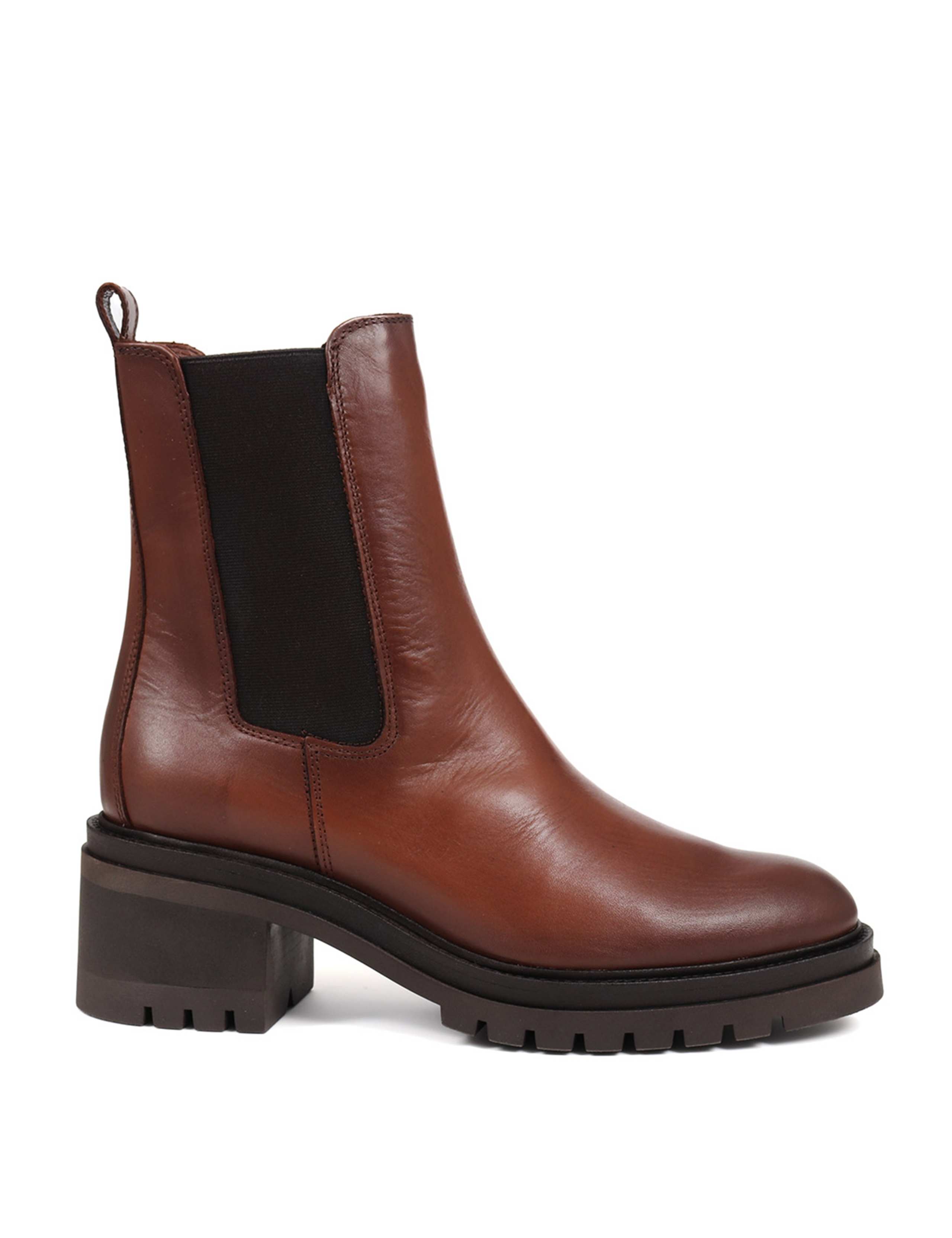
Winter demands footwear that can withstand the elements without sacrificing style. A well-chosen pair of low-heel ankle boots can meet this challenge head-on. Look for options with weather-resistant treatments, grippy rubber soles (like Vibram or similar), and preferably a lining for insulation. Shearling-lined or faux-fur trimmed boots offer exceptional coziness. The styling mantra for winter is “polished practicality.” Pair your boots with thick, wool-blend trousers or dark denim, ensuring the hem sits cleanly above the boot. Layering is essential: think thermal layers, chunky knits, and a tailored coat. The low, block heel is a safety feature in icy conditions, providing far more stability than a high heel or even some flat soles with poor traction. From a professional knowledge standpoint, the right winter boot should have a sealed seam construction to prevent moisture ingress and a toe box that allows for thermal socks without constriction. Investing in a quality pair from reputable brands often means access to discounted prices during end-of-season sales or special promotional events, making timeless winter-ready women’s ankle boots low heel an accessible luxury.

Building a Capsule Collection: The Essential Styles
To truly harness the power of this footwear, consider building a small capsule collection of two to three key styles. First, the classic Chelsea boot: defined by its elastic side panels and pull tab, it’s a slip-on style championed by mod culture and remains a symbol of effortless cool. Second, a zipped ankle bootie, which offers a sleek, modern line and adjustable fit. Third, a lace-up or combat-inspired style, which adds a touch of utilitarian edge. Each of these can be found in a low-heel variant, ensuring comfort across all your activities. The economic principle of cost-per-wear applies perfectly here. While the initial investment in a quality leather pair might be higher, spreading that cost over hundreds of wears across multiple years and seasons makes it a profoundly rational choice. Brands often offer these core styles at discounted prices during major sales cycles, so strategic shopping is part of the savvy consumer’s skill set.
Ultimately, the mastery of wearing low-heel ankle boots lies in recognizing their inherent adaptability. They are a sartorial tool that bends to the mood of the season and the demands of your life. From the fresh blooms of spring to the deep frost of winter, a thoughtfully selected and styled pair provides a constant thread of confident, comfortable elegance. Let your choice in women’s ankle boots low heel be a declaration of intentional style—one that values enduring design, scientific comfort, and the intelligent versatility that modern living requires.
