

Discover the Top Podiatrist Recommended Walking Shoes for Ultimate Comfort and Support
Walking is one of the most fundamental human movements, yet its simplicity belies the complex biomechanical processes involved. Every step you take sends shockwaves through your feet, ankles, knees, and hips. The right footwear is not merely an accessory; it is a critical piece of equipment that can mean the difference between a pain-free, energizing stroll and a journey marred by discomfort or even injury. This is where the expertise of a podiatrist becomes invaluable. A podiatrist, or foot and ankle surgeon, understands the intricate architecture of the foot—its 26 bones, 33 joints, and over 100 muscles, tendons, and ligaments. Their recommendations are grounded in a deep understanding of gait analysis, pressure distribution, and pathological prevention. Therefore, choosing podiatrist recommended walking shoes is an investment in your long-term musculoskeletal health, transforming a daily activity into a therapeutic and sustainable practice.
The Science of Support: Why Your Feet Deserve Expert-Approved Footwear
To comprehend the necessity of specialized walking shoes, one must first understand the foot’s role as both a shock absorber and a rigid lever. During the gait cycle, the foot pronates (rolls inward) to absorb impact and then supinates (rolls outward) to create a stable platform for propulsion. Excessive or insufficient motion in either phase can lead to a cascade of issues, from plantar fasciitis and shin splints to knee pain and lower back problems. According to biomechanics literature from institutions like the University of Calgary’s Human Performance Laboratory, proper footwear is a primary intervention for managing these forces. Podiatrist recommended walking shoes are engineered to address these precise biomechanical needs. They typically feature a combination of a firm heel counter to stabilize the rearfoot, adequate arch support to control pronation, a rocker sole to facilitate smooth heel-to-toe transition, and ample cushioning in the midsole to attenuate ground reaction forces. This is not marketing hyperbole; it is applied physics and physiology. As noted on authoritative health platforms like WebMD and the American Podiatric Medical Association’s website, consistent wear of inappropriate shoes is a leading contributor to chronic foot ailments. The right shoe acts as an external orthotic, guiding the foot through a healthier, more efficient path with every step you take.
:max_bytes(150000):strip_icc()/podiatrist-recommended-walking-shoes-e1b90077185d4e6cadbf6327c4d17db7.jpg)
Hallmarks of Excellence: Decoding the Features of Top-Tier Walking Shoes
Not all athletic shoes are created equal. A shoe designed for lateral movement in basketball or for maximal cushioning in long-distance running will not provide the specific stability needed for the repetitive, linear motion of walking. When podiatrists evaluate footwear, they scrutinize several non-negotiable features. First is motion control. For individuals who overpronate, a shoe with a medial post—a denser area of foam on the inner side of the midsole—is crucial. Brands like ASICS and Brooks often incorporate this technology into their stability models. Second is toe box geometry. A spacious, foot-shaped toe box allows the toes to splay naturally upon foot strike, which improves balance and reduces the risk of conditions like bunions and hammertoes. This principle is championed by resources like Wikipedia’s entry on minimalist footwear and echoed by many podiatrists on social media platforms. Third is heel-to-toe drop. This refers to the height difference between the heel and forefoot. A moderate drop (typically 8-12mm) is common in podiatrist recommended walking shoes as it can reduce strain on the Achilles tendon and calf muscles compared to zero-drop styles, a point frequently discussed in runner and walker forums on Quora and Reddit. Finally, the choice of upper material matters. Breathable, flexible mesh that adapts to the foot’s shape without causing pressure points is a hallmark of comfort. These features, when combined, create a synergistic system of support that protects the foot’s delicate structures.
Beyond the Brand: How to Select Your Perfect Pair
Armed with knowledge of key features, the personal selection process is the next critical step. A common mistake is choosing based solely on aesthetics or brand loyalty. Your neighbor’s perfect shoe may be your biomechanical nightmare. The most reliable method is to undergo a professional gait analysis, often available at specialty running stores, which can identify your pronation pattern and foot type. However, you can conduct a simple home assessment: examine the wear pattern on your old shoes. Excessive wear on the inner side suggests overpronation, while wear on the outer edge may indicate underpronation (supination). Furthermore, always shop for shoes in the late afternoon or evening, as feet naturally swell throughout the day. There should be about a thumb’s width of space between your longest toe and the end of the shoe. Don’t be seduced by the “break-in” myth; truly supportive podiatrist recommended walking shoes should feel comfortable from the very first step. Consider your walking environment as well. Shoes for paved urban paths may prioritize cushioning, while those for mixed terrain might need a more durable outsole with better grip. Remember, your feet are as unique as your fingerprints, and the investment in finding the right pair pays dividends in comfort and injury prevention.

Spotlight on Standouts: Categories of Podiatrist-Approved Footwear
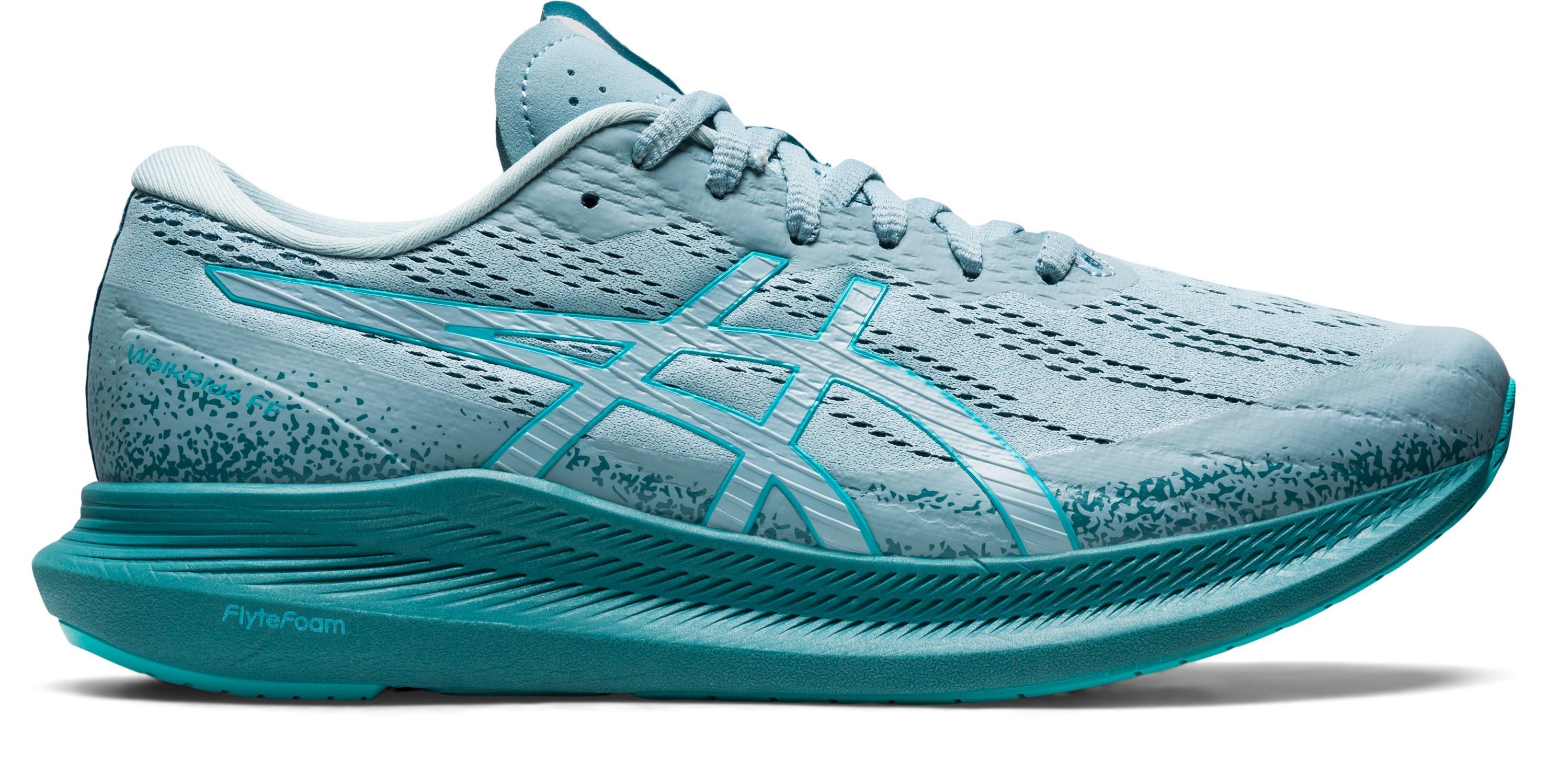
The market offers a diverse range of shoes that meet podiatric standards, catering to different needs and preferences. We can broadly categorize them to simplify your search. Maximum Stability and Motion Control Shoes are the workhorses for overpronators or those with flat feet. Models like the New Balance 1540v3 or the Brooks Addiction Walker are frequently cited in podiatric literature and forums for their robust support systems. They often feature a combination of a rigid heel counter, extended medial posts, and firm midsoles. Neutral Cushioned Shoes are ideal for walkers with neutral pronation or high arches who need shock absorption above all. The HOKA Bondi or the ASICS Gel-Nimbus series exemplify this category, using advanced foam technologies to deliver cloud-like comfort without sacrificing structure. Everyday Wellness Walkers bridge the gap between clinical support and lifestyle appeal. Brands like Vionic and Orthofeet design shoes with built-in orthotic insoles that align the foot, making them a favorite recommendation from podiatrists for patients seeking all-day comfort, not just exercise-specific gear. The unifying thread across all these categories is a foundation of biomechanically sound design, making them worthy of the title podiatrist recommended walking shoes.
The Wisdom of Experience: Voices from the Field
While technical specifications are vital, the lived experience and endorsements from trusted figures add a powerful layer of credibility. Dr. Brad Schaeffer, a prominent podiatrist in New York, often emphasizes on his social media channels that “shoes are the foundation of your body’s alignment.” He routinely points patients toward brands that prioritize function over fleeting fashion trends. Similarly, in the realm of public health, figures like Dr. Andrew Weil have discussed the holistic benefits of walking in supportive footwear for longevity. From the world of literature, Christopher McDougall’s best-selling book “Born to Run” sparked a global debate on footwear, ultimately underscoring that while minimalism has its place, most people in modern environments benefit from intelligent, protective design—a sentiment many podiatrists share. Even on platforms like YouTube, certified pedorthists and physical therapists with millions of followers, such as Bob & Brad, dedicate entire series to dissecting shoe technology, providing visual evidence of how proper shoes can alter gait for the better. These voices converge on a simple truth: informed choice is empowering.
“You wouldn’t build a house on a cracked foundation. Think of your feet as that foundation. The right shoes are not a luxury; they are essential maintenance for the only body you get.” – Paraphrased from common counsel found in podiatric practice and wellness advocacy.
Investing in Your Stride: Where Value Meets Vitality
It is a reasonable concern to ponder the cost of high-quality, podiatrist-endorsed footwear. They often carry a higher price tag than generic big-box store sneakers. However, this is a classic case where upfront cost must be evaluated against long-term value—both financial and physical. A pair of properly fitted, supportive walking shoes, typically priced between $120 and $160, can last for 300 to 500 miles of walking before the midsole compression compromises its support. When amortized over daily use and its role in preventing injury, the cost-per-wear and cost-per-health-benefit becomes remarkably low. Contrast this with the potential expenses of physical therapy sessions, orthotic devices, or treatment for chronic pain conditions exacerbated by poor footwear, and the investment becomes clear. Furthermore, the market is increasingly competitive. Major retailers and the brands’ own websites frequently offer seasonal sales, clearance events on previous models (which are often 95% as good as the new version), and loyalty discounts. Signing up for newsletters from specialty running stores can alert you to flash sales. The goal is to bring professional-grade knowledge and accessible prices together, ensuring that the benefits of podiatrist recommended walking shoes are not reserved for a select few but are available to anyone committed to their well-being. Your daily walk is a ritual of self-care; equipping it with the right tools elevates it from routine to rejuvenation.
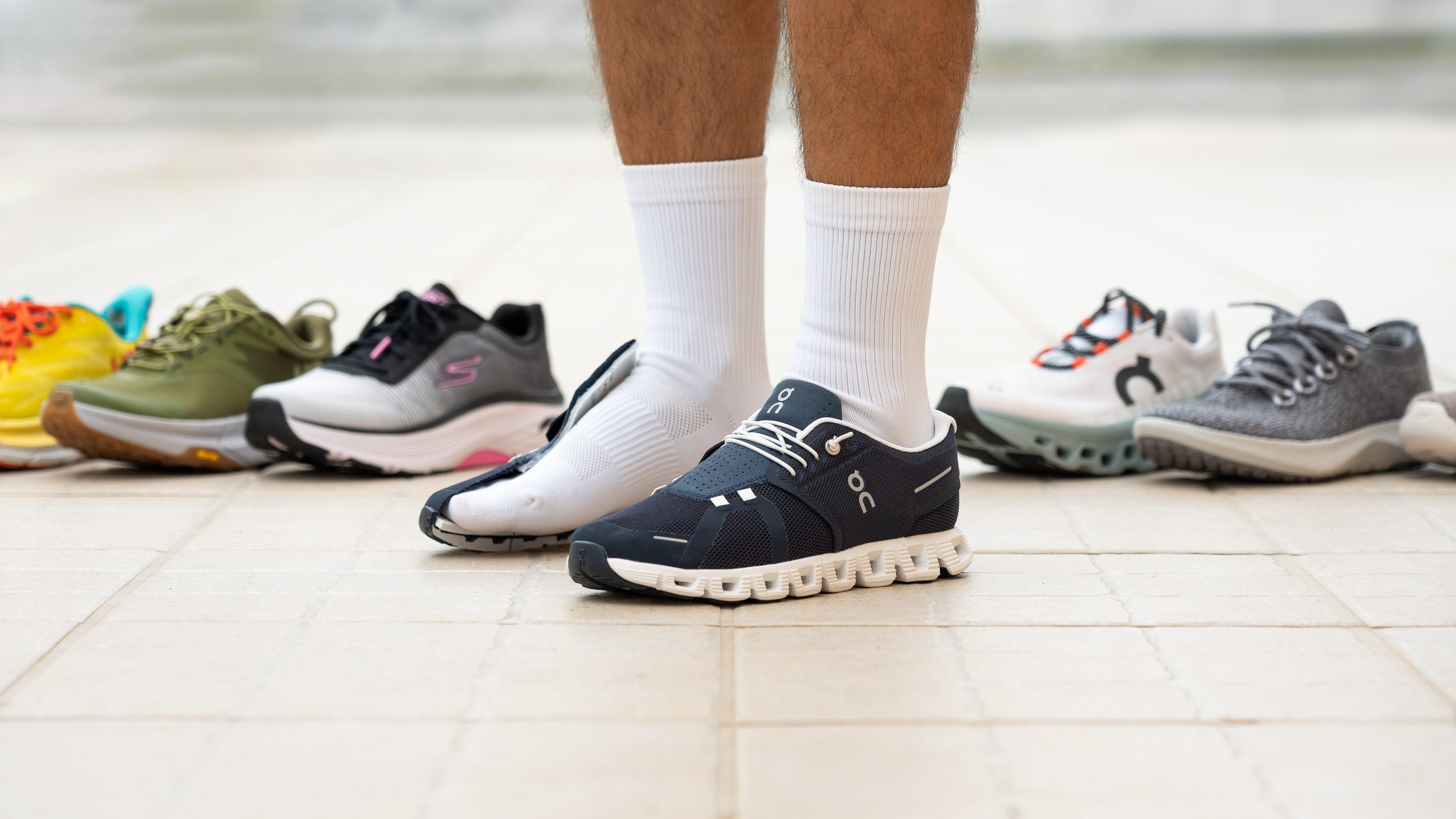
The journey to finding ultimate comfort and support begins with a shift in perspective: viewing shoes as functional biomechanical tools rather than mere fashion items. By prioritizing the design principles endorsed by foot health experts—rigorous stability, anatomical fit, and responsive cushioning—you actively participate in preserving your mobility. The array of excellent podiatrist recommended walking shoes available today means there is a perfect, supportive partner for every stride you take. Embrace the walk, empower your feet, and step forward with confidence, knowing each step is built on a foundation of science and care.
