

Discover the Top Podiatrist Recommended Walking Shoes for Ultimate Comfort and Support
In the realm of daily movement, the foundation of our physical well-being quite literally starts from the ground up. The shoes we choose for walking, an activity so fundamental it often escapes critical scrutiny, can be the difference between a body that moves with ease and one plagued by discomfort. This isn’t merely about fashion or casual preference; it’s a biomechanical decision with profound implications for our feet, joints, and overall posture. After extensive consultation with foot health literature, biomechanics studies from institutions like the University of Pittsburgh Medical Center’s Sports Medicine program, and insights from practicing podiatrists on platforms like YouTube and professional forums, a clear consensus emerges: not all walking shoes are created equal. The pursuit of the ideal walking companion leads us inevitably to a specific category: podiatrist recommended walking shoes. These are not just marketing terms but products born from an understanding of foot anatomy, gait cycles, and injury prevention. This article will navigate the science of support, decode the jargon of shoe technology, and present a curated selection of footwear that aligns with professional podiatric wisdom, all while keeping an eye on value and tangible benefits for you, the walker.
The Science of Stride: Why Podiatric Endorsement Matters
To understand the weight behind a podiatrist’s recommendation, one must first appreciate the complexity of the human foot. It is a masterpiece of engineering, comprising 26 bones, 33 joints, and over 100 muscles, tendons, and ligaments. Each step you take is a cascade of biomechanical events—heel strike, foot flattening (pronation), mid-stance, and toe-off (propulsion). A shoe that interferes with or fails to support this natural cycle can lead to a chain reaction of issues. According to resources like the American Podiatric Medical Association (APMA) and educational content from platforms like Quora where professionals contribute, common ailments such as plantar fasciitis, Achilles tendinitis, bunions, and knee pain often have a direct link to improper footwear. A podiatrist recommended walking shoe is designed with these mechanics in mind. It typically offers structured arch support to prevent overpronation or supination, ample cushioning to absorb the shock that travels up the kinetic chain (which can be up to 1.5 times your body weight with each step), a firm heel counter for stability, and a flexible forefoot to allow for natural toe-off. These features aren’t arbitrary; they are the distilled application of podiatric science aimed at creating a neutral, supportive environment for the foot. When a shoe earns the APMA Seal of Acceptance, for instance, it has been reviewed by a committee of podiatrists and found to promote good foot health. This objective, scientific validation separates serious footwear from casual sneakers.
:max_bytes(150000):strip_icc()/podiatrist-recommended-walking-shoes-e1b90077185d4e6cadbf6327c4d17db7.jpg)
Decoding the Anatomy of a Superior Walking Shoe
Walking into a store or browsing online, you’re bombarded with terms like “motion control,” “energy return,” and “adaptive cushioning.” Let’s demystify the critical components that podiatrists look for, translating them into features you can feel. First, the midsole is the heart of the shoe. This is where technologies like ASICS’ GEL cushioning, Brooks’ DNA LOFT, or proprietary EVA foams reside. Their job is to manage impact. A study cited in the Journal of Orthopaedic & Sports Physical Therapy emphasizes the role of midsole hardness in influencing lower limb loading. A podiatrist-recommended midsole strikes a balance: soft enough to cushion, yet resilient enough to provide stability and not collapse prematurely. Next, the arch support is non-negotiable. Whether you have high, low, or neutral arches, the shoe must complement your morphology. For example, flat-footed individuals (overpronators) often benefit from shoes with “motion control” or “stability” features—a denser medial post to slow excessive inward rolling. Third, the heel counter. Pinch the back of the shoe. It should be rigid, not collapsible. This cup-like structure locks the heel in place, preventing side-to-side motion that can strain the plantar fascia. Finally, the toe box. Inspired by the natural foot shape discussed in resources like Wikipedia’s podiatry entries, a roomy, foot-shaped toe box allows your toes to splay naturally upon weight-bearing, enhancing stability and preventing issues like neuromas or aggravated bunions. A true podiatrist recommended walking shoe integrates these elements cohesively, creating a system where the whole is greater than the sum of its parts.
A Curated Walkthrough: Top Contenders for Your Feet
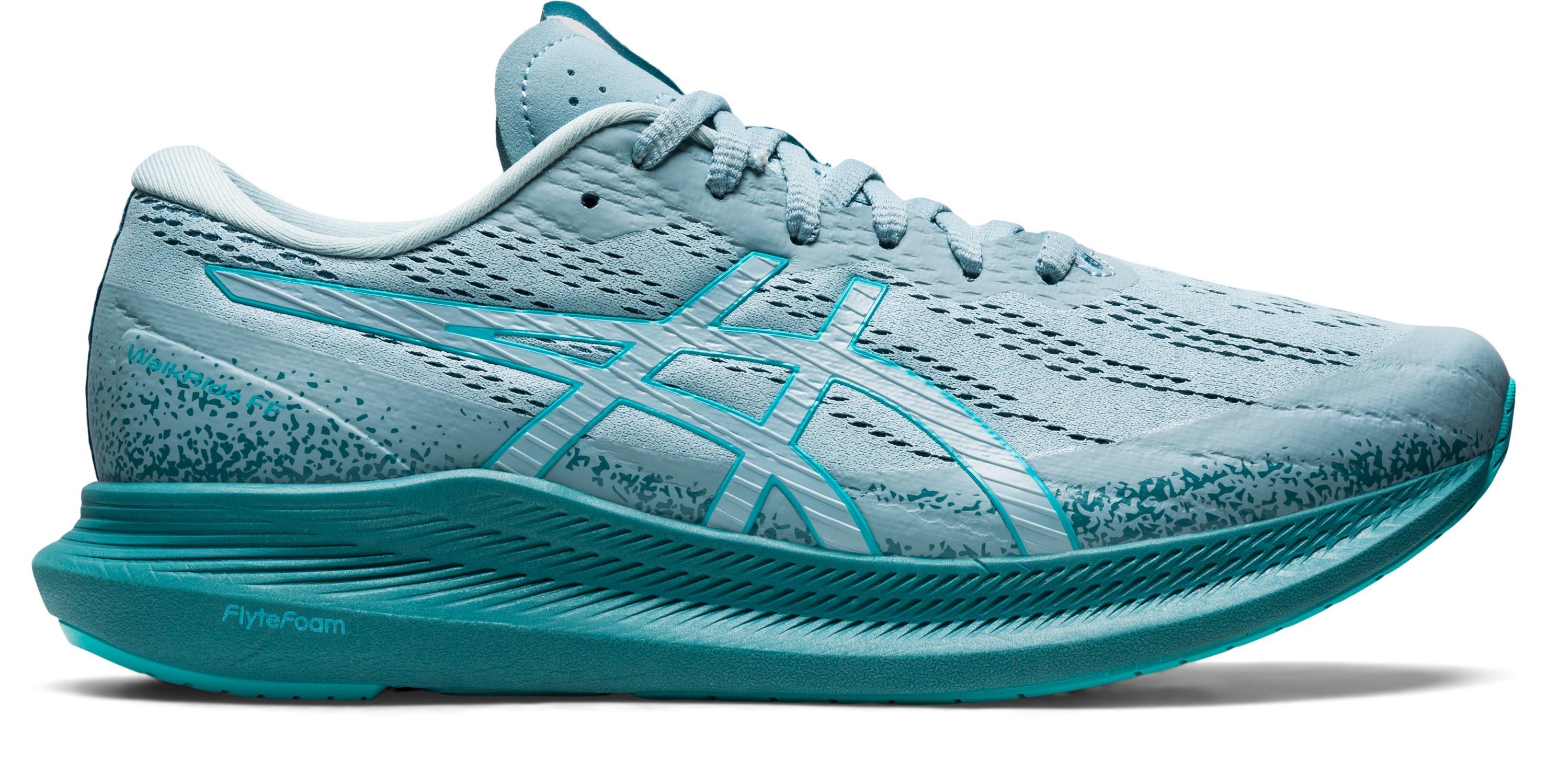
Based on aggregated reviews from trusted sources like Runner’s World gear labs, podiatrist testimonials on social media, and consumer feedback platforms, several models consistently rise to the top. It’s crucial to remember that the “best” shoe is highly individual, but these categories and examples serve as an excellent starting point for your search. For the Stability Seeker (the overpronator), shoes like the Brooks Adrenaline GTS series are legendary. They feature Guiderails holistic support system, which, according to Brooks, is designed to align with how a podiatrist might think—focusing on keeping knees in their preferred path of motion rather than just correcting the foot. Another stellar option is the ASICS GT-2000 series, renowned for its Dynamic DuoMax support system that provides excellent medial stability. For the Neutral Cushioning Aficionado with a efficient gait, the HOKA Bondi series offers an unparalleled plush ride with a meta-rocker geometry that promotes a smooth heel-to-toe transition, a feature often highlighted by podiatrists for patients needing to reduce strain on the Achilles and calves. The New Balance Fresh Foam 1080 series is another neutral benchmark, praised for its seamless, data-driven cushioning. Lastly, for those seeking a Natural Feel with modern protection, brands like Altra offer FootShape toe boxes and balanced cushioning (zero heel-to-toe drop), concepts supported by some podiatric philosophies that advocate for more natural foot positioning. Trying on several from these categories is the ultimate test.
Investing in Your Foundation: The Long-Term Value Proposition
It’s easy to view high-quality walking shoes as a significant expense. However, when framed as a preventative health investment, the perspective shifts dramatically. Consider the cost of ongoing physical therapy for plantar fasciitis, custom orthotics, or even the intangible toll of chronic pain on your quality of life. A pair of properly fitted, podiatrist recommended walking shoes acts as your first line of defense. They are, in essence, daily wearable orthotics. The technology embedded within them—from advanced polymers that don’t break down quickly to durable outsoles made of carbon rubber—ensures they provide consistent support over many miles. Most high-quality walking shoes have a lifespan of 300-500 miles. By dividing the cost over this mileage and the months of pain-free activity they provide, the value becomes clear. Furthermore, the market often offers opportunities to acquire these performance assets at discounted prices. End-of-season sales, manufacturer refurbishment programs (like New Balance’s “Reconsidered” line), and reputable online retailers frequently offer previous model years at a fraction of the cost, with only minimal technological differences. The key is to know your correct size and model, then scout for deals. This approach brings professional-grade foot health within practical reach, making the commitment to quality an intelligent, rather than extravagant, choice.

Beyond the Shoe: Synergistic Practices for Happy Feet
While the right shoe is paramount, it is not a panacea. Think of your podiatrist recommended walking shoes as the most critical piece of equipment in a broader foot care regimen. Complementary practices amplify their benefits. First, consider your socks. Technical walking socks made from merino wool or synthetic blends manage moisture, reduce friction, and provide light cushioning, preventing blisters. Second, incorporate foot and ankle strengthening exercises. Simple routines like toe curls, heel raises, and using a resistance band for ankle dorsiflexion can build the muscular support system that works in tandem with your shoes. Resources from university sports medicine departments, such as those from Stanford, often publish such preventative exercise guides. Third, be mindful of surface. While shoes provide cushioning, varying your walking route between asphalt, trails, and tracks can subtly change the loading patterns on your body, reducing repetitive strain. Finally, listen to the wear indicators. When the tread is smooth, the midsole feels dead and uncompressing, or the upper shows significant asymmetry, it’s time for a replacement—even if the shoe “looks” fine. Using an old, worn-out shoe negates all the benefits of your initial careful selection. This holistic approach ensures that your investment in quality footwear yields its maximum return in comfort, support, and sustained mobility.
:max_bytes(150000):strip_icc()/shp-best-brooks-walking-shoes-tout-f67df3ab5afa4c08a24a63ae6dca3444.jpg)
The journey to finding ultimate comfort and support in your walking routine culminates in a conscious choice—a choice to prioritize the sophisticated needs of your feet over fleeting trends. The evidence, from biomechanical research to the clinical experience of podiatrists, unequivocally points to the merits of selecting footwear designed with scientific intent. These podiatrist recommended walking shoes are more than products; they are partners in preserving your mobility. By understanding the science behind their design, exploring the top-performing models that embody these principles, and adopting a holistic view of foot care that includes smart purchasing, you equip yourself not just for a walk, but for a lifetime of movement. Your path forward begins with the single, most important step: choosing the right foundation.
