

Discover the Perfect Pair: Podiatrist Approved Walking Shoes for All-Day Comfort
Your search for the ultimate walking companion ends here. The right footwear isn’t just about style; it’s a foundational element of your health and daily vitality. We’re cutting through the marketing noise to focus on what truly matters: podiatrist recommended walking shoes. These are not merely comfortable sneakers; they are engineered solutions, often backed by clinical insights, designed to support the intricate biomechanics of your feet during the repetitive motion of walking. This article is your definitive guide to understanding why this specific category of footwear is non-negotiable for anyone who spends a significant part of their day on their feet, and how to identify the pair that will transform your stride from a potential source of fatigue into a seamless, joyful experience.
The Science of Stride: Why Your Feet Deserve Expert-Approved Footwear
Walking is a complex symphony of biomechanical events. With each step, your foot undergoes a sequence of pronation (rolling inward) and supination (rolling outward) to absorb shock and propel you forward. According to biomechanics literature from institutions like the University of Calgary’s Human Performance Lab, improper foot mechanics, exacerbated by unsupportive shoes, can lead to a cascade of issues. These range from localized problems like plantar fasciitis, bunions, and metatarsalgia to compensatory pains in the knees, hips, and lower back. A podiatrist recommended walking shoe is designed with these precise mechanics in mind. It offers structured arch support to control overpronation, a deep heel cup to stabilize the calcaneus (heel bone), and strategic cushioning that dissipates ground reaction forces rather than letting them travel up your skeletal structure. Think of it not as a shoe, but as a mobile orthotic device. The American Podiatric Medical Association (APMA) grants its Seal of Acceptance to products that promote good foot health, a credible benchmark many top walking shoe brands strive to achieve. This scientific foundation is what separates a casual shoe from a true walking tool.

Decoding the Hallmarks of a Podiatrist-Recommended Design
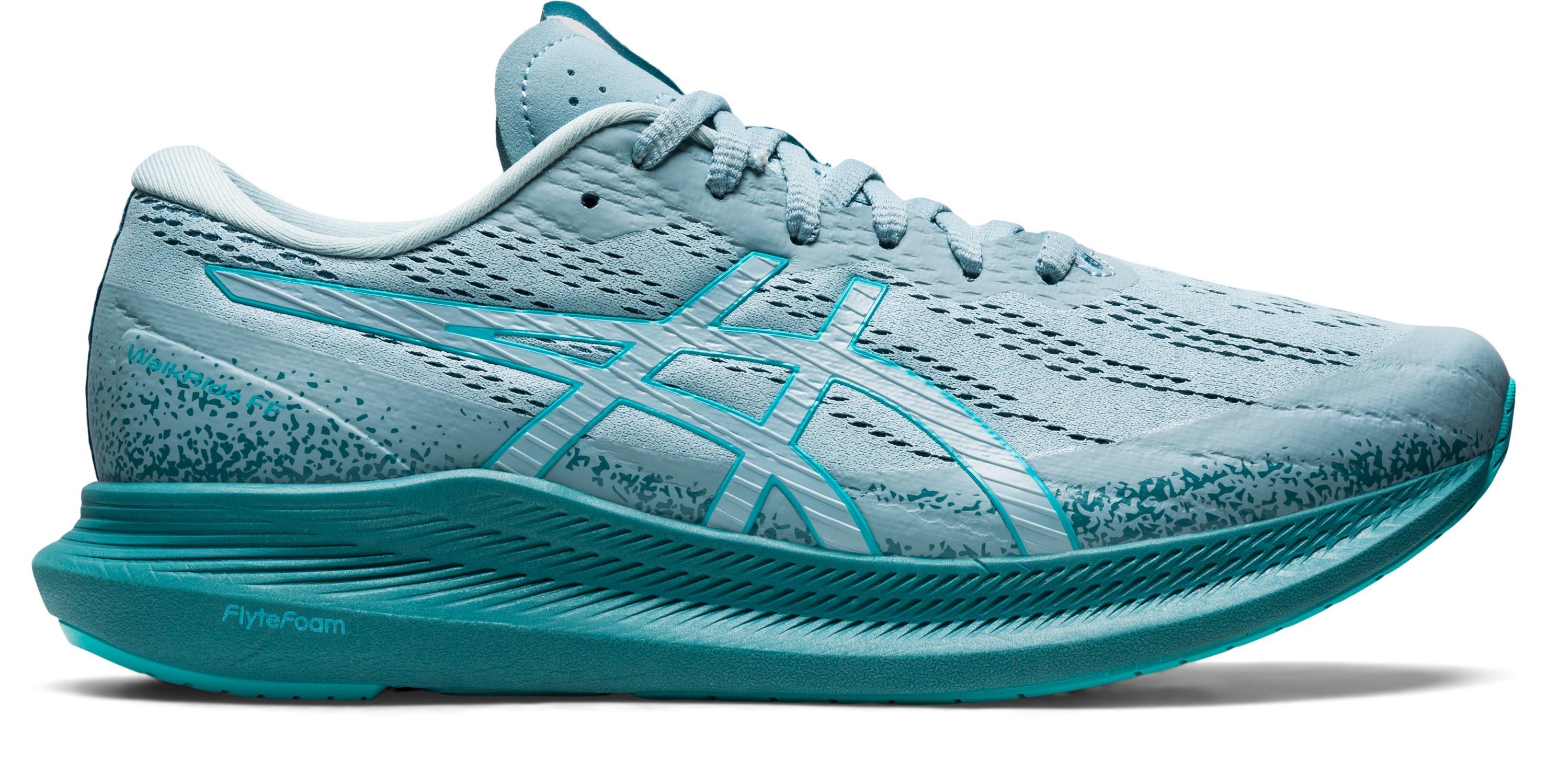
What specific features should you scrutinize when hunting for the perfect pair? Let’s dissect the anatomy of an ideal podiatrist recommended walking shoe. First, examine the heel counter. This is the firm back part of the shoe that cradles your heel. It should be rigid and non-collapsible when you squeeze it; a weak heel counter leads to instability. Next, the midsole is the heart of the shoe’s technology. Brands utilize various proprietary foams—like Brooks’ DNA LOFT or ASICS’ FlyteFoam—that offer a balance of soft cushioning and responsive rebound. The goal is energy return, not just sinking into a plush mattress. The rocker sole is a critical feature often highlighted by podiatrists. This subtly curved geometry, as seen in brands like HOKA, facilitates a smoother heel-to-toe transition, reducing strain on the Achilles tendon and calf muscles. Furthermore, the toe box must provide adequate width and depth to allow your toes to splay naturally upon foot strike, preventing conditions like neuromas. As Dr. Jacqueline Sutera, a New York City-based podiatrist, often states in her media appearances, “A shoe should fit your foot, not the other way around. Forcing your foot into a narrow, pointed box is a recipe for deformity over time.” This holistic design philosophy is what defines a shoe worthy of professional endorsement.
:max_bytes(150000):strip_icc()/shp-best-brooks-walking-shoes-tout-f67df3ab5afa4c08a24a63ae6dca3444.jpg)
Beyond the Hype: Evaluating Brands Through a Clinical Lens
The market is flooded with claims, but which brands consistently earn the trust of foot care professionals? Brands like New Balance, Brooks, ASICS, and Saucony are frequently cited in podiatric circles and on platforms like Quora and professional review sites for their consistent focus on biomechanical support. For instance, Brooks’ Adrenaline GTS line is renowned for its GuideRails holistic support system, which focuses on keeping excess knee movement in check—a feature born from understanding the kinetic chain. ASICS, with its legacy in motion analysis, often incorporates GUIDANCE LINE technology to improve gait efficiency. It’s noteworthy that many of these brands collaborate directly with podiatrists and biomechanists in their research and development phases. This is a stark contrast to fashion sneakers that prioritize aesthetics over function. When you invest in a pair of podiatrist recommended walking shoes from these dedicated brands, you are purchasing years of research and clinical feedback. The value proposition shifts from a seasonal fashion item to a long-term investment in your musculoskeletal health, potentially saving you thousands in future medical bills for preventable ailments.
The Personal Fit Imperative: Why Your Gait Analysis is Non-Negotiable
Here is the most crucial advice you will receive: the best shoe in the world is the best shoe for you. This is where personalization becomes paramount. A shoe perfect for a severe overpronator may be detrimental to someone with a highly rigid, supinated foot. This is why many specialty running and walking stores offer gait analysis. This process, often involving a treadmill and slow-motion video, observes how your foot moves in three dimensions. The result should guide your choice between neutral, stability, or motion-control shoes. As a famous line from the book “Born to Run” by Christopher McDougall suggests, the modern shoe has often divorced us from our natural stride, but a properly fitted, purpose-built shoe can be a tool to reclaim it safely on hard modern surfaces. Relying solely on online reviews or a friend’s recommendation is a gamble with your comfort. Your unique footprint, arch type, and wear patterns on your old shoes tell a story that only a knowledgeable fitter or a podiatrist can accurately interpret to recommend the ideal podiatrist recommended walking shoes for your anatomy.
From Investment to Value: Smart Shopping for Long-Term Comfort
Quality biomechanical engineering comes at a cost, but there are strategic ways to access it without overspending. First, understand that the typical lifespan of a walking shoe is between 300 to 500 miles, after which the midsole compression significantly reduces its protective benefits. Planning your purchases around this mileage can prevent injury. To find discounted prices, consider shopping for previous model years. When a brand releases a new version of a popular shoe (e.g., the HOKA Bondi 8 when the Bondi 9 launches), the outgoing model is often sold at a 20-40% discount, yet it retains 95% of the core technology. Authorized online retailers, seasonal sales, and outlet stores for major brands are excellent hunting grounds. The key is to know your exact model and size from a prior fitting. Remember, the true cost of a shoe isn’t its price tag, but the cost per mile of comfort and protection it provides. A $150 pair of expertly fitted podiatrist recommended walking shoes that lasts 500 miles is a far wiser investment than a $60 pair of generic sneakers that causes discomfort at 100 miles and leads to a $200 podiatrist visit.
:max_bytes(150000):strip_icc()/tal-10-podiatrist-approved-open-toed-shoes-tout-00bd6ff1c36a49cdbbff486b0b54fb27.jpg)
The journey to all-day comfort begins from the ground up. By prioritizing the principles of podiatric science—rigorous support, biomechanical alignment, and personalized fit—you elevate your footwear from a mere accessory to a pillar of your well-being. Embrace the search for your podiatrist recommended walking shoes not as a chore, but as an act of self-care. When you find that perfect pair, the one that makes you forget you’re wearing shoes at all, you’ll have discovered more than just footwear; you’ll have unlocked a new dimension of freedom in every step you take.
