

Discover the Best Podiatrist Recommended Walking Shoes for All-Day Comfort
Your feet are the foundation of your movement, carrying you through countless steps each day. Yet, many of us overlook the critical importance of the footwear that supports this relentless activity. The wrong shoes can lead to a cascade of discomfort, from simple blisters to chronic conditions like plantar fasciitis, metatarsalgia, or exacerbated bunions. This isn’t merely about fashion or casual preference; it’s about biomechanical health. The quest for all-day comfort begins with a fundamental shift in perspective: viewing shoes as essential medical equipment for your daily life. This article cuts through marketing hype to explore the scientifically-backed features that define truly supportive footwear, drawing directly from the expertise of podiatrists—the medical professionals dedicated to foot and ankle health. We will navigate the anatomy of a perfect walking shoe, decode professional recommendations, and provide actionable insights to help you invest in your foundation. The goal is singular: to equip you with the knowledge to select podiatrist recommended walking shoes that offer genuine, lasting comfort from your first step in the morning to your last at night.
The Podiatrist’s Perspective: Why Specialized Footwear is Non-Negotiable
To understand the imperative for specialized shoes, one must first appreciate the immense stress feet endure. The American Podiatric Medical Association (APMA) notes that the average person takes between 5,000 and 7,000 steps per day, with each step exerting a force of up to 1.5 times your body weight on your feet. Over a lifetime, this accumulates to tens of thousands of miles. Podiatrists, like Dr. Jacqueline Sutera, a New York-based doctor of podiatric medicine, frequently emphasize that “shoes are the foundation of your body.” In an interview with EatingWell, she analogized, “You wouldn’t build a house on a shaky foundation, so why would you support your body with unstable shoes?” This perspective is rooted in clinical observation. Podiatrists treat the painful outcomes of poor footwear daily: stress fractures from inadequate shock absorption, tendonitis from lack of heel stability, and neuromas from narrow, constricting toe boxes. The recommendation for specific shoes, therefore, is not a casual suggestion but a clinical prescription aimed at prevention and alignment. A podiatrist recommended walking shoe is engineered to counteract these common issues. It provides structured support that generic sneakers or fashion flats simply cannot. The criteria are objective: sufficient arch support to maintain the foot’s natural plantar fascia tension, a rigid heel counter to control pronation or supination, ample cushioning to dissipate impact forces, and a flexible yet supportive sole at the ball of the foot to facilitate the natural gait cycle. These features work in concert to keep the 26 bones, 33 joints, and over 100 muscles, tendons, and ligaments in each foot functioning harmoniously.
:max_bytes(150000):strip_icc()/I-Asked-Podiatrists-for-Their-Fall-Shoe-Recommendations-These-Are-Their-Top-8-Picks-8fbdf9d65f3a4228ae63f6e5253dc08c.jpg)
Deconstructing Comfort: The Five Pillars of a Podiatrist-Approved Shoe
Comfort in a walking shoe is a complex, multi-faceted achievement, not a simple feeling of softness. True comfort arises from biomechanical correctness. We can deconstruct it into five non-negotiable pillars, each backed by podiatric science. First, Arch Support and Control. The arch acts as a natural shock absorber. Shoes with contoured, firm arch support prevent the arch from collapsing, which is a primary cause of overpronation and conditions like posterior tibial tendon dysfunction. Brands that earn the APMA’s Seal of Acceptance rigorously test for this feature. Second, Heel Counter Rigidity. The heel counter is the hard cup at the back of the shoe. A study cited in the Journal of Foot and Ankle Research highlights its role in controlling rearfoot motion. A firm, well-molded heel counter stabilizes the calcaneus (heel bone), reducing strain on the Achilles tendon and preventing heel whip. Third, Toe Box Geometry. As noted by the Cleveland Clinic, a spacious, foot-shaped toe box allows toes to splay naturally upon weight-bearing. This reduces pressure on the nerves between the metatarsals (a common cause of Morton’s neuroma) and provides stability. Squeezing toes into a tapered box is a recipe for bunions and hammertoes. Fourth, Midsole Cushioning and Responsiveness. The midsole, often made of EVA or polyurethane, must do more than feel soft. It needs resilient cushioning that returns energy. Dr. Miguel Cunha, founder of Gotham Footcare, explains that proper cushioning attenuates ground reaction forces that travel up the kinetic chain to the knees, hips, and lower back. Finally, Outsole Traction and Flexibility. The sole needs durable rubber with a tread pattern for safety, but crucially, it must bend easily at the metatarsophalangeal joints—where your toes meet your foot—to not inhibit the push-off phase of gait. A shoe that is too stiff here forces your foot to work harder, leading to fatigue.
Beyond the Brand: Identifying Universal Features in Any Shoe
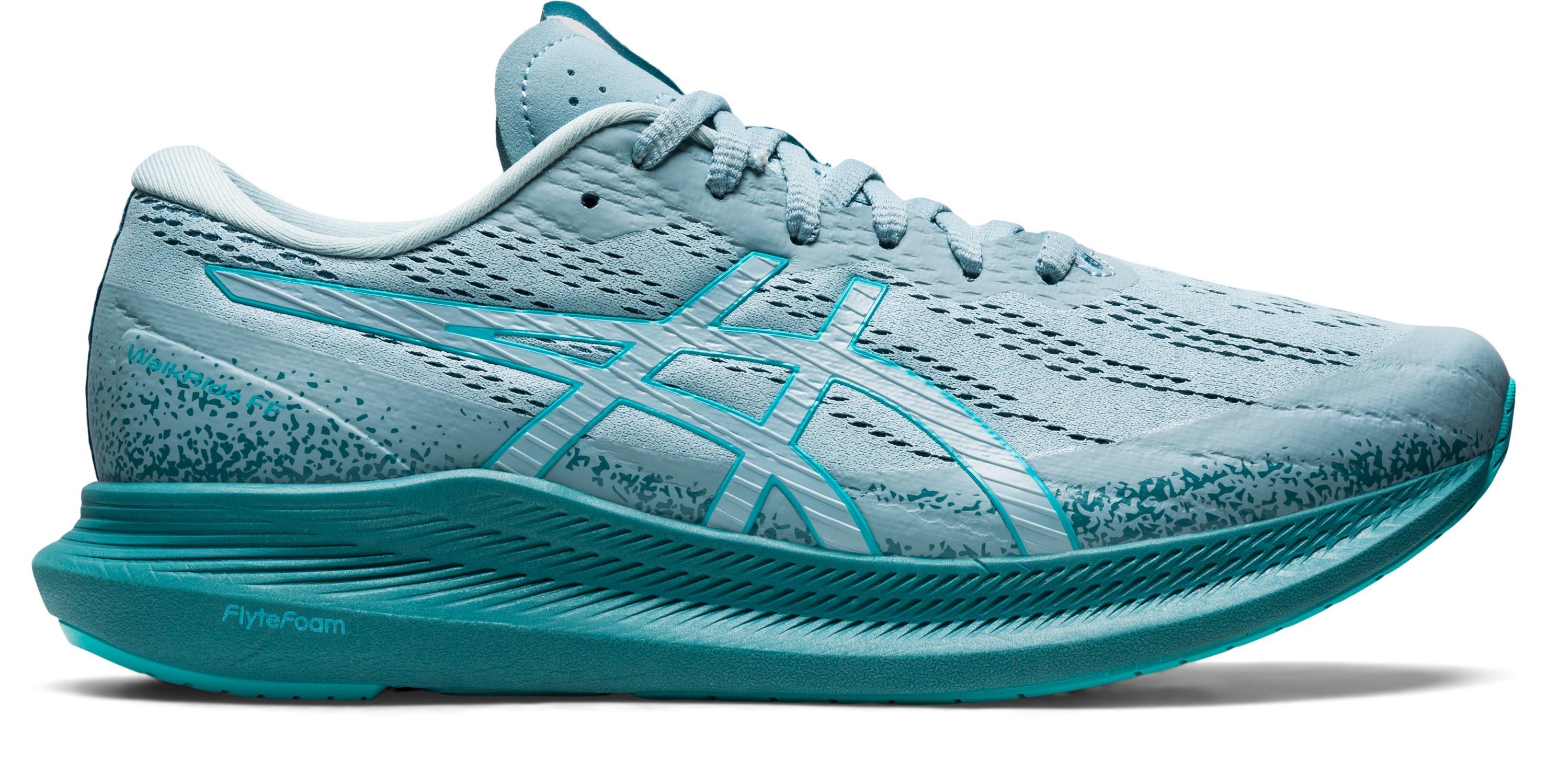
While specific brands are often endorsed, the wiser approach is to become literate in the universal features that signal quality, allowing you to evaluate any shoe. Start with the “Bend Test.” Hold the shoe and try to bend it in half. A proper walking shoe should only bend at the ball of the foot, not in the middle. Bending in the arch indicates a lack of support. Next, perform the “Twist Test.” Grab the toe and heel and try to wring the shoe like a towel. A good stability shoe will resist twisting, protecting your foot from excessive rotational forces. Examine the Heel Counter. Press on the back of the heel cup; it should not collapse easily under thumb pressure. Inspect the Insole. Remove it. Is it just a flat piece of foam, or is it molded with clear arch contours and a deep heel cup? A quality, removable insole is often a sign the brand prioritizes support and allows for custom orthotic replacement. Feel the Internal Seams and Linings. The interior should be smooth and seamless in high-friction areas to prevent blisters. Check the Weight. Excessively heavy shoes increase leg muscle fatigue, while overly minimalist shoes may lack protection. A balance is key. Furthermore, consider the Upper Material. Breathable mesh is ideal for reducing moisture and heat, while synthetic leather panels can provide structure. Remember, the most expensive shoe is not necessarily the best for your foot. The goal is to find a shoe that embodies these universal principles of podiatrist recommended walking shoes, creating a harmonious environment for your unique biomechanics. This knowledge empowers you to shop beyond marketing claims and make informed decisions based on tangible, functional design.
Navigating Foot Types and Gait Patterns: The Personalization Imperative
A critical mistake is assuming one perfect shoe exists for everyone. Podiatric recommendations are inherently personalized, beginning with an analysis of foot type and gait. There are three primary foot arches: neutral, low (flat feet), and high. Each demands different support. A person with flat feet and overpronation (where the ankle rolls inward excessively) requires a shoe with maximum arch support and motion control features, often with a medial post—a denser area of foam on the inner midsole. Conversely, someone with a high, rigid arch and supination (rolling outward) needs a highly cushioned, neutral shoe with significant flexibility to encourage natural motion. The “Wet Test” is a simple at-home diagnostic: wet your foot and step on a piece of cardboard. A full imprint suggests a low arch; a narrow connection between heel and forefoot indicates a high arch. However, for definitive analysis, a podiatrist can perform a gait analysis, often using pressure plates or video technology. This scientific approach is championed by institutions like the Spaulding National Running Center, affiliated with Harvard Medical School, which uses advanced biomechanics to match individuals with optimal footwear. Your wear patterns also tell a story. Look at the soles of your old shoes. Excessive wear on the inner heel and ball of the foot signals overpronation; wear on the outer edge suggests supination. Choosing podiatrist recommended walking shoes is therefore an act of matching these personal biomechanical signatures with the corrective or supportive features engineered into the shoe. It is this precise alignment that transforms a good shoe into your personal tool for pain-free mobility.

Investing in Your Foundation: The Long-Term Value of Quality Footwear
It is tempting to view high-quality walking shoes as a significant expense, but from a podiatric and economic standpoint, they are a profound investment in long-term health and cost savings. Consider the alternative: the cumulative cost of treating foot problems. Consultations, custom orthotics ($400-$800), physical therapy sessions, anti-inflammatory medications, and potential procedures for conditions like plantar fasciitis far exceed the price of a premium pair of shoes ($120-$160). As the adage goes, “An ounce of prevention is worth a pound of cure.” Furthermore, the impact of foot pain is not isolated; it alters your gait, leading to compensatory pain in knees, hips, and the lumbar spine—a domino effect of dysfunction. Quality podiatrist recommended walking shoes are engineered with durable materials that maintain their structural integrity longer than cheaply made alternatives. A study on footwear degradation in the Journal of Sports Sciences found that midsoles lose a significant portion of their cushioning properties after 300-500 miles of use, long before the outsole is visibly worn. This underscores the importance of replacing shoes proactively, approximately every 6-9 months for daily walkers. The value also extends to daily performance and mood. Comfortable feet enhance energy levels, encourage more physical activity, and reduce overall bodily stress. In this light, the right shoe is not a luxury purchase but a fundamental component of preventive healthcare and holistic well-being, paying dividends in mobility, reduced pain, and enhanced quality of life for years to come.
Bringing Expertise and Value to Your Decision
Armed with this knowledge, your shopping journey can be focused and effective. To bring direct value, consider this: many reputable brands offering podiatrist-endorsed models frequently have online sales, last-season colorways at discounts, or loyalty programs. Websites of major retailers often have “sale” sections where prior models—which retain the core biomechanical features—are available at a fraction of the cost. For instance, a previous version of a top-rated stability walking shoe might be discounted by 30-40%. The key is to know the model name and its intended support category (neutral, stability, motion control) rather than buying solely on looks. Furthermore, some specialty running stores, which carry high-performance walking shoes, offer gait analysis for free with the intent of a shoe purchase. This service itself is a valuable professional insight. Remember, the objective is to acquire the engineering and support, not necessarily the latest aesthetic. By prioritizing function over fashion and seeking out these strategic discounts, you can own professionally-aligned, podiatrist recommended walking shoes without straining your budget. This approach democratizes foot health, making the science of comfort accessible to all who are willing to learn and seek thoughtfully.
:max_bytes(150000):strip_icc()/favorite-walking-shoes-round-up-november-2024-458c3fc0c6844adca7c0a34ebc5cfb9b.jpg)
The journey to all-day comfort is a deliberate one, paved with informed choices rather than chance. It begins with respecting the intricate machinery of your feet and acknowledging that their support system matters. By internalizing the podiatrist’s criteria—rigorous arch support, a secure heel counter, a generous toe box, intelligent cushioning, and purposeful flexibility—you gain the power to select footwear that truly serves you. This is not about following a fleeting trend; it is about adhering to enduring principles of human biomechanics. Let this understanding guide you. When you next evaluate a shoe, see it not as an accessory, but as a partner in your daily journey. Seek out those engineered features, honor your unique foot type, and recognize the long-term investment you are making in your own mobility and vitality. The path to effortless steps and enduring comfort is clear: it starts with the conscious choice to step into the right foundation.
