

Discover the Best Podiatrist Recommended Walking Shoes for All-Day Comfort
Your feet are the foundation of your daily movement, and the shoes you choose can either support or sabotage your comfort, posture, and long-term health. For anyone who spends significant time on their feet—whether navigating city streets, exploring nature trails, or managing the demands of a busy workday—the quest for the perfect walking shoe is paramount. This isn’t merely about fashion or fleeting trends; it’s a physiological necessity. The wrong footwear can lead to a cascade of issues, from immediate blisters and plantar fasciitis to chronic knee, hip, and back pain. Conversely, the right pair acts as a personal shock absorption and stabilization system, transforming a taxing activity into a pleasure. This guide cuts through the marketing noise to focus on a singular, authoritative standard: podiatrist recommended walking shoes. We will delve into the scientific principles of foot biomechanics, unpack the non-negotiable features these experts demand, and provide a curated analysis of models that meet these rigorous criteria. Our goal is to equip you with the knowledge to make an informed investment in your mobility and well-being, blending professional podiatric insight with practical value.
The Science of Stride: Why Biomechanics Dictate Shoe Choice
Walking is a complex, repetitive motion involving a precise sequence of heel strike, foot flat, mid-stance, heel-off, and toe-off. This gait cycle places immense, repetitive stress on 26 bones, 33 joints, and over 100 muscles, tendons, and ligaments in each foot. Podiatrists, as medical specialists of the foot and ankle, base their recommendations on mitigating the negative forces of this cycle. A key concept is overpronation—the excessive inward rolling of the foot after heel strike—which is a common contributor to conditions like plantar fasciitis and shin splints. As noted in biomechanics literature from institutions like the University of Calgary’s Human Performance Lab, controlling this motion is critical for aligning the entire kinetic chain, from ankle to spine. Another vital factor is the heel-to-toe drop, or offset, which influences calf muscle tension and Achilles tendon load. A study published in the Journal of Foot and Ankle Research highlights how an inappropriate drop can alter gait mechanics. Furthermore, the material properties of the midsole—its ability to dissipate impact energy (cushioning) and return a degree of energy (responsiveness)—are quantifiable through industry standards like Asics’ GEL® technology or Brooks’ DNA LOFT cushioning. Therefore, podiatrist recommended walking shoes are not arbitrary selections; they are engineered solutions that address these measurable biomechanical functions. They provide structured support to guide the foot through a healthier gait path, offer targeted cushioning at high-impact zones, and ensure stability to prevent the musculoskeletal deviations that lead to pain.
:max_bytes(150000):strip_icc()/I-Asked-Podiatrists-for-Their-Fall-Shoe-Recommendations-These-Are-Their-Top-8-Picks-8fbdf9d65f3a4228ae63f6e5253dc08c.jpg)
Arch Support and Motion Control: The Non-Negotiable Pillars
Within the framework of biomechanics, two features stand as the bedrock of podiatric approval: genuine arch support and effective motion control. The arch of the foot is a dynamic, spring-like structure designed to bear and distribute weight. However, modern lifestyles often involve hard, flat surfaces that fail to support this natural architecture. Shoes with insufficient arch support allow the plantar fascia—the thick band of tissue spanning the arch—to overstretch and strain with each step, a primary mechanism behind plantar fasciitis. A proper podiatrist recommended walking shoe incorporates a firm, contoured footbed or midsole that maintains the arch in its optimal, loaded position, reducing strain on supportive tissues. Motion control, often achieved through a combination of a medial post (a denser foam on the inner side), a rigid heel counter, and a wide base, is specifically designed for overpronators. It limits the degree of inward roll, promoting a more neutral foot alignment. Dr. Jacqueline Sutera, a prominent New York City podiatrist, often emphasizes in media interviews that “over-the-counter inserts are often insufficient for true biomechanical issues; the shoe itself must be built with corrective architecture.” This sentiment is echoed by the American Podiatric Medical Association (APMA), which grants its Seal of Acceptance to products that promote good foot health, a seal found on many of the shoes we will examine. It is this integration of support and control that transforms a simple shoe into a therapeutic device, preventing the cumulative damage of millions of steps taken each year.
Material Matters: Breathability, Durability, and Sustainable Comfort
Beyond structural engineering, the materials composing a walking shoe are critical for all-day comfort and long-term value. Breathability, primarily governed by the upper’s mesh composition, is essential for thermoregulation and moisture management. A hot, sweaty foot environment softens skin, making it prone to blisters and fostering fungal growth. High-quality engineered mesh, like that used in many podiatrist recommended walking shoes, allows for continuous air circulation while maintaining structural integrity. Durability is another key metric, measured in the resilience of the outsole rubber and the midsole’s resistance to compression set. A high-abrasion rubber compound, such as Goodyear® rubber or AHAR (Asics High Abrasion Rubber), ensures the tread pattern and overall shoe geometry last for hundreds of miles before losing their protective and stabilizing properties. The midsole foam, whether EVA, polyurethane, or proprietary blends like Brooks’ DNA LOFT, must retain its cushioning and rebound properties over time. As noted in consumer reports from organizations like Runner’s World Wear Test Center, the best shoes show minimal “packing out” or flattening even after significant mileage. Furthermore, the internal lining should be seamless or have flat-seam construction to eliminate friction points. When these material qualities converge—breathable uppers, durable outsoles, and long-lasting midsoles—they create a shoe that offers consistent, reliable comfort from the first step to the five-hundredth mile, ensuring your investment pays dividends in both health and economics.
:max_bytes(150000):strip_icc()/favorite-walking-shoes-round-up-november-2024-458c3fc0c6844adca7c0a34ebc5cfb9b.jpg)
A Curated Analysis: Podiatrist-Approved Models in Focus
Armed with an understanding of the critical features, let’s apply this knowledge to specific models that consistently earn endorsements from foot care professionals. It’s important to note that the “best” shoe is highly individual, dependent on one’s foot shape, gait, and specific needs. However, the following categories and examples represent benchmarks of podiatric design philosophy.
For the Neutral Walker Needing Premium Cushioning: HOKA Bondi Series
The HOKA Bondi is frequently cited by podiatrists for patients requiring maximum cushioning without a rigid stability frame. Its defining characteristic is an exceptionally thick, full-compression EVA midsole that provides unparalleled shock absorption, ideal for those with arthritic joints, heel pain, or who walk primarily on hard surfaces. The meta-rocker geometry—a curved sole—promotes a smooth heel-to-toe transition, reducing strain on the Achilles and calf. While it is a neutral shoe, its wide platform offers inherent stability. Dr. Brad Schaeffer, a podiatrist featured in Forbes, has noted, “The HOKA Bondi’s combination of cushion and rocker sole can be a game-changer for reducing pain at the metatarsal heads and heel.” This model exemplifies how advanced materials and geometric design can create a protective, rolling gait that feels effortless, making it a top contender among podiatrist recommended walking shoes for comfort-focused users.
For the Overpronator Seeking Stability: Brooks Adrenaline GTS Series
A perennial favorite in the stability category, the Brooks Adrenaline GTS (Go-To-Shoe) is a classic example of integrated guidance technology. It features Brooks’ proprietary GuideRails® support system, which focuses on limiting excess movement at the knee—a holistic approach to stability rather than just propping up the arch. The DNA LOFT cushioning balances softness with responsiveness, and the segmented crash pad ensures smooth transitions. The APMA has awarded its Seal of Acceptance to this model, a testament to its foot-healthy design. On platforms like YouTube, certified pedorthists often break down the Adrenaline’s biomechanical benefits, highlighting its suitability for mild to moderate overpronators who also seek plush comfort. Its consistent performance and iterative improvements over numerous versions have solidified its reputation as a reliable, medically-respected workhorse.
:max_bytes(150000):strip_icc()/shp-best-brooks-walking-shoes-tout-f67df3ab5afa4c08a24a63ae6dca3444.jpg)
For the Walker Needing a Natural Feel: ASICS GEL-Nimbus or WalkRide Series
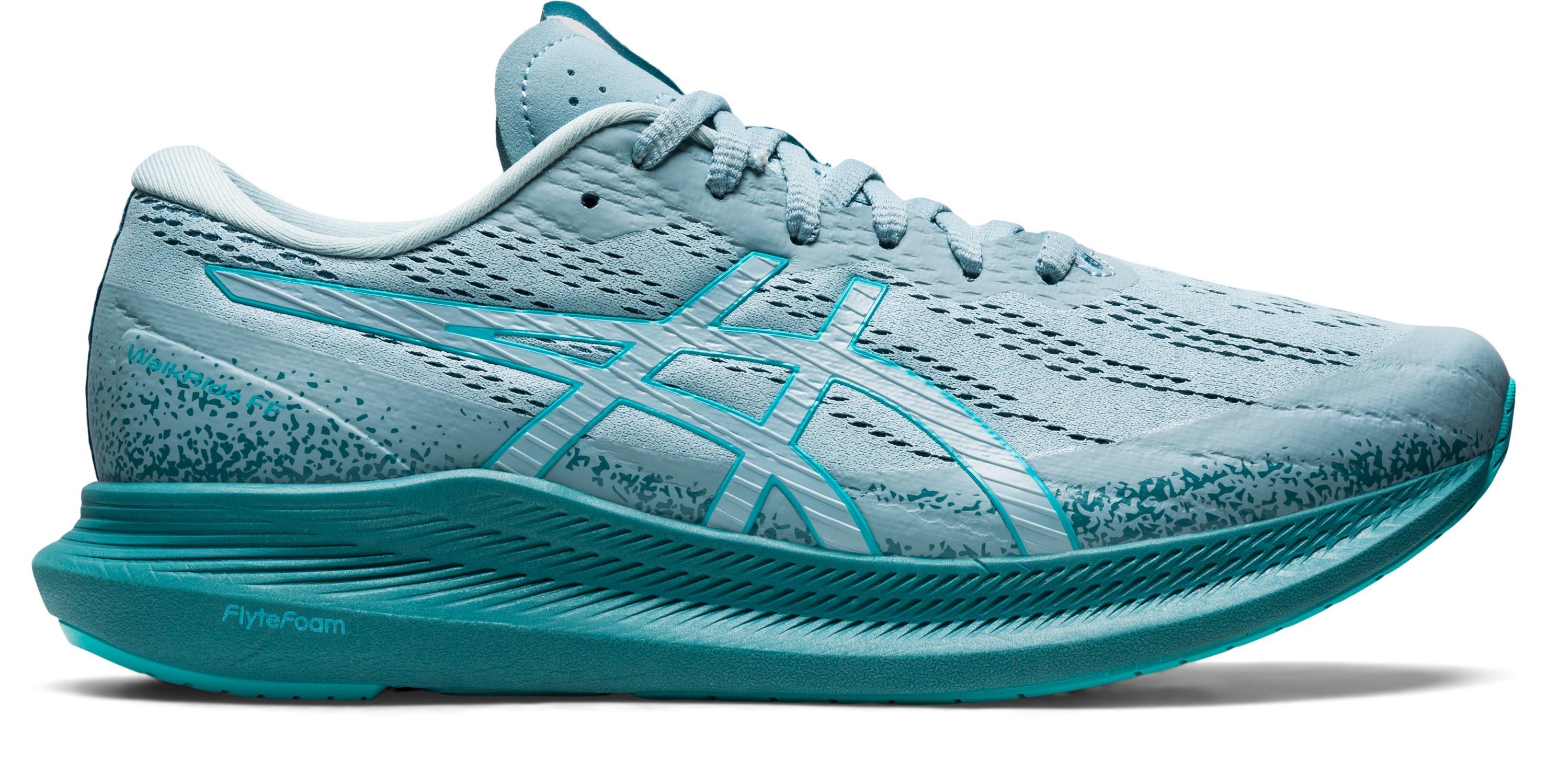
ASICS has long been synonymous with gel-cushioning technology, pioneered through biomechanical research. The GEL-Nimbus line offers a plush, neutral ride with GEL pods in the rearfoot and forefoot to attenuate shock during impact and toe-off. For a more walking-specific design, the ASICS WalkRide series incorporates a GUIDESOLE® technology with a stiffer forefoot rocker to reduce ankle flexion and conserve energy, promoting a more efficient stride. The breathable mesh uppers and OrthoLite™ sockliners add to the comfort. Literature from ASICS’ own Institute of Sport Science details the research behind these technologies, grounding their design in objective data. These models are often recommended for walkers with neutral gaits who appreciate a blend of high-tech cushioning and a smooth, rolling propulsion, making them a scientifically-backed choice within the realm of podiatrist recommended walking shoes.
Integrating Professional Insight with Personal Value
Choosing a medically-sound shoe is an investment, but it need not break the bank. The professional knowledge we’ve outlined empowers you to seek value beyond the initial price tag. First, consider the cost per mile. A $150 shoe that lasts 500 miles is more economical than an $80 shoe that degrades after 200. Second, shop strategically: previous model-year colors are often discounted significantly as new versions are released, yet the core biomechanical technology remains largely unchanged. Major retailers and brand outlets frequently offer seasonal sales. Third, some podiatrists’ offices have relationships with orthotic labs or shoe retailers, potentially offering patient discounts. The true value lies in prevention—the avoided cost of orthotics, physical therapy, or treatment for foot ailments far outweighs the premium for a properly engineered shoe. By viewing your footwear as essential health equipment, you prioritize long-term wellness and performance. The comfort and confidence gained from a perfectly fitted, supportive pair of podiatrist recommended walking shoes is, ultimately, priceless, transforming daily walks from a chore into a sustained source of vitality and joy.
Your journey toward all-day comfort begins with a single, informed step. By prioritizing the principles of biomechanics, seeking out the hallmarks of genuine support and durable construction, and focusing on models that carry the implicit or explicit endorsement of foot health professionals, you move beyond guesswork. You are not just buying a shoe; you are selecting a partner for your musculoskeletal health. Let this understanding guide you to a pair that doesn’t just fit your feet, but supports your entire kinetic chain, enabling you to walk further, feel better, and embrace movement with renewed confidence and comfort.
