

Discover the Best Podiatrist Recommended Walking Shoes for All-Day Comfort
Your feet are your foundation, and the shoes you choose can either support or sabotage your daily movement. For anyone who spends significant time on their feet—whether navigating city streets, exploring nature trails, or managing the demands of a busy workday—the quest for true comfort is paramount. This isn’t merely about aesthetics or fleeting trends; it’s about biomechanical harmony, injury prevention, and sustainable well-being. The most reliable guide in this quest is not a fashion magazine, but the specialized knowledge of podiatry. Podiatrist recommended walking shoes represent a category built on clinical insight, designed to align with the intricate architecture of the human foot. This article delves into the science of what makes these shoes exceptional, translating professional podiatric principles into actionable knowledge for your next purchase, and highlights where to find these crucial tools without straining your budget.
The Foundation of Foot Health: Why Podiatric Endorsement Matters
To understand the value of a podiatrist’s recommendation, one must first appreciate the complexity of the foot itself. Each foot is a masterpiece of engineering, comprising 26 bones, 33 joints, and over 100 muscles, tendons, and ligaments. This structure must simultaneously provide stability, absorb shock, and propel the body forward—a demanding set of tasks. Podiatrists, as doctors of podiatric medicine (DPM), dedicate their careers to diagnosing and treating conditions of the foot, ankle, and related structures of the leg. Their recommendations stem from a deep understanding of gait analysis, biomechanics, and pathology. When a podiatrist suggests a specific type of walking shoe, it is based on empirical evidence of how that shoe’s design interacts with common issues like plantar fasciitis, overpronation, metatarsalgia, or bunions. As noted in resources from authoritative institutions like the American Podiatric Medical Association (APMA), proper footwear is a first-line defense against discomfort and long-term injury. A podiatrist recommended walking shoe is, therefore, not a marketing gimmick but a therapeutic tool. It is a shoe that has been evaluated for its ability to provide adequate arch support, cushioning in the right zones, a roomy toe box to prevent compression, and a heel counter that stabilizes the rearfoot. This professional endorsement bridges the gap between medical science and consumer product, offering a trusted filter in an overwhelming market.

Decoding the Design: Five Pillars of a Superior Walking Shoe
What specific features transform an ordinary sneaker into a podiatry-approved powerhouse? The distinction lies in a combination of design elements that work in concert. First, consider arch support. The arch acts as a natural shock absorber; inadequate support can lead to the plantar fascia ligament becoming strained and inflamed. A well-designed insole or midsole will contour to support the medial longitudinal arch, whether it’s high, low, or neutral. Second, heel cushioning and stability are non-negotiable. The heel strikes the ground with a force of up to three times your body weight during walking. Shoes with a firm heel counter (the back part that cups your heel) and ample, resilient cushioning material (like EVA or polyurethane) dissipate this impact effectively. Third, the toe box must allow for natural splay. As highlighted by biomechanics literature from universities, the toes need space to grip and stabilize at the end of the gait cycle. A cramped, pointed toe box can lead to neuromas, hammertoes, and calluses. Fourth, flexibility at the forefoot is crucial. The shoe should bend easily at the ball of the foot, where your foot naturally wants to flex, but remain stable through the midfoot. Finally, the overall fit and sizing must be precise. Your walking shoe size may differ from your dress shoe size, and feet swell throughout the day. A proper fit accounts for this, with about a thumbnail’s width of space between your longest toe and the end of the shoe. A true podiatrist recommended walking shoe excels in all these areas, creating a symbiotic relationship between foot and footwear.
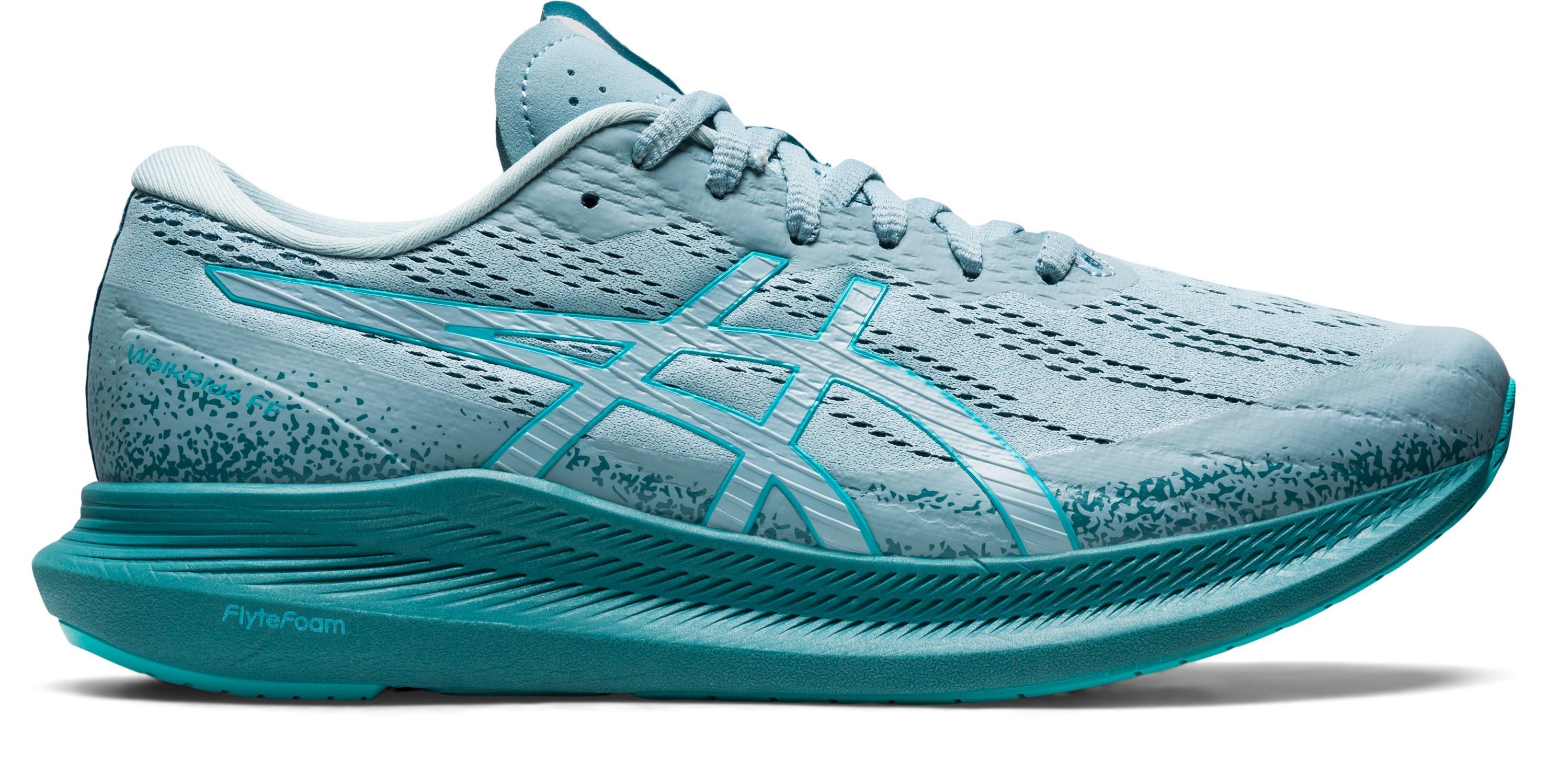
From Clinic to Pavement: Brands and Models That Earn Professional Trust
Several footwear brands have consistently earned the trust of podiatrists by investing in research and design aligned with medical principles. Brands like Brooks, New Balance, ASICS, HOKA, and Saucony are frequently cited in podiatric circles for their commitment to biomechanics. For instance, Brooks’ Adrenaline GTS line is renowned for its GuideRails support system, which focuses on holistic support rather than just the arch, a concept praised by sports medicine professionals. HOKA’s maximalist cushioning, featuring meta-rocker geometry, is often recommended for those with joint pain or who require significant shock absorption, as noted in reviews by physical therapists on platforms like YouTube. New Balance is celebrated for its extensive range of widths, a simple yet critical feature for achieving a truly custom fit that many podiatrists emphasize. It’s important to understand that no single brand is perfect for every foot. The “best” shoe is the one that matches your unique foot shape, gait pattern, and any specific conditions. This is why the recommendation for podiatrist recommended walking shoes is a category, not a single model. Seeking out models that carry the APMA Seal of Acceptance is an excellent starting point, as this indicates a panel of podiatrists has reviewed the shoe for its promotional materials. However, a personal consultation with a podiatrist remains the gold standard for a tailored recommendation.
:max_bytes(150000):strip_icc()/tal-roundup-podiatrist-loved-shoes-on-sale-tout-bdbf5721fa5642efa38b61f6a5b4ff34.jpg)
Investing in Your Stride: Finding Value Without Compromise
High-quality, medically-informed footwear often comes with a higher price tag, reflecting the advanced materials and engineering involved. However, viewing this as an investment in your long-term mobility and pain-free living reframes the cost. The economic principle of “cost per wear” is powerfully applicable here: a $150 pair of shoes worn daily for two years costs about twenty cents per day. Compared to the financial and personal cost of treating chronic foot pain, the investment is prudent. Fortunately, you need not pay full price to access these benefits. Strategic shopping can bring premium podiatrist recommended walking shoes within reach. Consider purchasing previous model years; shoe technology evolves incrementally, and last year’s top model often offers 95% of the benefits at a 30-50% discount. Sign up for newsletters from reputable retailers and brand websites to receive alerts on seasonal sales and clearance events. Outlet stores and authorized online discounters are also valuable resources. Remember, the goal is not merely to find the cheapest shoe, but to find the right shoe at the best possible price. Compromising on fit or critical features for a lower cost is a false economy that your feet will inevitably pay for. The knowledge of what to look for—arch support, cushioning, roomy toe box—empowers you to identify true value when you see it on sale.
Your Path Forward: Stepping into Informed Comfort
The journey to all-day comfort begins with respecting the biological marvel that is your foot and arming yourself with the knowledge that guides those who treat it professionally. Podiatrist recommended walking shoes are more than a product label; they are a synthesis of anatomy, physics, and clinical experience designed to keep you moving freely. By prioritizing the pillars of supportive design, trusting in brands vetted by biomechanical science, and shopping strategically for value, you transform an everyday necessity into a powerful tool for health. Your next step should be taken with confidence, supported by the invisible expertise of podiatry, allowing you to walk your path—however long it may be—in sustained and effortless comfort.
:max_bytes(150000):strip_icc()/shp-best-brooks-walking-shoes-tout-f67df3ab5afa4c08a24a63ae6dca3444.jpg)
