

Discover the Best Podiatrist Recommended Walking Shoes for All-Day Comfort
Your feet are your foundation, and the shoes you choose can either support that foundation or undermine it entirely. For anyone who spends a significant portion of their day on their feet—whether you’re a healthcare professional, a teacher, a retail worker, or simply someone who enjoys long, exploratory walks—the quest for the perfect walking shoe is not merely about fashion; it’s a critical investment in your long-term musculoskeletal health. This is where the guidance of a podiatrist becomes invaluable. Podiatrist recommended walking shoes are not a marketing gimmick; they are footwear engineered based on the scientific understanding of biomechanics, gait analysis, and pathology prevention. This article delves into the core principles that make a walking shoe worthy of a podiatrist’s endorsement, translating professional podiatric knowledge into actionable insights you can use to find all-day comfort and avoid common foot ailments.
The Science of Stride: Why Biomechanics Dictate Your Shoe Choice
Walking is a complex, repetitive motion involving a precise sequence of heel strike, foot flat, mid-stance, heel-off, and toe-off. This gait cycle places varying stresses on your joints, ligaments, and tendons. A shoe that interferes with this natural cycle can lead to a cascade of issues, from plantar fasciitis and Achilles tendinitis to knee pain and even lower back problems. Podiatrists, as physicians specializing in the foot, ankle, and related structures of the leg, analyze these mechanics to prescribe corrective measures, often starting with footwear. The American Podiatric Medical Association (APMA) grants its Seal of Acceptance to products that promote good foot health, a significant indicator for consumers. A podiatrist recommended walking shoe is fundamentally designed to accommodate and support the natural gait. Key scientific features include a firm heel counter to stabilize the rearfoot, adequate arch support to prevent overpronation or supination, and a flexible forefoot to allow for proper toe-off. Research from institutions like the University of Pittsburgh’s Human Movement and Balance Laboratory emphasizes the role of proper footwear in distributing impact forces. As Dr. Jane Andersen, a past president of the American Association for Women Podiatrists, has noted, “The right shoe acts as a functional orthotic, guiding the foot into a healthier position with every step.” This isn’t about a temporary cushion; it’s about providing a stable, guiding platform for thousands of steps per day.
Deconstructing Comfort: The Non-Negotiable Features of a Superior Walking Shoe
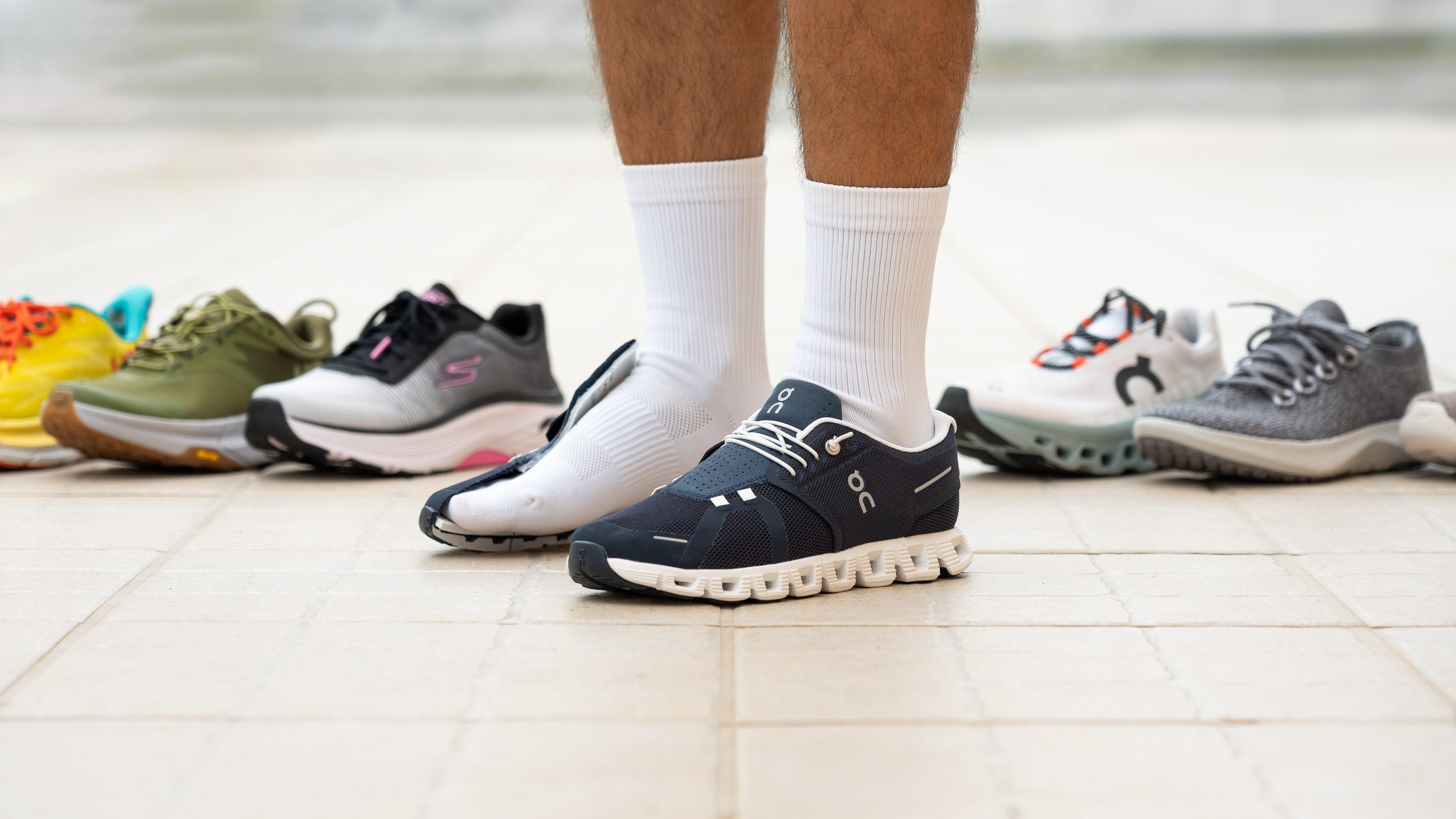
Comfort in a walking shoe is a multi-layered concept, far beyond initial softness. True all-day comfort arises from a synergy of specific features that address the foot’s anatomical and functional needs. First, let’s consider the midsole. This is the heart of the shoe’s cushioning and stability. Materials like EVA (ethylene-vinyl acetate) foam or advanced compounds like Brooks’ DNA LOFT or HOKA’s Profly+ are engineered to provide a balance of soft cushioning for impact absorption and responsive rebound for energy return. A study cited in the Journal of Foot and Ankle Research highlights how midsole geometry can significantly influence plantar pressure distribution. Second, the arch support is paramount. Whether you have low, neutral, or high arches, the shoe must offer congruent support. For those with flat feet (overpronators), a motion control or stability shoe with a medial post—a denser material on the inner side of the midsole—is often a key component of podiatrist recommended walking shoes. Third, the toe box must be wide and deep enough to allow your toes to splay naturally upon weight-bearing, preventing conditions like bunions and neuromas. Finally, the outsole needs durable rubber with a tread pattern that provides secure traction without being overly rigid. A rocker sole design, which features a curved heel and forefoot, can also be beneficial as it promotes a smoother gait transition, reducing strain on the calf and Achilles tendon—a feature frequently recommended for those with plantar fasciitis.
:max_bytes(150000):strip_icc()/I-Asked-Podiatrists-for-Their-Fall-Shoe-Recommendations-These-Are-Their-Top-8-Picks-8fbdf9d65f3a4228ae63f6e5253dc08c.jpg)
Beyond the Brand: How to Apply Podiatric Principles to Your Personal Fit
While specific brands like Brooks, HOKA, New Balance, and ASICS consistently receive praise from foot care professionals, the principle is more important than the label. A shoe that works perfectly for one person may be disastrous for another due to individual variations in foot shape, gait, and medical history. Therefore, the process of selecting a podiatrist recommended walking shoe is deeply personal. Start by understanding your foot type. The classic “wet test”—where you step on a piece of paper with a wet foot to see your arch imprint—provides a basic starting point. However, for a precise analysis, a podiatrist can perform a computerized gait scan. When trying on shoes, do so in the late afternoon or evening when your feet are naturally at their largest due to daily swelling. Wear the socks you intend to walk in. There should be about a thumb’s width (roughly 3/8 to 1/2 inch) of space between your longest toe and the end of the shoe. The widest part of your foot should align with the widest part of the shoe. Don’t just stand; walk on a hard surface. Pay attention to any pinching, slipping at the heel, or pressure on the sides. Remember, a quality walking shoe should feel supportive and secure from the first step, requiring little to no “break-in” period—a myth that podiatrists often debunk, as noted by Dr. Bruce Pinker, a practicing podiatric surgeon, who states, “A good shoe should feel good immediately.”
Investing in Your Foundation: The Long-Term Value of Proper Footwear
Viewing a high-quality pair of walking shoes as an expense is a short-sighted perspective; it is, in fact, a profound investment in your overall well-being and financial health. Consider the alternative: the cumulative cost of treating preventable foot conditions. A single visit to a podiatrist, custom orthotics, physical therapy sessions, and potential lost wages from pain-related absenteeism can far exceed the price of a premium pair of shoes. Furthermore, the impact extends beyond your feet. Chronic foot pain alters your gait, leading to compensatory movements that strain your ankles, knees, hips, and spine. By providing proper alignment and shock absorption, podiatrist recommended walking shoes serve as a primary preventive measure. They are the most accessible form of daily therapy for your lower extremities. Literature from the Harvard Medical School publications on musculoskeletal health consistently underscores the importance of supportive footwear in maintaining mobility and independence as we age. It’s a simple equation: protecting your feet protects your mobility, which in turn protects your quality of life. The return on this investment is measured in pain-free steps, sustained activity levels, and the avoidance of costly medical interventions down the road.
:max_bytes(150000):strip_icc()/shp-best-brooks-walking-shoes-tout-f67df3ab5afa4c08a24a63ae6dca3444.jpg)
Smart Shopping: Marrying Professional Knowledge with Accessible Prices
Armed with the knowledge of what to look for, the next step is acquiring the right shoe without overspending. The market for quality walking shoes is dynamic, with new models released annually. A savvy strategy is to look for previous-year models of top-tier podiatrist recommended walking shoes. The core technologies—the stability features, cushioning systems, and last shapes—often remain largely unchanged, while the updates may be purely cosmetic. Major online retailers and the official brand outlet sites frequently discount these models significantly. Another tip is to be brand-agnostic within the category of recommended brands; if your foot fits well in a stability shoe, compare the offerings from Brooks (Adrenaline GTS), ASICS (GT-2000), and New Balance (860vX) and choose the one on the best sale. Signing up for newsletters from specialty running and walking stores can alert you to seasonal sales. Remember, investing in two pairs and rotating them can actually extend the life of both, as the midsole foam has time to fully rebound between wears. This approach brings the pinnacle of podiatric science within financial reach, ensuring you don’t have to compromise on the health of your feet due to budget constraints.
:max_bytes(150000):strip_icc()/tal-roundup-podiatrist-loved-shoes-on-sale-tout-bdbf5721fa5642efa38b61f6a5b4ff34.jpg)
The journey to all-day comfort begins with a single, well-supported step. By prioritizing the biomechanical principles endorsed by podiatry, you move beyond subjective notions of comfort into the realm of objective, physiological support. The right podiatrist recommended walking shoes are not a luxury but a necessity for an active, pain-free life. They are the silent partners in your daily mobility, engineered to respect the intricate mechanics of your movement. Listen to the experts, understand the features that matter, and make an informed choice that supports every journey, from your morning commute to your evening stroll. Your feet—and every joint connected to them—will thank you for thousands of miles to come.
