

Discover the Best Podiatrist Recommended Walking Shoes for All-Day Comfort
Your feet are your foundation, and the shoes you choose can either support a life of movement or lead to a cascade of discomfort. For anyone who spends significant time on their feet—whether navigating city streets, exploring nature trails, or managing the demands of a busy workday—the quest for the perfect walking shoe is paramount. This isn’t about fleeting fashion trends; it’s about biomechanical harmony. We are delving into the world of podiatrist recommended walking shoes, a category defined not by marketing hype but by clinical insight and scientific design aimed at providing genuine, all-day comfort. The right pair can transform your daily stride from a chore into a pleasure, aligning your posture, cushioning your joints, and preventing the nagging injuries that stem from improper support. Let’s explore what makes these shoes exceptional and how they serve as a critical investment in your long-term musculoskeletal health.
The Science of Stride: Why Podiatrist Endorsement Matters
Podiatry, the branch of medicine devoted to the study, diagnosis, and treatment of disorders of the foot, ankle, and lower extremity, provides the authoritative lens through which we must evaluate walking shoes. A podiatrist’s recommendation carries weight because it is rooted in an understanding of anatomy, gait analysis, and pathology. Consider the concept of the “gait cycle,” the series of movements from heel strike to toe-off. As noted in biomechanics literature from institutions like the University of Delaware’s Gait Analysis Laboratory, improper footwear can disrupt this cycle, leading to overpronation (excessive inward roll) or supination (outward roll), which in turn places stress on the ankles, knees, hips, and even the lower back. A podiatrist recommended walking shoe is engineered to counteract these imbalances. It typically features strategic arch support, a heel counter for stability, a rocker sole to facilitate smooth transition, and appropriate cushioning that doesn’t sacrifice stability. This isn’t mere opinion; it’s applied science. As Dr. Jacqueline Sutera, a renowned New York City podiatrist, often states in her media appearances, “Shoes are the foundation of your body. If your foundation is unstable, everything above it will be unstable.” This principle underscores why a generic athletic sneaker may not suffice for dedicated walking, making the guidance of foot health professionals invaluable.
:max_bytes(150000):strip_icc()/podiatrist-recommended-walking-shoes-e1b90077185d4e6cadbf6327c4d17db7.jpg)
Deconstructing Comfort: Key Features of Elite Walking Footwear
Arch Support and Contoured Footbeds
One of the most critical elements separating ordinary shoes from podiatrist recommended walking shoes is the quality and precision of arch support. The medial longitudinal arch of the foot acts as a natural shock absorber. When it collapses excessively (flat feet) or is too rigid (high arches), pain and fatigue set in. A proper contoured footbed, often removable and sometimes customizable, cradles the arch to maintain its optimal position throughout the gait cycle. Brands like ASICS and Brooks invest heavily in research, developing technologies like DuoMax support systems or GuideRails that don’t just cushion but actively guide the foot into a healthier motion. This approach is supported by resources like the American Podiatric Medical Association (APMA), which grants its Seal of Acceptance to products that promote good foot health. A shoe bearing this seal has been vetted by a committee of podiatrists, offering consumers a trusted benchmark. The footbed is not an afterthought; it is the primary interface between your body and the ground, and its design is a direct application of podiatric principles to prevent conditions like plantar fasciitis, a common and painful inflammation of the foot’s connective tissue.
Heel Counter and Overall Stability
Stability in motion is non-negotiable. The heel counter—the firm cup at the back of the shoe that cradles your heel—is fundamental to this. A robust, well-padded heel counter minimizes lateral movement, ensuring your heel is locked in place to prevent slippage and control pronation. Think of it as the cornerstone of a building. If it’s weak, the entire structure is compromised. This feature is frequently highlighted in reviews on authoritative running and walking websites like Runner’s World, where lab-based wear-tests measure rearfoot stability as a key metric. Furthermore, the base of the shoe, its “last” (the foot-shaped form around which the shoe is built), often comes in varieties like “straight” for motion control or “semi-curved” for neutral stability. This technical detail, drawn from shoe manufacturing literature, directly translates to how your foot aligns with every step. A stable platform reduces the muscular effort required to keep your ankle joint secure, thereby combating fatigue and reducing the risk of sprains, making it a hallmark of any serious podiatrist recommended walking shoe.
:max_bytes(150000):strip_icc()/shp-best-brooks-walking-shoes-tout-f67df3ab5afa4c08a24a63ae6dca3444.jpg)
Material Matters: Breathability, Durability, and Flexibility
The composition of the shoe’s upper and sole is where engineering meets daily comfort. Modern podiatrist recommended walking shoes utilize advanced mesh materials that offer exceptional breathability, wicking moisture away to keep feet dry and reduce the likelihood of fungal infections—a common podiatric concern. Durability is equally scientific; high-abrasion rubber placed at strategic wear points (the heel and forefoot) extends the shoe’s life, ensuring the supportive features don’t degrade prematurely. Perhaps most subtly important is flexibility at the right point. The shoe should bend easily at the metatarsophalangeal (MTP) joints, where your toes meet your foot, to allow for a natural toe-off. However, it should remain torsionally rigid through the midfoot to maintain stability. This balanced flexibility is a concept explored in biomechanics textbooks and is a key differentiator from flimsy, overly pliable footwear. As noted by Harvard Medical School publications on healthy walking, a shoe that is too stiff can restrict natural movement, while one that is too flexible offers inadequate support, proving that material selection is a precise science aimed at harmonious function.
From Clinic to Pavement: Top Podiatrist-Approved Categories and Models
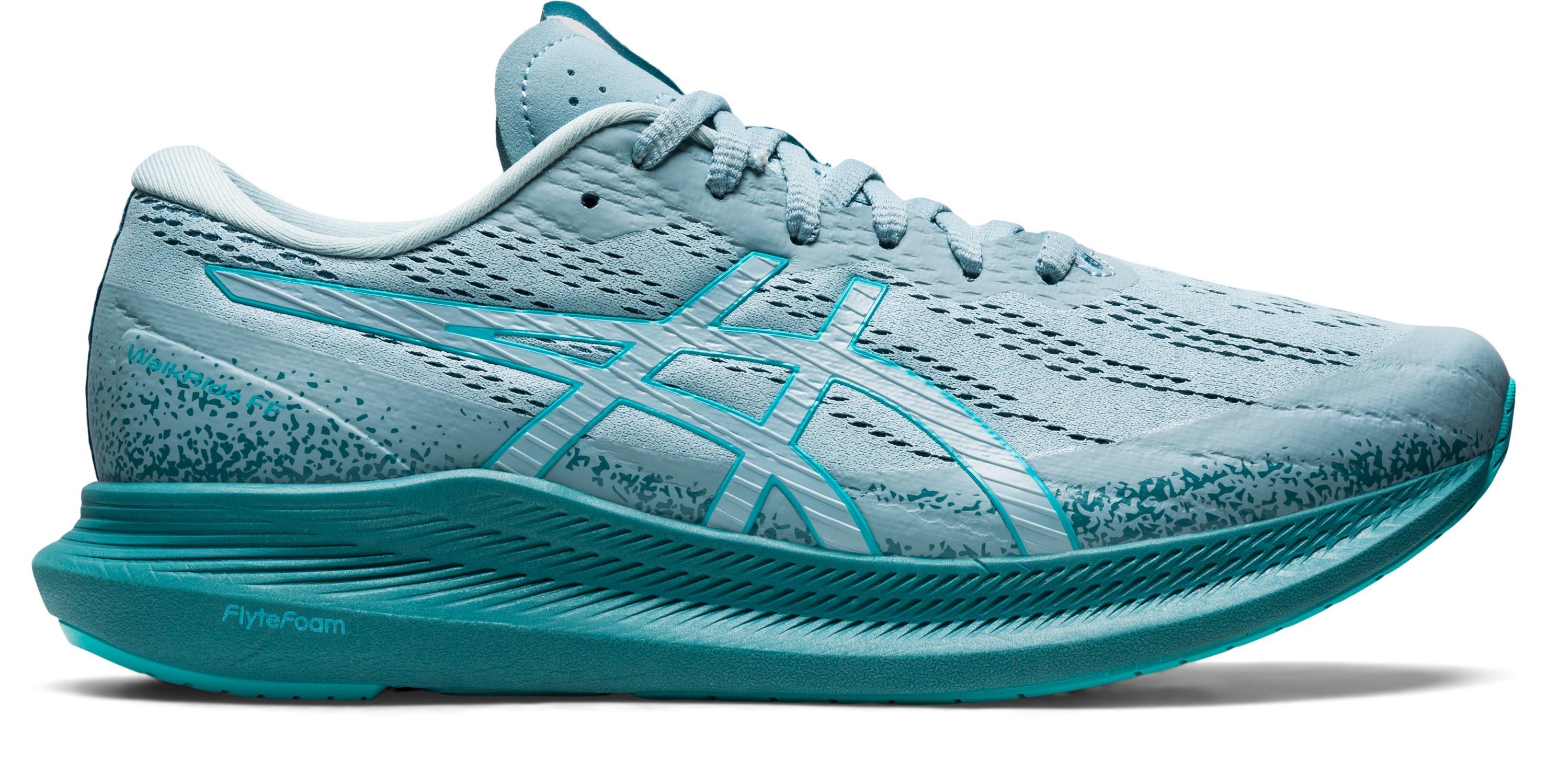
Navigating the market can be daunting, but several brands consistently earn praise from foot care professionals for their evidence-based designs. It’s important to remember that the “best” shoe is highly individual, dependent on your foot type, gait, and specific needs. However, certain models are frequently cited as benchmarks in the category of podiatrist recommended walking shoes. Brands like New Balance, with their extensive width sizing and focus on stability technologies like Rollbar, are perennial favorites for those needing extra motion control. HOKA, once a niche brand, has gained massive podiatrist endorsement for its maximalist cushioning, which is particularly beneficial for individuals with arthritic joints or those who walk on hard surfaces, as the meta-rocker geometry promotes a smooth gait. Another standout is the ASICS Gel series, which utilizes silicone-based Gel cushioning units at impact points, a technology developed through extensive impact force research. These recommendations aren’t pulled from thin air; they are echoed across platforms from Quora discussions where podiatrists contribute, to YouTube channels like “The Foot & Ankle Center,” where specialists break down shoe reviews from a clinical perspective.
Investing in Your Foundation: The True Value of Quality Footwear
Some may balk at the price tag of high-end walking shoes, viewing them as a luxury rather than a necessity. This is a fundamental miscalculation. Consider this perspective from the world of ergonomics: just as an office worker invests in an ergonomic chair to prevent back pain, an active individual must invest in proper footwear to prevent a myriad of lower limb problems. The cost of physical therapy, custom orthotics, or dealing with chronic pain far outweighs the initial investment in a quality pair. Moreover, the market has evolved to offer value. Many reputable brands provide previous-season models or factory-direct sales at significantly discounted prices, making professional-grade footwear more accessible. The key is to prioritize the technical features—the support, stability, and fit—over superficial aesthetics. When you purchase a pair of podiatrist recommended walking shoes, you are not buying a commodity; you are procuring a piece of preventative healthcare equipment. It is an investment that pays dividends in miles of comfortable, pain-free movement, enhanced energy levels, and the preservation of your body’s natural mechanics for years to come.
Your journey toward all-day comfort begins from the ground up. The search for the perfect walking shoe is a pursuit of alignment—between your body’s mechanics and the technology designed to support them. By prioritizing shoes built on podiatric principles, you move beyond guesswork and into a realm of informed choice. These shoes are the silent partners in your daily adventures, engineered to absorb impact, guide motion, and provide a stable platform for every step you take. Embrace the knowledge that comfort is not a passive sensation but an active achievement of good design meeting biological need. Let your next step be your most supported one.

