

Discover the Best Podiatrist Recommended Walking Shoes for All-Day Comfort
Your feet are your foundation, and the shoes you choose can either support a lifetime of movement or lead to a cascade of discomfort and injury. For anyone who spends significant time on their feet—whether navigating city streets, exploring nature trails, or managing the demands of a busy workday—the quest for truly comfortable footwear is paramount. This isn’t merely about fashion or fleeting trends; it’s about biomechanical health. The right pair of walking shoes acts as essential equipment, engineered to align, cushion, and propel you efficiently. This guide cuts through the marketing noise to focus on the gold standard: podiatrist recommended walking shoes. We will delve into the scientific principles behind their design, explore the critical features that define them, and examine specific models that consistently earn professional endorsements. Our goal is to equip you with the knowledge to make an informed choice, transforming your daily steps from a potential source of strain into a seamless, comfortable experience.
The Science of Stride: Why Podiatrist Endorsement Matters
Podiatry, the branch of medicine devoted to the study, diagnosis, and treatment of disorders of the foot, ankle, and lower extremity, provides the authoritative lens through which we must evaluate footwear. A podiatrist’s recommendation is not a casual preference; it is a clinical opinion grounded in anatomy, kinesiology, and pathology. The human foot is a complex structure comprising 26 bones, 33 joints, and over a hundred muscles, tendons, and ligaments. During the gait cycle—the sequence of movements from heel strike to toe-off—this structure absorbs forces equal to multiples of your body weight. Improper footwear can disrupt this delicate biomechanical symphony, leading to issues far beyond foot pain. As noted by the American Podiatric Medical Association (APMA), poorly designed shoes can contribute to problems including plantar fasciitis, metatarsalgia, bunions, Achilles tendonitis, and even manifest as knee, hip, or lower back pain. Therefore, podiatrist recommended walking shoes are specifically designed to accommodate and support the foot’s natural function. They prioritize features that promote stability, distribute pressure evenly, and provide appropriate cushioning without sacrificing necessary structural support. Choosing such footwear is a proactive investment in your musculoskeletal health, a fact underscored by countless clinical observations and biomechanical studies from institutions like the Mayo Clinic and Harvard Medical School, which consistently link proper footwear with reduced injury risk and improved mobility.
:max_bytes(150000):strip_icc()/tal-roundup-podiatrist-loved-shoes-on-sale-tout-bdbf5721fa5642efa38b61f6a5b4ff34.jpg)
Deconstructing the Ideal Walking Shoe: Five Non-Negotiable Features
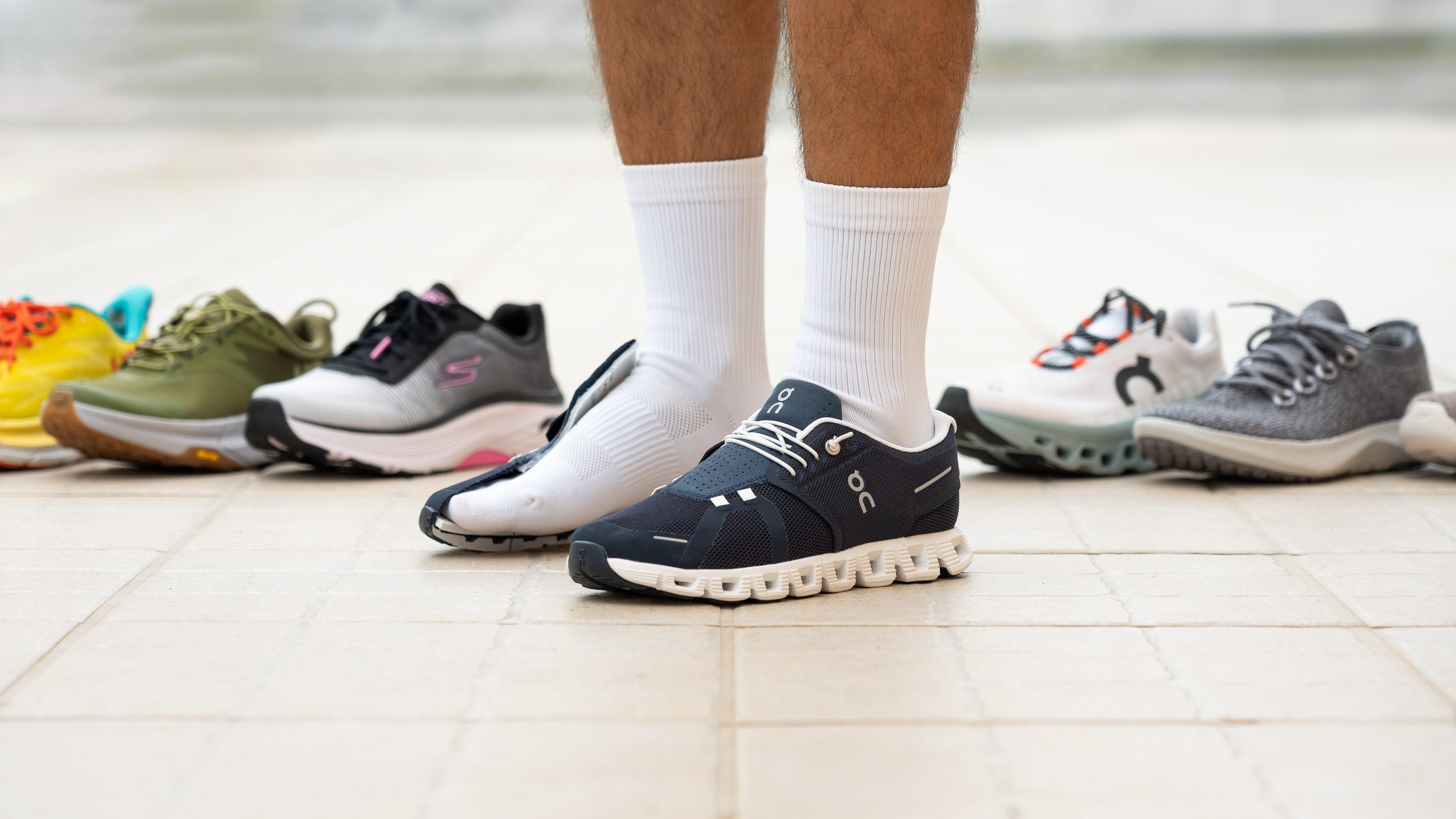
To understand what sets apart a truly supportive shoe, we must move beyond brand names and examine the tangible engineering elements. A superior walking shoe, particularly one that would earn a podiatrist’s nod, is built upon several foundational pillars. First and foremost is arch support. The arch acts as a natural shock absorber; shoes must reinforce this structure rather than collapse under it. Adequate support prevents overpronation (excessive inward roll) or supination (outward roll), aligning the ankle and knee. Second is heel counter rigidity. The firm cup at the back of the shoe stabilizes the heel bone, preventing slippage and controlling rearfoot motion, which is crucial for a stable gait. Third is ample toe box space. The forefoot needs room to splay naturally upon weight-bearing. Constriction here can lead to neuromas, hammertoes, and aggravated bunions. Fourth is strategic cushioning. While ample softness is desirable, it must be intelligently placed—often with greater density in the heel for impact absorption and a softer forefoot for toe-off comfort. Modern materials like EVA, polyurethane, and proprietary gels (like GEL in ASICS or Fresh Foam in New Balance) provide this responsive cushioning. Finally, a flexible yet supportive sole is key. The shoe should bend easily at the ball of the foot (matching your foot’s natural flexion) but remain torsionally rigid to prevent twisting. These features, when harmonized, create the environment for all-day comfort and are the hallmarks of any credible podiatrist recommended walking shoes list.
Beyond the Basics: Materials, Breathability, and Fit Philosophy
While structural features form the skeleton of a great walking shoe, the materials and fit philosophy give it life and longevity. The upper material must balance durability, breathability, and adaptability. Modern mesh fabrics, often engineered with zones of varying weave density, allow for optimal air circulation, reducing moisture and heat buildup—a key factor in preventing blisters and fungal infections. Leather and synthetic leather overlays provide structure and targeted support. The insole, or sock liner, is equally critical. Many podiatrist recommended walking shoes come with removable orthotic-friendly insoles, allowing for customization with custom or over-the-counter orthotics if needed. The fit philosophy advocated by podiatrists often contradicts common shoe-shopping habits. The ideal fit should be assessed at the end of the day when feet are naturally slightly swollen. There should be about a thumb’s width (roughly 3/8″ to 1/2″) of space between your longest toe and the end of the shoe. The shoe should feel secure at the heel and midfoot without any pinching or pressure points across the top or sides. As renowned sports medicine podiatrist Dr. Ray McClanahan has often emphasized, footwear should allow the foot to function as if barefoot, but with protection. This means a shape that mimics the natural foot, not one that conforms to a fashionable, tapered last. This holistic view of materials and fit ensures the shoe works in concert with your foot’s physiology throughout the day.
Spotlight on Standouts: Categories of Podiatrist-Approved Footwear
The market offers a diverse range of shoes that meet rigorous podiatric standards. They can be broadly categorized to suit different needs and preferences. First are the Maximum Cushion Daily Walkers. Brands like HOKA ONE ONE have revolutionized this category with their oversized midsoles, providing exceptional shock absorption for those with joint sensitivities or who primarily walk on hard surfaces. Models like the HOKA Bondi or Clifton are frequently cited by podiatrists for patients with arthritis or heel pain. Second are the Stability-Focused Walkers. For individuals who overpronate, shoes with firmer medial (inner-side) posts are essential. The Brooks Adrenaline GTS series and the ASICS GT-2000 series are quintessential examples, offering guidance without being overly restrictive. Third are the Natural Motion/Zero-Drop Options. Inspired by barefoot science, these shoes, like certain models from Altra, feature a level platform from heel to toe and a wide toe box. They encourage a more natural gait and foot muscle engagement, though they require an adaptation period and are best for those without significant pre-existing biomechanical issues. Finally, there are Stylish yet Supportive Casual Walkers. Brands like Vionic and ECCO have mastered integrating podiatric principles into leather casual shoes and sandals, proving that orthotic support doesn’t have to look clinical. Each of these categories represents a different solution within the universe of podiatrist recommended walking shoes, addressing specific foot types and lifestyle demands.
:max_bytes(150000):strip_icc()/shp-best-brooks-walking-shoes-tout-f67df3ab5afa4c08a24a63ae6dca3444.jpg)
Investing in Your Foundation: Value, Longevity, and Smart Shopping
Purchasing high-quality, professionally endorsed footwear is an investment, but it need not break the bank. Understanding the value proposition is key. A well-constructed pair of podiatrist recommended walking shoes is engineered with higher-grade materials, more sophisticated technology, and better quality control than discount alternatives. This translates to longer wear life—often 300-500 miles of walking—and consistent performance throughout. The cost per mile of comfort and protection is remarkably low. To shop smartly, consider the following tactics. First, get professionally fitted at a specialty running or walking store where staff are trained in gait analysis. Use this knowledge to then shop online for the best prices. Second, look for previous-season models or colorways, which often see significant discounts while offering identical core technology. Third, sign up for brand newsletters and retailer alerts for sale notifications. Fourth, consider the shoe’s intended use; a dedicated walking shoe will deteriorate less quickly than one used for cross-training or running. As the adage goes, “Don’t skimp on anything that separates you from the ground.” This wisdom, applicable to tires and mattresses, is profoundly true for footwear. The right pair prevents pain, enhances energy, and supports an active lifestyle, delivering returns that far exceed the initial financial outlay.
:max_bytes(150000):strip_icc()/podiatrist-recommended-walking-shoes-e1b90077185d4e6cadbf6327c4d17db7.jpg)
Your Path Forward: Stepping into Sustained Comfort
The journey to finding your perfect walking companion begins with acknowledging that your feet deserve expert-level care. By prioritizing the principles of podiatric science—rigorous arch support, stable heel counters, spacious toe boxes, and responsive cushioning—you move beyond guesswork. The evidence from clinical practice and biomechanical research is clear: footwear designed in harmony with human anatomy prevents injury and fosters effortless movement. Whether your priority is cloud-like cushioning, precise motion control, or a more natural foot strike, the spectrum of available podiatrist recommended walking shoes offers a tailored solution. Let this knowledge guide your next purchase. Listen to the professionals who dedicate their careers to foot health, and listen to your own body’s feedback. When you lace up a pair engineered for true support, you’re not just putting on shoes; you’re equipping yourself for miles of confident, comfortable exploration. The path to all-day comfort is paved with informed choices, and it starts with the very foundation of every step you take.
