

Discover the Best Podiatrist Recommended Walking Shoes for All-Day Comfort
Your feet are the foundation of your movement, and the shoes you choose can either be a source of relentless support or a catalyst for chronic discomfort. For anyone who spends significant time on their feet—whether navigating city streets, exploring nature trails, or managing the demands of a busy workday—the quest for the perfect walking shoe is paramount. This isn’t merely about fashion or fleeting trends; it’s a physiological necessity. The wrong footwear can lead to a cascade of issues, from plantar fasciitis and bunions to knee and back pain. Conversely, the right pair can transform your daily experience, offering a sense of effortless propulsion and enduring comfort. This guide is dedicated to uncovering the principles behind podiatrist recommended walking shoes, moving beyond marketing claims to the objective, science-backed features that truly matter. We will dissect the anatomy of the ideal walking shoe, drawing from podiatric medicine, biomechanical research, and the aggregated wisdom of experts and long-term users. Our goal is to empower you with the knowledge to make an informed choice, an investment in your mobility and well-being that pays dividends with every step you take.
The Foundation of Foot Health: Why Podiatric Expertise Matters
To understand the value of a podiatrist recommended walking shoe, one must first appreciate the complex engineering of the human foot. It is a marvel of biomechanics, comprising 26 bones, 33 joints, and over 100 muscles, tendons, and ligaments. This structure acts as both a shock absorber and a rigid lever during the gait cycle—the sequence of heel strike, foot flat, mid-stance, heel-off, and toe-off. A podiatrist, a medical specialist in foot and ankle disorders, evaluates how deviations in this cycle, or foot morphology (like flat feet or high arches), can lead to pathology. Dr. Miguel Cunha, founder of Gotham Footcare in New York City, often emphasizes that “shoes are the environment in which your feet live all day. An improper environment creates stress, friction, and abnormal biomechanics.” This perspective is echoed in literature from institutions like the American Podiatric Medical Association (APMA), which grants its Seal of Acceptance to products that promote good foot health. A shoe bearing this seal has been vetted by a committee of podiatrists to ensure it meets specific standards for safety and function. Therefore, a podiatrist recommended walking shoe is not a subjective preference but a prescription of sorts—a tool designed to create a healthy biomechanical environment, preventing injury by aligning with the foot’s natural function rather than fighting against it.
Decoding the Anatomy of the Perfect Walking Shoe
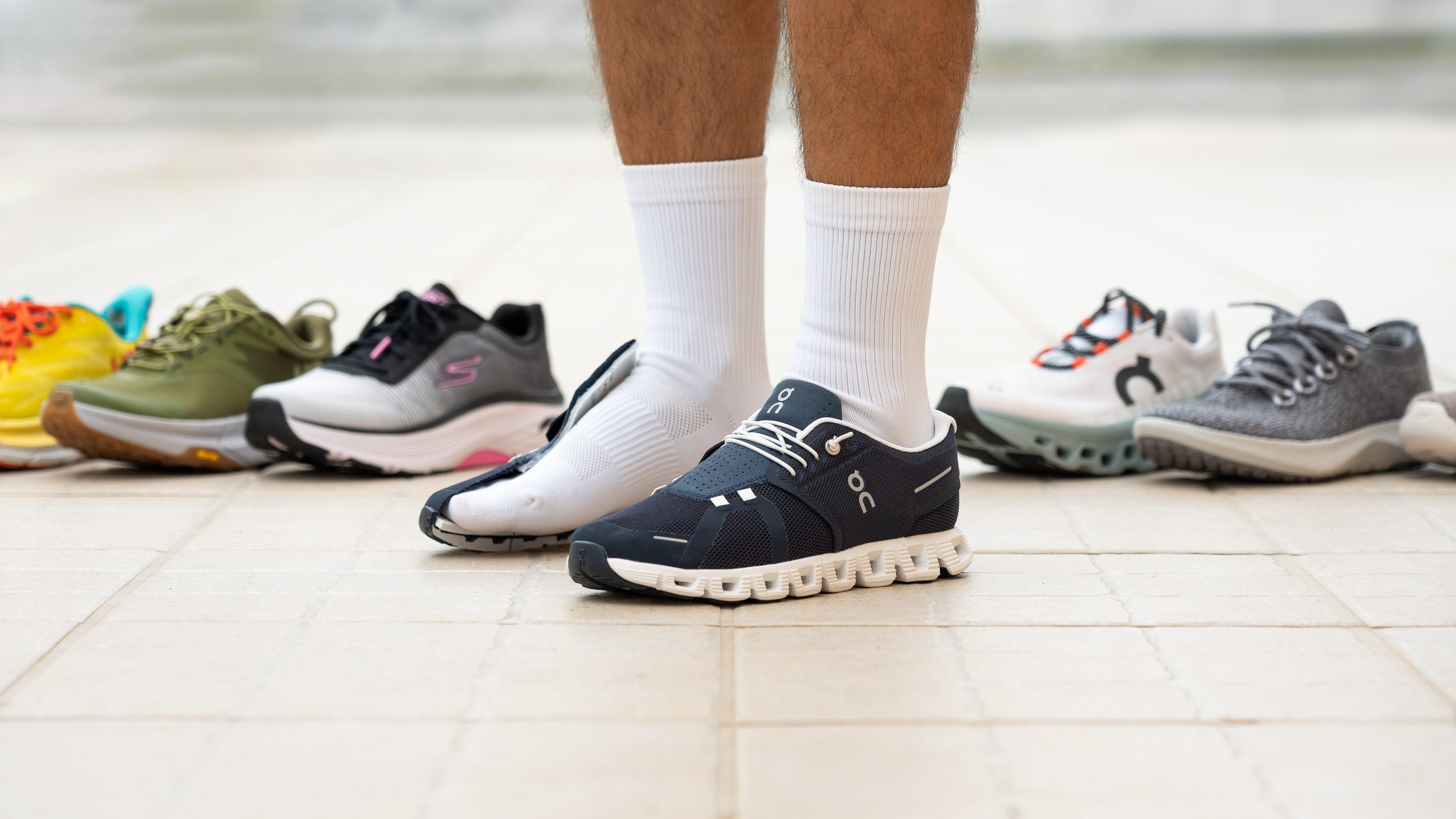
Let’s dissect the critical components that transform an ordinary sneaker into a genuine podiatrist recommended walking shoe. First and foremost is arch support. Contrary to popular belief, support isn’t about a hard, unyielding structure. According to biomechanics research from universities like Stanford, effective arch support dynamically cradles the arch, preventing excessive pronation (inward rolling) or supination (outward rolling). This control stabilizes the entire kinetic chain, from the ankle to the knee and hip. Next is heel counter rigidity. The heel counter is the firm cup at the back of the shoe. A study cited in the Journal of Orthopaedic & Sports Physical Therapy found that a firm, well-structured heel counter significantly reduces rearfoot motion, enhancing stability and protecting the Achilles tendon. The midsole is the heart of cushioning. Materials like EVA (ethylene-vinyl acetate) foam, polyurethane, and proprietary compounds like ASICS’ FlyteFoam or Brooks’ DNA LOFT offer a balance of softness for shock absorption and resilience for energy return. A rocker sole—a subtly curved profile from heel to toe—is a feature frequently highlighted by podiatrists like Dr. Jacqueline Sutera. She notes on platforms like Quora and in interviews that this design facilitates a smoother gait transition, reducing strain on the plantar fascia and calf muscles. Finally, a roomy toe box is non-negotiable. The American Academy of Orthopaedic Surgeons warns against pointed, narrow toe boxes that can compress the forefoot, leading to neuromas, hammertoes, and bunions. A thumb’s width of space beyond your longest toe allows for natural splay and swelling that occurs during prolonged activity.
Navigating Foot Types and Gait Patterns: A Personalized Approach
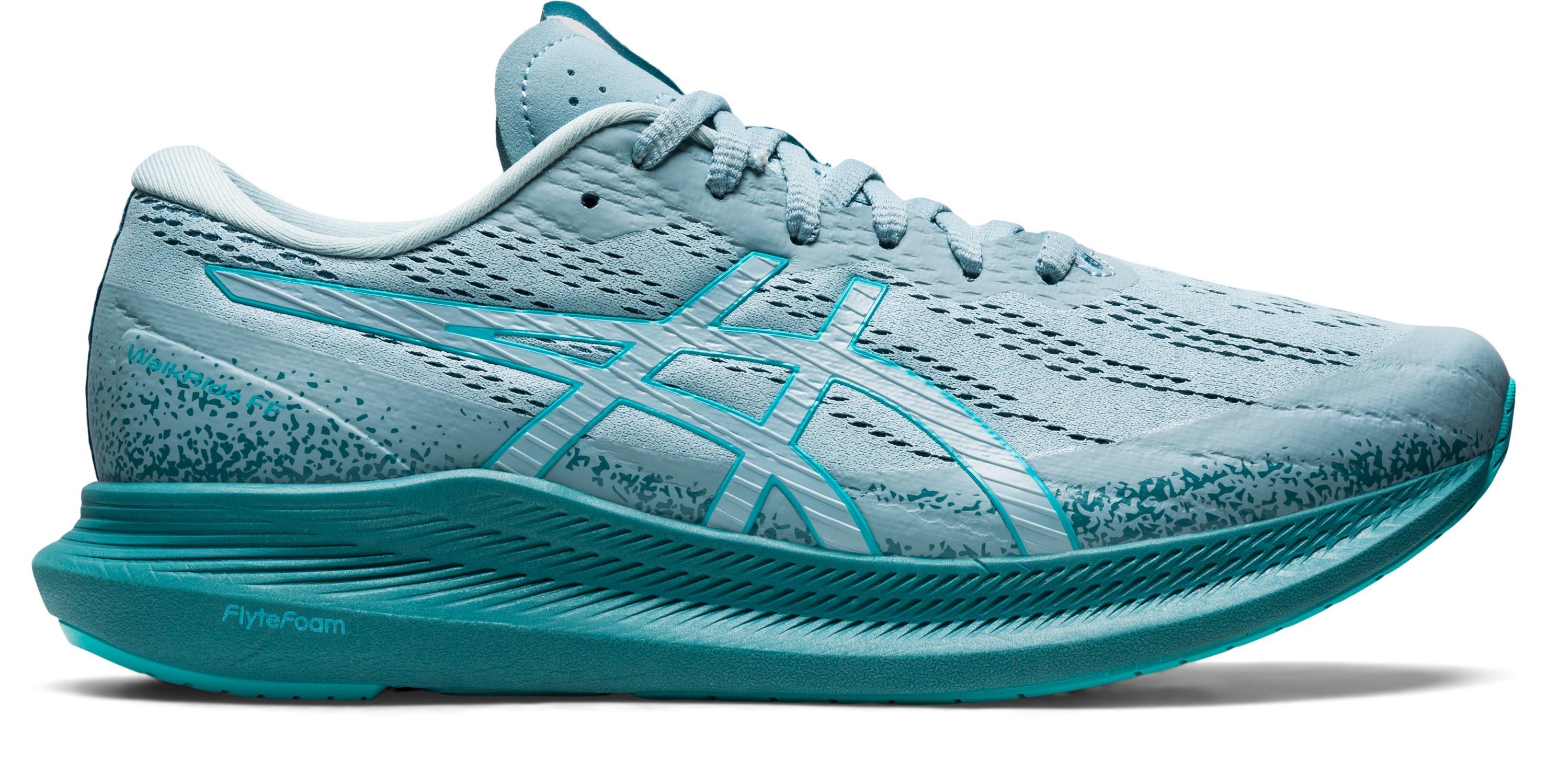
One of the most critical insights from podiatric medicine is that there is no universal “best” shoe. The ideal pair is a match for your unique foot structure and gait. This is where the recommendation of a podiatrist recommended walking shoe becomes personalized. Individuals with flat feet (pes planus) or overpronation require shoes with substantial medial (inner side) support and motion control features to prevent the arch from collapsing excessively. Brands like Brooks (Adrenaline GTS) and New Balance (1540 series) often excel here. Conversely, those with high arches (pes cavus) or underpronation need shoes with enhanced cushioning and flexibility to compensate for their foot’s natural rigidity and poor shock absorption. Models like the HOKA ONE ONE Bondi or the ASICS GEL-Nimbus are frequently cited in this category. The neutral foot, which pronates moderately, has the widest selection, favoring balanced shoes like the Saucony Ride. Determining your foot type can be done via a “wet test” (observing your footprint on a dry surface) or, more accurately, through a gait analysis at a specialty running store or a podiatrist’s office. This analysis, often using pressure plates or video, provides objective data on how your foot strikes and rolls. Investing time in this diagnosis is as crucial as the shoe purchase itself, ensuring the sophisticated technology in a podiatrist recommended walking shoe is working in harmony with your body, not against it.
Beyond the Hype: Materials, Breathability, and Durability
While cushioning and support systems garner most attention, the materials constituting the shoe’s upper and outsole are equally vital for all-day comfort. A breathable upper, typically engineered mesh, is essential for thermoregulation. It allows heat and moisture to escape, keeping feet cool and dry, thereby preventing blisters and fungal infections. The importance of moisture-wicking linings is a point consistently made by hikers and long-distance walkers on forums like Reddit’s r/walking, where user-generated reviews offer real-world durability tests. The outsole material, usually carbon rubber or blown rubber, determines traction and longevity. Carbon rubber, often placed in high-wear areas like the heel, is more durable, while blown rubber is lighter and offers better cushioning. A podiatrist’s lens extends to these details; for instance, a shoe with a flexible forefoot but a stable heel allows for the natural windlass mechanism—the tightening of the plantar fascia that helps propel you forward. As noted in The Principles of Anatomy as Seen in the Foot by J. H. Hicks, this mechanism is crucial for efficient walking. Therefore, a podiatrist recommended walking shoe considers the holistic interaction of all materials over the shoe’s lifespan, ensuring that comfort and support don’t degrade prematurely after a few hundred miles of use.

Integrating Expert Voices and Real-World Validation
The credibility of a recommendation is fortified when it converges from multiple authoritative sources. Beyond the APMA Seal, many podiatrists actively share their insights on public platforms. On YouTube, channels like “Foot & Ankle Center” break down shoe reviews with clinical precision. On Twitter, professionals like Dr. Ray McClanahan, a proponent of natural foot shape, advocate for specific toe box dimensions. Literature also provides timeless wisdom. In the book Born to Run, author Christopher McDougall explores the anthropology of running, indirectly highlighting the importance of footwear that doesn’t inhibit natural movement—a principle that aligns perfectly with modern podiatric advice for walkers. Furthermore, websites like Runner’s World and Verywell Fit routinely consult podiatrists for their annual “Best Walking Shoes” lists, creating a curated selection based on lab testing and expert panels. This multi-source validation is crucial. It means that when you choose a shoe frequently appearing on these lists—be it a Brooks Ghost, a New Balance 990, or an ASICS GT-2000—you are not relying on a single opinion but a consensus built from biomechanical science, clinical experience, and mass-user feedback. This convergence is the hallmark of a truly reliable podiatrist recommended walking shoe.
:max_bytes(150000):strip_icc()/shp-best-brooks-walking-shoes-tout-f67df3ab5afa4c08a24a63ae6dca3444.jpg)
Making the Investment: Where Knowledge Meets Value
Armed with this knowledge, the final step is a practical one: acquisition. High-quality podiatrist recommended walking shoes are an investment in health, but they need not break the bank. First, prioritize fit over brand name. Always try shoes on in the afternoon when feet are naturally slightly swollen. Wear the socks you intend to walk in. Walk around the store for several minutes, feeling for any points of pressure or slip. Many specialty retailers offer generous return policies even after outdoor wear. To find discounted prices, consider shopping for previous model years. Shoe technology evolves incrementally, and last year’s top-rated model often offers 95% of the performance at a 30-40% discount. Websites that specialize in overstock or authenticated resale markets can be excellent resources. Furthermore, some podiatry clinics have partnerships with local retailers, offering patients a professional fitting service and sometimes a discount. Remember, the cost of a quality pair of shoes pales in comparison to the potential cost—both financial and in quality of life—of treating a foot condition caused by inadequate footwear. By viewing your purchase through the lens of preventive healthcare, the value becomes unequivocal.
The journey to finding all-day comfort begins with respecting the intricate biology of your feet and ends with the informed selection of their daily habitat. Podiatrist recommended walking shoes represent the synthesis of medical science, material engineering, and ergonomic design. They are not a luxury but a fundamental tool for preserving mobility and preventing pain. By understanding the principles of arch support, gait alignment, and proper fit, you move from being a passive consumer to an active participant in your own foot health. Let this knowledge guide you to a pair that doesn’t just carry you through your day but actively enhances every step of your journey. Your feet, and indeed your entire body, will thank you for the miles to come.
