

The Ultimate Wardrobe Essential
In the vast universe of fashion, where trends flicker and fade with the seasons, there exists a singular, unwavering constant: the power of a foundational piece. It is not the loudest item in your closet, nor the one that screams for attention. Instead, it is the quiet workhorse, the versatile anchor that transforms disparate elements into a coherent, confident statement. This article is not about fleeting whims; it is a testament to the calculated, enduring power of essentialism in dress. We will dissect the philosophy, the science of versatility, and the undeniable authority of specific, iconic items. Our journey will be grounded in objective reasoning, drawing from design theory, cultural anthropology, and the documented wisdom of style authorities. By the end, you will possess not just a list of items, but a framework for building a wardrobe that is both profoundly personal and impeccably functional, delivering professional knowledge and the insight to identify true value, often found in timeless pieces rather than discounted novelties.
The Philosophy of the Essential: Beyond “Basics”
To label a wardrobe item as merely a “basic” is to do it a profound disservice. A true essential transcends this simplistic categorization. It is a piece engineered with intentionality, serving multiple functions across a spectrum of contexts. The concept finds its roots in minimalist philosophy and modernist design principles, where form follows function, and superfluous ornamentation is stripped away to reveal the integrity of the object itself. Architect Mies van der Rohe’s axiom, “less is more,” resonates deeply here. In fashion, this translates to garments and accessories whose value is derived from cut, fabric, and silhouette, not from logos or transient decorative details. As fashion historian Dr. Valerie Steele of The Fashion Institute of Technology has often noted, the most enduring styles in history are those that solve a sartorial problem elegantly. A well-tailored blazer, for instance, solves the problem of structuring the upper body with authority; a pristine white shirt offers a canvas of pure light and refinement. These are not boring items; they are tools of expression. Their simplicity is their strength, providing a stable foundation upon which personal identity—through color, texture, or a statement accessory—can be vividly projected. This philosophy advocates for a curated approach to consumption, prioritizing quality and longevity over quantity, a principle that is both economically and environmentally sound.
The Anatomy of Versatility: A Scientific and Cultural Perspective
What makes an item truly versatile? The answer lies at the intersection of perceptual psychology, social semiotics, and material culture. Scientifically, certain colors and shapes possess inherent neutrality and adaptability. Neutrals like black, white, navy, and beige occupy a unique space in color theory. They are achromatic or low-chroma, meaning they do not compete with other hues on the color wheel. This allows them to act as visual “spacers” or connectors, creating cohesion in an outfit. From a cultural standpoint, certain garments have accrued meanings that allow them to cross contextual boundaries. Denim, for example, has evolved from workwear to a symbol of democratic style, acceptable in a wide range of settings depending on its wash and cut. The little black dress, immortalized by Coco Chanel and later Audrey Hepburn, is a case study in semantic flexibility. It can signify mourning, sophistication, rebellion, or timeless elegance based on its styling—a phenomenon analyzed in depth by scholars like Diana Crane in her book “Fashion and Its Social Agendas.” An essential item, therefore, is one with a broad semantic range. It carries just enough cultural coding to be appropriate, but not so much that it is locked into a single message. This versatility is not an accident but the result of design that considers proportion, fabric weight, and detail abstraction. It is the difference between a shirt that can only be worn with a suit and one that can be layered under a sweater, tied at the waist over a dress, or left open over a tank top.
The Unrivaled Authority of the Black Blazer
If one item exemplifies the ultimate wardrobe essential, it is the black blazer. Its authority is virtually unchallenged. Structurally, it provides immediate polish and definition to any silhouette. Psychologically, as numerous studies on “enclothed cognition” suggest, formal attire like a blazer can actually enhance abstract thinking and increase feelings of power and confidence. The black blazer acts as a sartorial punctuation mark—it can turn a pair of jeans and a t-shirt into a deliberate “dressed-down-but-together” look, or it can complete a tailored trouser suit for the boardroom. Its history is rooted in military and masculine tailoring, which lends it an inherent air of command, a quality that has been powerfully co-opted and reinvented by womenswear. Fashion icon and former Vogue editor-in-chief Diana Vreeland once opined on the transformative power of tailoring, a sentiment that lives on in the blazer. It is a piece that commands respect in professional settings while retaining enough edge to work in creative or social environments. The key to its essential status is in the details: a natural shoulder line that doesn’t overwhelm, a length that covers the hips, and a fabric with enough body to hold its shape without stiffness. It is the ultimate tool for navigating the complex dress codes of modern life.
The Quintessential Footwear Power Play: Women Heels Black
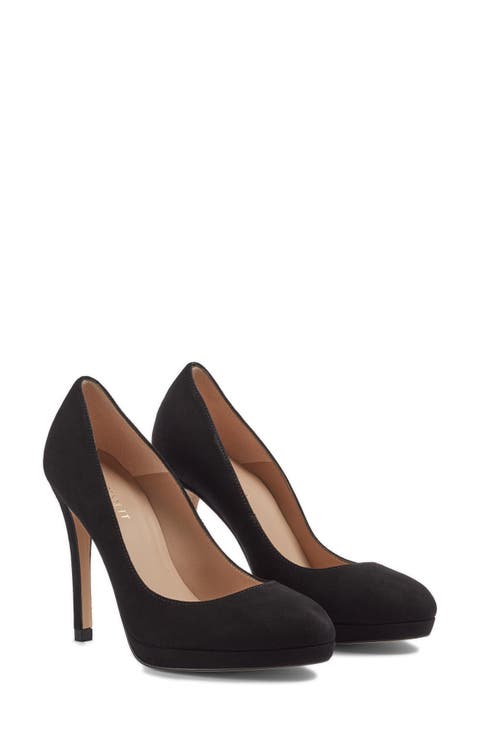
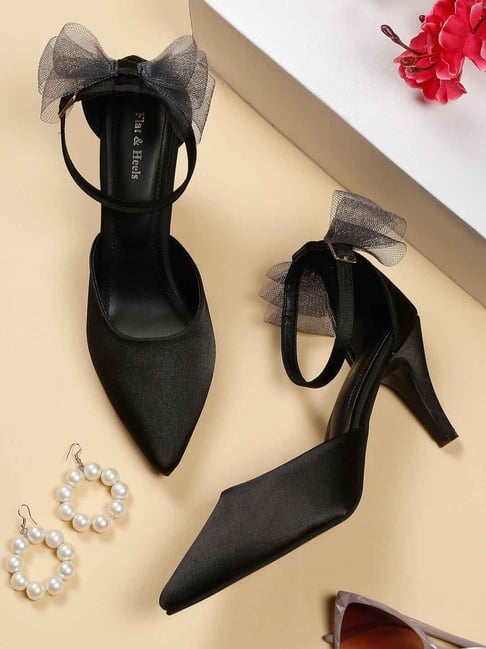
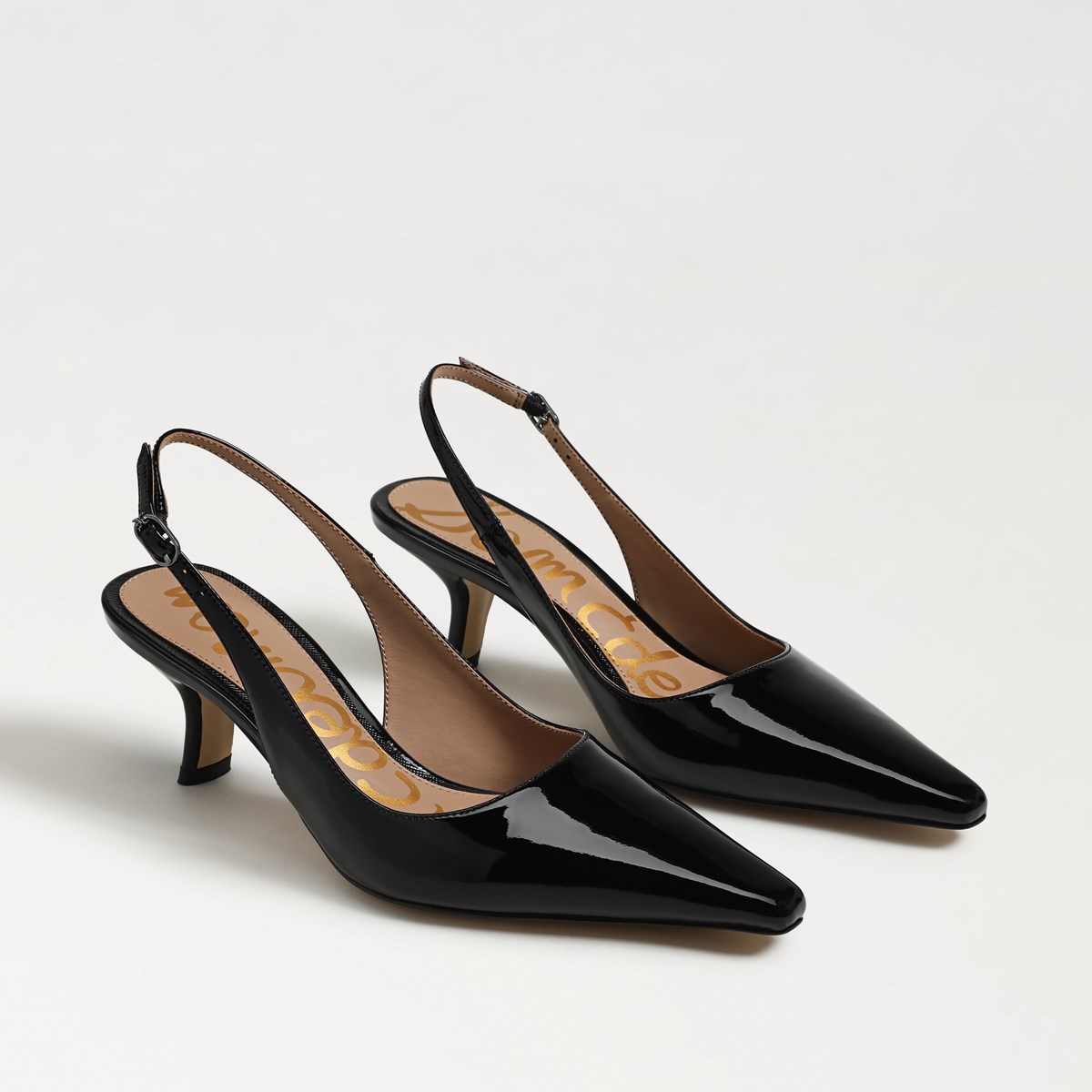
Footwear is the foundation of an outfit, both literally and figuratively. And within this category, few items carry the symbolic and functional weight of a pair of women heels black. To reduce them to mere height-enhancers is to ignore centuries of cultural history and biomechanical design. Heels, historically, have been markers of status, power, and sexuality—from the Persian cavalry to the courts of Louis XIV to the executive suites of the 21st century. A black heel, in particular, neutralizes the potential frivolity often (and often wrongly) associated with heels, transforming them into an instrument of serious style. The color black confers slimming, elongating visual properties, creating a seamless line from leg to toe that is universally flattering and perceived as sophisticated. From a practical standpoint, a well-constructed black heel is the workhorse of a professional wardrobe. A classic black pump, with a manageable heel height and a closed toe, is arguably the most versatile shoe a woman can own. It pairs with everything from pencil skirts to wide-leg trousers, from day into night. The choice of a black heel is a declaration of intent. It says you understand the unspoken rules of a context and choose to engage with them on your own terms. Whether it’s a sleek stiletto, a chunky block heel, or a sophisticated slingback, the common denominator is power and polish. The repeated presence of women heels black in the wardrobes of style icons, from Michelle Obama’s official portraits to the street-style looks of fashion editors, is not a coincidence; it is a testament to their non-negotiable status. Investing in a quality pair of women heels black is investing in a tool for self-presentation that works tirelessly across countless scenarios. The next time you see a pair of women heels black, consider them not just as shoes, but as strategic assets.

The Denim Archetype: More Than Just Jeans
Denim, in its ideal essential form, is a perfect pair of jeans. But this is not about just any jeans. The essential denim is a archetype—a five-pocket, mid-wash, straight-leg or slightly tailored fit in a non-stretch or minimal-stretch cotton denim. Why this specific formula? It represents the platonic ideal of the garment, balancing heritage, comfort, and modernity. Denim’s journey from durable workwear for miners and cowboys to a global symbol of youth and rebellion is well-documented in cultural studies. Its adoption by figures like James Dean and Marilyn Monroe cemented its status as a canvas for personal identity. The “perfect” pair acts as a neutral. Its mid-wash is neither too light (which can lean casual) nor too dark (which can read as formal or raw), making it a true pivot point. It can be dressed up with a silk blouse and the aforementioned women heels black, or dressed down with a sweatshirt and sneakers. The slight rigidity of the fabric ensures it holds its shape, lending structure to the wearer’s silhouette. As designer and denim specialist Adriano Goldschmied has famously stated, great denim is about the “memory of the fabric”—how it molds to the body over time while retaining its essential character. This pair becomes a personal record, fading and softening in unique ways, making it irreplaceable. It is the ultimate democratic luxury, offering unparalleled cost-per-wear value and becoming more valuable with time, unlike nearly any other item in your closet.
The White Shirt: A Canvas of Infinite Potential
The white shirt is the blank page of the wardrobe. Its purity and simplicity are its superpowers. In visual art, white space is not empty space; it is active, defining the relationships between other elements. So it is with the white shirt. It provides contrast, reflects light onto the face, and offers a crisp, clean backdrop. Its history is intertwined with notions of propriety and professionalism, originally derived from men’s dress shirts. This heritage gives it an automatic formality that can be played with or against. The essential white shirt is defined by precise details: a fabric with substance (like poplin or oxford cloth), a collar that lies flat, and a cut that skims the body without being tight. It is a piece that demands a slight investment, as cheap fabrics and poor construction become glaringly obvious. When you wear a superb white shirt, you are wearing a piece of architecture. It can be the star of the show, tucked into high-waisted trousers with statement sleeves, or it can play a supporting role, layered under a sweater with just the collar and cuffs peeking out. It works under a blazer, over a swimsuit, or tied at the waist. Its versatility is limitless because its meaning is malleable. It can channel androgynous cool, romantic elegance, or strict minimalism based on its styling. It is, in many ways, the most intellectual item in the wardrobe—a piece that speaks through its precision and its silence.
Crafting Your Essential Toolkit: A Personal Blueprint
Understanding the theory is one thing; applying it is another. Building your ultimate wardrobe is a personal archaeological dig. It requires auditing what you already own, identifying the gaps where an essential would provide maximum leverage, and acquiring those pieces with intention. Start by asking functional questions: What do I need to feel confident for my daily life? What single item would make getting dressed easier? The goal is not a uniform, but a curated collection of high-quality, interoperable pieces. This is where professional knowledge translates to practical value. Instead of chasing ten trendy items on sale, the savvy approach is to invest in one impeccable essential at full price, knowing its cost-per-wear will be negligible. Look for natural fibers, sturdy construction (check seams and linings), and timeless silhouettes. Your essentials might differ slightly—perhaps a turtleneck replaces the white shirt for you, or a leather jacket stands in for the blazer. The principle remains: identify the items that perform multiple duties, that feel intrinsically “you,” and that are built to last. This approach is the antithesis of fast fashion; it is slow, considered, and ultimately liberating. It clears the clutter and allows your personal style to emerge with clarity and confidence.
The pursuit of the ultimate wardrobe essential is, at its core, a pursuit of clarity and efficiency in a world of noise and excess. It is an acknowledgment that true style is not about having endless options, but about having the right options. The black blazer, the perfect jeans, the white shirt, and the definitive pair of women heels black are not mere clothing; they are components of a personal toolkit for engaging with the world. They offer the profound confidence that comes from being appropriately, authentically, and powerfully dressed for any occasion. This is not the end of fashion expression, but its most intelligent beginning. When your foundation is solid, every stylistic experiment, every trend you choose to adopt or ignore, becomes more meaningful and more effective. Your wardrobe stops being a source of daily stress and becomes a reliable partner in your daily life.
