

The Ultimate Guide to Stylish and Comfortable Footwear
Footwear is no longer a mere accessory; it’s a statement of personal style, a testament to technological innovation, and a non-negotiable element of daily comfort. The modern pursuit is for shoes that do not force a choice between aesthetics and well-being. This guide delves into the principles that unite style with comfort, moving beyond seasonal trends to foundational knowledge. We will explore the science of support, the evolution of design, and the practical wisdom that allows you to curate a footwear collection that feels as good as it looks. The journey begins with understanding that true style is inherently comfortable, and the most comfortable shoes are those you wear with confidence.
The Anatomy of Comfort: Beyond Soft Insoles
Comfort is a complex engineering feat, not just a feeling. It begins with the last—the foot-shaped form around which a shoe is built. A well-designed last accommodates the natural splay of the toes, the arch’s curvature, and the heel’s contour. Scientifically, pressure distribution is key. Research from biomechanics labs at institutions like the University of Massachusetts Amherst highlights how improper pressure points can lead to conditions like metatarsalgia or plantar fasciitis. Cushioning, often provided by materials like ethylene-vinyl acetate (EVA) or polyurethane (PU) foams, absorbs impact, but its density and placement are critical. A midsole that’s too soft may lack stability, while one that’s too firm transmits shock. Arch support is not a one-size-fits-all proposition; it must correspond to an individual’s arch type (neutral, low, or high) to maintain proper foot alignment. As Dr. Jane Andersen, a past president of the American Association for Women Podiatrists, has noted, “The foundation of your body is your feet. Compromising on shoe structure can have cascading effects on ankles, knees, and the lower back.” Therefore, when evaluating comfort, look for a synergy of features: a roomy toe box, a secure heel counter to prevent slippage, flexible yet supportive construction, and breathable linings that manage moisture.

The 2023 Paradigm: Where Fashion Meets Function
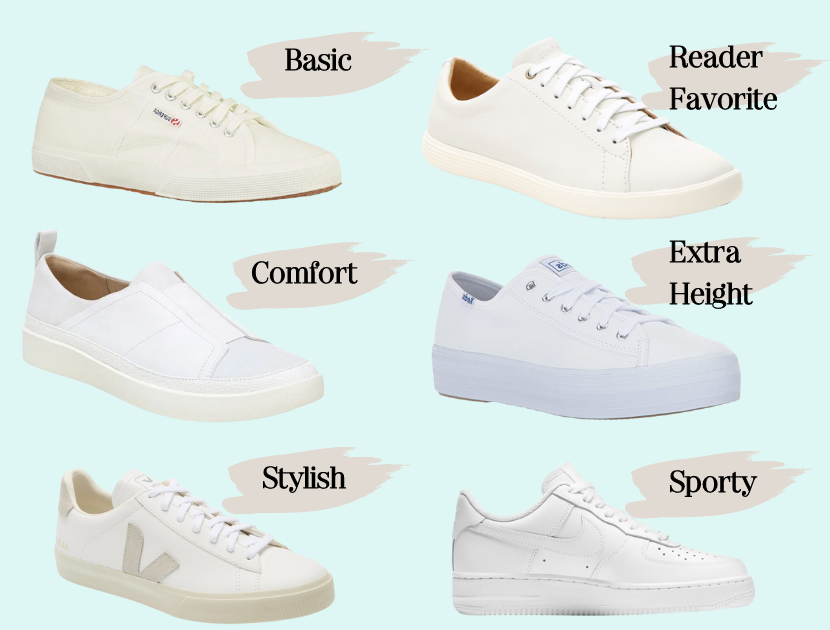
The landscape of stylish, comfortable footwear has been revolutionized, with women’s sneakers 2023 standing at the forefront of this movement. This year’s offerings are a masterclass in hybrid design, blurring the lines between athletic performance and high-fashion sensibility. The trend is not about a single silhouette but a philosophy: versatility. We see chunky soles derived from trail-running shoes paired with sleek leather uppers, creating a grounded, powerful aesthetic. Conversely, minimalist, knit-based sneakers offer a second-skin feel suitable for both the gym and casual offices. A significant driver is the “athleisure” evolution, a term popularized by the fusion of athletic wear with leisure attire, which has now matured into a standalone fashion category. Websites like Vogue and Who What Wear consistently highlight how designers are integrating technical fabrics—such as moisture-wicking linings and recycled mesh—into aesthetically refined packages. The core of the women’s sneakers 2023 trend is intentionality. Each design element, from the color-blocking to the choice of outsole rubber, serves both a visual and a practical purpose. This paradigm ensures that you are not sacrificing posture or foot health for the sake of an outfit; the shoe is an integral, supportive part of the ensemble itself.
Material Innovation: The Science of What Touches Your Foot
The revolution in comfort is deeply material. Gone are the days when leather and canvas were the only options. Today, advanced textiles and sustainable composites define the experience. Knitted uppers, pioneered by brands like Adidas with Primeknit, provide targeted stretch and breathability, adapting to the foot’s shape dynamically. Memory foam insoles, which use viscoelastic polyurethane, contour to the unique topography of your foot, offering personalized cushioning. Perhaps the most exciting development is in sustainable materials. Mycelium-based leather alternatives (like Mylo), pineapple leaf fibers (Piñatex), and recycled plastics from ocean waste are being transformed into durable, luxurious shoe uppers. As Stella McCartney, a pioneer in sustainable fashion, stated in a 2023 interview, “The future of design is circular. The materials we use on our feet should leave a lighter footprint on the earth, while providing superior comfort and performance.” This material science isn’t just eco-friendly; it often results in lighter, more breathable, and more adaptable footwear. When selecting your next pair, investigate the material story—it directly correlates to longevity, foot climate management, and overall tactile pleasure.
Curating Your Collection: Principles Over Trends
Building a wardrobe of stylish, comfortable shoes is an exercise in mindful curation, not impulsive acquisition. The goal is to have a versatile roster where each pair serves a distinct purpose and aligns with your lifestyle. Start with a neutral foundation: a pristine white leather sneaker, a sleek black ankle boot with a low block heel, and a comfortable loafer in a tan or navy suede. These are your wardrobe workhorses. From there, introduce color and trend-based pieces, like a pair of vibrant women’s sneakers 2023 or a patterned slide. The “cost per wear” metric is a valuable tool here. A well-made, classic pair worn 200 times offers far greater value and comfort than a cheap, trendy pair worn only twice before causing discomfort. Consider your daily activities. Do you walk to work? Prioritize all-day comfort with supportive sneakers or walking flats. Have frequent formal meetings? Invest in a pair of “comfort heel” brands that use anatomical footbeds. The wisdom from organization experts like Marie Kondo applies: each pair should “spark joy” not just in appearance, but in the promise of ease and support it brings when you slip it on.
The Investment Mindset: Quality, Care, and Professional Insight
Viewing footwear as an investment shifts the focus from price tag to value over time. Quality construction—such as Goodyear welting, full-grain leather, and sturdy, replaceable soles—ensures shoes can last for years, even decades, with proper care. Professional knowledge is your ally here. A good cobbler can resole, reheel, and refresh shoes, extending their life dramatically. Understanding basic care, like using shoe trees to maintain shape, conditioning leather, and waterproofing suede, is essential. This mindset also applies to fit. The most expensive shoe is a poor investment if it doesn’t fit correctly. Always get measured later in the day when feet are slightly swollen, and prioritize fit over size number. Remember, sizes vary by brand and style. An informed purchase, perhaps aided by reviews from trusted sources like The Strategist or Wirecutter, which often conduct rigorous wear-testing, prevents costly mistakes. This approach naturally leads to smarter spending, where you buy less but better, ultimately saving money and ensuring every step is a comfortable one.
Sustainability and Ethics: The Conscious Step Forward
The modern definition of a “good shoe” now unequivocally includes its environmental and ethical footprint. The footwear industry is a significant contributor to landfill waste and carbon emissions, driving a demand for transparency and responsibility. Brands are responding with life-cycle assessments, carbon-neutral production pledges, and take-back programs for recycling. When evaluating a brand, look for certifications like B Corp, which assesses overall social and environmental performance, or specific material certifications (e.g., Global Recycled Standard). The documentary The True Cost starkly illustrated the human and environmental impact of fast fashion, a lesson that applies directly to footwear. Choosing brands that advocate for fair wages and safe working conditions is a step toward ethical consumption. As author Elizabeth L. Cline argues in her book The Conscious Closet, “Every purchase is a vote for the kind of world you want to live in. Choosing durable, repairable, and sustainably made shoes is a vote for a world with less waste and more equity.” This conscious approach often aligns perfectly with comfort and style, as sustainable brands frequently emphasize timeless design and high-quality, natural materials that age beautifully.

The quest for stylish and comfortable footwear culminates in a more empowered and intentional way of moving through the world. It is a synthesis of self-knowledge—understanding your foot’s needs and your personal style—and external knowledge of materials, construction, and ethical practices. The latest iterations of women’s sneakers 2023 exemplify this perfect marriage, proving that you need not compromise. By applying the principles of anatomical support, material awareness, mindful curation, and conscious consumption, you build a foundation that supports not just your body, but your values and aesthetic vision. Let your footwear be a source of confidence with every step, knowing that what you wear is a reflection of thoughtfulness, care, and intelligent design.
