

The Ultimate Guide to Podiatrist-Approved Walking Shoes
Your feet are your foundation, and the shoes you choose for walking can either build up or break down that foundation over time. This isn’t about fleeting fashion trends or marketing hype; it’s about the long-term health and comfort of your feet, knees, hips, and back. The right pair of walking shoes acts as essential equipment, not just an accessory. This guide cuts through the noise to deliver a professional, science-backed perspective on selecting footwear that truly supports your body’s biomechanics. We’ll move beyond superficial features to the core architectural principles that define a podiatrist recommended walking shoe, providing you with the knowledge to make an informed investment in your mobility.

The Non-Negotiable Architecture: What Defines a Podiatrist-Approved Shoe
To understand why a podiatrist recommended walking shoe stands apart, we must first dissect its anatomy from a medical and biomechanical standpoint. The human foot is a complex structure of 26 bones, 33 joints, and over 100 muscles, tendons, and ligaments. A shoe that respects this engineering is paramount. The primary pillars are stability, cushioning, and fit, but these terms are often misused. True stability refers to a shoe’s ability to control excessive or unnatural motion, particularly overpronation—the inward rolling of the foot and ankle during gait. This is often addressed through features like a medial post (a firmer density of foam on the inner side of the midsole) or a structured heel counter. Cushioning, meanwhile, is not merely about softness. As Dr. Jacqueline Sutera, a New York City-based podiatrist and spokesperson for the American Podiatric Medical Association (APMA), often notes, effective cushioning is about shock attenuation—dissipating the impact forces (which can be 1.5 times your body weight with each step) away from your joints. It’s a balance; too little leads to stress, too much can destabilize. Finally, the fit is scientific. Your feet swell throughout the day and expand under load. A proper fit means about a thumb’s width (roughly 3/8 to 1/2 inch) of space between your longest toe and the end of the shoe, with a secure but not restrictive hold around the midfoot and heel. This triumvirate of features forms the bedrock of any legitimate podiatrist recommended walking shoe.
Decoding the Midsole: The Engine Room of Support
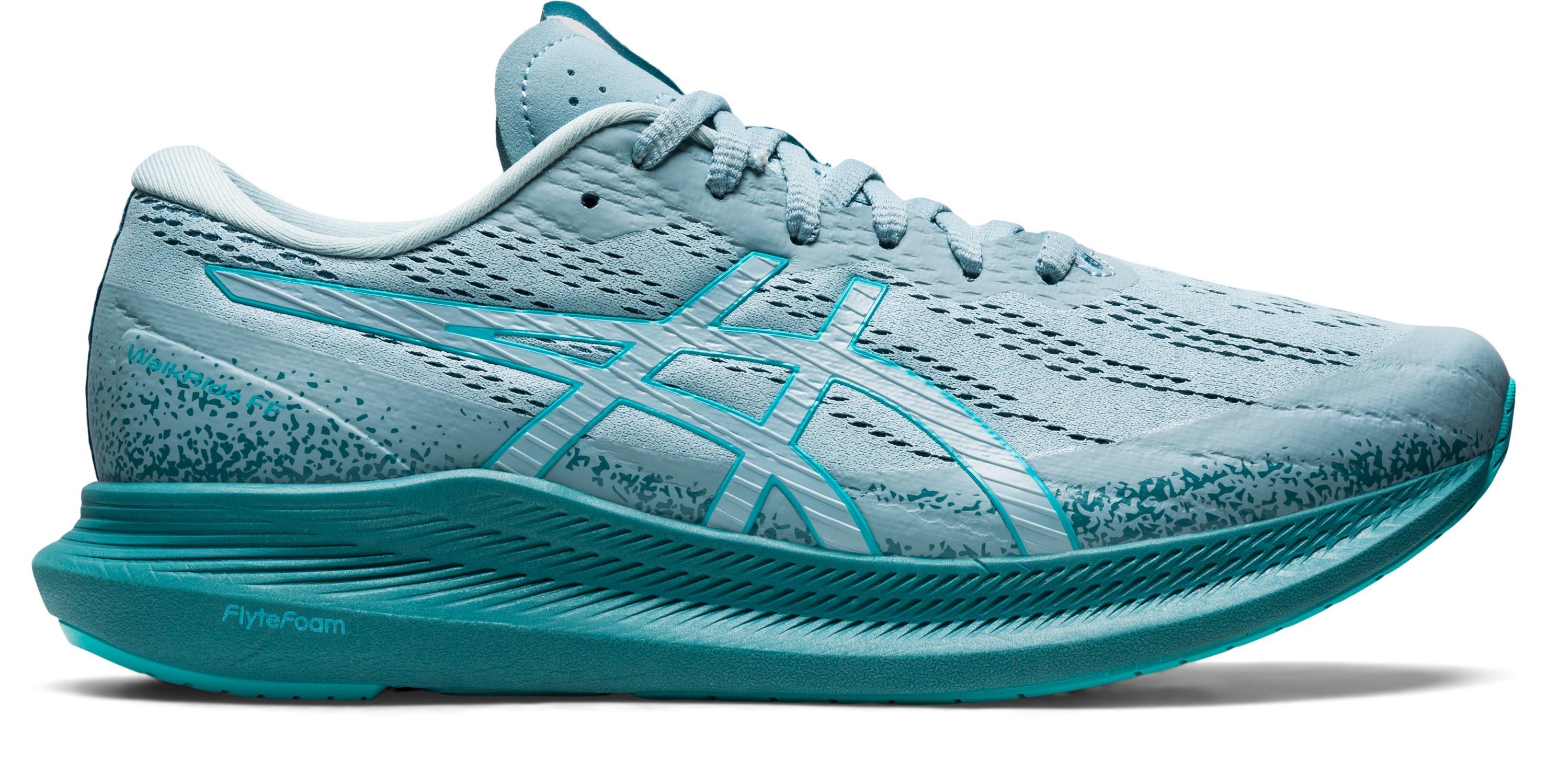
The midsole is the critical, often hidden, component where the battle for foot health is won or lost. This layer between the outsole and the upper is typically made from materials like EVA (ethylene-vinyl acetate) foam, polyurethane, or proprietary compounds like Brooks’ DNA LOFT or ASICS’ FlyteFoam. The science here is in the foam’s density, resilience, and geometry. A dual-density midsole, where a firmer material is placed on the medial (inner) side, is a hallmark of stability shoes designed to combat overpronation. The rocker sole is another podiatrist-favored feature. This design, with a curved sole that promotes a smooth heel-to-toe transition, reduces pressure on the ball of the foot and the metatarsophalangeal joints. It’s a principle backed by literature from institutions like the Harvard Medical School, which highlights its benefits for individuals with conditions like plantar fasciitis or arthritis. The goal is to facilitate a natural gait cycle while providing structured support, preventing the foot from working overtime to compensate for poor shoe design. When you slip on a well-designed shoe, you shouldn’t feel the technology; you should feel your feet moving as they were biomechanically intended to, with the shoe acting as a seamless extension of your body’s own shock-absorbing system.
Beyond the Hype: Evidence-Based Features vs. Marketing Buzzwords
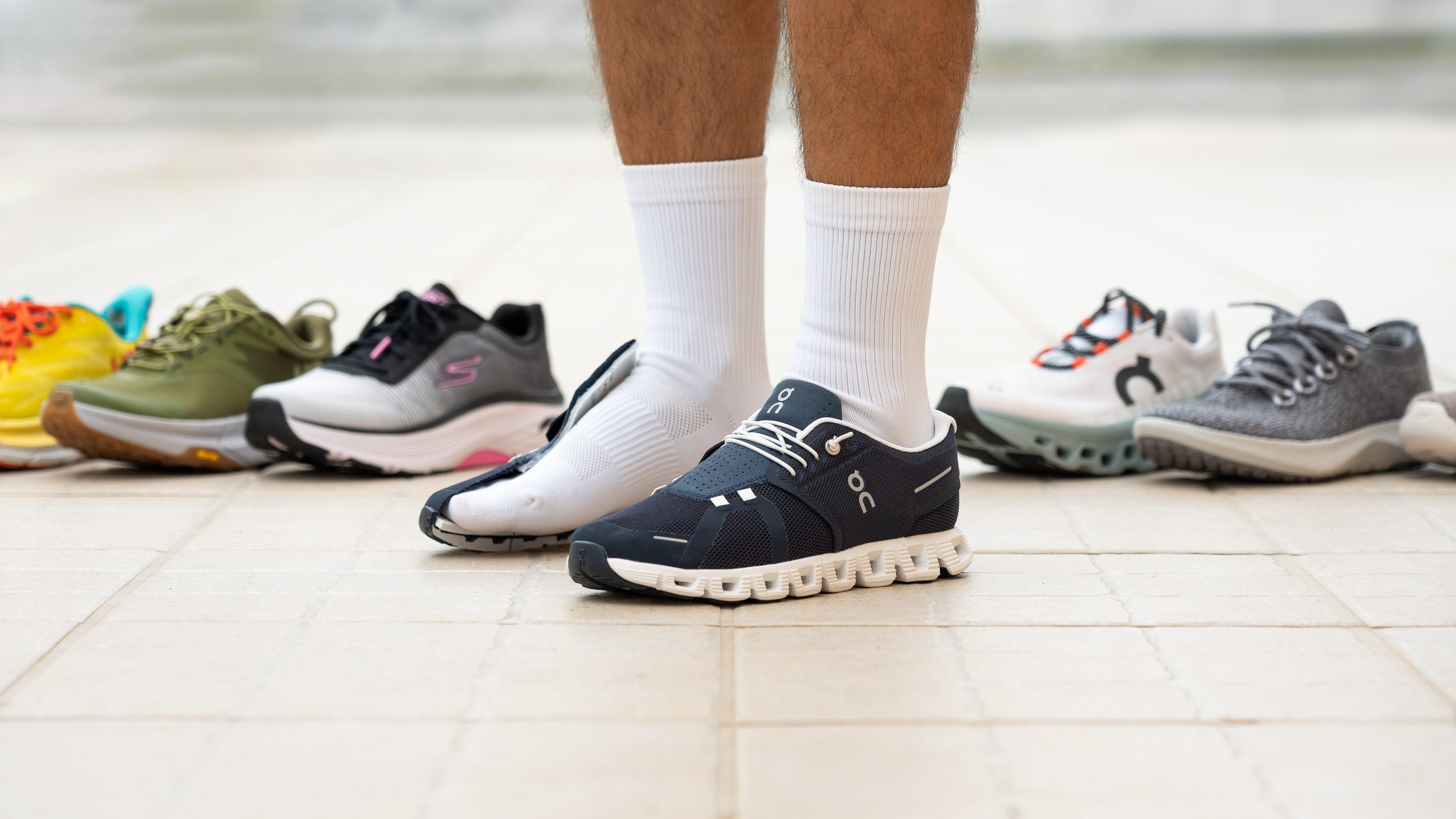
In a market saturated with claims of “energy return,” “barefoot feel,” and “maximal cushioning,” it’s vital to separate evidence-based design from persuasive marketing. Let’s take the minimalist or “barefoot” shoe trend, popularized by books like Christopher McDougall’s Born to Run. While the narrative is compelling, the podiatric consensus, as reflected in statements from the APMA, cautions that a sudden switch to minimalist footwear can lead to a high risk of stress injuries for the unprepared foot. The foot needs time and conditioning to adapt to the lack of support. Conversely, the “maximalist” trend with extremely thick, soft midsoles can create instability, akin to walking on a soft mattress. The evidence for what works often comes from peer-reviewed studies in journals like The Journal of Foot and Ankle Research or Gait & Posture, which consistently emphasize motion control, adequate heel-to-toe drop (the offset between heel and forefoot height), and torsional rigidity for certain foot types. A podiatrist recommended walking shoe is typically one that has earned the APMA’s Seal of Acceptance, meaning it has been reviewed by a committee of podiatrists and found to promote good foot health. This seal is a more reliable indicator than any celebrity endorsement or social media influencer’s praise, as it is grounded in clinical evaluation.
“The right shoe doesn’t change your foot; it allows your foot to function correctly. We’re not looking for a shoe that does the work for you, but one that removes the obstacles to natural, healthy movement.” – A sentiment commonly echoed by practicing podiatrists in professional forums and patient education materials.
The Critical Importance of Gait Analysis
Selecting the perfect podiatrist recommended walking shoe is not a one-size-fits-all endeavor; it is a personalized process that begins with understanding your unique gait pattern. Gait analysis, once confined to professional labs, is now accessible in many specialty running and walking stores. This process involves observing or digitally measuring how your foot strikes the ground and moves through the stance phase (heel strike, midfoot stance, toe-off). Are you a neutral pronator, an overpronator, or do you supinate (roll outward)? This knowledge is power. For instance, a person with severe overpronation will likely benefit from a motion control or stability shoe, while a neutral walker might opt for a cushioned, neutral shoe. Ignoring your gait type and choosing a shoe based solely on aesthetics is, as many podiatrists warn, an invitation for overuse injuries such as shin splints, plantar fasciitis, or iliotibial band syndrome. Think of it this way: you wouldn’t put the wrong grade of fuel in a high-performance engine and expect optimal function. Your body is that engine, and your gait analysis provides the blueprint for the correct fuel—the right shoe. Investing time in this analysis is the single most effective step you can take before investing money in footwear.
:max_bytes(150000):strip_icc()/podiatrist-recommended-walking-shoes-e1b90077185d4e6cadbf6327c4d17db7.jpg)
A Curated Selection: Where Professional Knowledge Meets Value
Armed with this knowledge, let’s apply it. The following categories represent types of podiatrist recommended walking shoes that consistently receive professional praise for their design integrity. Remember, the “best” shoe is the one that matches your specific foot shape, gait, and needs. Prices mentioned are approximate retail, but savvy shoppers can often find previous-season models or sales that bring premium technology into a more accessible range.
For the Stability-Seeking Walker: The Structured Foundation
Brands like Brooks, ASICS, and New Balance have built their reputations in this category. The Brooks Addiction Walker, a frequent APMA Seal recipient, is a classic example. It features a extended progressive diagonal rollbar (a stability technology) and a full-grain leather upper for structured support. It’s designed for those who need significant motion control. Similarly, the ASICS Gel-Tech Neo 4 combines a Guidance Line midsole groove for gait efficiency with rearfoot and forefoot GEL cushioning for shock absorption. These shoes often retail in the $120-$150 range but provide durable construction that, when used primarily for walking, can last for many miles, offering excellent long-term value for those with specific biomechanical needs.
For the Neutral Walker Needing Cushion: The Plush Protector
If your gait analysis reveals a neutral stride but you seek cloud-like comfort for long distances or hard surfaces, shoes like the HOKA Bondi or the Saucony Echelon are benchmarks. HOKA’s maximalist cushioning is actually engineered with a meta-rocker geometry to encourage a smooth transition, a feature podiatrists recommend for reducing strain. The Bondi’s early-stage meta-rocker and full-compression EVA midsole provide exceptional shock attenuation. While the retail price can hover around $160, the investment in injury prevention and comfort during extended periods on your feet is significant. For a more budget-friendly yet highly cushioned option, the Skechers Max Cushioning Premier line often incorporates memory foam and responsive urethane pods, available at discounted prices frequently under $100.
The Everyday Essential: Versatile and Accessible
Not every walk is a dedicated workout. For daily errands and all-day wear, comfort and versatility are key. Brands like Clarks, Ecco, and certain models from Vionic (which are designed by podiatrists) excel here. Vionic shoes, for instance, often feature a built-in orthotic footbed with arch support and a deep heel cup to align the foot. This addresses common issues like plantar fasciitis directly. While some fashion-focused comfort brands may lack the technical midsole components of a dedicated athletic walker, the best in this category prioritize a roomy toe box, a supportive arch, and a flexible but not flimsy sole. Prices vary widely, but quality pairs can be found from $80 to $140, and they serve as the crucial barrier between your feet and the unforgiving surfaces of daily life.
Your journey to pain-free, healthy walking begins with a single, informed step. By prioritizing the architectural principles of stability, cushioning, and fit, seeking evidence over hype, understanding your own gait, and knowing where to find value in the market, you empower yourself to choose footwear that is truly supportive. This isn’t merely about buying shoes; it’s about investing in the fundamental tool that carries you through life. Make that investment count by choosing podiatrist recommended walking shoes designed not just for a season, but for the lifelong health of your foundation.
