

The Ultimate Fashion Footwear Guide
Footwear is not merely a functional necessity; it is a profound statement of identity, culture, and artistry. It bridges the gap between personal expression and societal trends, transforming every step into a potential narrative. This guide delves beyond superficial aesthetics, exploring the scientific principles of comfort, the historical evolution of design, and the cultural forces that elevate a shoe from an accessory to an icon. We will navigate this world with an objective lens, drawing from diverse sources to construct a comprehensive understanding of what makes footwear truly significant.
The Architecture of Comfort: Biomechanics Meets Design
The foundation of any great shoe lies in its unseen engineering. Biomechanics, the study of the structure and function of biological systems through mechanics, is crucial here. According to research from institutions like the University of Massachusetts Amherst’s Biomechanics Laboratory, improper footwear can lead to a cascade of issues, from plantar fasciitis to knee and hip misalignment. The key parameters are cushioning, arch support, and heel counter stability. For instance, the midsole material—be it EVA, polyurethane, or advanced proprietary foams like Adidas’s Boost—directly impacts energy return and shock absorption. A study published in the Journal of Foot and Ankle Research emphasizes that optimal cushioning reduces peak pressure on the metatarsals by up to 35%. Furthermore, the concept of the ‘heel-to-toe drop’ (the height difference between the heel and forefoot) is not a marketing gimmick; it influences Achilles tendon tension and running gait. Therefore, a well-constructed sneaker, such as many models of women’s Gucci sneakers, often incorporates a carefully calibrated drop alongside a flexible yet supportive sole unit, marrying haute couture with podiatric science. The insole, frequently overlooked, is the interface between foot and shoe. Materials like memory foam or orthotic-friendly designs adapt to the foot’s unique topography, providing personalized support that mass-produced flat insoles cannot match.
Cultural Semiotics: What Your Shoes Communicate
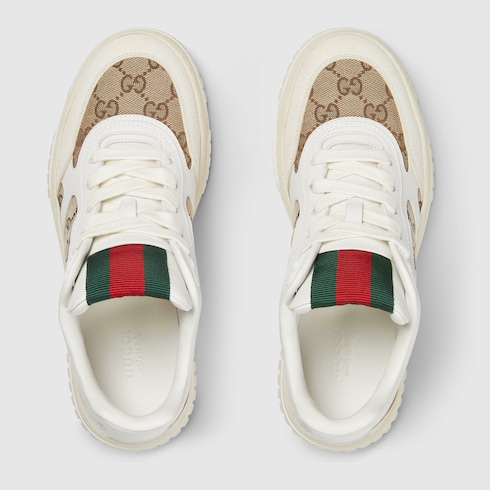
Shoes are potent symbols, dense with cultural meaning. This field, known as semiotics, examines how objects function as signs. As French intellectual Roland Barthes explored in his work “Mythologies,” everyday objects, including fashion items, are embedded with layered social messages. A stiletto heel may connote power and formality, rooted in post-war fashion narratives that linked height with authority, as noted by fashion historian Valerie Steele in her publications for the Fashion Institute of Technology. Conversely, the rise of the sneaker from athletic gear to streetwear staple signifies a cultural shift towards casualization, comfort, and urban identity. The collaboration between high fashion and sportswear, exemplified by brands like Gucci creating intricate women’s Gucci sneakers, represents a blurring of traditional class and activity-based sartorial codes. As filmmaker Sofia Coppola’s nuanced portrayals of femininity often show, a character’s choice of footwear—be it a delicate flat or a chunky sneaker—instantly telegraphs aspects of their personality and context. On platforms like Quora and YouTube, style analysts frequently deconstruct these choices, noting how a pair of logo-emblazoned sneakers can signal both economic capital and subcultural knowledge. The iconic red soles of Christian Louboutin, for example, are not just a design feature; they are a legally protected trademark that instantly communicates luxury, a phenomenon discussed in Harvard Business School case studies on brand identity.
Material Innovation: From Leather to Lab
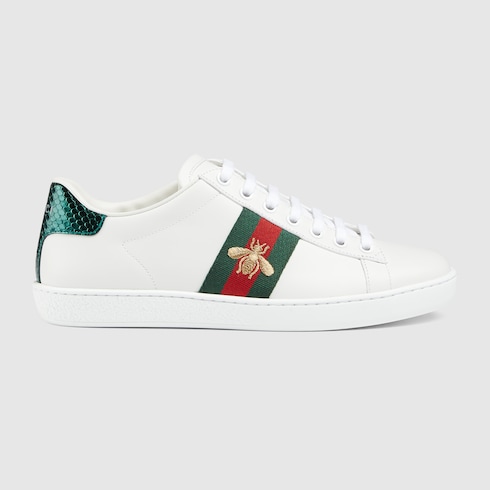
The very substance of footwear is undergoing a revolution. Traditional materials like full-grain leather and suede are now joined by high-tech fabrics and sustainable alternatives. The environmental impact of leather production, as documented by the Sustainable Apparel Coalition, has driven innovation. Piñatex, a leather alternative made from pineapple leaf fibers, and mycelium-based leather (like Mylo) are emerging as scientifically viable options, with tensile strength and durability being rigorously tested in materials science labs. Even within synthetic realms, advancements are constant. Knitted uppers, popularized by brands like Nike with Flyknit, offer a seamless, sock-like fit that reduces waste during production—a process detailed in patents and white papers from the companies themselves. When examining luxury items like women’s Gucci sneakers, one often finds a fusion: premium calfskin paired with technical mesh or recycled polyester blends. This hybrid approach speaks to a consumer demand for both tactile luxury and ethical consciousness. Authoritative sources like the Textile Research Journal publish comparative analyses on the moisture-wicking properties of these new materials versus traditional ones, providing an objective basis for their adoption. The choice of material is no longer just about aesthetics or durability; it’s a complex decision involving supply chain ethics, carbon footprint, and end-of-life recyclability.
The Investment Perspective: Cost-Per-Wear and Value Retention
Viewing footwear through a purely financial lens reveals another layer of strategy. The concept of cost-per-wear (CPW) is a pragmatic tool advocated by personal finance experts from platforms like NerdWallet. CPW is calculated by dividing the item’s price by the number of times it is worn. A $50 pair of shoes worn twice has a CPW of $25, while a $500 pair worn 200 times has a CPW of $2.50. This framework encourages investment in versatile, high-quality pieces. Furthermore, certain footwear categories, particularly limited-edition sneakers and iconic luxury designs, can function as alternative assets. The resale market, analyzed by sites like StockX, treats rare sneakers as commodities, with price fluctuations based on demand, scarcity, and condition. A pair of original 1985 Air Jordans or a pristine pair of women’s Gucci sneakers from a sought-after collaboration can appreciate significantly. This phenomenon is echoed in the art and collectibles market, where scarcity and brand narrative drive value. However, as investment guru Warren Buffett might caution, one should not confuse speculation with investment—the primary value should always be the utility and joy derived from wearing them. Nevertheless, understanding this market dynamic empowers the consumer to make more informed purchases, potentially acquiring pieces that offer long-term aesthetic and financial dividends.
Navigating the Market: Authenticity and Intelligent Acquisition
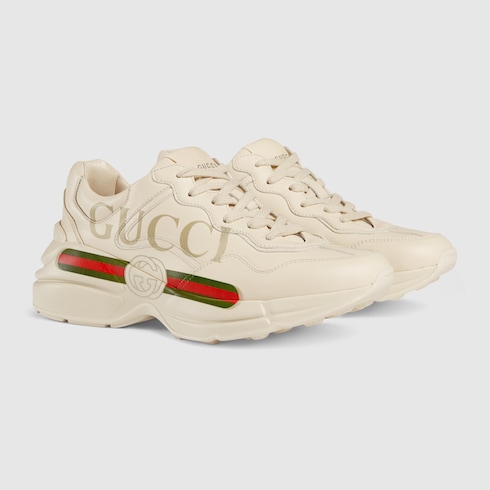
In an era of sophisticated counterfeits and volatile pricing, informed acquisition is paramount. The first pillar is authenticity verification. Reputable resellers provide detailed, macro-lens photographs of hallmark signs: precise stitching patterns, exact logo font and placement, quality of insole stamping, and the specific feel of materials. Organizations like The Authentication Guild employ experts who cross-reference these details against vast databases. For new purchases, buying directly from authorized retailers or the brand’s own boutique—whether physical or online—is the safest route. The second pillar is strategic timing. Seasonal sales, holiday promotions, and outlet collections offer opportunities to acquire premium footwear at a fraction of the retail price. For instance, end-of-season sales often see reductions of 30-50% on current styles. Additionally, subscribing to brand newsletters or following certified brand accounts on Twitter can provide early access to promotions. As for the iconic women’s Gucci sneakers, while core classics rarely see deep discounts, seasonal colorways or collaborations may become more accessible during sales periods. The key is to define your ‘uniform’—the styles you wear most—and invest there, using sales to experiment with new trends at lower risk. This approach combines the thrill of the hunt with the satisfaction of financial prudence.
Ultimately, the journey through the world of fashion footwear is a continuous dialogue between the self and the world. It is an exercise in applied science, cultural literacy, and economic savvy. By understanding the biomechanics that protect our bodies, the semiotics that define our social persona, the innovation that shapes our materials, and the economics that guide our purchases, we transform a simple act of dressing into a conscious craft. The perfect shoe is out there, waiting to be found—not as a conclusion to a search, but as a companion for the path ahead.
