

How to Wear Womens Low-Heel Ankle Boots This Season
As the air turns crisp and leaves begin to fall, our wardrobes undergo a transformative shift. Among the most pivotal items to re-emerge are ankle boots, specifically the versatile and increasingly essential women’s ankle boots low heel. This season, they are not merely a footwear choice but a foundational element for crafting looks that balance comfort, style, and authority. The era of sacrificing practicality for aesthetics is fading; today’s fashion intelligence demands both. This article delves into the art of styling low-heel ankle boots, moving beyond basic pairings to explore how this single item can redefine your autumn and winter silhouette. We will dissect their anatomical and stylistic virtues, provide concrete styling blueprints, and ground our discussion in perspectives from design theory, cultural commentary, and practical ergonomics.
The Unassailable Rise of the Low Heel: A Fusion of Biomechanics and Style
The preference for low-heeled ankle boots is far from a fleeting trend; it is a calculated shift informed by both physiology and fashion historiography. From a biomechanical standpoint, a low heel, typically defined as being between 1 to 2 inches in height, offers a superior compromise. It provides a slight elevation that elongates the calf muscle and improves posture compared to completely flat shoes, yet it avoids the extreme plantar flexion caused by high heels, which shifts the body’s center of gravity forward and places excessive pressure on the ball of the foot. As noted by the American Podiatric Medical Association, prolonged wear of high heels can contribute to a host of issues including metatarsalgia, Achilles tendon shortening, and altered gait. The women’s ankle boots low heel emerges as a corrective, a shoe that acknowledges the human foot’s architecture. Culturally, this shift mirrors a broader movement towards pragmatic empowerment. Fashion critic Vanessa Friedman of The New York Times has often articulated that contemporary womenswear reflects a “power of practicality,” where clothing and footwear that enable movement and endurance become symbols of a different, more substantive kind of authority. This is evident in the proliferation of sleek, low-heel designs from houses like The Row and Joseph, which champion a silent, confident luxury rooted in wearability. The boot becomes a tool for navigating urban landscapes—from boardroom meetings to evening engagements—without a change of shoes, embodying a seamless, efficient personal style.
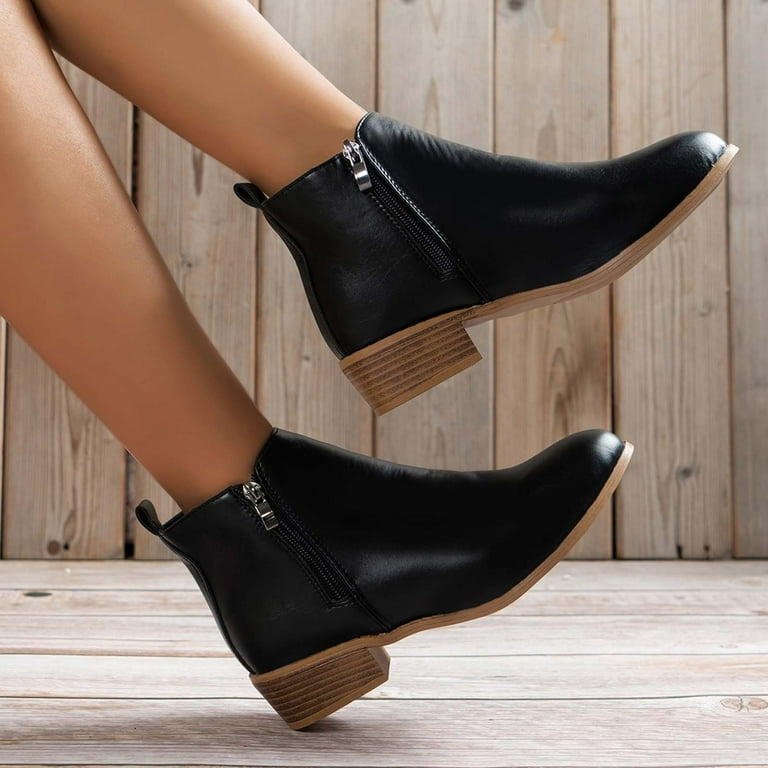
Anatomy of a Versatile Staple: Deconstructing the Ankle Boot Silhouette
To master styling, one must first understand the components. The term “ankle boot” is broad, but key variations dictate its sartorial destiny. The shaft height is paramount: a true ankle boot hits just at or slightly above the ankle bone, ensuring it doesn’t cut the leg at a wider, less flattering point. The toe shape carries significant weight: a pointed toe, as seen in designs reminiscent of Isabel Marant, creates a visual line that extends the foot, lending an air of sharp sophistication. An almond or round toe offers a softer, more contemporary feel, often associated with minimalist brands like Everlane. The closure system—whether a side zip, elastic gore (Chelsea boot), or lace-up—affects both the visual complexity and the ease of wear. A Chelsea boot, with its clean lines and historical roots in Victorian practicality (popularized by Queen Victoria herself and later by the mod subculture of 1960s London), offers a slip-on ease that is both classic and modern. Finally, the heel itself: a block heel provides stability and a retro touch; a slender kitten heel adds a hint of mid-century femininity; a flat, walkable heel grounds the look in pure utility. The magic of the women’s ankle boots low heel lies in this matrix of choices, allowing for precise calibration of an outfit’s mood.

Strategic Styling Paradigms: From Day to Night
The true test of any wardrobe item is its translational capacity across different scenarios. Let’s explore structured paradigms for integrating low-heel ankle boots into your daily repertoire.
The Tailored Neutral: Office-Ready Authority
For the professional environment, the goal is polished cohesion. Pair a sleek, black leather ankle boot with a low block heel with tailored wide-leg trousers. The key here is the “break”—allow the trouser hem to fall gracefully over the boot shaft, creating a continuous, flowing line. This style was perfected by fashion icons like Caroline de Maigret, whose book How to Be Parisian Wherever You Are espouses the elegance of understated, well-cut basics. Underneath, the boot provides a solid, reliable foundation. Alternatively, with a midi skirt or dress, ensure the boot shaft is narrow enough to create a clean juxtaposition against bare skin or opaque tights. This look channels the intellectual chic of universities like Cambridge, where timeless style often overrides fast fashion. As a statement from a Harvard Business Review article on professional presence indirectly supports, non-verbal cues from attire matter; footwear that is both refined and capable projects prepared confidence. A high-quality pair of women’s ankle boots low heel in a neutral hue (black, taupe, chestnut) is an investment piece. Brands like Sam Edelman and Franco Sarto often offer premium leather options at accessible price points, especially during seasonal sales where discounts can reach 30-40%, making this cornerstone item both a professional and financial asset.
The Relaxed Contrast: Weekend Ease
Here, we play with texture and proportion. The contrast between the structured boot and soft, relaxed fabrics creates dynamic interest. Tuck your favorite skinny or straight-leg jeans into a pair of suede ankle boots with a low heel. The ruggedness of denim against the plush suede is a timeless combination. For a more fashion-forward approach, style a chunky-soled, low-heel ankle boot (often called a “lug sole” boot) with a flowing floral dress. This dichotomy—feminine dress with utilitarian boot—is a staple of the “prairie grunge” aesthetic seen on platforms like Pinterest and championed by designers like Ganni. It’s a look that speaks to a modern, adventurous spirit. As YouTube style educator Audrey Coyne often demonstrates, the success of this outfit lies in balancing volumes; a heavier boot needs the lightness of a dress or cropped, wide-leg trouser to avoid looking bottom-heavy. This is where the specific design of your women’s ankle boots low heel dictates the play: a slender Chelsea boot pairs with slimmer silhouettes, while a chunkier boot demands more volume on top.

The Elevated Transition: Evening Refinement
Dismiss the notion that evening wear requires precarious heels. A sophisticated ankle boot can anchor an elegant night-out ensemble. Opt for boots in luxurious materials: velvet, patent leather, or adorned with subtle metallic accents. Pair a black velvet low-heel ankle boot with a sleek satin slip dress and a tailored blazer. This look, reminiscent of downtown New York cool, was captured perfectly in films like Frances Ha, where personal style is expressive and functional. The low heel allows for effortless movement from dinner to a gallery opening without a second thought. Fashion historian and author Amber Butchart, in her analyses of footwear, notes that throughout history, practical yet beautiful shoes have often been the choice of women leading active, public lives. A pointed-toe, low-heel style in a rich color like burgundy or emerald can also add a powerful punch of color to a monochromatic black outfit, serving as the focal point. The message is clear: elegance is not synonymous with discomfort.

Curating Your Collection: A Guide to Intelligent Acquisition
With myriad options available, a strategic approach to building your boot wardrobe is essential. Begin with a foundational pair in high-quality black leather with a clean silhouette—a Chelsea or side-zip style with a 1.5-inch heel. This is your workhorse. Next, consider a seasonal material or color: a taupe or tan suede boot for autumn, or a versatile animal-print pattern (like snakeskin embossed) that adds texture to neutral outfits. Finally, a “statement” pair—perhaps with a lug sole, a unique color, or a decorative detail—allows for creative expression. When evaluating quality, examine the stitching, the flexibility of the sole, and the lining. Resources like the Consumer Reports guide to footwear or detailed reviews on dedicated fashion forums (e.g., the PurseForum) offer crowdsourced data on brand durability. Remember, the cost-per-wear of a well-made women’s ankle boots low heel is invariably lower than that of a trendy, poorly constructed high heel worn only once. To maximize your budget, leverage end-of-season sales (post-winter and post-summer), sign up for brand newsletters for exclusive discounts, and consider reputable multi-brand retailers like Nordstrom Rack or ASOS, which often offer significant markdowns on designer and contemporary labels.
The women’s ankle boots low heel stands as a testament to the evolution of fashion towards intelligent design. It is a piece that respects the body’s mechanics while offering boundless stylistic potential. It bridges categories—masculine and feminine, rugged and refined, casual and formal—thereby granting its wearer unparalleled sartorial agency. This season, let your choice in footwear be a deliberate one. Choose the boot that supports not just your arches, but your entire day’s narrative, from the first morning commute to the final evening return. In doing so, you embrace a style philosophy that is rooted not in spectacle, but in sustained, confident presence.
