

How to Wear Womens Low-Heel Ankle Boots This Season
As the leaves turn and the air crisps, our wardrobes undergo a pivotal shift. Among the staples that emerge, one item consistently proves its versatility and enduring style: the women’s ankle boots low heel. This season, they are not merely a footnote in fashion but a foundational statement piece, blending comfort with an undeniable chic. Moving beyond fleeting trends, the low-heel ankle boot represents a sartorial sweet spot—offering elevation without the ordeal, structure without stiffness, and a silhouette that seamlessly bridges the gap between casual daytime explorations and polished evening engagements. This article delves into the art of styling this quintessential footwear, providing not just outfit ideas but a deeper understanding of its design principles, historical context, and the objective reasons behind its perennial reign.
The Anatomical and Aesthetic Appeal of the Low Heel
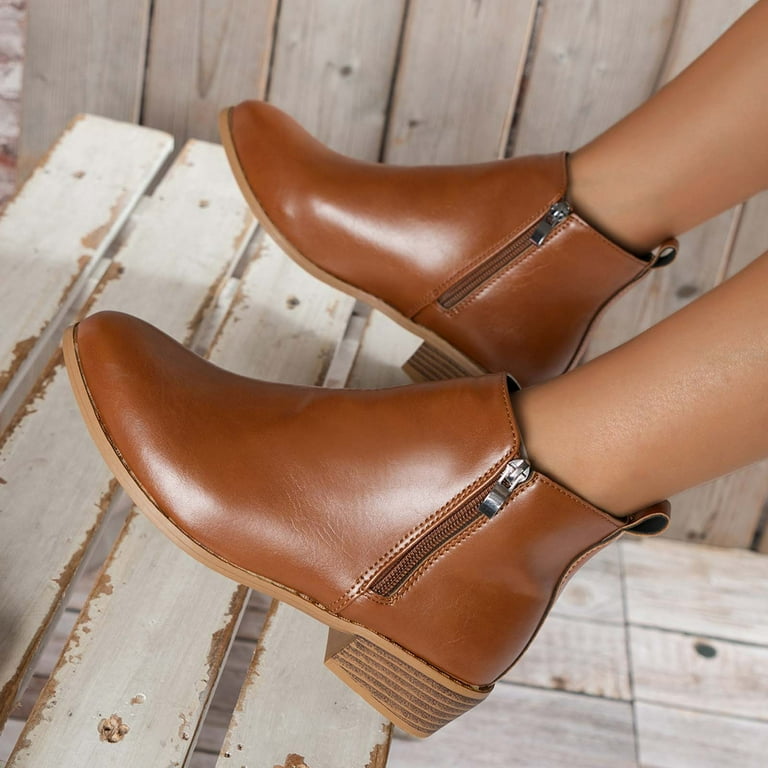
To appreciate the women’s ankle boots low heel fully, one must first understand its construction. From a biomechanical perspective, a low heel, typically defined as being between 1 to 2 inches in height, promotes a more natural foot position compared to higher stilettos or even some mid-heels. According to research often cited by podiatric associations, a modest heel can slightly reduce tension on the Achilles tendon compared to completely flat shoes, but it is the low heel’s ability to minimize the forward shift of the body’s center of gravity that is key. This translates to significantly reduced pressure on the forefoot and a lower risk of the postural misalignments associated with higher heels. Aesthetically, this design achieves a delicate balance. It provides just enough lift to elongate the leg line subtly, particularly when the boot’s shaft height is considered. The ankle boot silhouette, by definition, cuts off at or just above the ankle, a point that, when paired with a low heel, creates a visually stable and grounded look. This makes it incredibly adaptable; it doesn’t overpower delicate frames nor does it get lost on taller statures. The silhouette speaks a language of confident ease, a notion echoed by designers like Tory Burch, who has often remarked on the importance of shoes that empower through comfort, allowing the wearer’s personality to lead rather than her discomfort.
A Brief Historical Context: From Function to Fashion Icon
The journey of the ankle boot is a fascinating tapestry woven from utility, rebellion, and high fashion. Its earliest predecessors were purely functional, worn for protection. However, its modern fashion incarnation began to solidify in the 1950s and 60s. The Chelsea boot, with its elastic side panels and low heel, gained iconic status through its association with the mod scene and The Beatles, symbolizing a sleek, androgynous cool. In the 1990s, the women’s ankle boots low heel experienced a massive resurgence, championed by grunge and minimalist aesthetics. This era cemented its status as a versatile wardrobe workhorse. As fashion historian Dr. Rebecca Arnold of The Courtauld Institute of Art has noted, the ankle boot’s persistence lies in its “unique ability to absorb and reflect contemporary cultural shifts, from punk to prep.” It is a garment that has been worn by everyone from factory workers to rock stars, and its low-heel variant, in particular, has become a symbol of pragmatic femininity—a woman in motion. This rich history isn’t just trivia; it informs why the boot feels so inherently stylish. It carries with it an aura of cultural credibility, making it a piece that feels both current and timelessly relevant.
Styling Paradigm 1: The Effortless Casual Synthesis
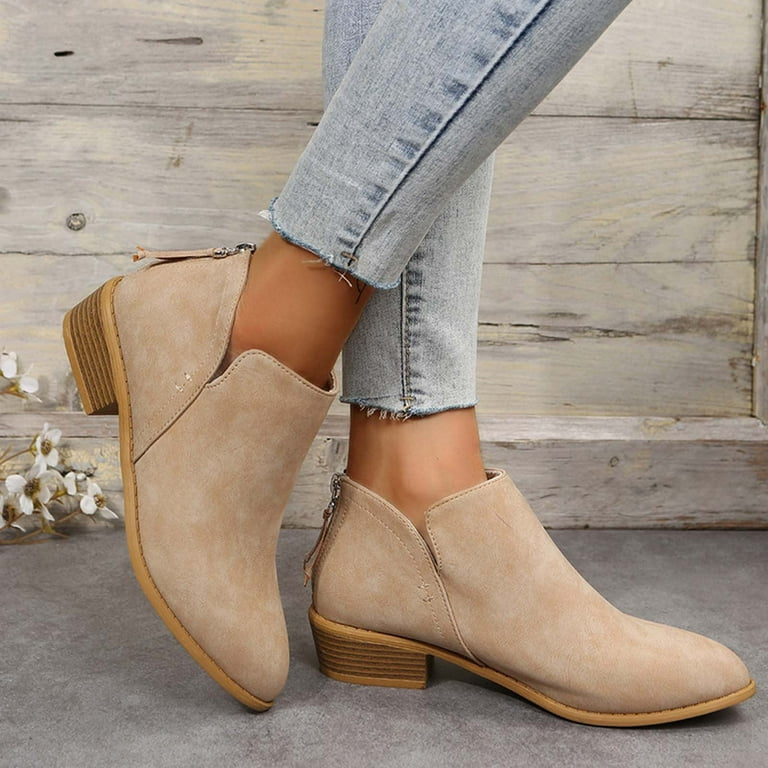
The true genius of the low-heel ankle boot is revealed in casual settings. Here, the goal is to create an outfit that appears thoughtfully assembled yet entirely unforced. Begin with the foundation: a pair of well-fitted, straight-leg or slightly tapered jeans. The magic lies in the interaction between the jean’s hem and the boot’s shaft. Aim for a slight break or a clean stack, allowing the boot to peek through—this interaction creates a dynamic, layered look that is far more interesting than a seamless line. For a contemporary twist, cropped wide-leg trousers or even tailored track pants can achieve a similar, fashion-forward effect. On top, balance the grounded nature of the boots with pieces that offer contrast in texture or volume. A chunky knit sweater, a sleek leather jacket, or a flowing silk blouse each creates a different dialogue with the footwear. The women’s ankle boots low heel acts as the anchor, preventing floaty pieces from looking ethereal and tempering heavy layers with a dose of refinement. As style influencer and author Aimee Song often demonstrates on her platforms, this look is about juxtaposition: the soft with the structured, the relaxed with the precise. The low heel ensures you can navigate a day of errands, coffee meetings, or autumn walks without a second thought to your feet, proving that practicality and polish are not mutually exclusive.
Styling Paradigm 2: Elevating the Feminine Silhouette
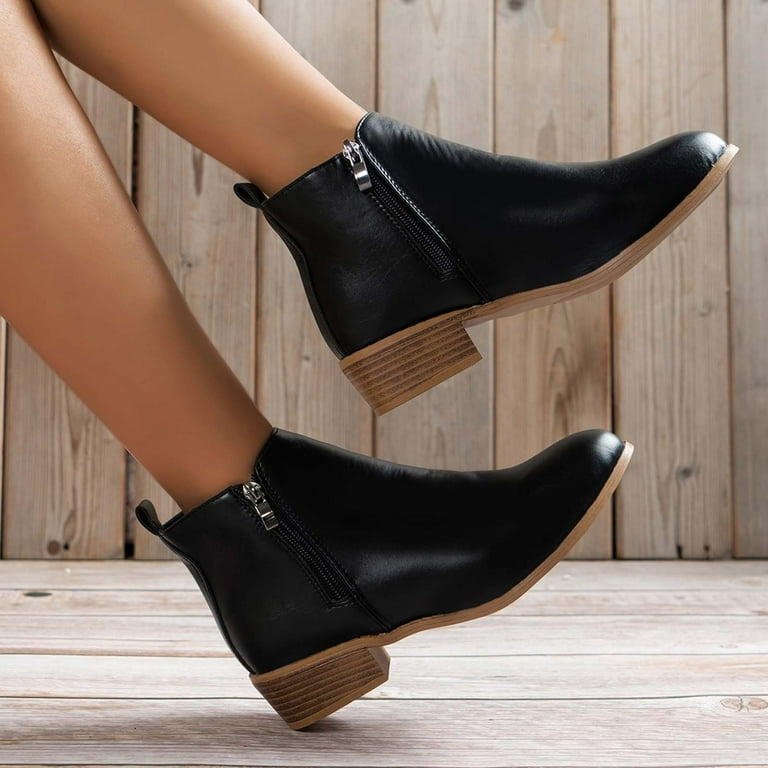
Contrary to any assumption that ankle boots are inherently rugged, the women’s ankle boots low heel is a masterful companion for distinctly feminine attire. This is where its design intelligence shines brightest. Pairing boots with dresses or skirts requires attention to proportion and mood. For midi or maxi dresses, the low-heel ankle boot provides a hidden foundation of stability and a subtle bohemian edge, especially in suede or leather with delicate details. The true style alchemy happens with shorter hemlines. Here, the boot creates a deliberate, modern break between skin and shoe. To master this look, consider the sock boot or a sleek pointed-toe design; these styles elongate the leg line uninterrupted. A bodycon skirt or a flirty A-line dress paired with such boots transforms the ensemble from purely sweet to intriguingly sophisticated. This combination has been a red-carpet favorite for celebrities like Keira Knightley and Emma Watson, who have both been photographed using low-heel ankle boots to add a touch of grounded, intellectual edge to elegant gowns and chic dresses. The message is clear: femininity does not require precarious height. It can be rooted, strong, and effortlessly graceful, with the low heel ensuring you dance the night away in comfort.
Material World: Selecting Your Boot’s Foundation
The character of your women’s ankle boots low heel is profoundly influenced by its material, which in turn dictates its styling orbit and longevity. Leather, particularly full-grain or polished varieties, offers durability, structure, and a capacity to develop a rich patina over time. It is the classic choice, equally at home in a corporate setting as it is on a weekend outing. Suede introduces a tactile, soft-focus texture that instantly adds a layer of luxury and autumnal warmth to any outfit, though it requires more conscientious care. Synthetic materials and vegan leathers have seen tremendous advances, offering ethical alternatives and often superior weather resistance at accessible price points. The choice of material is not merely aesthetic; it’s an investment in the boot’s narrative. A sleek black leather boot is a timeless workhorse, a neutral suede boot in taupe or navy is a versatile stylist, and a bold patent leather or textured animal-print boot becomes the statement piece itself. When selecting, consider your local climate, your existing wardrobe’s color palette, and the boot’s intended role. A resource like the Textile Institute’s literature on material properties can provide scientific backing for these choices, explaining breathability, wear resistance, and care protocols, ensuring your selection is both stylish and informed.
The Professional Sphere: Commanding Presence with Comfort
Navigating the professional environment demands attire that communicates competence, reliability, and personal style. The low-heel ankle boot is a secret weapon in this arena. It rejects the notion that professional dressing must be uncomfortable or severely formal. Instead, it offers a contemporary alternative to traditional pumps. Pair a sophisticated pair of leather or faux-leather ankle boots with a tailored pantsuit. The boot should have clean lines, a minimalistic design, and a heel low enough for all-day wear but polished enough to maintain authority. This combination, as seen on influential figures like Christine Lagarde or portrayed by characters such as Miranda Priestly in The Devil Wears Prada (albeit with a fiercer heel), projects a powerful, modern image—one that is in control and too busy for impracticalities. Similarly, with a midi pencil skirt or a sheath dress, the ankle boot provides coverage and a fashion-forward edge that standard office pumps lack. It signals a creative and confident mind, someone who understands tradition but isn’t bound by it. The comfort factor is not a minor perk; it is a professional advantage, allowing you to focus on your performance rather than your aching feet during back-to-back meetings or networking events.
Investment and Intelligence: Navigating Quality and Value
Acquiring the perfect pair of women’s ankle boots low heel is an exercise in smart consumerism. Beyond the initial allure of a discounted price, which can often be found during seasonal sales on major retailer sites, true value is measured in cost-per-wear and longevity. Key indicators of quality include: sturdy, well-stitched construction (particularly at the sole attachment, known as the welt in Goodyear-welted boots, a mark of durability); linings made from breathable materials like leather or quality textiles; and hardware (zippers, eyelets) that feels substantial and operates smoothly. Brands that specialize in footwear often invest more in these anatomical and construction details. However, the market also offers excellent “fast-fashion” or direct-to-consumer options that capture the trend at a lower price point, making the style accessible. The intelligent approach is to assess your needs. If it’s a timeless style in a neutral color, investing in a higher-quality pair is prudent. For a more trend-driven color or detail, a budget-friendly option allows for experimentation. Remember, the most stylish boot is one that fits impeccably. Always prioritize a fit that hugs your heel without slippage and provides ample room for your toes. A slightly higher initial investment in a perfectly fitting, well-made pair will always outshine a closet full of uncomfortable, poorly constructed imitations.

The women’s ankle boots low heel stands as a testament to the idea that the most enduring items in our closets are those that harmonize intention with ease. It is a piece that listens to the needs of the modern woman—her demand for comfort, her expression of individuality, her navigation of diverse roles—and answers with unwavering style. This season, and for many to come, it is less about following a prescription and more about embracing a principle: that true elegance is experienced, not just observed. It is found in the confident stride enabled by a sensible heel, in the seamless transition from day to night, and in the quiet knowledge that you are wearing a piece with a rich history and a perfectly poised present. Let your choice of ankle boot be a foundation, not just for your outfit, but for your movement through the world.
