

Discover the Top Podiatrist-Recommended Walking Shoes for Ultimate Comfort and Support
Walking is one of the most fundamental and beneficial forms of exercise, yet its simplicity often leads us to overlook the critical role that footwear plays in our overall foot health and comfort. The wrong pair of shoes can transform a healthy habit into a source of pain, contributing to issues ranging from blisters and calluses to more serious conditions like plantar fasciitis, metatarsalgia, and joint stress. This is where the expertise of podiatrists becomes invaluable. These medical professionals specialize in the diagnosis, treatment, and prevention of foot and ankle disorders. Their recommendations are not based on fleeting fashion trends but on biomechanics, material science, and clinical evidence. In this exploration, we delve into the world of podiatrist recommended walking shoes, uncovering the features that define them and presenting a curated selection designed to bring you ultimate comfort and support. Our goal is to bridge the gap between professional podiatric knowledge and your daily needs, ensuring that every step you take is on a foundation of health and stability.
The Science of Support: Why Podiatrist Endorsement Matters
To understand the significance of a podiatrist recommended walking shoe, one must first appreciate the complex biomechanics of walking. The human foot is a marvel of engineering, comprising 26 bones, 33 joints, and over 100 muscles, tendons, and ligaments. During a single step, forces equivalent to 1.5 times your body weight travel through your feet. A podiatrist’s primary concern is how footwear manages these forces. Dr. Jacqueline Sutera, a New York City-based podiatrist and spokesperson for the American Podiatric Medical Association (APMA), often emphasizes that a good walking shoe must provide three key elements: cushioning, stability, and flexibility in the right places. Cushioning, often provided by advanced foams like EVA or polyurethane, absorbs shock to protect joints. Stability, achieved through features like a firm heel counter and sometimes medial posts, controls excessive inward rolling (overpronation) or outward rolling (supination) of the foot. Flexibility at the forefoot allows for a natural toe-off. These principles are not anecdotal; they are backed by research from institutions like the University of Pittsburgh’s Human Movement and Balance Laboratory, which studies gait to inform rehabilitative and preventive footwear design. When a shoe earns the APMA’s Seal of Acceptance, it has been reviewed by a committee of podiatrists and found to promote good foot health. Therefore, seeking out podiatrist recommended walking shoes is essentially leveraging clinical expertise to safeguard your mobility.
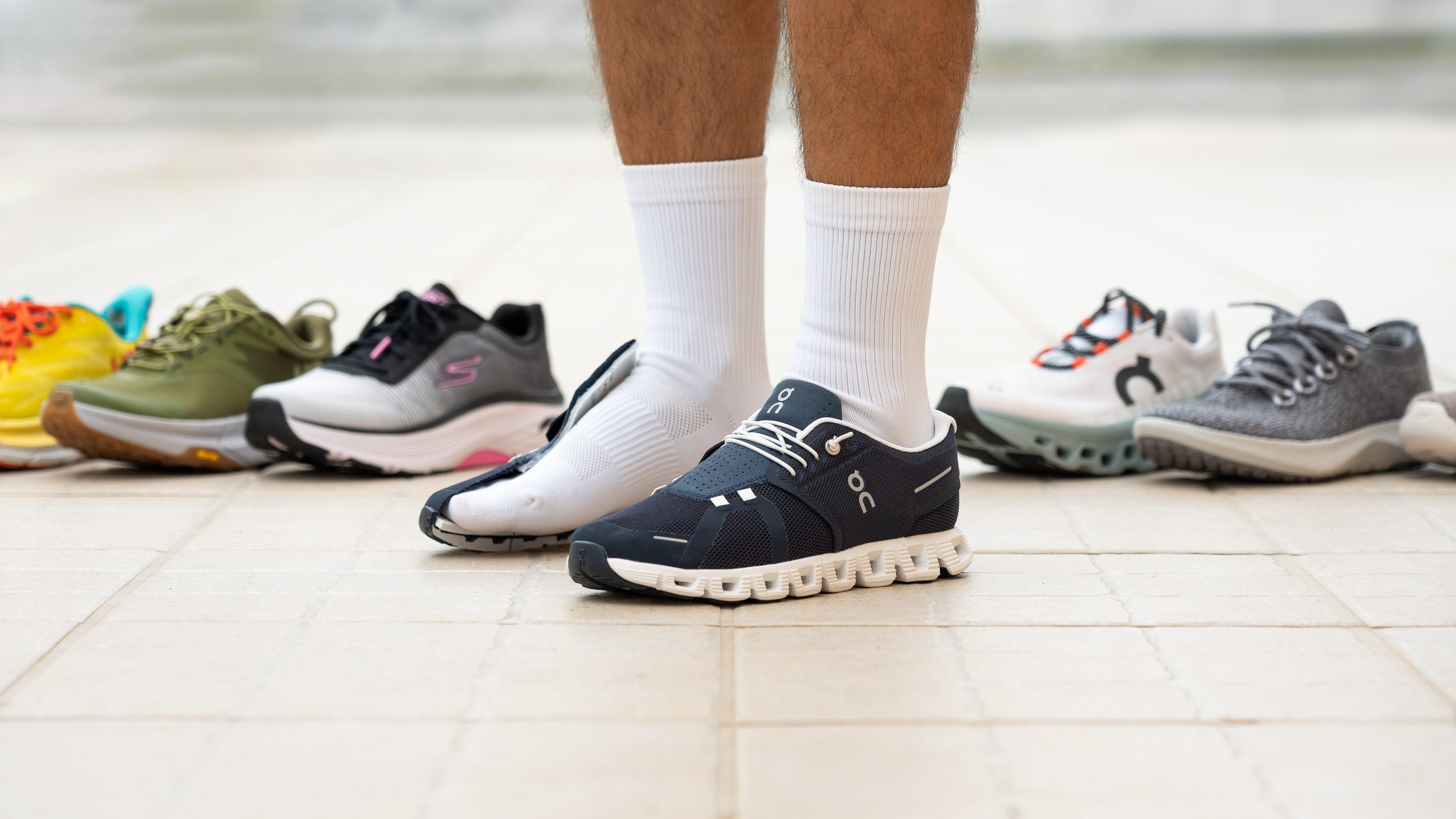
Decoding the Features: Anatomy of an Ideal Walking Shoe
Let’s dissect the components that transform an ordinary sneaker into a podiatric ally. The foundation is the midsole. This is the heart of cushioning and stability. Brands like ASICS utilize GEL technology, a silicone-based substance that disperses vertical impact forces horizontally, a concept validated by impact absorption studies. Brooks employs DNA LOFT or GuideRails, the latter focusing not just on cushioning but on holistic support to keep excess movement in check. The heel counter, the firm cup at the back of the shoe, is non-negotiable for stability. A sturdy heel counter locks the heel in place, preventing slippage and controlling rearfoot motion, a point consistently stressed by podiatrists on platforms like Quora when addressing ankle instability. The toe box must be roomy enough to allow toes to splay naturally without constriction, preventing conditions like bunions and hammertoes. Think of the anatomical design of a barefoot shoe but with protective cushioning. The arch support is highly individualized. While some shoes offer neutral support, others provide structured medial support for overpronators. Podiatrists often recommend custom orthotics, but many podiatrist recommended walking shoes come with removable insoles to accommodate them. Finally, the outsole requires a durable rubber with a flexible groove pattern to facilitate a smooth heel-to-toe transition. This multi-faceted approach ensures the shoe works in harmony with your foot’s natural mechanics, rather than against them.
Beyond the Brand: The Podiatrist’s Criteria for Selection
It’s a common misconception that podiatrists endorse specific brands wholesale. In reality, their recommendations are model-specific and based on a set of universal criteria applicable to any brand. First is fit. The renowned book “Born to Run” by Christopher McDougall, while advocating for minimalist running, inadvertently highlighted the importance of proper fit by showcasing the injuries caused by ill-fitting, overly restrictive shoes. A podiatrist would advise you to shop for shoes in the afternoon when your feet are slightly swollen, to wear the socks you intend to walk in, and to ensure about a thumbnail’s width of space between your longest toe and the end of the shoe. Second is purpose. A shoe designed for running has different biomechanical demands than one for walking; running shoes often have more forefoot cushioning for landing on the midfoot or forefoot, whereas walking shoes prioritize heel cushioning and a flexible forefoot for the heel-strike, roll-through, toe-off gait cycle. Third is material breathability. Mesh uppers are frequently recommended to reduce moisture and the risk of fungal infections. Fourth is weight. Excessively heavy shoes can alter your gait and increase fatigue. The ideal podiatrist recommended walking shoe finds the balance between substantial support and lightweight construction. These criteria form a checklist that empowers you to make informed decisions, regardless of marketing claims.
:max_bytes(150000):strip_icc()/I-Asked-Podiatrists-for-Their-Fall-Shoe-Recommendations-These-Are-Their-Top-8-Picks-8fbdf9d65f3a4228ae63f6e5253dc08c.jpg)
A Curated Selection: Podiatrist-Approved Models for Every Walker
Drawing from podiatric insights, reviews from authoritative sources like the American College of Sports Medicine literature, and aggregated consumer feedback, we present a selection of shoes that consistently meet professional standards. Remember, the “best” shoe is the one that fits your unique foot structure and gait pattern, ideally assessed through a professional gait analysis.
For the Walker Needing Maximum Stability and Arch Support
The Brooks Addiction Walker and the New Balance 928 are stalwarts in this category. The Brooks Addiction Walker features a extended progressive diagonal rollbar, a technology designed to guide the foot gently back to a neutral position with each step. It’s a shoe often cited in online podiatry forums for its reliable support for moderate to severe overpronation. The New Balance 928, with its ROLLBAR stability post technology, offers similar robust motion control. Both shoes come in multiple widths, a critical feature often highlighted by podiatrists like Dr. Megan Leahy on social media platforms, who notes that accommodating width is as important as length for preventing forefoot pain. These shoes are engineered like a reliable chassis for your body, providing a platform so stable that it allows your muscles and tendons to work efficiently without compensating for instability.
For the Walker Prioritizing Plush Cushioning and Comfort
If your primary concern is absorbing impact on hard surfaces, the HOKA ONE ONE Bondi series and the ASICS GEL-Nimbus (in its walking-specific versions) are exemplary. HOKA is renowned for its maximalist cushioning, employing a thick, lightweight EVA midsole. This design philosophy, while initially polarizing, has been embraced by many in the medical community for patients with arthritis or heel pain, as noted in discussions on healthcare professional platforms. The Bondi’s meta-rocker geometry also promotes a smooth gait cycle. Similarly, ASICS’ GEL technology in the Nimbus line provides exceptional shock attenuation. The feeling is often described as “walking on clouds,” but with a crucial underlying structure that prevents the mushy instability of some overly soft shoes. These models exemplify how advanced material science directly translates to tangible comfort and protection, making them a frequent entry on lists of podiatrist recommended walking shoes for comfort seekers.

For the Active Walker Seeking Lightweight Versatility
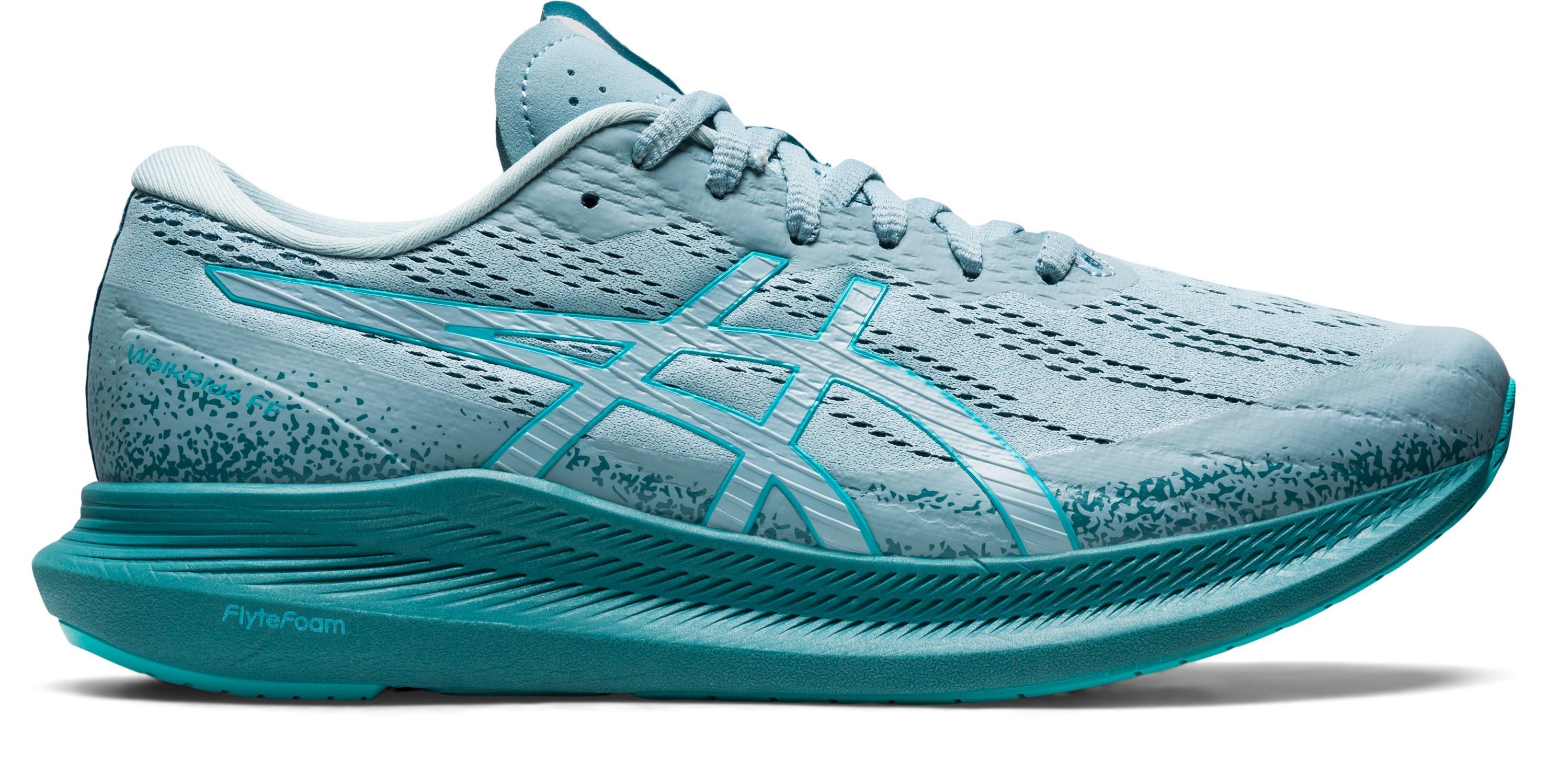
Shoes like the Saucony Echelon Walker and the ASICS WalkRide FF cater to those who clock high mileage at a brisk pace. The Saucony Echelon Walker uses PWRRUN cushioning, which offers a responsive, energy-returning feel without bulk. Its FORMFIT technology adapts to the shape of your foot for a personalized fit. The ASICS WalkRide FF, as the name suggests, incorporates FLYTEFOAM Propel technology for bounce and a Guidance Line outsole for efficiency. The philosophy here aligns with concepts from sports science literature, which emphasizes energy conservation and gait efficiency for endurance activities. These shoes prove that support doesn’t have to mean heaviness; they are the athletic partners for the dedicated walker, blending the protective elements of a podiatrist recommended walking shoe with the dynamism of a performance trainer.
Investing in Your Foundation: The Long-Term Value of Proper Footwear
Purchasing high-quality, professionally vetted walking shoes is an investment in preventative health care. Consider the alternative: the cost of doctor visits, physical therapy, orthotics, and lost productivity due to foot pain far exceeds the price of a premium pair of shoes. Furthermore, the lifespan of a walking shoe is typically 300-500 miles. Beyond this, the midsole compression diminishes, losing its protective qualities. Worn-out shoes silently contribute to injury, a fact emphasized in educational materials from university podiatry programs. To maximize value, consider purchasing previous-season models, which often see significant discounts while retaining their core technologies. Many reputable retailers offer sales during seasonal transitions. By viewing your podiatrist recommended walking shoes not as a discretionary purchase but as essential equipment for your body’s foundation, you make a cost-effective choice for your long-term well-being. The comfort you feel today is an investment in pain-free mobility for years to come.
Your journey toward ultimate comfort and support begins with a single, informed step. The world of podiatrist recommended walking shoes is built not on hype, but on a profound understanding of human anatomy and movement science. By prioritizing features like structured support, appropriate cushioning, and a precise fit, you align your daily practice with the principles that keep feet healthy and happy. Whether you are managing a specific condition, seeking to prevent one, or simply wanting to enhance the joy of walking, the right footwear is your most reliable partner. Let the combined wisdom of podiatric expertise and innovative design guide you to a pair that doesn’t just carry you forward, but does so with unwavering care for every part of you, from the ground up.
