

Discover the Top Podiatrist Recommended Walking Shoes for Ultimate Comfort and Support
Walking is one of the most fundamental and beneficial forms of exercise, yet its simplicity often leads us to overlook a critical component: the shoes we wear. The wrong footwear can transform this low-impact activity into a source of chronic pain, affecting everything from your heels to your hips. Conversely, the right pair can empower miles of pain-free movement, supporting not just your feet but your overall well-being. This is where the expertise of a podiatrist becomes invaluable. Podiatrists, or doctors of podiatric medicine, specialize in the diagnosis, treatment, and prevention of foot and ankle disorders. Their recommendations are not based on fleeting fashion trends but on biomechanics, material science, and years of clinical observation. This article delves into the world of podiatrist recommended walking shoes, translating professional podiatric insights into a guide that bridges the gap between clinical advice and your daily stride. We will explore the non-negotiable features these experts insist upon, examine top models that embody these principles, and explain why investing in such footwear is an investment in your long-term mobility.
The Foundation of Foot Health: Why Podiatrist Insight is Non-Negotiable
To understand the gravity of a podiatrist’s recommendation, one must first appreciate the complex engineering of the human foot. Each foot contains 26 bones, 33 joints, and over 100 muscles, tendons, and ligaments, all working in concert to provide balance, propulsion, and shock absorption. A podiatrist’s training, which includes four years of podiatric medical school and residency, focuses extensively on this biomechanical marvel. Dr. Jane Andersen, a past president of the American Association for Women Podiatrists, often emphasizes that “shoes are the foundation of our body’s alignment.” This perspective is echoed in literature from institutions like the University of Pittsburgh School of Medicine’s Department of Orthopaedic Surgery, which links improper footwear to a cascade of issues including plantar fasciitis, metatarsalgia, and Achilles tendinitis. When a podiatrist recommends a walking shoe, they are evaluating it against a rigorous checklist: does it provide adequate arch support to prevent overpronation or supination? Does it have a sufficiently rigid heel counter to stabilize the rearfoot? Is the toe box roomy enough to allow natural toe splay and prevent neuromas? These are not mere comfort features; they are preventive medical specifications. A viewpoint from Quora, curated by a practicing physiotherapist, succinctly stated, “The best injury prevention tool for a walker isn’t a fancy gadget; it’s a shoe that matches their gait and foot structure.” Therefore, seeking out podiatrist recommended walking shoes is akin to getting a prescription for your feet—it’s personalized, science-backed, and aimed at preserving function.
:max_bytes(150000):strip_icc()/I-Asked-Podiatrists-for-Their-Fall-Shoe-Recommendations-These-Are-Their-Top-8-Picks-8fbdf9d65f3a4228ae63f6e5253dc08c.jpg)
Deconstructing the Ideal Walking Shoe: Five Pillars of Podiatric Design
What exactly sets a podiatrist-approved shoe apart from a standard athletic sneaker? The distinction lies in the intentional design focused on injury prevention and gait efficiency. We can break this down into five essential pillars. First, Arch Support and Motion Control. The arch acts as a natural shock absorber. Shoes with targeted, firm arch support help maintain this structure, preventing it from collapsing inward (overpronation), a major cause of plantar fasciitis. Brands like Brooks and ASICS often incorporate dual-density midsoles to provide this stability. Second, the Heel Counter. This is the rigid cup at the back of the shoe that cradles the heel. A study cited in the Journal of Foot and Ankle Research highlights its role in reducing calcaneal eversion, thereby stabilizing each step. You can test this by trying to squeeze the back of the shoe; it should not easily collapse. Third, Adequate Toe Box Space. As noted by the Institute for Preventive Foothealth, cramped toes can lead to bunions, hammertoes, and Morton’s neuroma. A proper toe box allows your toes to lie flat and spread naturally upon weight-bearing. Fourth, Strategic Cushioning. Cushioning is not about softness everywhere; it’s about intelligent placement. Podiatrists, like Dr. Miguel Cunha featured on YouTube, advise ample cushioning in the heel for impact attenuation and under the ball of the foot for propulsion, often using materials like DNA LOFT or GUIDEsoft. Fifth, Flexibility at the Right Point. The shoe should bend easily at the metatarsophalangeal joints (where your toes meet your foot), mimicking the natural foot’s rocker motion, but remain stable through the midfoot. This combination ensures efficient energy transfer without straining the plantar fascia.
Top Contenders: Walking Shoes That Earn the Podiatrist’s Seal
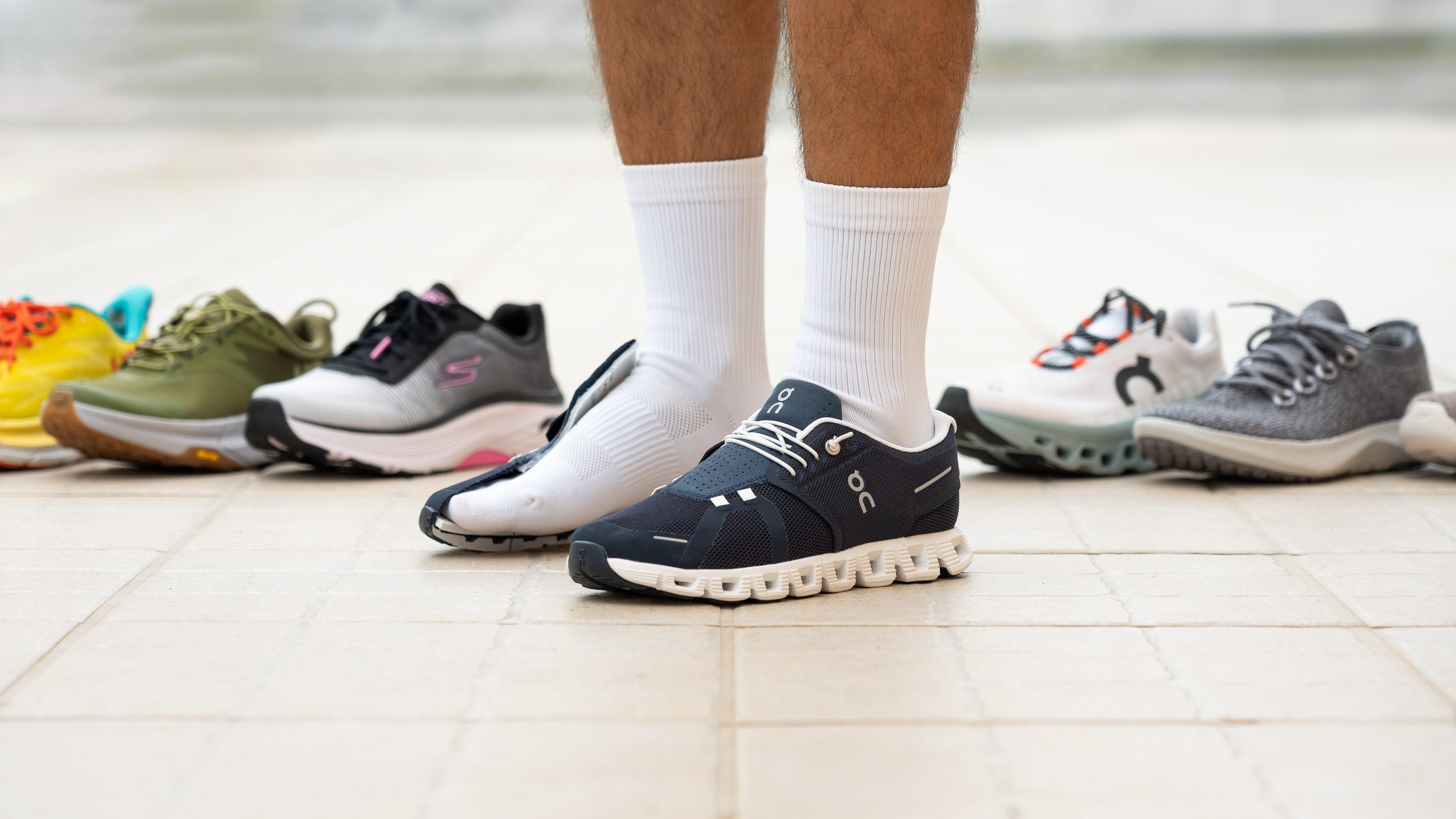
Navigating the market with these five pillars in mind leads us to specific models consistently praised by foot care professionals. It’s crucial to remember that the “best” shoe is subjective to your foot type, but these serve as exemplary benchmarks of podiatric design. The Brooks Addiction Walker is a perennial favorite, often cited in forums and by practitioners for its exceptional motion control and extended progressive diagonal rollbar, making it a top-tier choice for severe overpronators. Its durable leather upper and supportive design make it a classic example of podiatrist recommended walking shoes. For those needing a blend of cushioning and stability, the ASICS Gel-Kayano series stands out. Its Dynamic DuoMax support system and GUIDANCE LINE technology work in tandem to promote efficient gait, a feature highlighted in biomechanical analyses from sports medicine literature. The New Balance 928, with its ROLLBAR stability post and ample width options, is frequently recommended for individuals with wider feet or those managing arthritis, as its design prioritizes all-day comfort and joint alignment. Lastly, the HOKA ONE ONE Bondi series has revolutionized maximalist cushioning. While incredibly soft, its meta-rocker geometry actively guides the foot through the gait cycle, a concept supported by podiatrists on social media platforms like Twitter for reducing stress on knees and hips during long walks. Each of these models embodies the scientific principles podiatrists advocate for, translating complex biomechanics into accessible footwear.
Beyond the Shoe: The Synergy of Socks, Inserts, and Gait Analysis
Even the most expertly designed shoe cannot operate in a vacuum. Podiatrists stress a holistic approach to foot health, where the shoe is the centerpiece of a supportive system. High-quality socks are the first layer of this system. Moisture-wicking materials like merino wool or synthetic blends prevent blisters and fungal infections, a simple yet effective tip often found in preventive care guides from the American Podiatric Medical Association. For many, especially those with very high arches, flat feet, or specific conditions like diabetes, custom orthotics or over-the-counter inserts are a game-changer. As Dr. Brad Schaeffer, a New York-based podiatrist, stated in an interview, “A great shoe provides the foundation, but sometimes a custom orthotic is the necessary blueprint to correct individual biomechanical flaws.” These devices work synergistically with podiatrist recommended walking shoes, which are typically designed with removable insoles to accommodate them. Furthermore, a professional gait analysis—offered at many specialty running stores and podiatry clinics—can provide invaluable data. This analysis, using pressure plates or video, can reveal subtleties in your stride that dictate whether you need more neutral cushioning or aggressive motion control. Investing in this knowledge ensures your investment in footwear is precisely targeted, maximizing comfort and minimizing injury risk.
Investing in Your Stride: Where Value Meets Vitality
The initial cost of a premium pair of podiatrist recommended walking shoes can give one pause, often ranging from $120 to $160 or more. However, this must be framed as a long-term investment in personal health, not merely a consumer purchase. Consider the alternative: the cumulative cost of doctor visits, physical therapy, orthotics, pain medication, and lost productivity due to foot pain can exponentially exceed the price of a quality shoe. Authoritative health economics literature often discusses the cost-effectiveness of preventive measures, and proper footwear is a prime example. Furthermore, the value proposition is enhanced by the durability of these shoes; they are engineered with higher-grade materials and construction meant to last 300-500 miles of walking. To bring this professional knowledge to users at accessible price points, it is advisable to shop during seasonal sales, consider previous model years which often have the same core technology at a discount, and explore reputable online retailers. Brands also frequently offer discounts for healthcare workers, seniors, or through loyalty programs. The goal is to make this critical health tool attainable. Remember, your feet carry you through life; equipping them with the best possible support is an act of care that pays dividends in comfort, activity, and freedom from pain.
:max_bytes(150000):strip_icc()/shp-best-brooks-walking-shoes-tout-f67df3ab5afa4c08a24a63ae6dca3444.jpg)
Choosing your walking shoes should never be an afterthought dictated by aesthetics or price alone. It is a decision that resonates with every step you take, influencing the health of your feet, joints, and posture. The guidance of a podiatrist provides a scientifically-grounded framework for this choice, steering you toward footwear that offers genuine support rather than superficial comfort. By prioritizing features like structured arch support, a secure heel counter, and a roomy toe box—as exemplified in top-tier models from Brooks, ASICS, New Balance, and HOKA—you are actively participating in preventive self-care. Pairing these podiatrist recommended walking shoes with complementary socks, potential inserts, and an understanding of your own gait creates a comprehensive strategy for lifelong mobility. Ultimately, the right shoes do more than just protect your feet; they empower your journey, allowing you to walk further, feel better, and engage with the world on solid, well-supported ground.
