

Discover the Perfect Pair: Podiatrist Approved Walking Shoes for All Day Comfort
Your feet are the foundation of your movement, carrying you through every step of your day. Yet, so often, they are an afterthought, crammed into footwear chosen for style over substance. The consequence is a symphony of discomfort: aching arches, sore heels, and a general fatigue that seeps into your entire being. It doesn’t have to be this way. The journey to all-day comfort begins not with a painkiller, but with a fundamental choice—the shoes you wear. This is where the expertise of podiatry transforms from a clinical concept into a daily relief. We’re not just talking about any comfortable shoe; we’re talking about the specific, engineered category of podiatrist recommended walking shoes. These are footwear designed with an intimate understanding of biomechanics, offering support, cushioning, and stability that align with the natural function of your foot. Forget fleeting trends; this is about investing in a foundation that supports your health, your posture, and your vitality from the ground up.

The Science of Support: Why Your Feet Demand Expert Care
To understand the value of a podiatrist recommended walking shoe, we must first delve into the complex architecture of the human foot. It is a masterpiece of engineering, comprising 26 bones, 33 joints, and over 100 muscles, tendons, and ligaments. This structure forms three primary arches: the medial longitudinal arch (the one you typically think of), the lateral longitudinal arch, and the transverse arch. According to biomechanics literature from institutions like the University of California’s Department of Orthopaedic Surgery, these arches act as natural shock absorbers, distributing the force of your body weight during movement. However, modern lifestyles—hard, flat surfaces, prolonged standing, and improper footwear—can lead to arch collapse or overpronation (excessive inward rolling) and supination (outward rolling). This misalignment doesn’t stop at your ankles; it cascades upwards, affecting your knees, hips, and lower back. A podiatrist, a medical specialist in foot and ankle disorders, analyzes these gait patterns. Their recommendations, therefore, are not based on mere comfort but on corrective and preventive biomechanics. A true podiatrist recommended walking shoe will feature strategic reinforcement in the midsole to control pronation, a well-contoured footbed to support all three arches, and a heel counter that locks the foot in place to prevent slippage and instability. It’s a prescription for movement, crafted in leather and foam.
Decoding the Features: Beyond Basic Cushioning
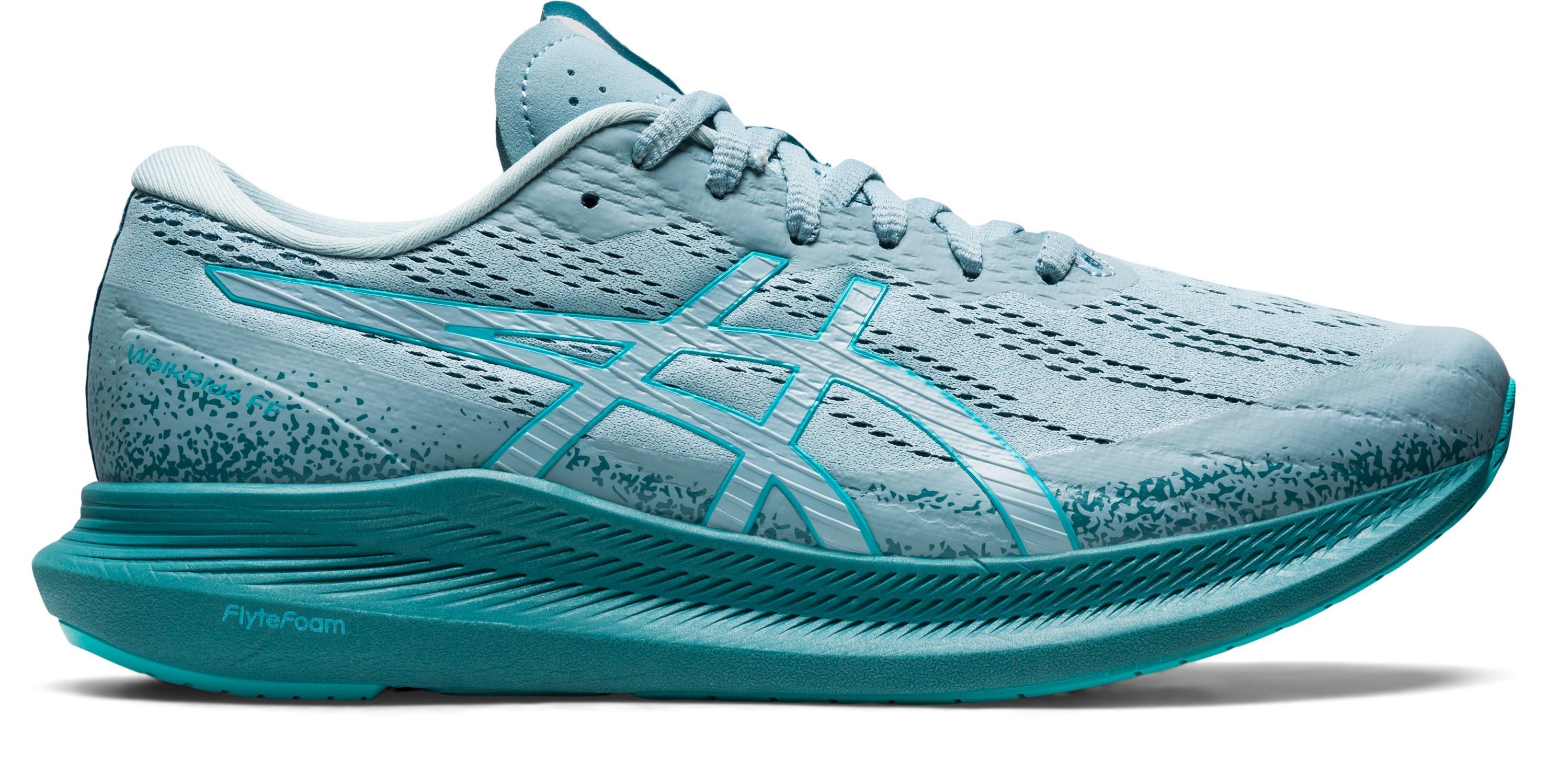
When you examine a pair of podiatrist recommended walking shoes, several non-negotiable elements come to the fore. First is the heel-to-toe drop, or offset. This refers to the height difference between the heel and the forefoot. A moderate drop (typically 8-12mm) is often recommended for walkers, as it facilitates a natural heel-to-toe gait cycle. Secondly, the midsole material is critical. While soft, plush foams like traditional EVA feel good initially, they often lack durability and stability. Advanced materials like polyurethane, TPU (thermoplastic polyurethane) guidance lines, or proprietary compounds like ASICS’ FlyteFoam or Brooks’ DNA LOFT offer a balance of responsive cushioning and sustained support. The rocker sole is another podiatric hallmark. As explained on platforms like Quora by physical therapists, a rocker sole—with a curved profile—promotes a smooth roll-through from heel strike to toe-off, reducing strain on the plantar fascia and metatarsal joints. This is particularly beneficial for individuals with plantar fasciitis or arthritis. Furthermore, the toe box must be wide and deep enough to allow your toes to splay naturally upon impact, a principle supported by the natural foot movement studies often cited in podiatric literature. A constrictive toe box can lead to neuromas, bunions, and hammertoes. Each of these features is a calculated response to common podiatric diagnoses, making the shoe a tool for wellness.
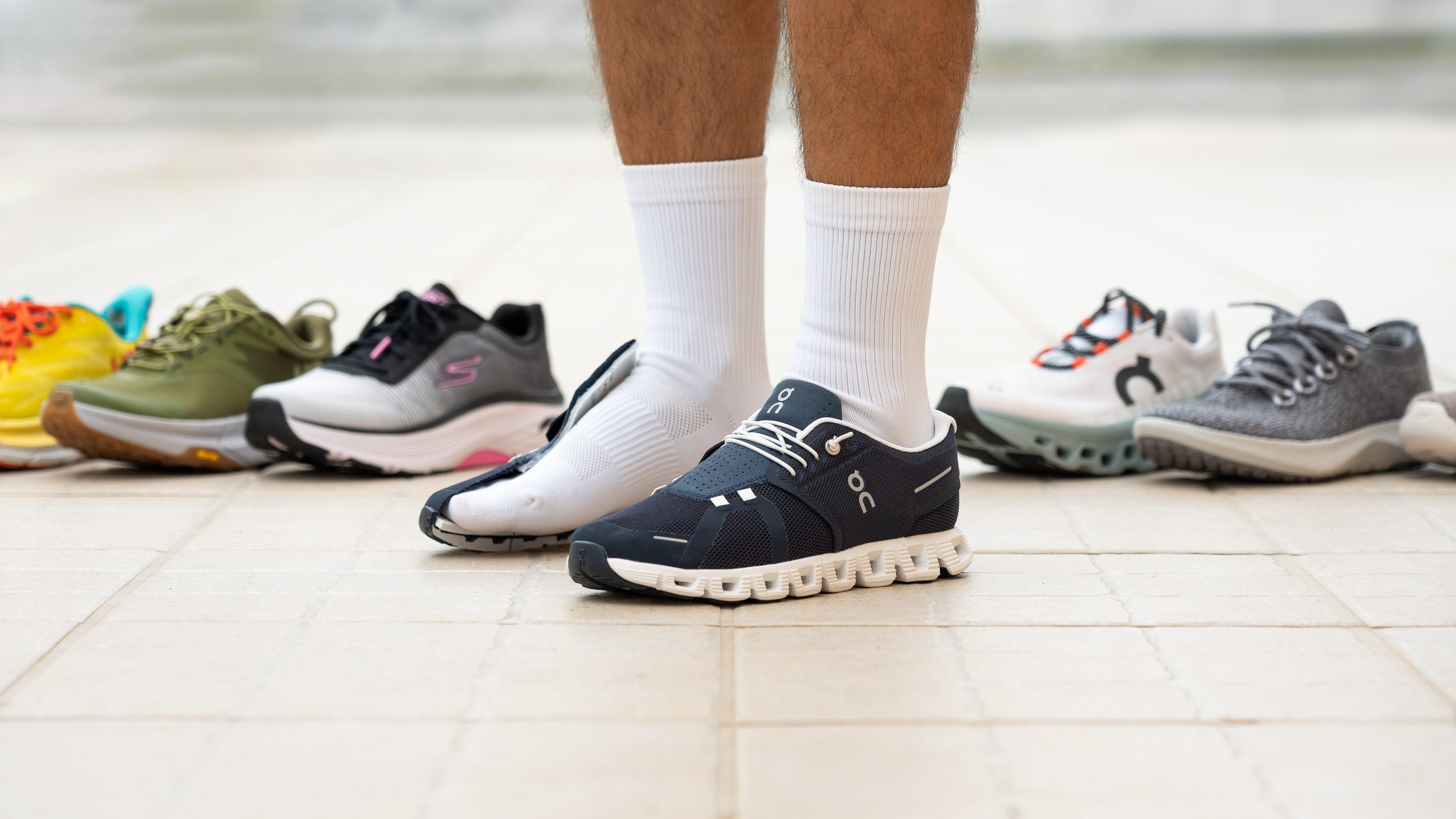
:max_bytes(150000):strip_icc()/favorite-walking-shoes-round-up-november-2024-458c3fc0c6844adca7c0a34ebc5cfb9b.jpg)
Voices of Authority: What the Experts Truly Say
The endorsement of a product by a medical professional carries significant weight, as it is rooted in clinical evidence and patient outcomes. Podiatrists frequently share their insights across media. Dr. Megan Leahy, a podiatrist with the Illinois Bone and Joint Institute, has been quoted in numerous health publications emphasizing that “the right shoe can prevent a multitude of problems.” She often points to adequate arch support and a rigid heel counter as the two most overlooked features by consumers. On YouTube, channels like “Foot & Ankle Center” run by practicing DPMs (Doctors of Podiatric Medicine) deconstruct popular shoe models, evaluating them against clinical criteria for stability and motion control. Their analyses move beyond marketing claims to practical, wearable medicine. Furthermore, authoritative resources like the American Podiatric Medical Association (APMA) grant a Seal of Acceptance to products that promote good foot health. Shoes bearing this seal have been voluntarily submitted and evaluated by a committee of podiatrists, providing an independent, trusted benchmark. This external validation is crucial. It means the shoe’s design has been scrutinized not by a fashion editor, but by a panel of foot scientists. When you choose a pair of podiatrist recommended walking shoes with such credentials, you are effectively aligning your daily wear with a standard of therapeutic care.
“The shoe is the interface between the human body and the ground. A poorly designed interface will inevitably lead to system failures—in this case, pain and injury. Our recommendations are based on creating harmony in that interface.” – Paraphrased from common principles discussed in podiatric medical textbooks and lectures.
The Personal Impact: A Journey from Pain to Freedom
Let’s shift from the clinical to the personal. Imagine you, the reader, have spent years accepting foot fatigue as a normal part of life. You might be a teacher, a nurse, a retail worker, or simply someone who enjoys long weekend strolls. The transition to a genuinely supportive shoe is often described as revelatory. It’s not an exaggeration to say it can change your relationship with physical activity. The chronic, low-grade ache in your heels that you felt every morning (a classic sign of plantar fasciitis) begins to fade. The burning sensation in the ball of your foot (metatarsalgia) after a day on your feet diminishes. This isn’t magic; it’s mechanics. By providing structured support, these shoes allow your muscles and tendons to work efficiently rather than overcompensating for instability. They reduce the inflammatory strain on ligaments. For the aging population, this can mean the difference between mobility and sedentary decline. For the active individual, it means being able to push further without joint punishment. The investment in a pair of podiatrist recommended walking shoes is, fundamentally, an investment in your mobility capital. It preserves your body’s most fundamental machinery, ensuring that every step is a building block for health, not a slow erosion of it.
Navigating the Market: Where Knowledge Meets Value
Armed with this knowledge, you can now navigate the marketplace not as a passive consumer, but as an informed individual. Renowned brands like ASICS, Brooks, New Balance, HOKA, and Saucony have dedicated lines developed in consultation with podiatrists and biomechanists. The key is to look for models often categorized as “stability” or “motion control” walking shoes, especially if you have flat feet or overpronate. “Neutral cushioning” models are excellent for those with high arches or supination. It is essential to get professionally fitted, preferably later in the day when your feet are naturally slightly swollen. Remember, the most advanced technology is useless if the fit is wrong. Now, let’s talk about value. High-quality, podiatrist-endorsed footwear represents a significant investment, often ranging from $120 to $180. However, this is where strategic shopping comes in. Consider last season’s models, which often see discounts of 30-50% as new colors are released, with no compromise on core technology. Sign up for newsletters from specialty running and walking stores for exclusive sales. Outlet stores and certified online retailers frequently offer substantial savings. View this not as an expense, but as a cost-per-wear investment. A $150 shoe worn daily for a year costs about 41 cents per day—a negligible price for foundational health and comfort. The professional knowledge guides you to the right tool, and savvy purchasing makes it accessible.
Your Next Step: A Foundation for a More Active Life
The pursuit of the perfect walking shoe is more than a consumer task; it is an act of self-care. It is a decision to prioritize the long-term health of your body’s foundation over short-term aesthetic whims. The evidence is clear, from the biomechanics labs of universities to the clinical practices of podiatrists and the lived experiences of countless individuals: what you put on your feet matters profoundly. Podiatrist recommended walking shoes are the culmination of that evidence, designed to foster alignment, absorb impact, and promote natural, pain-free movement. They are the unsung heroes of daily comfort and long-term mobility. So, take this information, assess your own needs, and make a choice that supports every journey, every errand, every step. Your feet—and the rest of your body—will thank you not with silence, but with a newfound, enduring ease. The path to all-day comfort is paved with intention and the right pair of shoes. Start walking it today.
