

Discover the Best Podiatrist Recommended Walking Shoes for All-Day Comfort
Your feet are your foundation. They carry you through every step of your day, from the morning commute to the evening stroll. Yet, we often encase them in footwear chosen for style over substance, leading to a cascade of discomfort that can ripple up through your entire body. The quest for all-day comfort isn’t about luxury; it’s a physiological necessity. This is where the expertise of a podiatrist—a medical specialist in foot, ankle, and lower extremity health—becomes invaluable. Moving beyond marketing claims, we delve into the science of support, cushioning, and gait to uncover what truly makes a walking shoe worthy of a podiatrist’s endorsement. The right pair of podiatrist recommended walking shoes can transform walking from a mundane task into a pleasurable, sustainable activity that supports your overall well-being.
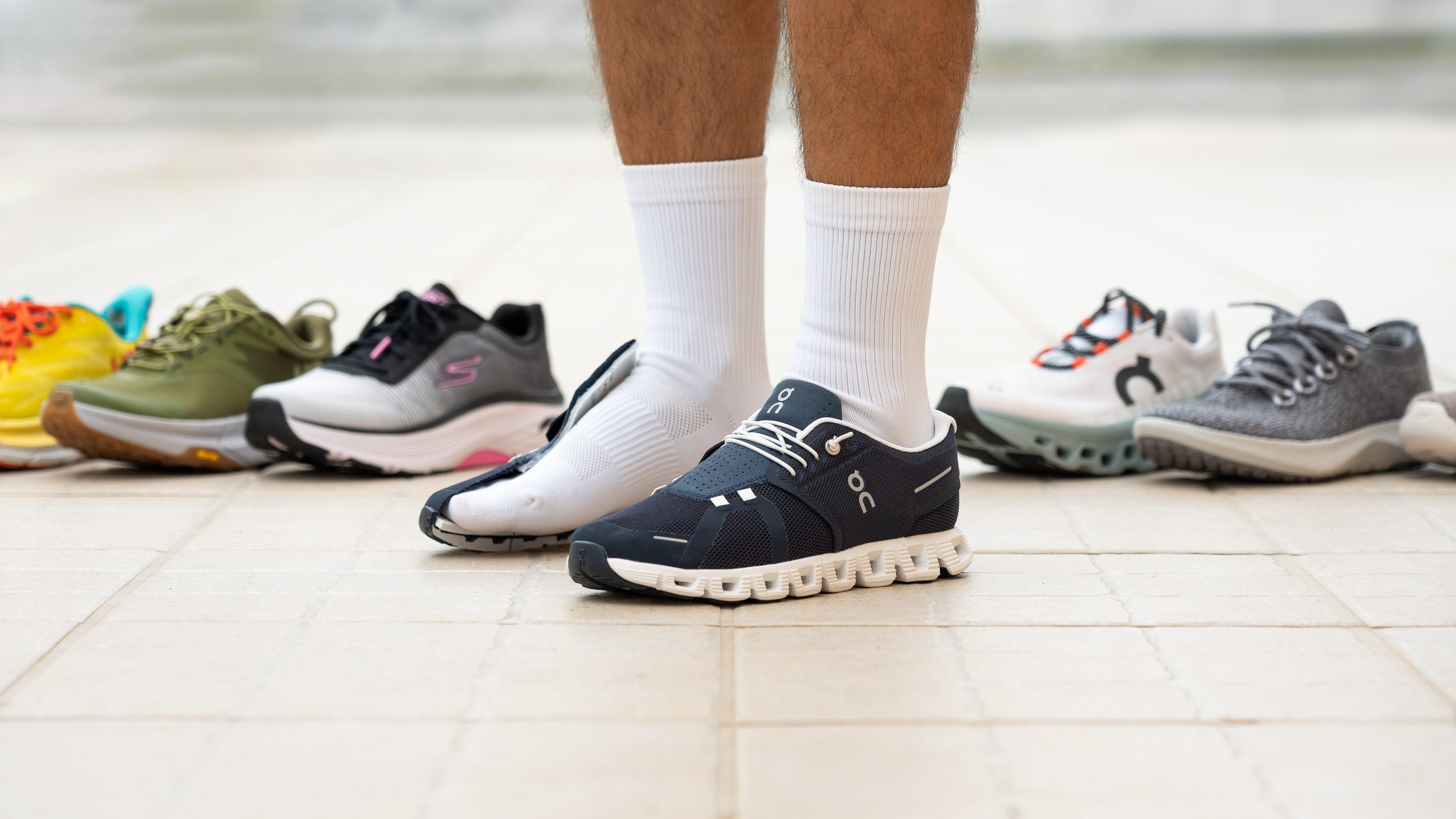
The Foot’s Blueprint: Why Anatomy Demands Specific Support
To understand why a generic shoe fails, we must first appreciate the foot’s magnificent engineering. Each foot is a complex structure of 26 bones, 33 joints, and over 100 muscles, tendons, and ligaments. According to resources like Wikipedia and academic literature from institutions like the University of Washington’s Department of Orthopaedics, the foot’s primary functions are shock absorption, adaptation to uneven surfaces, and providing a rigid lever for propulsion. When any part of this system is compromised—be it through flat feet (pes planus), high arches (pes cavus), or overpronation—the entire kinetic chain, from ankles to knees, hips, and even the lower back, can be affected. A podiatrist analyzes this biomechanics. Therefore, podiatrist recommended walking shoes are not a one-size-fits-all category but a targeted solution. They often feature specific elements like medial posts to control excessive inward rolling (overpronation), deep heel cups to stabilize the calcaneus bone, and arch supports that match the foot’s natural contour. This isn’t mere padding; it’s structural reinforcement. As noted by Dr. Jacqueline Sutera, a New York City-based podiatrist frequently cited in health publications, “Shoes should bend at the ball of the foot, not in the middle. A shoe that twists easily in your hands lacks the stability your foot needs.” This objective, anatomical perspective forms the bedrock of any serious recommendation.
Deconstructing Comfort: The Pillars of a Superior Walking Shoe
Comfort in a walking shoe is a multi-faceted achievement, built upon several non-negotiable pillars. First is cushioning. Modern midsoles utilize materials like ethylene-vinyl acetate (EVA), polyurethane (PU), and proprietary gels (ASICS GEL) or foams (Brooks DNA LOFT, Adidas Boost). The science here involves energy return and attenuation. A study from the Spaulding National Running Center, affiliated with Harvard Medical School, examines how different foams reduce impact forces. Effective cushioning doesn’t feel like walking on marshmallows; it provides a responsive, protective layer that dissipates force without sacrificing stability. The second pillar is fit and volume. Your foot swells throughout the day and during activity. Renowned shoe fitting experts, like those from the Pedorthic Footwear Association, advocate for a “thumb’s width” of space between your longest toe and the shoe’s end. A proper fit accommodates the foot’s natural splay upon weight-bearing, preventing blisters and neuromas. Third is breathability and upper construction. Materials like engineered mesh allow for air circulation, reducing moisture and heat buildup, which can lead to fungal infections. Each of these pillars is a point of rigorous evaluation in podiatrist recommended walking shoes, ensuring the shoe acts as a symbiotic extension of the foot rather than a restrictive container.
:max_bytes(150000):strip_icc()/podiatrist-recommended-walking-shoes-e1b90077185d4e6cadbf6327c4d17db7.jpg)
Beyond the Brand: Evidence-Based Features to Seek
Navigating the sea of athletic footwear can be daunting. Let’s translate podiatric principles into a tangible checklist. Look for a rigid heel counter. Squeeze the back of the shoe; it should be firm to hold your heel in place and prevent slippage that can cause Achilles tendonitis. Examine the torsional rigidity. Try twisting the shoe; it should resist twisting through the arch, providing essential midfoot stability. Observe the rocker sole. Many therapeutic and high-performance walking shoes incorporate a slight upward curve at the toe. This design, championed by brands like HOKA and often discussed in podiatric circles, promotes a smoother gait cycle by reducing the effort required to roll from heel to toe-off. It’s a feature frequently found in diabetic footwear for reducing pressure. Furthermore, consider removable insoles. This allows for customization with orthotics, which are custom-made or over-the-counter arch supports prescribed by podiatrists to correct biomechanical abnormalities. A shoe with a deep, removable insole is a blank canvas for this personalized intervention. These are not speculative features; they are repeatedly highlighted in reviews on expert sites like Runner’s World, in Q&A forums where podiatrists contribute, and in clinical guidelines for managing common foot ailments.
The Personal Equation: Matching Shoes to Your Gait and Lifestyle
Your walking pattern is as unique as your fingerprint. The concept of “gait analysis,” once confined to professional athletes, is now a cornerstone of finding the right shoe. Overpronation, underpronation (supination), and neutral gait require different levels of support. Many specialty running stores offer basic gait analysis, but a podiatrist can provide a comprehensive evaluation, often using pressure plates and video analysis. This personal data is crucial. For instance, a person with a neutral gait and high arches might prioritize maximum cushioning and flexibility, perhaps looking at a shoe like the ASICS GEL-Nimbus. Conversely, someone with severe overpronation and flat feet would be steered toward a motion-control shoe with a firm medial post, such as the Brooks Adrenaline GTS. Your daily terrain matters equally. Are you primarily on paved surfaces, or do you enjoy park trails? Pavement demands excellent shock absorption, while uneven trails call for enhanced stability and a slightly more rugged outsole. The label “podiatrist recommended walking shoes” implies this level of personalized matching. It acknowledges that the best shoe for a nurse working 12-hour shifts on hospital floors will differ from the best shoe for a retiree enjoying daily nature walks.
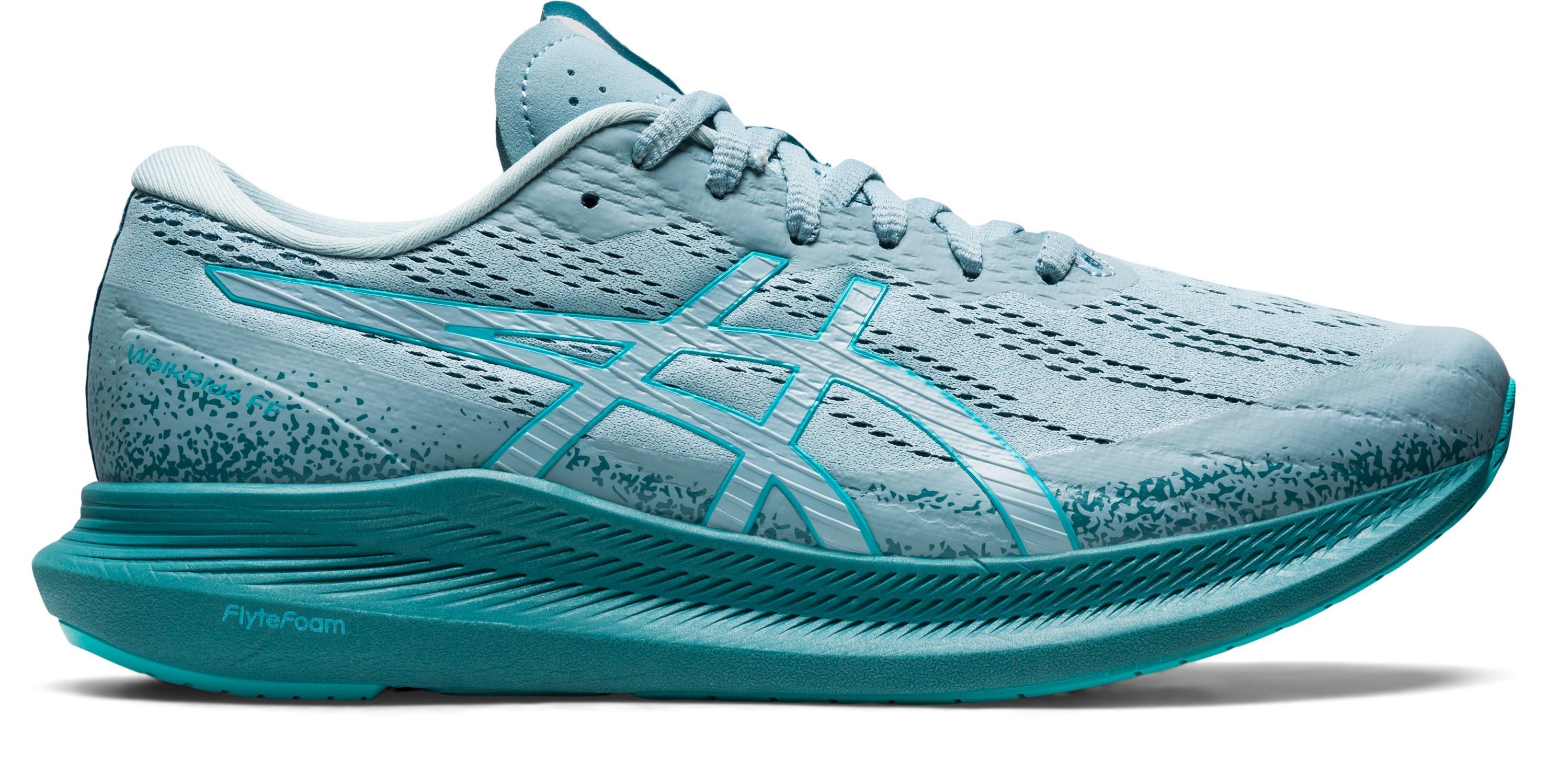
Investing in Your Foundation: The Long-Term Value of Quality
It’s tempting to view expensive footwear as a cost rather than an investment. However, when framed through the lens of preventive health, the value proposition shifts dramatically. Consider the alternative: persistent foot pain, plantar fasciitis, bunions, knee osteoarthritis, or chronic lower back issues. The economic and personal cost of treating these conditions—through physical therapy, custom orthotics, medications, or even surgery—dwarfs the price of a premium pair of shoes. As the famous quote attributed to philosopher Socrates goes, “It is a shame for a man to grow old without seeing the beauty and strength of which his body is capable.” Proper footwear is a fundamental tool in realizing that capability. Furthermore, high-quality podiatrist recommended walking shoes are built with durable materials that maintain their structural integrity longer than cheaply made alternatives. While the initial outlay might be higher, the cost per mile of comfortable, injury-free walking is remarkably low. Brands like New Balance, Saucony, and Brooks often offer previous-season models or colorways at significant discounts, making this crucial investment more accessible. The goal is to bring this professional-grade knowledge and smarter purchasing power directly to you, empowering you to make a choice that pays dividends in comfort and health for miles to come.
:max_bytes(150000):strip_icc()/tal-10-podiatrist-approved-open-toed-shoes-tout-00bd6ff1c36a49cdbbff486b0b54fb27.jpg)
The journey to all-day comfort begins with a single, well-supported step. It requires moving past fleeting fashion trends and engaging with the functional science of footwear. By prioritizing the anatomical principles and evidence-based features that define truly podiatrist recommended walking shoes, you are not just buying a product; you are choosing a partner in mobility. This choice honors the complexity of your feet, safeguards the alignment of your body, and ultimately, unlocks the simple, profound joy of moving through your world without pain. Listen to the experts who understand the foundation of movement, and let your shoes be the tool that supports every adventure, every errand, and every step of your day.
