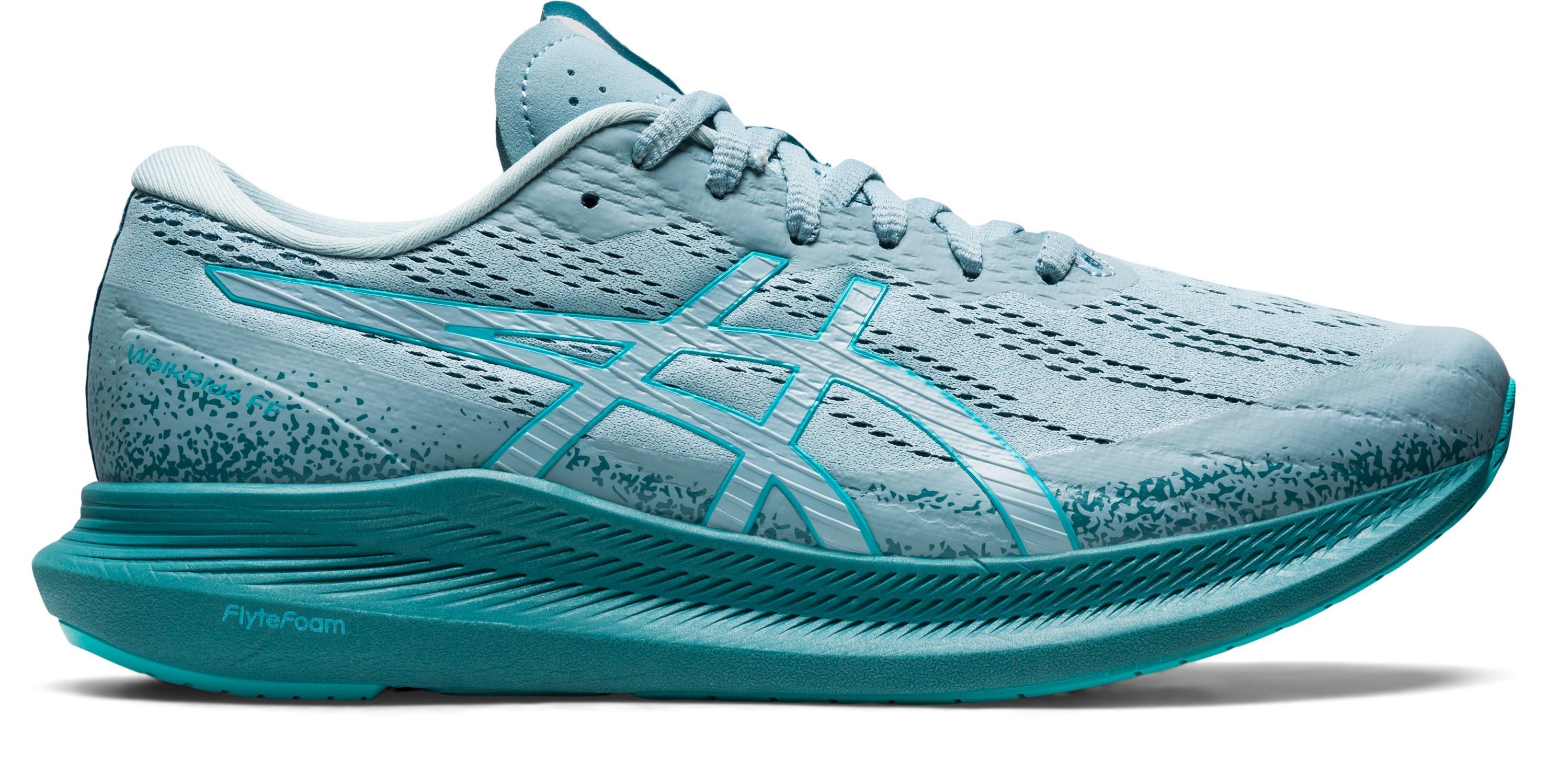
Discover the Best Podiatrist Recommended Walking Shoes for All-Day Comfort
Your feet are your foundation, and the shoes you choose for walking can mean the difference between a day filled with vibrant energy and one hampered by discomfort or even injury. The quest for the perfect walking shoe is not merely about fashion or brand loyalty; it is a critical investment in your long-term musculoskeletal health and daily well-being. This guide cuts through the marketing noise to focus on the core principles that define a truly supportive walking shoe, drawing from the expertise of foot health professionals—podiatrists. We will explore the scientific rationale behind their recommendations, provide actionable criteria for your selection, and highlight how the right pair of podiatrist recommended walking shoes can transform your daily movement from a chore into a joy.
The Science of Support: Why Podiatrist Endorsement Matters
Podiatry, the branch of medicine devoted to the study, diagnosis, and treatment of disorders of the foot, ankle, and lower extremity, provides an evidence-based framework for understanding footwear. Podiatrists do not merely suggest shoes; they analyze biomechanics. The human foot is a complex structure of 26 bones, 33 joints, and over 100 muscles, tendons, and ligaments. According to resources from authoritative institutions like the American Podiatric Medical Association (APMA), improper footwear can lead to a cascade of issues, including plantar fasciitis, metatarsalgia, bunions, and knee or hip misalignment. A podiatrist recommended walking shoe is designed to counteract these risks. It typically features specific structural elements: a firm heel counter to control rearfoot motion, adequate arch support to maintain the foot’s natural alignment, a roomy toe box to allow for natural splay and prevent compression, and a sole with appropriate cushioning and flexibility at the ball of the foot. This is not anecdotal advice; it is applied biomechanics. As noted on platforms like Quora and in medical literature, the goal is to find a shoe that supports the foot’s natural function without overly restricting it, a balance that mass-market shoes often fail to achieve.
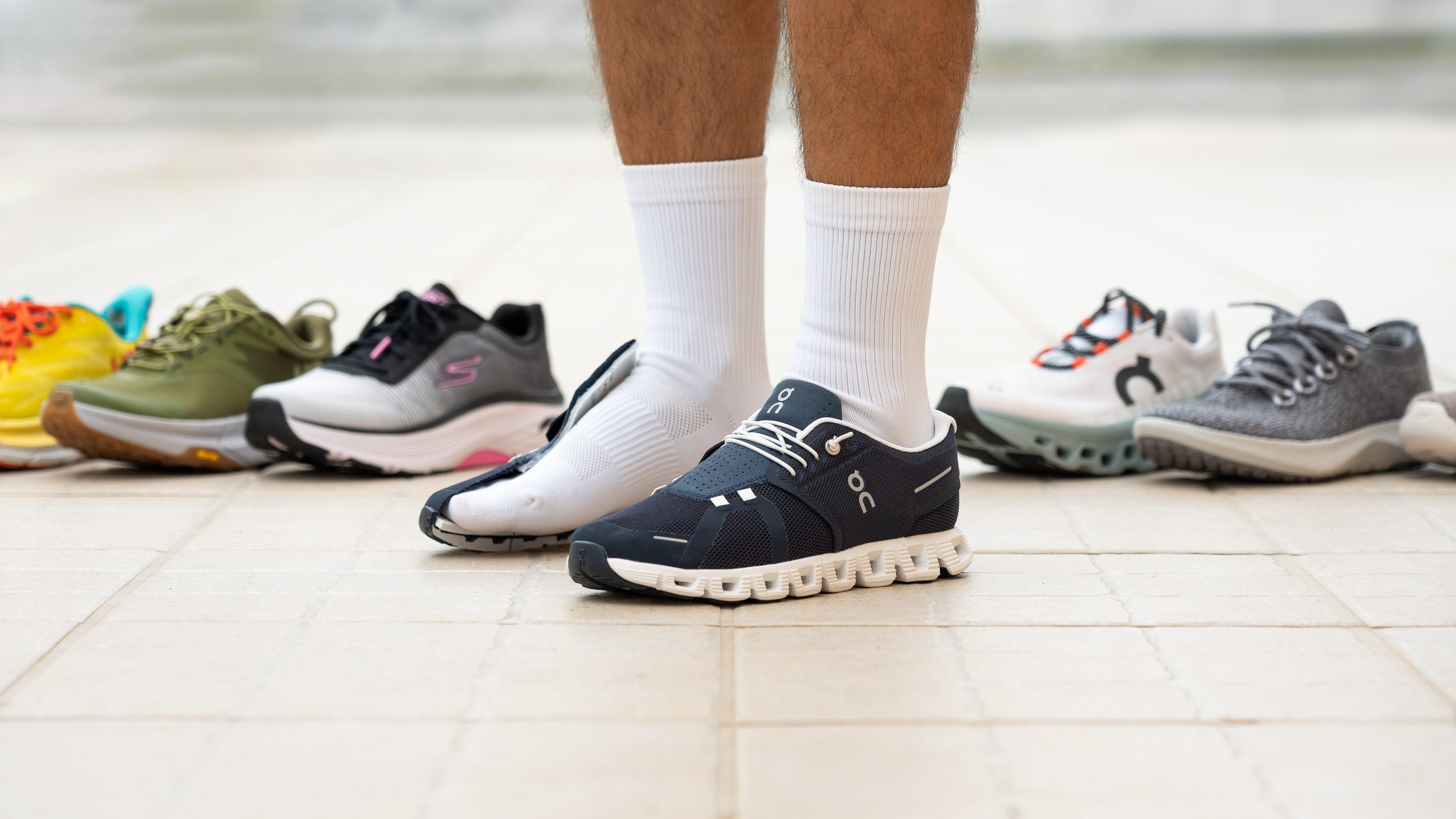
Decoding the Anatomy of an Ideal Walking Shoe
To make an informed choice, you must become fluent in the language of shoe construction. Let’s dissect the non-negotiable features that podiatrists consistently emphasize. First, the heel counter: this is the rigid cup at the back of the shoe that cradles your heel. A study cited in the Journal of Foot and Ankle Research highlights its role in reducing excessive pronation (inward rolling) or supination (outward rolling), which are major contributors to overuse injuries. Second, arch support is paramount. Contrary to popular belief, “support” does not mean a hard, unyielding arch. As explained in resources from Wikipedia and podiatric clinics, effective support matches the contour and height of your individual arch, whether low, neutral, or high, to distribute pressure evenly across the plantar fascia. Third, the toe box must provide ample horizontal and vertical space. Renowned podiatrist Dr. Jacqueline Sutera, in various media interviews, often compares a cramped toe box to “binding your feet,” which can lead to neuromas and deformities over time. Finally, the midsole and outsole: the midsole provides cushioning, often using materials like EVA or polyurethane, while the outsole offers durability and traction. The flexibility should be strategic—stiff in the arch for stability, but flexible where your foot naturally bends during toe-off.
Beyond the Brand: Objective Criteria for Your Selection
With countless models on the market, how do you objectively assess a shoe’s merit? Relying solely on brand reputation or a friend’s suggestion is insufficient. Your selection process should be methodical. Begin with the fit test. Always try on shoes in the afternoon, as feet naturally swell throughout the day. There should be a thumb’s width of space (about 3/8 to 1/2 inch) between your longest toe and the end of the shoe. Width is equally critical; your foot should not spill over the sides of the sole. Next, perform the flex test. Hold the shoe and bend it. It should bend easily at the ball of the foot (where your toes meet the rest of your foot) but remain firm through the arch. Then, check the stability test. Try to twist the shoe from heel to toe; a good walking shoe will resist torsion. Finally, consider the weight and breathability. Heavy shoes can alter your gait and increase fatigue, while non-breathable materials create a moist environment conducive to fungal infections. These are not arbitrary tips; they are distilled from the collective wisdom found in podiatric literature, authoritative buying guides from sources like Runner’s World, and the shared experiences on community platforms.
:max_bytes(150000):strip_icc()/podiatrist-recommended-walking-shoes-e1b90077185d4e6cadbf6327c4d17db7.jpg)
Investing in Your Foundation: The Long-Term Value Proposition
Some may balk at the price tag of high-quality, professionally endorsed footwear. However, this perspective shifts when viewed through the lens of preventive healthcare and cost-per-wear. A pair of well-constructed podiatrist recommended walking shoes is an investment in preventing future medical expenses. Consider the cost of orthotics, physical therapy sessions, or even surgery for conditions exacerbated by poor footwear. The value extends beyond monetary savings. The right shoes enhance your quality of life by enabling pain-free mobility, encouraging an active lifestyle, and improving posture. As the ancient Greek physician Hippocrates is often paraphrased, “Walking is man’s best medicine.” To fully harness this medicine, you need the proper tool. Furthermore, the durability of these shoes often means they outlast several pairs of cheaper alternatives, offering better long-term value. We are committed to bringing this professional knowledge directly to you, alongside seeking out opportunities for discounted prices through trusted retailers and seasonal sales, making this crucial investment more accessible.
A Curated Perspective: Voices from the Experts
To solidify these principles, let’s turn to the experts who dedicate their careers to foot health. Their insights cut through trends and get to the heart of what functionality truly means.
“The most common mistake I see is patients choosing shoes based on style alone. The foundation of your body is your feet. If your foundation is unstable or in pain, everything above it—knees, hips, back—can be affected. A proper walking shoe acts as a mobile orthotic, providing external structure where your own anatomy may need support.” – Dr. Miguel Cunha, Founder of Gotham Footcare, in an interview for a well-known health website.
“Don’t be fooled by excessive, marshmallow-soft cushioning. While cushioning is important, it must be paired with stability. An overly soft midsole can allow the foot to collapse inward excessively, leading to biomechanical inefficiency and strain. Look for a balanced combination of responsive cushioning and a supportive platform.” – Advice echoed by Dr. Brad Schaeffer, a podiatrist featured in Men’s Health, reflecting a consensus view in modern podiatric thought.
:max_bytes(150000):strip_icc()/I-Asked-Podiatrists-for-Their-Fall-Shoe-Recommendations-These-Are-Their-Top-8-Picks-8fbdf9d65f3a4228ae63f6e5253dc08c.jpg)
Your Path Forward: Integrating Knowledge into Action
Armed with this knowledge, your shopping journey transforms from passive consumption to active selection. Start by assessing your own feet and gait. Do you have a history of plantar fasciitis? You may need shoes with exceptional arch support and a rocker sole. Do you walk primarily on hard, urban surfaces? Prioritize shock absorption. Remember, the term “podiatrist recommended walking shoes” is not a marketing gimmick when applied correctly; it refers to models that have been evaluated and often granted the Seal of Acceptance by organizations like the APMA, meaning they have been found to promote good foot health. When you try on a potential pair, walk on a hard surface in the store for several minutes. Pay attention to any points of pressure or slip. Your first step in these shoes should feel secure, stable, and naturally encouraging of a healthy stride. This proactive approach empowers you to make a choice that serves your body’s mechanics, not just its aesthetics.
The journey to finding the perfect walking shoe is a personal one, but it need not be a solitary or confusing endeavor. By grounding your decision in the biomechanical principles championed by podiatry, you move beyond fleeting trends and invest in a tool for sustained vitality. The right pair of podiatrist recommended walking shoes is more than an accessory; it is a partner in your daily movement, a guardian of your joints, and a simple yet profound contributor to a life lived on comfortable, healthy feet. Let this knowledge guide your step, and experience the profound difference that comes from truly supporting your foundation.