

Discover the Best Podiatrist Recommended Walking Shoes for All-Day Comfort
Your feet are your foundation, and the shoes you choose can either support that foundation or undermine it with every step. The quest for all-day comfort isn’t merely about finding soft cushioning; it’s an engineering challenge that balances biomechanics, material science, and individual physiology. This is where the guidance of a podiatrist—a medical professional specializing in foot, ankle, and lower extremity health—becomes invaluable. Podiatrist recommended walking shoes are not a marketing gimmick but a category born from clinical insight into preventing pain, correcting gait issues, and promoting long-term musculoskeletal health. This article delves into the core principles that define these recommended shoes, translating professional podiatric advice into actionable knowledge for your next purchase, while also guiding you toward finding these essential items at accessible prices.
:max_bytes(150000):strip_icc()/I-Asked-Podiatrists-for-Their-Fall-Shoe-Recommendations-These-Are-Their-Top-8-Picks-8fbdf9d65f3a4228ae63f6e5253dc08c.jpg)
The Biomechanical Blueprint: Why Your Feet Demand Expert-Approved Footwear
Walking is a complex series of events known as the gait cycle, comprising the stance phase (foot on the ground) and the swing phase (foot in the air). During the stance phase, your foot must pronate—roll inward—to absorb shock and adapt to terrain. However, excessive or insufficient pronation can lead to a cascade of issues, from plantar fasciitis and shin splints to knee, hip, and even back pain. A podiatrist analyzes this gait cycle to identify aberrations. The shoes they recommend are designed to interact correctly with this cycle. For instance, motion control features in a shoe are prescribed for overpronators to add stability, while neutral-cushioned shoes are for those with a more efficient gait. This isn’t anecdotal advice; it’s grounded in orthopedics and sports medicine. Literature from institutions like the American Academy of Podiatric Sports Medicine consistently emphasizes that appropriate footwear is a primary intervention for overuse injuries. When you choose a podiatrist recommended walking shoe, you are essentially selecting a tool that has been vetted for its ability to facilitate a healthier, more natural gait pattern, thereby distributing impact forces evenly and reducing stress on joints far beyond the foot itself.
Decoding the Anatomy of a Superior Walking Shoe
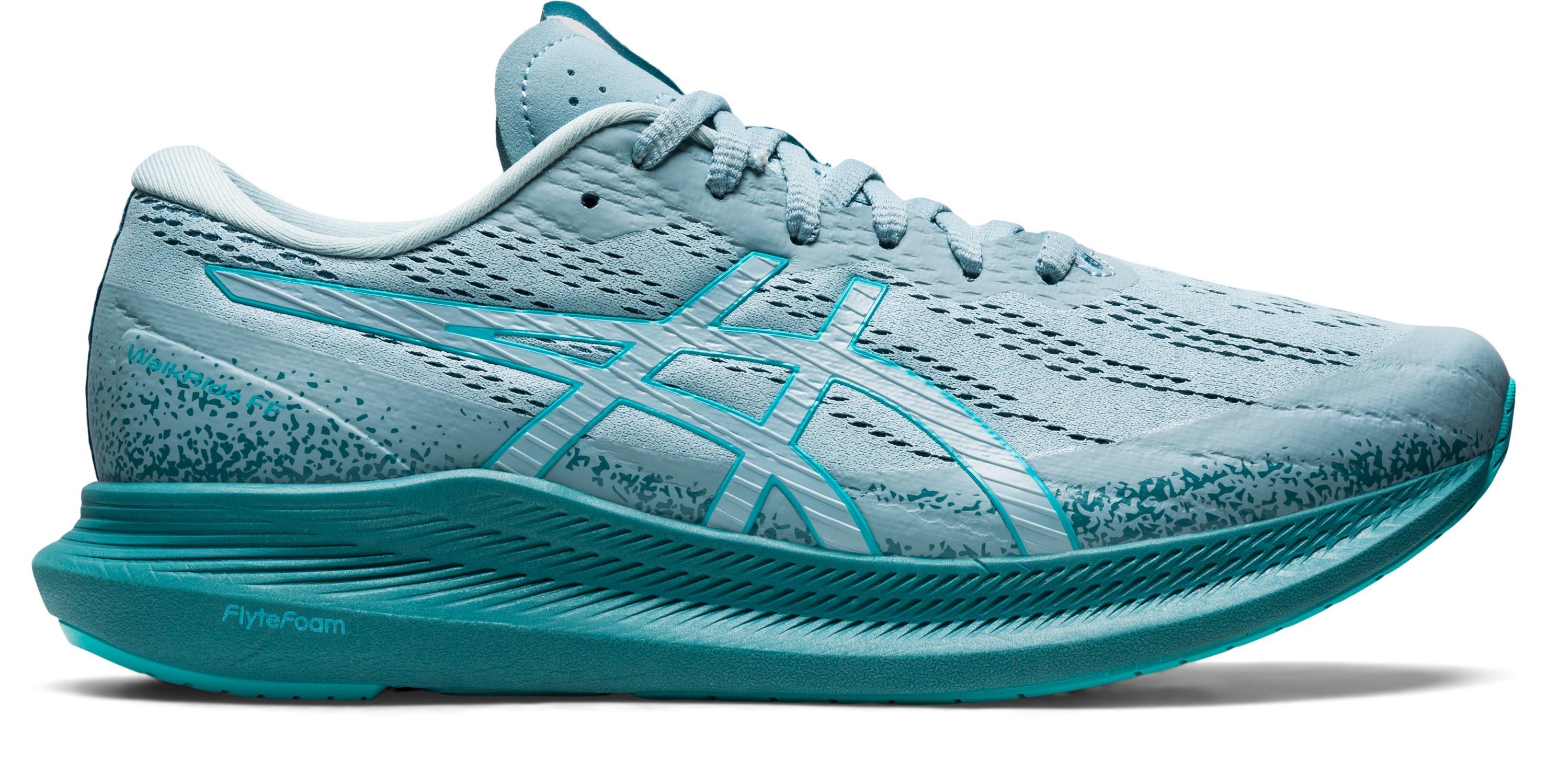
What specific elements transform an ordinary sneaker into a podiatric ally? The answer lies in a synergistic design where every component serves a physiological purpose. First, the heel counter: this is the firm cup at the back of the shoe that cradles the heel. A sturdy, well-structured heel counter is non-negotiable in podiatric recommendations, as it prevents excessive heel movement, providing stability and reducing the risk of conditions like Achilles tendinitis. Second, the midsole: this is the heart of cushioning and support. Materials like EVA (ethylene-vinyl acetate) foam, polyurethane, or advanced proprietary compounds like ASICS’ GEL or Brooks’ DNA LOFT are engineered to offer a balance of shock attenuation and responsive rebound. The midsole often incorporates dual-density foams or medial posts to combat overpronation. Third, the toe box: ample width and depth in the forefoot area allow toes to splay naturally upon foot strike, which is crucial for balance and propulsion. Constriction here can lead to neuromas, bunions, and hammertoes. Finally, flexibility: the shoe should bend at the ball of the foot, where your foot naturally flexes, not in the middle of the arch. This ensures the shoe works with your foot’s mechanics, not against them. A true podiatrist recommended walking shoe integrates these features seamlessly, creating a protective environment without sacrificing natural movement.
Material Matters: Innovation in Comfort and Durability
The evolution of footwear materials has been a game-changer for podiatric health. Gone are the days of stiff, unforgiving leather uppers and heavy rubber soles. Modern podiatrist recommended walking shoes utilize engineered mesh uppers that provide strategic breathability and adaptive stretch, conforming to the foot’s shape while offering targeted support. This breathability is vital for maintaining a healthy foot environment, reducing moisture, and preventing fungal infections. In the midsole, the science is even more profound. As noted in materials science publications, viscoelastic polymers like those used in GEL technology absorb a significant amount of impact energy, converting it into minimal heat dissipation rather than transmitting it up the skeletal chain. Furthermore, considerations for sustainability are emerging, with brands using recycled materials in midsoles and uppers without compromising the therapeutic integrity of the shoe. Durability is another key podiatric concern; a shoe that breaks down quickly loses its supportive properties, potentially leading to injury. Outsoles made from carbon rubber or high-abrasion compounds in high-wear areas ensure the shoe’s biomechanical benefits last for its intended lifespan, making it a sound long-term investment in your foot health.
From Clinic to Pavement: How Podiatrists Evaluate and Recommend
You might wonder how a podiatrist arrives at a specific shoe recommendation. The process is diagnostic and personalized. It often begins with a gait analysis, sometimes on a treadmill with video recording or pressure-sensitive mats that map force distribution. The podiatrist looks for asymmetries, strike patterns, and joint angles. They also consider the patient’s foot type (e.g., high arch, flat foot), weight, activity level, and any existing pathologies like diabetes, which requires extra protective features. Based on this assessment, they reference a mental—and often physical—catalog of shoes that have proven their worth in clinical outcomes. Dr. Jacqueline Sutera, a prominent New York City podiatrist, often states in media interviews that a good walking shoe should feel supportive and comfortable from the moment you put it on, without a “break-in” period. This immediate comfort is a hallmark of good design. Podiatrists also prioritize shoes from brands that consistently engage with the medical community, conduct biomechanical research, and offer a wide range of sizes and widths to accommodate anatomical diversity. Therefore, a podiatrist recommended walking shoe is not a one-size-fits-all product but a specific model selected from a reputable brand that aligns with evidence-based principles of foot care.

Navigating the Market: Finding Value Without Sacrificing Quality
Acquiring high-quality, medically-sound footwear need not be a financial burden. The key is strategic shopping. First, identify the specific features you need based on your own or a podiatrist’s assessment—do you require maximum cushioning, motion control, or a wide toe box? Once you have a target model or technology in mind, employ several tactics. Subscribe to newsletters from major running and walking specialty retailers, as they often have seasonal sales and clearance events on previous models. The technological advancements between model years are often incremental, so last season’s version of a top-tier podiatrist recommended walking shoe will offer nearly identical biomechanical benefits at a fraction of the cost. Outlet stores and certified online marketplaces for reputable brands are also excellent sources. Furthermore, consider the total cost of ownership. A $150 shoe that lasts for 500 miles of comfortable, injury-free walking offers far better value than a $60 shoe that causes discomfort, wears out in 200 miles, or leads to a costly doctor’s visit for foot pain. Investing in your foot health is preventative care, potentially saving thousands in future medical expenses, lost productivity, and pain management.
The journey to all-day comfort begins with respecting the intricate machinery of your feet. Podiatrist recommended walking shoes represent the confluence of medical expertise and footwear innovation, designed to protect, correct, and enhance your natural movement. By understanding the biomechanical principles behind their design—the steadfast heel counter, the scientifically-engineered midsole, the accommodating toe box—you empower yourself to make informed choices that transcend fleeting fashion trends. Prioritize these features, seek out reputable brands trusted by medical professionals, and employ savvy shopping strategies to make this essential health investment accessible. Your feet carry you through life; providing them with the best possible foundation is not a luxury, but a necessity for a vibrant, active, and pain-free existence.
