

Discover the Best Podiatrist Recommended Walking Shoes for All-Day Comfort
Your feet are your foundation, and the shoes you choose can either be a source of constant support or a catalyst for discomfort and long-term issues. The quest for the perfect walking shoe is not merely about fashion or fleeting trends; it is a critical investment in your mobility and overall well-being. This guide is dedicated to uncovering the principles behind podiatrist recommended walking shoes, translating professional podiatric insights into actionable knowledge for your daily life. We will move beyond marketing claims to explore the anatomical and biomechanical science that defines a truly supportive shoe, providing you with the tools to make an informed choice that brings lasting comfort, whether you’re navigating city streets, office corridors, or park trails.
The Science of Stride: Why Your Feet Demand Expert-Approved Footwear
Walking is a complex symphony of biomechanical events. With each step, your foot undergoes a sequence of pronation (rolling inward) and supination (rolling outward) to absorb shock and adapt to surfaces. When footwear disrupts this natural motion, the consequences ripple upward. According to resources from institutions like the American Podiatric Medical Association (APMA), improper shoe gear is a leading contributor to common ailments such as plantar fasciitis, metatarsalgia, bunions, and chronic knee or back pain. A podiatrist recommended walking shoe is engineered to complement, not fight, your foot’s mechanics. It provides structured cushioning that dissipates impact forces, arch support that maintains the foot’s alignment, and a heel counter that stabilizes the rearfoot to prevent excessive pronation. Think of it not as an accessory, but as essential equipment. As renowned biomechanist Dr. Casey Kerrigan, founder of OESH Shoes, has emphasized in numerous publications, “The goal of footwear should be to allow the foot to function as naturally as possible while protecting it from the unnatural hardness of man-made surfaces.” This philosophy is the cornerstone of podiatric recommendations, focusing on injury prevention and sustainable comfort through scientifically-informed design.

Deconstructing Comfort: The Non-Negotiable Features of a Podiatrist-Approved Shoe
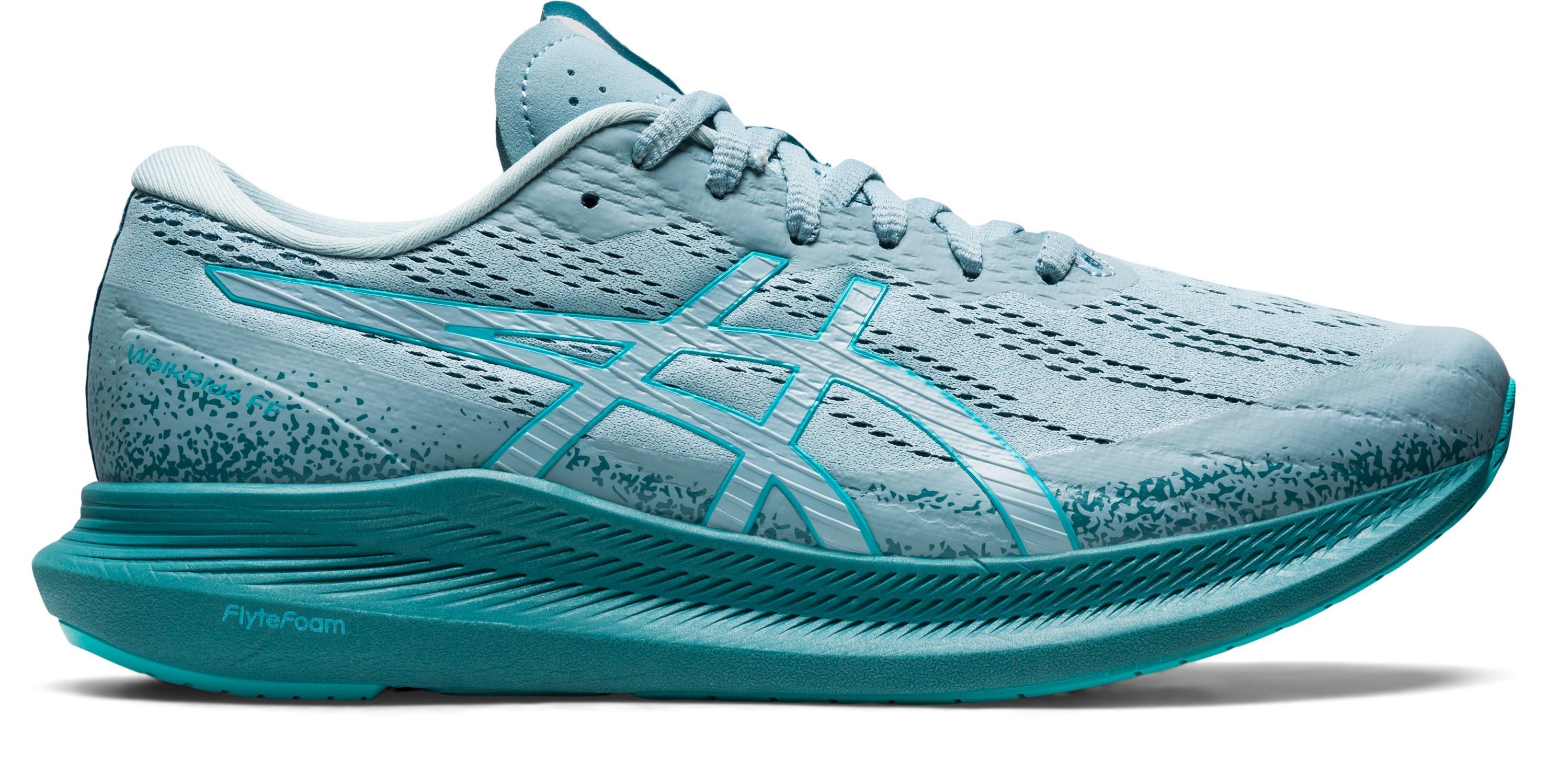
What specific elements transform an ordinary sneaker into a podiatric ally? Let’s dissect the anatomy of an ideal walking shoe, feature by feature. First, the toe box must be wide and deep enough to allow your toes to splay naturally upon weight-bearing, preventing the compression that leads to neuromas and hammertoes. Second, arch support is not one-size-fits-all; it must correspond to your foot type (neutral, low-arched, or high-arched). A shoe with contoured, firm yet forgiving arch support helps maintain the medial longitudinal arch, reducing strain on the plantar fascia. Third, the heel counter, the rigid cup at the back of the shoe, should be sturdy and well-padded to lock the heel in place, minimizing slippage and controlling rearfoot motion. Fourth, midsole cushioning technology, often utilizing materials like EVA, polyurethane, or proprietary gels (like ASICS GEL or Brooks DNA LOFT), must offer a balance of softness for shock absorption and resilience for energy return. Finally, a flexible forefoot that bends easily at the ball of the foot is crucial for facilitating a natural gait cycle. A shoe that is too stiff forces the muscles and tendons to work harder. As highlighted on authoritative health platforms like WebMD and Mayo Clinic, these features collectively work to distribute pressure evenly, stabilize the gait, and reduce fatigue. When you seek out podiatrist recommended walking shoes, you are looking for a product that integrates all these elements harmoniously.
Beyond the Brand: How to Apply Podiatric Principles to Your Personal Search
Armed with this knowledge, your shopping approach must shift from passive selection to active evaluation. Begin by understanding your own feet. Perform a simple wet foot test at home to see your arch imprint, or better yet, visit a specialty running store for a gait analysis. This self-awareness is your first filter. When trying on shoes, do so in the afternoon when feet are naturally slightly swollen. Wear the socks you intend to walk in. There should be a thumb’s width of space between your longest toe and the end of the shoe. The widest part of your foot should align comfortably with the widest part of the shoe. Don’t just stand—walk on a hard surface, jog a few steps, and listen for any pinching or slipping. Remember, a podiatrist recommended walking shoe is characterized by its construction, not necessarily its brand logo. While brands like Brooks, ASICS, New Balance, and HOKA frequently earn APMA seals of acceptance for specific models, the final judge is your unique foot. As noted in discussions on platforms like Quora and Runner’s World forums, the “best” shoe is highly individualized; a model praised by thousands may be wrong for your biomechanics. Your goal is to find the shoe that disappears on your foot, allowing you to move without conscious thought or discomfort.
Investing in Your Foundation: The Long-Term Value of Proper Footwear
Viewing quality walking shoes as an expense is a short-sighted perspective; in reality, they are a profound investment with compounding returns. Consider the alternative: the cumulative cost of orthotics, physical therapy sessions, pain relievers, and lost productivity due to foot-related ailments can far exceed the price of a premium pair of shoes. A well-constructed pair of podiatrist recommended walking shoes acts as preventive medicine. It safeguards the intricate structures of your feet—28 bones, 30 joints, and over 100 muscles, tendons, and ligaments—from the repetitive stress of daily life. This protection extends beyond your feet. Proper alignment at the foundation helps ensure proper alignment at the knees, hips, and spine. The renowned author and physician Dr. Andrew Weil has often spoken about the interconnectedness of bodily systems, noting that “foot health is a critical, yet often overlooked, component of overall vitality.” By choosing shoes that support your natural gait, you are not just buying a product for today; you are investing in your mobility, independence, and quality of life for decades to come. The comfort you experience is not a luxury—it is the sound of your body functioning as it was designed to.
:max_bytes(150000):strip_icc()/tal-10-podiatrist-approved-open-toed-shoes-tout-00bd6ff1c36a49cdbbff486b0b54fb27.jpg)
Smart Shopping: Marrying Professional Knowledge with Accessible Prices
Professional-grade comfort need not command a prohibitive price. The key is strategic, informed shopping. First, identify the specific models that meet the podiatric criteria discussed. Once you have a shortlist, employ smart tactics. Shop during seasonal sales, typically when new models are released (often in late winter/spring and late summer/fall). Previous model years offer identical core technology and construction at significant discounts. Subscribe to newsletters from reputable retailers and manufacturers for exclusive promo codes. Consider factory outlet stores or certified online outlets for genuine products. Furthermore, some health savings accounts (HSAs) and flexible spending accounts (FSAs) may allow for the reimbursement of therapeutic footwear if prescribed by a doctor for a medical condition—a point worth discussing with your podiatrist and benefits provider. The objective is to bridge the gap between expert-recommended quality and budgetary reality. As a savvy consumer, your priority is securing the essential features—the robust heel counter, the appropriate arch support, the quality cushioning—that define a true podiatrist recommended walking shoe, regardless of its place in a marketing cycle. This approach ensures you gain the long-term health benefits without undue financial strain.
:max_bytes(150000):strip_icc()/tal-roundup-podiatrist-loved-shoes-on-sale-tout-bdbf5721fa5642efa38b61f6a5b4ff34.jpg)
The journey to all-day comfort begins with a single, well-informed step. By prioritizing the biomechanical principles endorsed by podiatric science, you empower yourself to select footwear that actively contributes to your health rather than detracting from it. Let this understanding guide you past flashy advertisements and toward shoes that offer genuine, engineered support. Your feet, and indeed your entire body, will thank you for the miles to come.
