

Discover the Best Podiatrist Recommended Walking Shoes for All-Day Comfort
Your feet are the foundation of your movement, and the shoes you choose can either support that foundation or undermine it. For anyone who spends a significant part of their day on their feet—whether walking for fitness, navigating a busy workday, or exploring new cities—the quest for truly comfortable footwear is paramount. This isn’t merely about avoiding blisters; it’s about long-term foot health, joint preservation, and overall well-being. The market is flooded with options, but the most reliable guidance often comes from those who specialize in foot care: podiatrists. This article delves into the science and selection behind podiatrist recommended walking shoes, moving beyond marketing claims to understand the objective features that deliver all-day comfort. We will explore the anatomical principles, dissect key shoe components, and examine specific models that consistently earn professional endorsements, all while bringing you actionable knowledge and insights on value.
The Foot’s Blueprint: Why Science, Not Style, Comes First
To appreciate what makes a walking shoe exceptional, one must first understand the complex structure it aims to support. The human foot is a biomechanical marvel, comprising 26 bones, 33 joints, and over 100 muscles, tendons, and ligaments. This architecture forms three distinct arches: the medial longitudinal arch (the classic high arch), the lateral longitudinal arch, and the transverse arch. These arches work as a dynamic truss system, absorbing shock and propelling us forward with each step. When this system is misaligned or unsupported, problems cascade upward, affecting ankles, knees, hips, and even the lower back. Podiatrists, like Dr. Jacqueline Sutera, a New York-based doctor of podiatric medicine, frequently emphasize that “shoes are the foundation of your body.” In an interview with Prevention magazine, she notes, “The right shoe can prevent a multitude of problems, from plantar fasciitis to metatarsalgia.” This perspective is echoed in literature from authoritative institutions like the American Podiatric Medical Association (APMA), which grants its Seal of Acceptance to products that promote good foot health. Therefore, the core of podiatrist recommended walking shoes lies in their ability to respect and reinforce this natural blueprint, providing stability where needed and flexibility where required, rather than forcing the foot to conform to a fashionable but dysfunctional shape.

Deconstructing Comfort: The Non-Negotiable Features
Comfort in a walking shoe is a composite sensation born from several engineered features. It is not a vague, subjective feeling but the result of specific, measurable elements working in harmony. First and foremost is arch support. Contrary to popular belief, everyone needs arch support—it’s the type and degree that varies. A proper support system maintains the arch’s natural height during the gait cycle, preventing overpronation (excessive inward roll) or supination (outward roll). This is often achieved through a combination of a contoured footbed and a supportive midsole material like EVA (ethylene-vinyl acetate) or polyurethane. Secondly, heel counter rigidity is critical. The heel counter is the firm cup at the back of the shoe that cradles the calcaneus (heel bone). A sturdy, well-padded heel counter minimizes lateral movement, ensuring stability and reducing the risk of Achilles tendonitis. Third, we have toe box geometry. The forefoot needs space to splay naturally upon weight-bearing. A cramped, tapered toe box can lead to neuromas, bunions, and hammertoes. As noted on platforms like Quora and in podiatric forums, a thumb’s width of space between the longest toe and the shoe’s end is a standard recommendation. Finally, the rocking sole or toe-spring design facilitates a smooth heel-to-toe transition, reducing strain on the calf muscles and plantar fascia. These features, collectively, form the bedrock of any shoe worthy of a podiatrist’s recommendation.
Materials Matter: Breathability, Durability, and Responsiveness
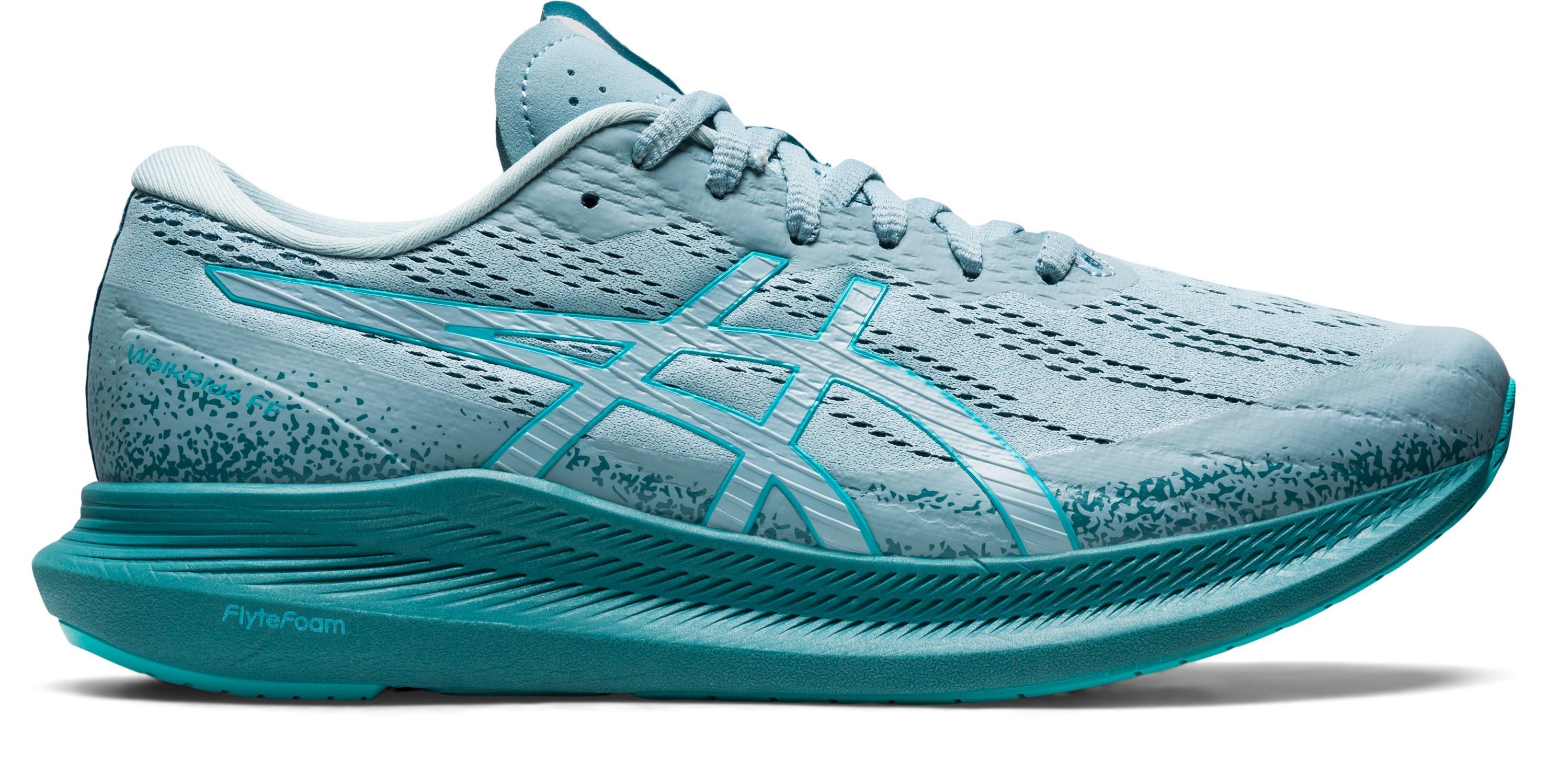
Beyond structure, the materials used in construction directly impact comfort and foot health over time. The upper part of the shoe should be constructed from breathable materials like engineered mesh or premium leather. Breathability is not a luxury; it is a necessity for temperature regulation and moisture management, preventing the macerated skin and fungal environments that thrive in damp conditions. The insole, or sock liner, should ideally be removable, allowing for customization with orthotics if needed, and made from moisture-wicking, antimicrobial fabrics. The midsole, the heart of cushioning, has seen significant innovation. While traditional EVA offers good shock absorption, newer materials like thermoplastic polyurethane (TPU) and proprietary foams (e.g., Brooks’ DNA LOFT, ASICS’ FLYTEFOAM) provide a superior balance of softness and resilience. They don’t just compress; they rebound, returning energy with each step. The outsole requires durable rubber with a strategic tread pattern for grip without excessive weight. A study from the University of Virginia’s Department of Orthopaedic Surgery literature reviews often highlights the importance of material durability in preventing overuse injuries, as worn-out midsoles lose their protective properties long before the shoe’s exterior appears damaged. Thus, investing in shoes with high-quality, purpose-driven materials is an investment in sustained comfort.
Navigating the Market: Categories of Podiatrist-Approved Footwear
The term “walking shoe” encompasses several sub-categories, each with a slightly different focus. Understanding these helps match the shoe to your specific gait and activity level. Stability Walking Shoes are designed for individuals with mild to moderate overpronation. They feature firmer postings on the medial (inner) side of the midsole to guide the foot into a more neutral alignment. Brands like New Balance and Brooks excel here. Neutral Cushioned Shoes are for those with a neutral gait or high arches (supinators). They prioritize plush, uniform cushioning to absorb impact since the foot doesn’t roll inward sufficiently to distribute force. HOKA and certain ASICS models are renowned for this. Motion Control Shoes are the most robust, built for severe overpronation or flat feet, offering maximum rearfoot and arch control. While less common now due to advances in stability designs, they remain a crucial tool in a podiatrist’s recommended arsenal. Lastly, Everyday Comfort/ Casual Walkers from brands like Ecco or Clarks often feature sleek designs with built-in orthotic-like comfort, suitable for all-day wear in less athletic settings. The common thread across all these categories is the presence of the scientifically-backed features previously discussed, making them legitimate contenders for the title of podiatrist recommended walking shoes.
Spotlight on Endorsed Models: Where Theory Meets Pavement
Let’s translate principles into products. Several models consistently appear on podiatrists’ lists and reputable review sites like Walking Magazine and Verywell Fit. The Brooks Addiction Walker is a perennial favorite, often cited for its exceptional support and durable construction. It utilizes a extended progressive diagonal rollbar for stability, making it a classic podiatrist recommended walking shoe for overpronators. The New Balance 928 is another stalwart, featuring a leather upper for structure and Rollbar technology for postural control. For those seeking maximal cushioning, the HOKA Bondi series offers an unparalleled soft yet stable ride, its meta-rocker geometry praised for easing foot fatigue. The ASICS Gel-Tech Neo combines GEL cushioning with a spacious toe box, addressing both impact absorption and forefoot comfort. Dr. Brad Schaeffer, a podiatrist featured in Travel + Leisure, specifically recommends styles with a “rigid shank” (a stiff insert between the insole and outsole) for all-day walking tours, a feature found in many of these models. It’s important to remember that the “best” shoe is highly individual; a model celebrated by one podiatrist may be adjusted by another based on a patient’s specific morphology. Therefore, these endorsements serve as a powerful starting point, not an absolute decree.
:max_bytes(150000):strip_icc()/podiatrist-recommended-walking-shoes-e1b90077185d4e6cadbf6327c4d17db7.jpg)
The Orthotic Consideration: Customizing Your Foundation
For some individuals, even the best over-the-counter shoe may require fine-tuning. This is where custom orthotics, prescribed by a podiatrist, come into play. Orthotics are medical devices placed inside the shoe to correct biomechanical abnormalities, redistribute pressure, and optimize alignment. They are not merely cushy insoles; they are precise tools crafted from a mold or scan of your foot. A common point of discussion on platforms like YouTube, where certified pedorthists share their expertise, is the compatibility between orthotics and shoes. A shoe must have a sufficiently deep heel cup, a removable factory insole, and adequate volume to accommodate the orthotic without cramping the foot. Many podiatrist recommended walking shoes are designed with this in mind, featuring a “neutral” or “orthotic-friendly” last (the foot-shaped form around which the shoe is built). If you use orthotics, your shoe shopping must prioritize this compatibility. The synergy between a well-designed shoe and a custom orthotic can be transformative, effectively creating a personalized support system that addresses unique anatomical needs.
Investing in Your Stride: Value Beyond the Price Tag
High-quality podiatrist recommended walking shoes often come with a higher initial cost than discount store alternatives. However, this investment must be viewed through the lens of cost-per-wear and, more importantly, preventive healthcare. A poorly made shoe can contribute to ailments requiring expensive treatments, physical therapy, or even surgery. The value proposition is clear: pay more now for prevention, or potentially pay significantly more later for intervention. To maximize value, consider shopping at the end of a model’s lifecycle when new versions are released, as retailers discount older colorways. Signing up for brand newsletters often yields first-time buyer discounts or alerts for seasonal sales. Furthermore, reputable specialty running or walking stores frequently offer gait analysis, which, while sometimes leading to a slightly higher-priced shoe, ensures a correct fit that online guessing cannot match. This service itself adds tremendous value, potentially saving you from the costly mistake of purchasing the wrong type of shoe. Remember, the goal is not just to buy a product but to acquire a tool that enhances your daily life and preserves your mobility.
:max_bytes(150000):strip_icc()/tal-10-podiatrist-approved-open-toed-shoes-tout-00bd6ff1c36a49cdbbff486b0b54fb27.jpg)
Your journey toward all-day comfort begins with a single, informed step. By prioritizing the scientific principles of foot biomechanics, seeking out the objective features that define superior support, and leveraging the collective wisdom of podiatric professionals, you can navigate the crowded footwear market with confidence. The right pair of podiatrist recommended walking shoes is more than an accessory; it is a partnership with your feet, a daily commitment to sustaining the foundation that carries you through life. Let this knowledge guide you to a choice that blends proven technology with personal comfort, ensuring every step you take is supported, stable, and free from unnecessary strain.
