

Discover the Best Podiatrist Recommended Walking Shoes for All-Day Comfort
Your feet are your foundation, and the shoes you choose for walking can mean the difference between a day filled with vibrant energy and one hampered by discomfort. For anyone who spends significant time on their feet—whether you’re a dedicated urban explorer, a healthcare professional logging long shifts, or someone who simply enjoys a daily constitutional—the quest for the perfect walking shoe is paramount. This isn’t about fleeting fashion trends; it’s about sustained biomechanical support. We’re cutting through the marketing noise to focus on a category defined by clinical insight: podiatrist recommended walking shoes. These are the footwear choices endorsed by foot health specialists, or podiatrists, who understand the intricate interplay of bones, muscles, and ligaments in the human foot. By prioritizing shoes designed with this expert validation, you’re not just buying footwear; you’re investing in a tool for long-term mobility and comfort, potentially preventing issues like plantar fasciitis, bunions, and knee pain. Let’s delve into the science of support, the anatomy of a great walking shoe, and explore specific models that bring professional-grade comfort within your reach, often at surprisingly accessible price points.
The Science of Support: Why Podiatrist Endorsement Matters
To understand the value of a podiatrist recommended walking shoe, one must first appreciate the complex engineering of the human foot. It is a structure of 26 bones, 33 joints, and over 100 muscles, tendons, and ligaments, designed for both stability and propulsion. A podiatrist, as a Doctor of Podiatric Medicine (DPM), specializes in diagnosing and treating conditions of the foot, ankle, and related structures of the leg. Their recommendations are rooted in biomechanics—the study of the mechanical laws relating to the movement of living organisms. When a podiatrist suggests a shoe, they are evaluating its ability to maintain proper alignment from the ground up. This includes assessing factors like arch support, which prevents overpronation (excessive inward roll) or supination (outward roll); heel counter stiffness, which stabilizes the rearfoot; and toe box geometry, which allows for natural toe splay and prevents compression. As noted in resources from authoritative institutions like the American Podiatric Medical Association (APMA), improper footwear is a leading contributor to common foot ailments. Therefore, a shoe bearing their Seal of Acceptance or a similar professional endorsement has been vetted for its positive impact on foot health. It’s a credential that transcends brand loyalty, focusing instead on objective criteria for support and safety.
:max_bytes(150000):strip_icc()/podiatrist-recommended-walking-shoes-e1b90077185d4e6cadbf6327c4d17db7.jpg)
Anatomy of a Champion: Deconstructing the Ideal Walking Shoe
What specific features transform an ordinary sneaker into a podiatrist-approved powerhouse? The answer lies in a harmonious combination of key components. First, the midsole is the heart of cushioning and support. Materials like ethylene-vinyl acetate (EVA) or polyurethane provide shock absorption, while technologies like gel capsules or air units can target pressure points. For those requiring maximum stability, a medial post—a firmer density of foam on the inner side of the midsole—is crucial to control pronation. Second, the outsole must offer durable traction and flexibility at the forefoot to facilitate the natural “toe-off” phase of the gait cycle. A carbon rubber heel strike zone enhances longevity. Third, the upper should be constructed from breathable, adaptable materials like engineered mesh to reduce friction and heat buildup. A well-padded tongue and collar prevent chafing around the ankle. Finally, the insole or sock liner is often removable, allowing for the insertion of custom orthotics—a common prescription from podiatrists. A true podiatrist recommended walking shoe integrates these elements seamlessly, creating a system where each part supports the others. It’s not about one gimmicky feature; it’s about holistic design that respects the foot’s natural function while providing protective intervention where needed.
Beyond the Clinic: Real-World Endorsements and Expert Voices
The credibility of podiatrist recommended walking shoes is amplified by endorsements from a wide range of experts and public figures who depend on their feet for their livelihoods. On platforms like YouTube, certified pedorthists and physical therapists frequently analyze footwear, with channels like “The Run Experience” or “Foot & Ankle Center” breaking down the biomechanical benefits of specific models. Celebrity trainers and marathoners often share their gear choices, indirectly validating podiatric principles. For instance, the importance of proper footwear is a recurring theme in literature from university sports medicine departments, such as Stanford Health Care or the University of Pittsburgh Medical Center, which publish guidelines for selecting athletic shoes. Even in popular culture, the consequences of poor footwear are depicted—consider the symbolic and literal foot pain endured by characters in films exploring arduous journeys. These diverse sources converge on a single point: intelligent footwear is non-negotiable for performance and comfort. When a shoe is repeatedly highlighted across clinical, athletic, and everyday contexts, it solidifies its status as a reliable choice, not a passing fad.
:max_bytes(150000):strip_icc()/tal-roundup-podiatrist-loved-shoes-on-sale-tout-bdbf5721fa5642efa38b61f6a5b4ff34.jpg)
Top Contenders: A Closer Look at Podiatrist-Approved Models
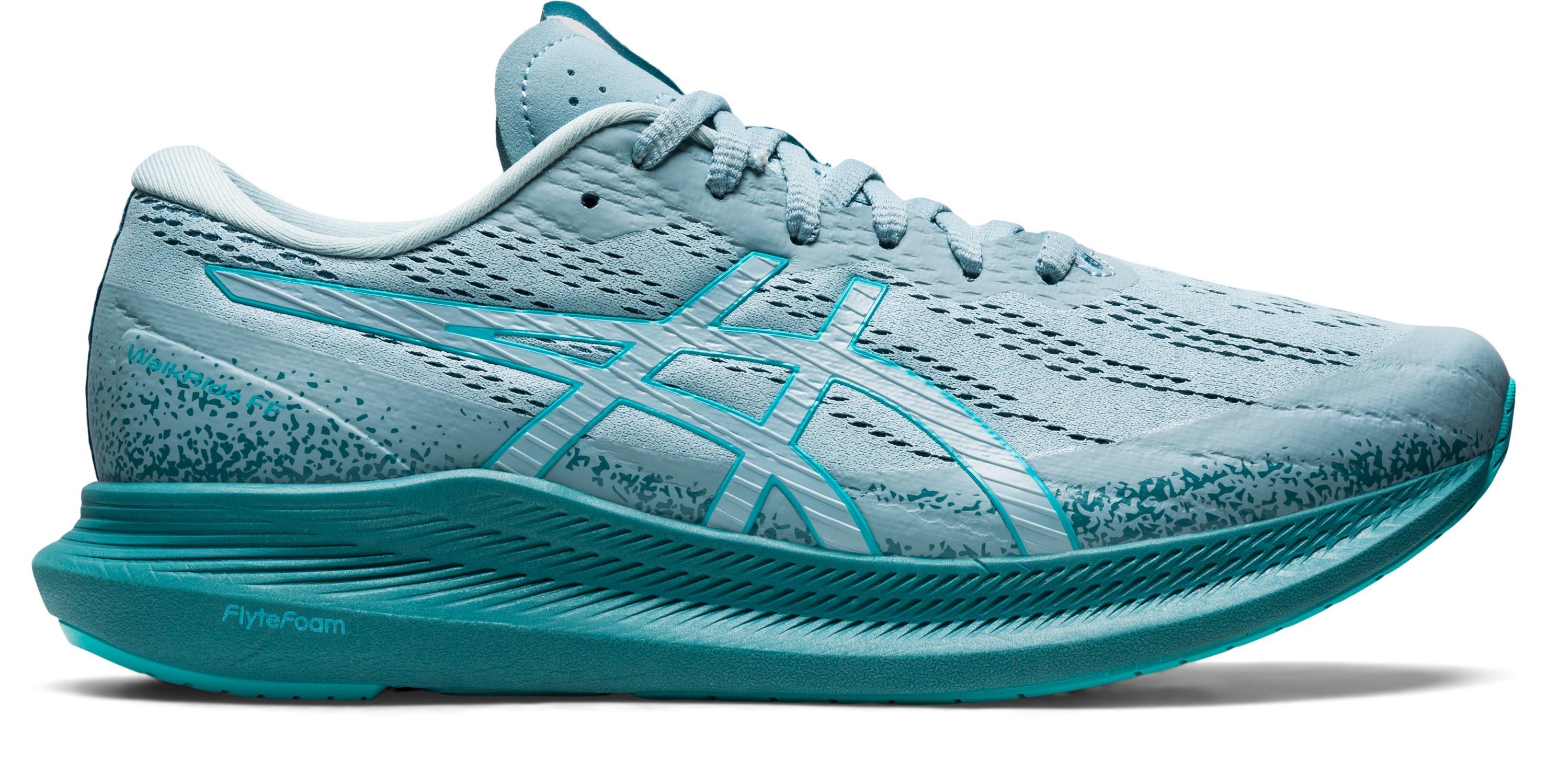
Let’s translate theory into tangible options. Several brands consistently earn praise from foot care professionals for their commitment to biomechanical research. ASICS, for example, has a long history in motion analysis. Their GEL technology, designed to attenuate shock during impact, is a hallmark feature in many of their walking and running shoes, making them a frequent entry on lists of podiatrist recommended walking shoes. Another standout is Brooks, particularly their Addiction Walker and Adrenaline GTS lines, which are renowned for their GuideRails holistic support system that focuses on keeping knees in their natural path of motion. Then there are brands like New Balance, which offers extensive width sizing—a critical factor for proper fit that podiatrists emphasize. Their 928 model, for instance, is a classic stability walking shoe with a roll bar for motion control. Saucony’s Integrity Walker 3 is another APMA-accepted model, praised for its sturdy construction and ample cushioning. Each of these shoes embodies the principles discussed: structured support, responsive cushioning, and a secure fit. They are tools engineered for a purpose, and their design philosophies are publicly documented and often reviewed by independent medical professionals.
Finding Value: Professional Comfort Meets Smart Shopping
Investing in your foot health doesn’t necessitate an exorbitant budget. The market for quality walking shoes is dynamic, with opportunities to acquire top-tier podiatrist recommended walking shoes at discounted prices. The key is strategic timing and knowing where to look. Major shoe retailers often have seasonal sales, clearing out previous models to make room for new iterations. The technological advancements between model years are often incremental, meaning a shoe from one or two seasons ago will provide nearly identical biomechanical benefits at a fraction of the cost. Online outlets and certified resellers are excellent resources. Furthermore, some direct-to-consumer brands offer premium quality at a lower price point by bypassing traditional retail markups. It’s also wise to consider the long-term cost-per-wear. A $150 shoe that lasts for 500 miles of comfortable walking and prevents a $300 podiatrist visit for plantar fasciitis treatment is a profound value. Always prioritize fit and function over a label; a properly fitted shoe from a reputable brand that addresses your specific gait needs is the ultimate smart purchase. Remember, the goal is to bring professional-grade knowledge and its benefits directly to you, without compromising on the science-backed features that make these shoes exceptional.
:max_bytes(150000):strip_icc()/shp-best-brooks-walking-shoes-tout-f67df3ab5afa4c08a24a63ae6dca3444.jpg)
Your Path Forward: Stepping into Sustained Comfort
The journey to all-day comfort begins with a single, well-informed step. By choosing footwear validated by podiatric science, you are actively participating in the preservation of your mobility and well-being. This isn’t merely about alleviating discomfort today; it’s about building a foundation for an active, pain-free tomorrow. The shoes we’ve discussed represent a convergence of medical insight and athletic innovation, designed to work in harmony with your body’s mechanics. Whether you opt for the guided stability of a Brooks, the shock absorption of an ASICS, or the precise fit of a New Balance, you are selecting a partner for your daily movement. Let this knowledge empower your next purchase. Seek out the features that matter: structured support, responsive cushioning, and a fit that feels secure yet freeing. Your feet carry you through life’s moments—grant them the respect and protection they deserve with podiatrist recommended walking shoes. The path to lasting comfort is clear, and it starts from the ground up.
