

Elevate Your Style with Timeless Black Heels for Women
In the lexicon of fashion, few items command the universal respect and enduring presence of a pair of women heels black. They are not merely footwear; they are an architectural statement for the foot, a tool of posture and perception, and a silent yet powerful communicator of personal narrative. To dismiss them as a simple accessory is to overlook centuries of social evolution, psychological impact, and artistic design. This article delves into the multifaceted world of the black heel, arguing that its integration into a wardrobe is less about fleeting trend and more about embracing a timeless instrument of style, confidence, and expression. We will explore its history, its psychological underpinnings, its versatile manifestations, and the practical knowledge needed to select the perfect pair, ultimately demonstrating why this singular item remains an indispensable cornerstone of sophisticated dressing.
The Historical Footprint: From Function to Icon
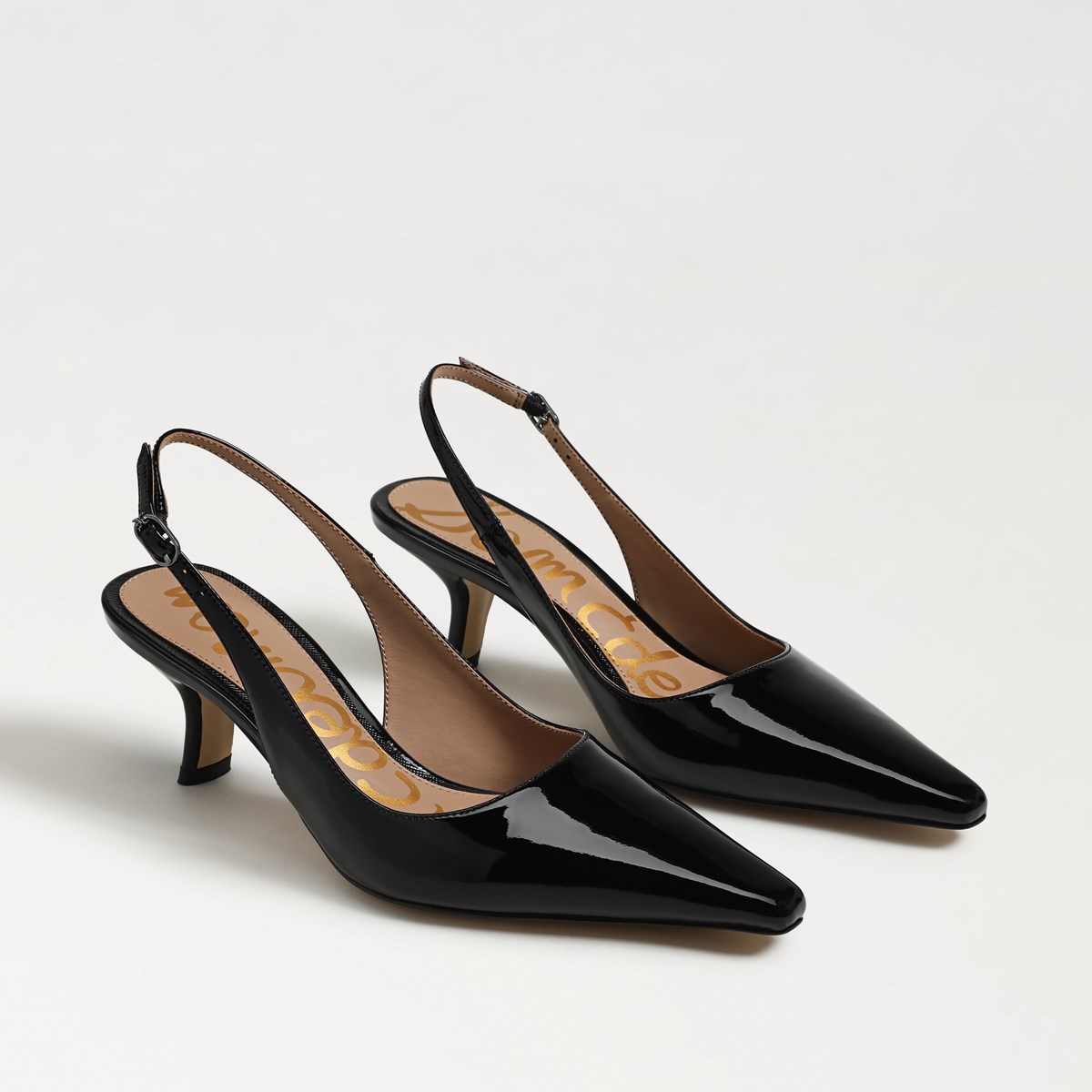
The journey of high heels is a fascinating trek through gender, class, and power dynamics, with the women heels black emerging as its most potent modern symbol. Contrary to popular belief, heels were not invented for women. Historical records, including those from Wikipedia, trace their origins to Persian cavalrymen in the 10th century, who used heeled footwear to secure their stance in stirrups. This functional military technology migrated to Europe, becoming a marker of aristocratic masculinity and equestrian prowess. It was in the courts of 17th-century Europe, particularly under the influence of figures like France’s King Louis XIV—who famously wore red-heeled shoes to signify his noble status—that heels became extravagant fashion statements for men. The subsequent centuries saw a gradual shift, with the Enlightenment’s emphasis on practical rationality coding heels as irrational and frivolous, thus relegating them increasingly to the domain of women’s fashion. By the 20th century, the heel, especially in its sleek black form, had been dramatically reinterpreted. It was liberated from the boudoir and salon by mid-century style icons. Christian Dior’s “New Look” of 1947, with its cinched waists and elevated heels, re-feminized and empowered the post-war silhouette. Later, the black stiletto, perfected by designers like Roger Vivier for Dior, became an emblem of formidable, urban femininity. This rich history underscores that black heels are not a recent invention but the culmination of a long evolution, carrying with them echoes of power, rebellion, and artistry. They are a garment with a past, which informs their powerful present.
The Psychology of Elevation: More Than Just Inches
Why does slipping on a pair of women heels black often feel like donning a suit of armor? The effect is not purely imaginary; it is rooted in perceptible physical and psychological changes. Scientifically, heels alter the body’s biomechanics. They tilt the pelvis and accentuate the lumbar curve, creating the appearance of a more pronounced posture. This forced alignment can project confidence and alertness. From a social psychology perspective, height is frequently correlated with authority and status. Research in nonverbal communication, as discussed in resources from authoritative university publications, suggests that increased height can enhance perceptions of leadership and competence. The sharp, clean lines of a black heel further this impression, conveying precision and seriousness. As the renowned fashion editor Diana Vreeland once opined, “Give a girl the correct footwear and she can conquer the world.” This sentiment is echoed in popular culture; think of the iconic click of Miranda Priestly’s heels in The Devil Wears Prada or the unwavering stride of Claire Underwood in House of Cards—each step is a punctuation mark of control and intent. The color black itself, as explored in design theory, symbolizes power, elegance, and formality. When combined with the elevating structure of a heel, it creates a psychological feedback loop: the wearer stands taller, feels more commanding, and is perceived as such by others. This transformative power makes black heels a tool for self-actualization in professional settings, social gatherings, or any arena where presence is paramount.
Anatomy of a Classic: Deconstructing the Black Heel
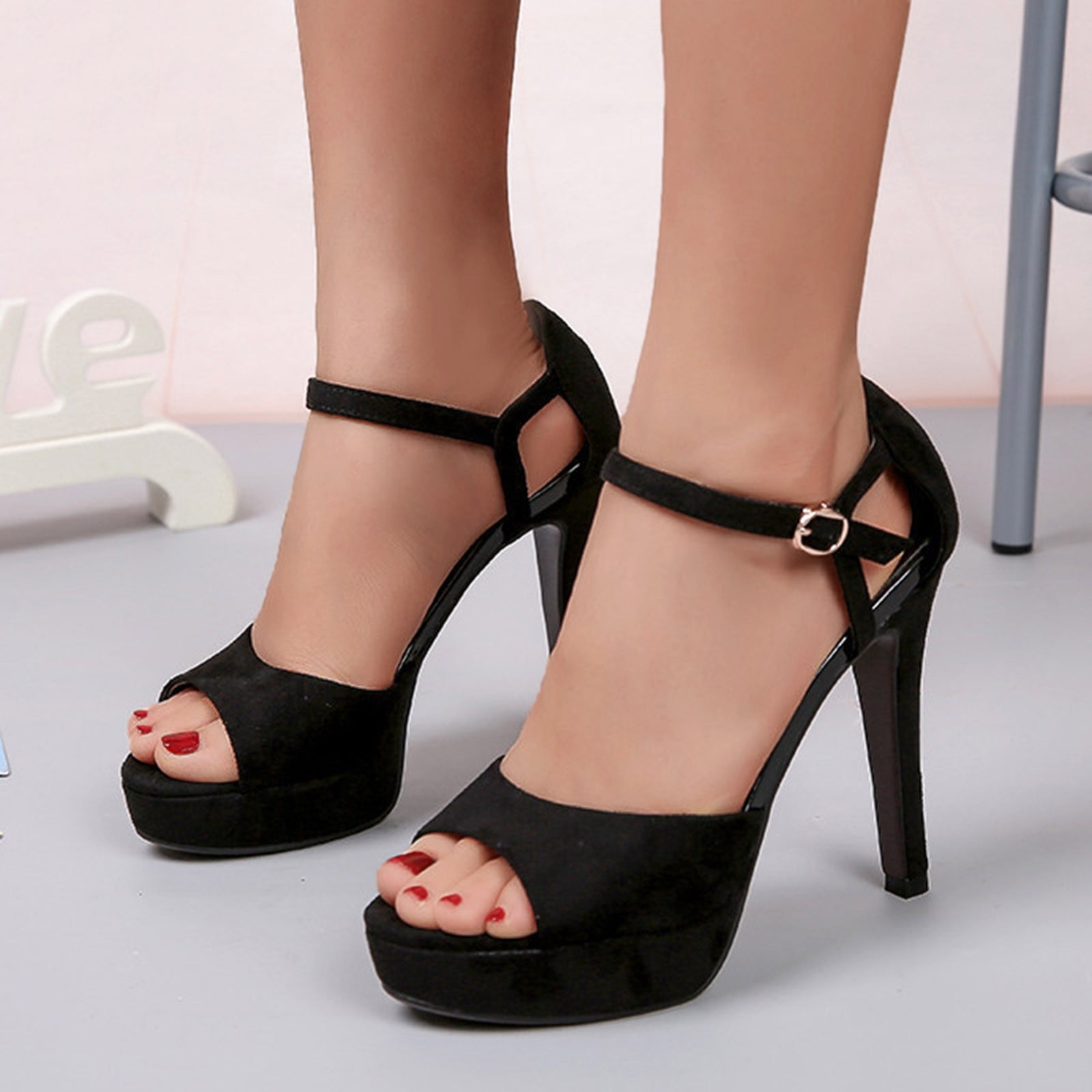
To make an informed choice, one must understand the components that define a heel’s character and comfort. The term “heel” encompasses several key elements. The heel height is measured vertically from the bottom of the heel to where it meets the sole at the arch. A kitten heel (under 2 inches) offers a hint of elevation, while a stiletto (often 3 inches and above) delivers dramatic impact. The heel shape is critical: a slim stiletto conveys ultra-feminine sharpness but requires skill and surfaces; a block or chunky heel provides stability and a retro-modern vibe, making it a practical choice for extended wear; a wedge offers continuous support from heel to toe, ideal for outdoor or casual-elegant settings. The toe shape defines the shoe’s personality: a pointed toe elongates the leg line and exudes sophistication; a rounded toe offers a more relaxed, classic feel; an open toe, such as in a peep-toe or sandal, introduces breathability and seasonal versatility. Finally, the material of a black heel dictates its formality and care. Patent leather delivers a high-shine, formal finish; suede provides a rich, textured look but requires protection from the elements; classic matte leather is the most versatile and durable workhorse. Understanding this anatomy allows you to move beyond the simple label of “black heel” and select a design whose architecture aligns with your lifestyle, comfort needs, and aesthetic goals.
A Spectrum of Style: The Versatility of the Black Heel
The true genius of the women heels black lies in its chameleonic ability to adapt. It is the ultimate contextual piece, capable of defining and elevating any outfit it encounters. Consider its range: For the professional woman, a pair of closed-toe, medium-height black pumps is the undisputed uniform of authority. Paired with a tailored suit or a sheath dress, they communicate readiness and refinement. As Sheryl Sandberg has implicitly championed in Lean In, the details of a professional presentation matter, and polished footwear is a key detail. Transitioning to evening wear, a sleek black stiletto or a strappy sandal becomes the foundation of glamour. It complements a little black dress without competing, allowing the silhouette and the wearer to remain the focus. In more creative or casual settings, the black heel morphs again. A black block-heel ankle boot with jeans instantly adds an edge and structure to a relaxed outfit. A black mule or slingback with wide-leg trousers creates an effortlessly chic, fashion-forward look. This versatility is economically and sartorially intelligent. Investing in a few well-chosen styles of women heels black—perhaps a classic pump, a strappy sandal, and a modern block heel—effectively builds a footwear arsenal that can handle a vast majority of life’s occasions, from board meetings to gallery openings to dinner dates. It is the epitome of cost-per-wear luxury.
Investing Wisely: Professional Knowledge for the Discerning Buyer
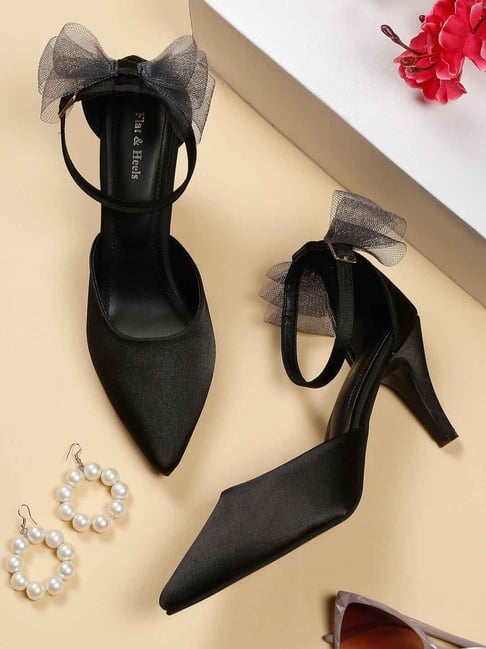
An investment in a quality pair of women heels black is an investment in comfort, durability, and long-term style. Professional knowledge here is your greatest ally. First, fit is paramount. Always try shoes on in the afternoon, as feet naturally swell throughout the day. There should be about a quarter to a half-inch of space between your longest toe and the end of the shoe. The ball of your foot should sit comfortably at the widest part of the sole. Don’t assume you are the same size across all brands; European sizing can vary. Second, consider construction. Look for shoes with a well-defined arch support and a firm counter (the back part that cups your heel). A leather insole is preferable for breathability. The heel should feel solidly attached, not wobbly. Third, prioritize materials. Full-grain leather will mold to your foot over time and last for years with proper care. Finally, think about versatility. Ask yourself: Can I wear this with at least three different outfits in my current wardrobe? Does it suit my daily environments? A classic black pump in a mid-height heel often offers the best return on investment. While premium brands command higher prices for their craftsmanship and materials, the market also offers excellent value from contemporary brands that utilize quality materials and ergonomic designs. The key is to seek out brands that transparently discuss their construction and materials, and to view the purchase not as a cost, but as a foundational addition to your personal style infrastructure.
The Final Step: Embracing a Timeless Proposition
The narrative of the black heel is one of enduring relevance. It transcends seasonal color palettes and shifting hemlines, offering a constant in the variable world of fashion. It is a tool that has been shaped by history, validated by psychology, and refined by design. To walk in a pair of well-chosen women heels black is to participate in a legacy of elegance and assertion. It is to choose an object that serves both the body and the mind, providing not just height, but perspective. In a culture often obsessed with the new and the next, the black heel stands as a testament to the power of the perennial. It asks not for blind adherence to trend, but for a thoughtful consideration of personal style as an evolving, empowered expression. So, step into that confidence. Let the classic architecture of a black heel elevate not just your silhouette, but your approach to the world—one poised, purposeful step at a time.

