

Discover the Top Podiatrist Recommended Walking Shoes for Ultimate Comfort and Support
Walking is one of the most fundamental human movements, a daily ritual for millions. Yet, the simple act of placing one foot in front of the other can become a source of discomfort or even injury without the proper foundation. The right footwear is not merely an accessory; it is a critical piece of equipment for your body’s biomechanics. This guide cuts through the marketing noise to focus on a singular, authoritative standard: podiatrist recommended walking shoes. These are the shoes that receive the professional endorsement of foot and ankle specialists—podiatrists—who understand the intricate interplay of bones, muscles, and ligaments with every step you take. Our mission is to translate their clinical expertise into actionable knowledge, helping you find shoes that offer not just comfort, but the precise support your feet demand for long-term health and vitality.

The Science of Support: Why Podiatrist Endorsement Matters
To understand the value of a podiatrist recommended walking shoe, we must first delve into the biomechanics of walking. The gait cycle, as defined in kinesiology literature from institutions like the University of Virginia’s School of Medicine, is a complex sequence of heel strike, foot flat, mid-stance, heel-off, and toe-off. Each phase places unique stresses on the foot’s 26 bones, 33 joints, and over 100 muscles, tendons, and ligaments. A podiatrist, a doctor of podiatric medicine (DPM), is trained to diagnose and treat conditions arising from biomechanical faults. When they recommend a shoe, they are evaluating its ability to mitigate these faults. For instance, overpronation—the excessive inward roll of the foot—is a common issue that can lead to plantar fasciitis, shin splints, and knee pain. A podiatrist will look for shoes with structured medial (arch) support and firm heel counters to control this motion. This perspective is rooted in objective, peer-reviewed science, not fleeting fashion trends. As Dr. Jacqueline Sutera, a prominent New York City podiatrist, has stated in numerous media interviews, “A good walking shoe acts as a shock absorber and a stabilizer for the entire body.” This professional insight forms the bedrock of our search for the ultimate walking companion.
Decoding the Key Features of a Superior Walking Shoe
What specific elements transform an ordinary sneaker into a podiatrist recommended walking shoe? The answer lies in a combination of design features that work in harmony. First, consider the midsole. This is the heart of cushioning and stability. Materials like EVA (ethylene-vinyl acetate) foam or proprietary compounds like Brooks’ DNA LOFT or HOKA’s Profly+ are engineered to provide a balance of soft cushioning for comfort and responsive rebound for energy return. The arch support is non-negotiable. Whether you have high, neutral, or flat arches, the shoe must complement your foot’s natural structure. This is often achieved through a combination of the shoe’s last (its shape) and a built-in arch cookie or supportive bridge. The heel counter, the firm cup at the back of the shoe, must be rigid to lock the heel in place, preventing slippage and controlling rearfoot motion. Furthermore, the toe box should be roomy enough to allow your toes to splay naturally upon foot strike, a principle supported by Harvard Medical School publications on foot health. A restrictive toe box can lead to issues like bunions and neuromas. Finally, a flexible but durable outsole with strategic rubber placement ensures proper traction and facilitates the natural foot flexion during toe-off. Each of these components is a chapter in the podiatric textbook on healthy ambulation.
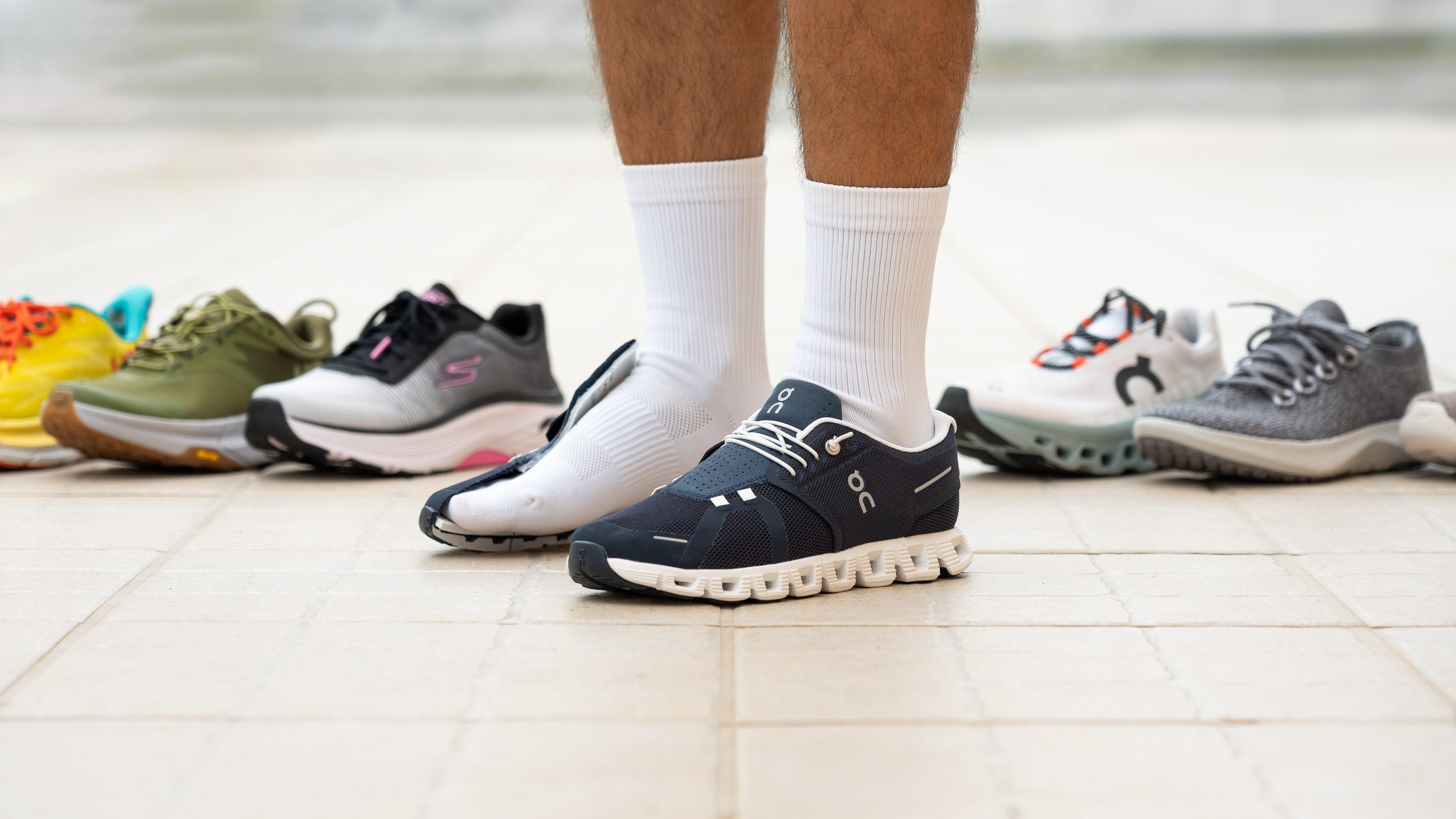
Navigating the Market: Categories of Podiatrist-Approved Footwear
The world of athletic footwear is vast, but for dedicated walking, several categories consistently earn the podiatrist recommended walking shoes seal of approval. Stability Walking Shoes are the workhorses for those with mild to moderate overpronation. Brands like ASICS (with its Gel-Kayano or GT-2000 series) and New Balance (particularly the 800 or 900 series) often incorporate dual-density midsoles—a firmer foam on the inner side—to gently guide the foot into a more neutral alignment. Neutral Cushioned Shoes are ideal for walkers with efficient, biomechanically neutral gaits or those with high arches that require more shock absorption. Models like the Brooks Ghost or the HOKA Bondi provide plush, all-around cushioning without corrective elements. For individuals with severe overpronation or specific conditions like posterior tibial tendon dysfunction, Motion Control Shoes offer the highest level of support, with extended medial posts and ultra-rigid heel counters. It’s crucial to remember that the “best” shoe is profoundly personal. A model hailed on a reputable site like Runner’s World or in a Quora thread by a marathoner might be entirely wrong for someone with different biomechanics. This is why the podiatrist’s role is irreplaceable; they provide a diagnosis that informs the prescription of footwear.
“The foot is a masterpiece of engineering and a work of art.” This famous observation, often attributed to Leonardo da Vinci, underscores the complexity we often take for granted. In modern podiatry, this translates to respecting that engineering by not forcing it into ill-fitting, unsupportive footwear. A well-designed shoe doesn’t fight the foot’s natural mechanics; it collaborates with them.
Beyond the Brand: The Critical Importance of Fit and Feel
Even the most technologically advanced, podiatrist recommended walking shoe will fail if it doesn’t fit correctly. Professional fitting is an art and a science. Key principles, echoed by experts from the American Podiatric Medical Association (APMA), which grants its Seal of Acceptance to qualifying footwear, include always fitting shoes at the end of the day when feet are at their largest due to natural swelling. There should be about a thumb’s width (roughly 3/8″ to 1/2″) of space between your longest toe (which isn’t always the big toe) and the end of the shoe. The shoe should feel secure around the midfoot and heel without any pinching or slippage. Width is as critical as length; many foot ailments arise from wearing shoes that are too narrow. Don’t assume your size; have both feet measured every time, as one foot is often larger. When trying on shoes, wear the socks you intend to walk in. Then, take a thorough test walk on a hard surface, not just the store’s carpet. Pay attention to any points of pressure or rubbing. The shoe should feel supportive and comfortable from the first step, with no “break-in” period required—a myth that podiatrists consistently debunk, as noted in health columns on platforms like EatingWell.

Investing in Your Foundation: The Long-Term Value of Quality
Viewing a pair of podiatrist recommended walking shoes as an expense is a short-sighted perspective; it is, in fact, a strategic investment in your musculoskeletal health and overall well-being. Consider the alternative: the cumulative cost of dealing with foot pain, custom orthotics, physical therapy sessions, or even more serious interventions for conditions that could have been prevented or mitigated. High-quality walking shoes are engineered with durable materials and construction techniques that withstand the repetitive impact of walking, which the Human Performance Lab at the University of Calgary notes can generate forces of 1.5 times your body weight with each step. This durability translates to a longer functional lifespan for the shoe itself. However, even the best shoes have a finite life. Podiatrists and shoe experts universally recommend replacing walking shoes every 300 to 500 miles. The midsole foam compacts and loses its resiliency long before the outsole tread wears out, gradually diminishing the shock absorption and support that made the shoe effective. Monitoring the wear patterns on the outsole can also provide clues about your gait and whether you might need a different type of support in your next pair.
:max_bytes(150000):strip_icc()/I-Asked-Podiatrists-for-Their-Fall-Shoe-Recommendations-These-Are-Their-Top-8-Picks-8fbdf9d65f3a4228ae63f6e5253dc08c.jpg)
Your journey to finding the perfect walking shoe begins with prioritizing the principles of biomechanical support and professional endorsement over superficial trends. By focusing on the hallmarks of a true podiatrist recommended walking shoe—superior midsole technology, anatomical arch support, a secure heel counter, and a roomy toe box—you empower yourself to make an informed choice. Remember that the ultimate test happens on your feet, in motion. Listen to the feedback your body provides during a thorough fitting. This informed approach is your pathway to transforming daily walks from a mundane task into a source of joy, vitality, and sustained physical health. Your feet carry you through life; it’s time to give them the expert-recommended foundation they deserve.
