

Six in the morning, feet on the floor, and the first four steps feel like you’re standing on a stone. By nine you’ve forgotten it. By six in the evening it’s back, and by the next morning it’s worse than it was.
That pattern is the whole diagnosis, and it’s why so many women buy walking shoes that don’t fix anything. You don’t need a softer shoe. You need one that stops your arch from stretching flat every time you take a step.
The short answer: a heel drop between 8 and 12mm, at least 25mm of stack under the heel, a firm heel counter you can’t squash with your thumb, and a footbed that follows the curve of your arch instead of poking it. Below is how to check each one in the shop, in the order that matters.
You already know the first ten steps are the worst
Plantar fasciitis is irritation of the thick band running from your heel to the base of your toes. It tightens overnight while your foot sits relaxed in a pointed position. Then you stand up and stretch it in one go, which is why morning pain is the signature symptom rather than a coincidence.
Mayo Clinic’s overview of plantar fasciitis places the pain at the bottom of the heel or along the arch, worse after rest and after long periods of standing. Read that twice, because it rules out a lot of shoes you might be considering.
If your foot hurts during activity and eases with rest, that’s a different problem. Get it looked at before you spend money on shoes.
For the classic morning-pain version, the shoe has one job: limit how far the arch can flatten under your weight. A soft, cushy midsole feels lovely and does almost nothing for that. The best walking shoes for women with plantar fasciitis tend to feel slightly firm and oddly supportive in the shop, then feel normal after a week.
That first impression trips people up constantly. I’ve watched friends return genuinely good shoes because they felt hard next to a pair of memory foam slip-ons that would have them limping by Thursday.
So expect the right shoe to feel like a shoe, not a pillow. That’s the tell. Firm under the arch, springy under the heel, and something you forget about by the time you reach the bus stop.
One more thing about timing. Shoes help, but they’re one part of it. Calf stretching, a bit of load management, and not going from 3,000 steps to 12,000 in a week all matter. The shoe keeps you from re-irritating the band while the rest of that work happens.
Heel drop: 8 to 12mm beats 4mm every time
Heel drop is the height difference between heel and forefoot, and it’s the number most product pages hide. Low drop and zero drop shoes keep your calf and plantar fascia longer and more stretched, which is exactly the position you wake up in and the position that hurts.
A 10mm drop shortens that stretch. It buys your fascia a little slack with every step, and little amounts add up over 8,000 steps.
- 8 to 12mm: the sensible range for a painful arch.
- 6mm: workable if you’ve worn it for years and have no symptoms.
- 0 to 4mm: fine for strong feet, rough on an irritated fascia.
- “Barefoot feel” anything: skip it while you’re healing.
You can measure drop at home. Stand the shoe on a flat table, slide a ruler under the heel and under the ball of the foot, and compare. It won’t be exact, but it’ll tell you whether it’s 5mm or 12mm, which is the only bit that matters.
Our piece on what changes when your heel sits level with your toes goes deeper on why the flat stuff is a bad first move here.
One caveat worth saying out loud. If you’ve worn zero drop for years with no pain, don’t panic and switch. Shoes don’t cause or cure this on their own. Sudden changes do.
For most women with a sore heel, 10mm is the safe middle, and it’s the drop most walking shoes already use. You’re not hunting for an exotic spec. You’re checking the label before you pay, which takes about as long as reading the price.
Heel drop also changes how the shoe looks with trousers, and that matters more than people admit. A 12mm drop puts your heel visibly higher, so a cropped trouser hem hangs a bit differently. If you’re choosing between a 10mm and a 6mm pair and both pass the other checks, take the 10mm. Your heel will thank you by the second week.
Stack height: 25mm under the heel is the floor
Drop tells you the angle. Stack tells you how much material sits between your heel and the pavement, and that decides how much of each step lands in your heel instead of your fascia.
Under 20mm of heel stack and you’ll feel every paving slab through the shoe by the end of a mile. Somewhere between 25 and 30mm is the useful zone for walking. Above 35mm you start losing ground feel and the shoe gets tippy on kerbs, which is its own problem when you’re already guarding a sore foot.
Heel cushioning matters more than forefoot cushioning in this specific case. A firm forefoot is fine. A hard heel is not. Press your thumb into the heel of the midsole: it should give 3 or 4mm and spring back. If it doesn’t move at all, the shoe is a brick. If your thumb sinks in like bread dough, it’ll pack out in six weeks.
Thick-soled casual shapes can work surprisingly well here, because the platform gives you stack without a rocker that fights your stride. Something like these thick-soled dad shoes with a hidden lift sit in that 30mm zone and still read as normal shoes with jeans, which matters if you’re not ready to wear something that looks medical.
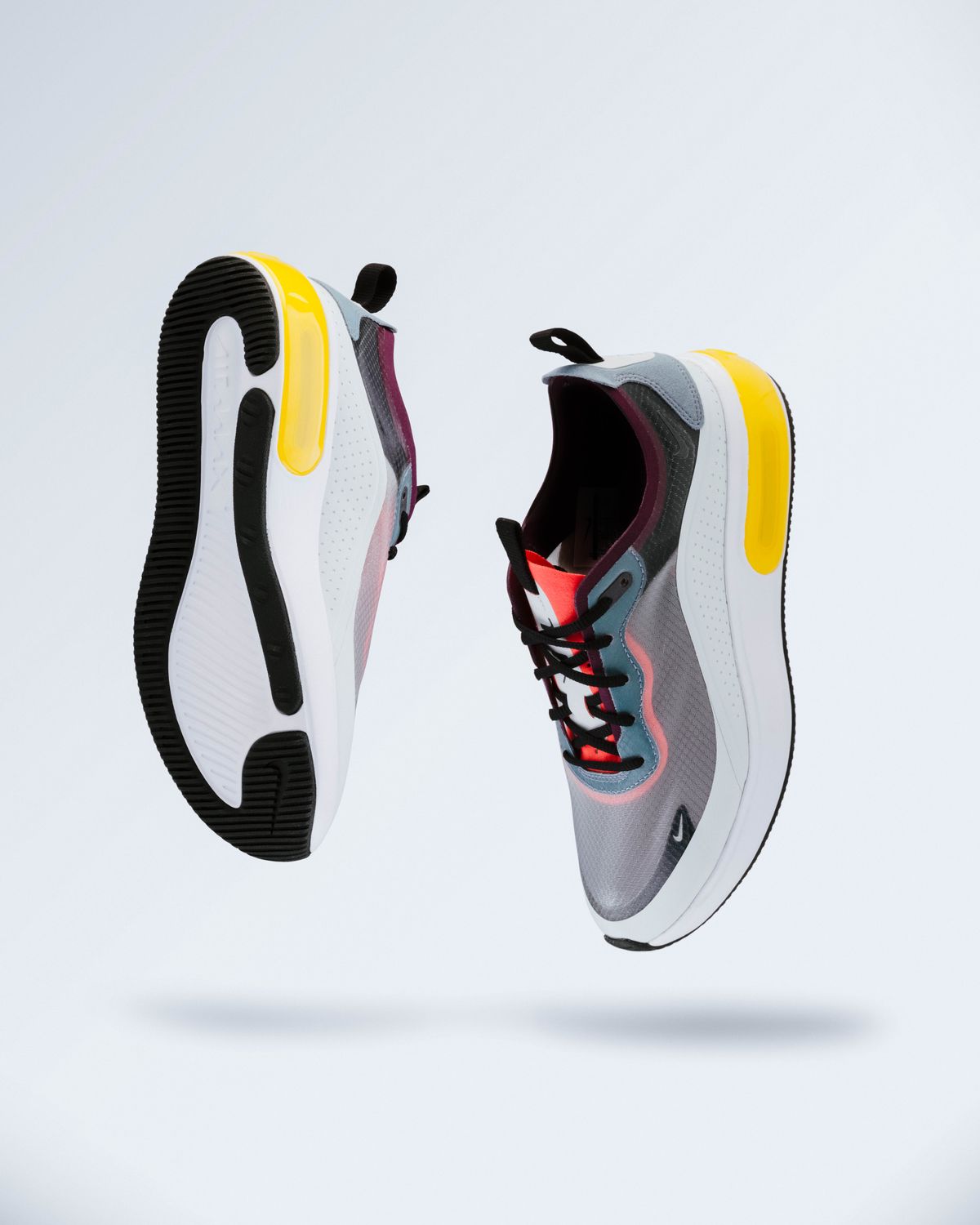
What you’re avoiding is the flat, thin fashion sneaker. The canvas plimsoll. The pretty leather slip-on with 12mm of sole and a rock-hard heel. Those are the shoes that have you wincing at 6am, and they’re usually the ones that look best in the photo.
Weight is the other number on that page. A walking shoe above 350g per shoe starts to feel heavy after 5,000 steps, and heavy shoes make you shorten your stride. Short strides are fine. Dragging is not. Aim for 250 to 320g in a UK 5 or EU 38 unless you need the extra structure.
Arch support has to follow your foot, not fight it
Here’s where most people overspend. A hard plastic arch cookie shoved into a neutral shoe doesn’t create support. It creates a pressure point under a bone, and your foot rolls off it.
Real support is a contoured footbed. The insole rises gradually under the arch, peaks around the middle of your foot, and blends into the heel cup without a ridge your fingertip can feel. Press your thumb across the arch area. You want a smooth slope, not a step.
Take the insole out and look at it. If it’s a flat piece of foam with a printed logo, the shoe has no arch support at all, whatever the box claims. That’s most shoes under 60 dollars, and a fair number over it. Healthline’s write-up on plantar fasciitis lists orthotics and supportive footwear as first-line measures, not an afterthought, which tells you how much weight the insole is carrying.
Two routes work. Buy a shoe with a proper contoured footbed built in, or buy a neutral shoe with a removable insole and add a supportive one. The second path is often cheaper and lets you keep a shoe whose looks you already like. It also means the support is replaceable when it flattens, which happens around the 400-mile mark.
What doesn’t work: layering two insoles, or buying a shoe a size up to fit a thick insert. Either one slides your heel out of the heel cup, and a slipping heel is a blister factory.
If your pain sits more toward a completely flat arch than a tight one, the priorities shift slightly, and this breakdown of support for flat feet covers the difference. Plantar fasciitis and flat feet overlap often, but they don’t want identical shoes.
Expect to spend 25 to 40 dollars on a decent supportive insole if your shoe doesn’t have one. That’s cheaper than replacing a 120-dollar shoe that was never going to work, and it’s the single most effective upgrade you can make to a pair you already own.
The heel counter test takes four seconds
Grab the back of the shoe and squeeze it between thumb and fingers. If it folds in, put the shoe down. A soft heel counter lets your heel tilt inward on landing, and every degree of tilt pulls on the fascia.
You want a counter that holds its shape under moderate pressure, with a padded collar above it. Firm below, soft at the top edge so it doesn’t saw at your Achilles tendon.
Then twist the shoe lengthwise, like wringing a towel. It should resist in the middle and flex only at the ball of the foot. A shoe that twists like a wet cloth has no midfoot structure. One that won’t flex at the front is a rocker that will fight your toes.
The third check is the one people skip. Put the shoe on, tie the laces, and try to slide your heel up and down. More than 5mm of movement and the shoe is wrong for you, even if the length is right. Heel slip is the most common reason a supportive shoe still hurts.
This is where cheap shoes betray you. They pass the squeeze test in the shop and go soft in two months, because the counter is cardboard with a fabric skin. Leather and suede counters hold. Mesh over a plastic insert holds longer than you’d think. Foam-backed fashion counters don’t.
The best walking shoes for women with plantar fasciitis almost always have a visible external heel counter, meaning you can see the stiff panel stitched on the outside. It’s a boring detail and it’s the one that decides whether the shoe still works in March.
If the shoe passes all three tests and still feels loose at the back, a heel lock lacing pattern fixes it without changing the shoe. Lace up to the second-to-last eyelet, then run each end back through the top eyelet on the same side and pull. Your heel drops into the cup and stays there. Two minutes of fiddling, no extra money.
The collar height is worth a look as well. A collar that sits right on your Achilles tendon will rub it raw on the first long walk. You want it either clearly below the tendon or well above it, with a soft edge either way.
Toe box: where the pain quietly starts
Nobody connects a squashed toe box to heel pain, but the chain is real. If your toes can’t spread, your foot can’t load properly, and the whole thing shifts backward. You end up walking on a narrower base with more heel strike.
You want roughly a thumb’s width in front of your longest toe while standing, not sitting. Feet spread when they take weight. Most people measure seated, which is why so many shoes are half a size too small.
Width matters too. A shoe that pinches at the widest part of your foot gets laced tighter to compensate, and a tight lace over the instep restricts the arch. Loosen the bottom two eyelets and see whether the shoe still feels secure. If it only feels stable when it’s clamped down, size up or change width.
Shop in the afternoon. Feet swell by up to half a size across a day, and a shoe bought at 9am is a shoe bought too small.
Try them on with the socks you’ll actually walk in. Thin dress socks and thick wool walking socks are a whole size apart, and testing in the wrong one is how returns happen.
If you have a bunion or a wide forefoot, add one more check: stand up and wiggle your toes inside the shoe. If you can’t move them, the toe box is too shallow, no matter how roomy it feels when you’re sitting down.
Mesh helps here more than leather does. A knit or engineered mesh upper gives at the pressure points and lets your foot spread on longer walks. Leather takes weeks to stretch and never stretches where you actually need it, which is mostly why people give up on leather walking shoes before they break in.
None of this replaces the heel checks. Toe room is the second thing you fix, not the first. Get the drop and the counter right first, then sort out width, because a roomy shoe with a floppy heel still hurts.
What to skip, even when it feels amazing
Honest list, because this is where the money goes wrong.
- Memory foam anything. Heavenly for 20 minutes, bottomed out by mile three.
- Rocking chairs. The curved sole rolls you forward whether your foot wants it or not.
- Ballet flats with a 5mm sole. The exact opposite of what your fascia needs.
- Barefoot and minimal shoes, at least until you’ve been pain-free for a couple of months.
- Anything you can fold in half with one hand.
Also skip the urge to buy three pairs at once. Wear one pair for two weeks straight and see what your heel does. Bulk buying before you know what works is how people end up with four pairs of the wrong shoe in the hall cupboard.
I’d push back on the idea that price tracks support, too. Some of the firmest, best-structured walking shoes I’ve handled cost 70 dollars. Some 180-dollar fashion sneakers have a heel counter made of foam and a footbed you could use as a ruler.
And a small admission: the pair I reach for most on a sore week isn’t the most supportive shoe I own. It’s a slightly ugly grey pair with a deep heel cup that looks like nothing and feels like a hug. Aesthetics lose to function here more often than any of us like to admit.
Check the four things in the next section rather than the price tag, and you’ll land in the right place most of the time. One last skip: avoid shopping when your foot already hurts. You’ll pick whatever feels softest in that moment, which is the opposite of what you need. Go on a good day, walk a lot beforehand so your feet are at their real size, and judge with your hands as much as your soles.
Ten minutes in the shop, in order
Do it in this sequence so you don’t waste time on shoes that fail early.
- Squeeze the heel counter. If it folds, put it back. That’s 4 seconds per shoe.
- Pull the insole out. Flat foam means no support, whatever the label says.
- Twist the shoe. Resistance in the middle, flex at the ball.
- Check the drop. The heel should sit visibly higher than the forefoot.
- Try on, laces tied, and try to slide your heel. Over 5mm and it’s a no.
- Walk the shop 20 times, on hard floor if they have it. Carpet hides everything.
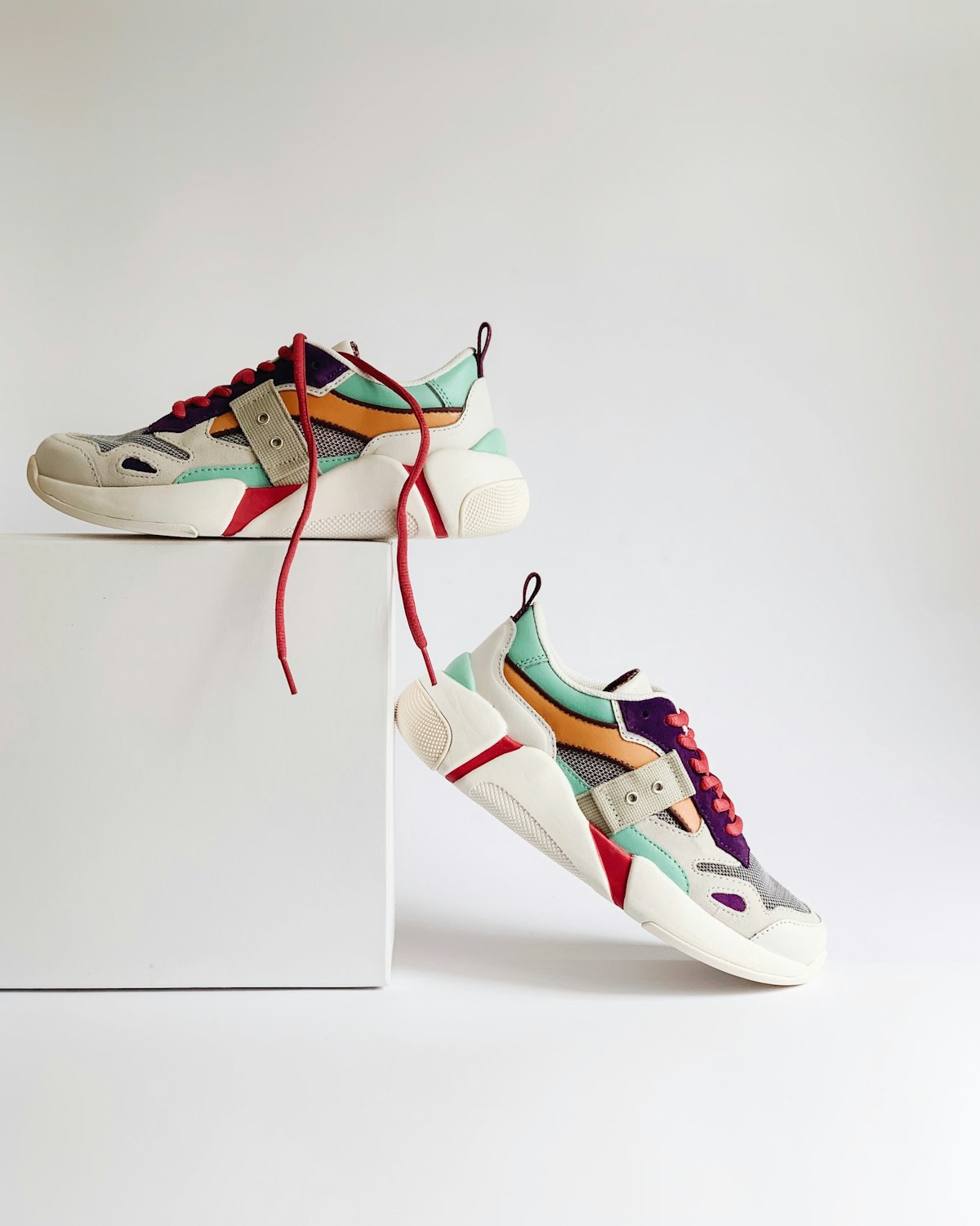
Then wear them at home for two hours on the first day, not a full shift. Firm shoes need a short break-in, usually three or four outings. A calf used to flats will complain for the first week, and that’s normal. Sharp heel pain that gets worse each time isn’t, and it means the shoe is wrong.
Ask about the return policy before you pay, too, because a firm shoe can feel wrong for four days and then right on the fifth. Some shops allow worn returns within 30 days. Some don’t. That single question is worth more than any review you’ll read, including this one.
Pair the shoes with a stretch before you get out of bed. Thirty seconds of pulling your toes back while you’re still lying down does more for that first-step pain than any insole on the market. Do that, get the drop and the heel counter right, and you’ll feel the difference by the second week.
If you’d rather not start from zero, the walking shoes category has the current range, and the descriptions list sole depth and closure. If leather suits you better than mesh, these soft leather sports shoes and the thick-soled breathable walking pair both give you a firm heel with a removable footbed, which is the setup you want. If you want something you can throw on without thinking, these casual walking shoes do the same job with a softer upper.
