

Day one in Lisbon, you walk 14,000 steps because everything is uphill and everything is worth seeing. Day two your right heel is raw, your toes ache, and you’re standing in a pharmacy at 9am buying blister plasters in a language you don’t speak.
The shoes weren’t bad. They were just built for a different surface.
Europe is hard on feet in a specific way: cobblestones, marble pavements polished by centuries of feet, stairs without handrails, and 20,000-step days that nobody plans for. The best shoes for walking in Europe, women’s version, are the ones that survive those four things at once, not the ones that look best in a photo by the Duomo.
Cobblestones punish the wrong sole within ten minutes
An uneven surface does two things to a shoe. It loads the sole in directions a flat pavement never does, and it forces your ankle to make thousands of small corrections an hour. A soft, thick midsole feels wonderful on the first kilometre and turns into a liability by the third, because soft foam lets your foot tilt with every stone.
Anyone who has tried to walk across a cobblestone street in soft running shoes has felt the version of this where your ankle rolls a little on every stone. It’s not dangerous, it’s just cumulative, and by the end of a day it becomes an ache along the outside of your shin.
What you actually want:
- 4 to 8mm of firm rubber under the forefoot, with a pattern deep enough to shed water. Flat, smooth soles slide on wet stone.
- A torsional middle: twist the shoe like a towel. It should resist a little. If it folds easily, cobbles will fold it for you.
- A wide-ish contact patch. Narrow soles find the gaps between stones instead of the tops.
Test this in the shop by standing on the edge of a step with the ball of your foot and letting your heel drop a centimetre. If the shoe rolls you outward, it’ll do that on every stone in Rome.
One detail people miss: heel height. A 10mm drop is fine on flat ground and tiring on stairs, and Europe is mostly stairs. Something closer to 6 to 8mm keeps your calf from doing all the work on the fourth day.
Two pairs beat one, even in a carry-on
Every experienced traveller I know packs two walking pairs, and it’s not about fashion. It’s about the fact that different shoes load different parts of your foot. Alternating means the hot spot on your left heel gets a day off.
A sensible two-pair kit for a 10-day trip:
- Pair one: closed, cushioned, water-resistant. Handles rain, long days and trains.
- Pair two: lighter and more breathable. Handles heat, dinners and the day after a 20,000-step marathon.
Weight matters. Two pairs of 300g shoes cost you 600g in the bag, which is less than a laptop charger and buys you a lot of comfort. Wear the heavier pair on travel days and pack the light ones flat.
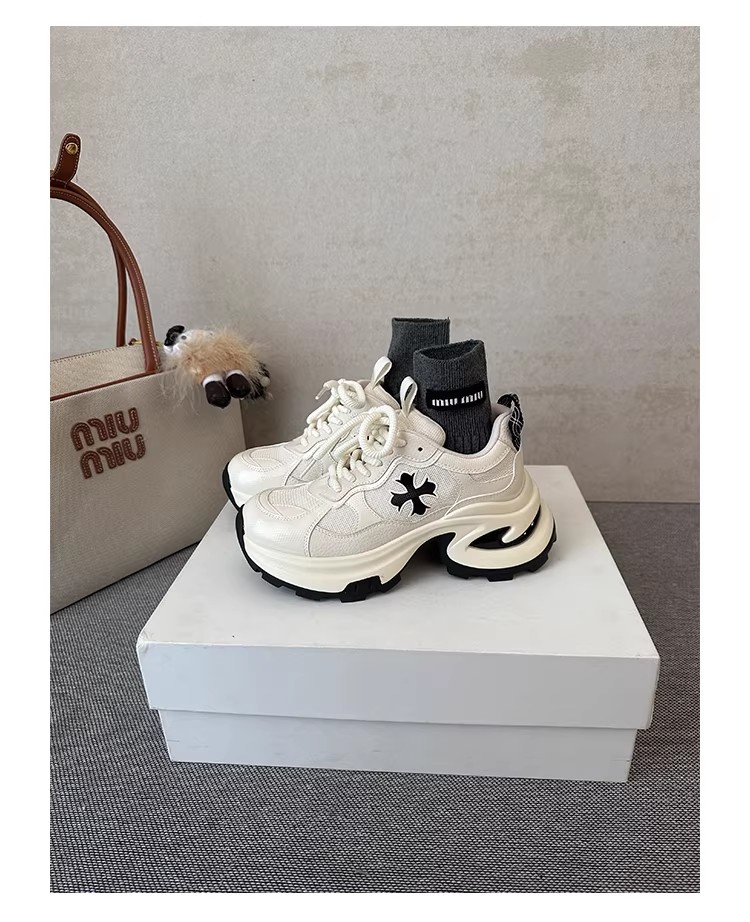
When people ask me for the best shoes for walking in Europe, I usually ask two questions back: how many days, and how much of it is stairs? A five-day city break and a two-week trip through hill towns want different answers, and the honest one is that one pair can’t do both well.
If you truly can only take one pair, take the closed cushioned one and accept that you’ll be wearing the same shoes to dinner. Nobody in Europe cares. They’re all wearing trainers too.
The three-part test: grip, flex, heel hold
Ignore the marketing on the box and run these three checks. They take ninety seconds and they predict almost everything about how the trip will go.
Grip. Wet the sole of your hand and press the shoe’s outsole against it, then try to slide it. If it glides, that rubber is hard and it will glide on wet marble too. Italian train stations have polished stone floors that turn into ice in the rain, and this is where cheap soles embarrass themselves.
Flex. Hold the heel in one hand and the toe in the other, then bend. The shoe should crease roughly where your toes meet your foot. If it creases at the arch, it’ll fight your stride for 20,000 steps. If it doesn’t crease at all, you’re carrying a brick and your calf will pay.
Heel hold. Lace them properly, then walk. Your heel should not lift more than a few millimetres. A slipping heel on flat ground becomes a blister on a cobbled hill, and the fix is as simple as an extra lace eyelet or a different lacing pattern.
Run all three checks on a hard floor, not carpet. Carpet absorbs the tilt that tells you a sole is too soft, and it hides a heel that slips. Most shops have a tiled section near the till, and that’s where you should be walking, slightly self-consciously, for two full minutes.
If you’re ordering online, check the outsole compound in the specs. Blown rubber is grippier and wears faster. Carbon rubber lasts longer and grips less when wet. For a two-week trip, grippier wins.
What Europeans actually wear, and what that tells you
Look at feet in any European city and you’ll see the same three things: low-profile trainers, flat leather sneakers, and something with a chunky but firm sole. Almost nobody is walking on air cushions. The locals have already solved this problem, and their solution is boring and effective.
That’s why the low-profile shape keeps winning. Less foam means less tilt on uneven ground, and the shoe stays in contact with the surface instead of hovering above it. If you want the mechanics spelled out, this piece on how a thinner sole changes the way you walk covers the trade-offs honestly.
What locals don’t wear is the thing tourists buy at the airport: brand-new shoes, straight out of the box, on a 20,000-step day. That’s the actual mistake. It’s not the model, it’s the timing.
Break any new pair in for at least 20km at home before it gets on a plane. If you can’t, pack them as the second pair and wear your proven ones for the first three days.
The sandals question in July
Every summer someone asks whether sandals work for European walking. The honest answer: for cities, yes, with conditions. For cobbles and long days, no.
Sandals are fine on flat promenades and around a resort. They’re bad on cobblestones because there’s nothing between your foot and the stone, and 12,000 steps of direct impact is a lot of impact. They’re also bad in churches, which have dress codes, and in the evening when the temperature drops and your feet are already tired.
If you’re going in a heatwave and want one open pair, pick something with a firm footbed and a heel strap, not a flip-flop. A back strap changes the whole mechanics because your toes stop gripping to keep the shoe on, and toe gripping is what causes the cramping that people blame on the heat.
Worth saying plainly: the best shoes for walking in Europe in August are still closed shoes for the walking part. Sandals are for the two hours around dinner. Swap them at the hotel and your feet will thank you by day five, when everyone else is taping their toes.
For wet-weather cities, the useful middle ground is a water-resistant closed shoe. This breakdown of rubber sneakers and what actually keeps rain out explains which constructions are genuinely waterproof and which just look it.
What I’d leave at home
Half of packing light is deciding what not to bring, and shoe mistakes are expensive because they’re heavy.
Things that don’t earn their luggage space:
- Anything with a heel above 40mm. Evenings involve walking, and European pavements are not nightclub floors.
- Brand-new boots. Ankle boots need 20 to 30km of break-in. A trip is not the place.
- Slip-on flats with thin soles. Fine for a dinner, brutal for a museum day with marble floors.
- White canvas in a rainy month. One puddle and they’re grey for the rest of the trip.
- That one pair you’ve never worn but packed “just in case”. You won’t wear it. Carry the weight or leave it.
Also skip the temptation to buy shoes on day one because your feet hurt. Shoe shopping when your feet are already swollen is how people end up with a pair that fits for exactly one afternoon.
The other thing to leave behind is the idea that there’s one perfect pair. There isn’t. Ask ten frequent travellers for the best shoes for walking in Europe and you’ll get seven different answers, because foot shape, body weight and walking style change the result more than any brand does.
Packing, drying and the day-four foot situation
Day four is when feet give out on most trips, not day one. By then you’ve done 60,000 steps, your feet have swollen half a size, and the shoes have absorbed two days of sweat and one rain shower.
A small kit that fixes most of it:
- Two pairs of merino socks, washed in the sink, dry by morning
- Blister plasters, the hydrocolloid kind, not the fabric ones
- A Travel-size tube of anti-chafe balm for the heel and the little toe
- A spare pair of flat laces, because one always breaks on a trip
Rotate socks mid-day if you’re walking through heat. Wet socks plus 10,000 steps is the fastest route to a blister, and friction blisters are a mechanical problem, not a skin problem, so reducing movement matters more than any cream.
One more packing note for women specifically: pack the socks you actually walk in, not the thin fashion ones. A cushioned sock adds about 3mm of girth inside the shoe, which is enough to turn a comfortable pair into a tight one, and enough to fix the opposite problem. Fit is a system, and the sock is part of it.
Dry shoes overnight by stuffing them with newspaper and leaving them near a window, never on a radiator. Hotel radiators cook midsoles and shrink leather. If your shoes are soaked and you have a long day tomorrow, wear the other pair and let the wet ones sit for 24 hours. That’s the whole reason for packing two.
If you already have a sore arch from a previous trip, treat that before you pack. Pain that starts first thing in the morning and eases after ten minutes of walking is the classic pattern of plantar fasciitis, and no shoe on earth fixes it mid-holiday.
Three pairs that do the job
For most European trips, a firm cushioned trainer covers 80 percent of the days. For the rest, you want something lighter, and probably a third pair for evenings if you care about that.
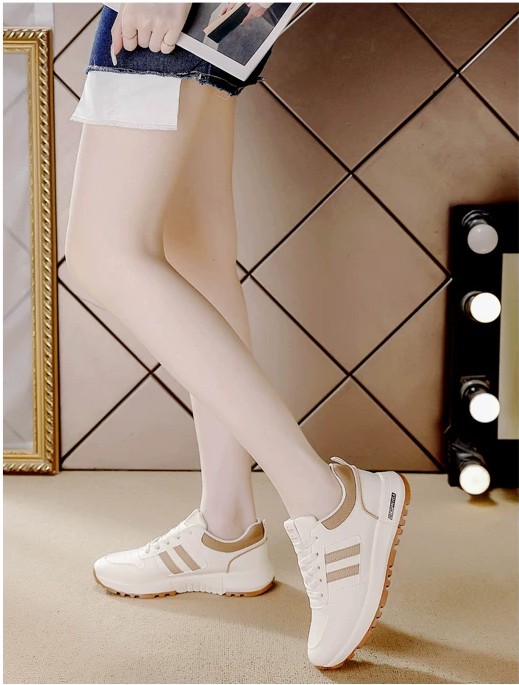
The ultralight shock-absorbing walking and running shoes are the lightest option of the three, which matters if you’re carrying your bag between cities. Light shoes are also easier to dry, and on a trip that’s worth more than people think.
The spring and summer leisure shoes for walking days sit in the middle: enough structure for cobbles, breathable enough for July, and neutral enough to wear with a dress at dinner.
If your trip is mostly city and mostly dry, the flat-bottomed board shoes with a thick sole give you a stable platform without a rocker, which is exactly what uneven stone wants. Start from the sneaker collection if you want to compare sole heights, or the full shoe range if the trip includes something dressier than walking.
The number that predicts a good trip
Twenty kilometres. That’s how far a new pair should go before it gets packed. If you can’t hit that, take the pair you already trust and leave the new ones at home, even if they’re prettier.
The best shoes for walking in Europe are the ones already broken in when you land. Everything else is a detail you can fix with a plaster and a bit of planning.
Europe will still be there next year, and your feet only get one set.
