

You’re on your knees at 11pm, suitcase open on the bed, trying to decide whether the walking shoes go in the case or on your feet at the airport. Both options feel wrong. In the case they arrive squashed and creased. On your feet you’re the person in the security queue unlacing boots at 5:40am.
I’ve done this badly more times than I’d like to admit, including one trip where a pair of pale knit walkers came out of a 9-hour flight looking like they’d been slept in by someone else.
So here’s the practical version: how to pack womens travel walking shoes so they survive the flight, what to do when they don’t, and which pairs are worth the space at all.
Pack them flat and hollow, not folded
The classic advice is to stuff socks inside the shoes and put them in a bag. Half of that is right.
Stuffing matters because an empty shoe collapses under the weight of everything stacked on top. Roll your socks or a t-shirt into the toe and the heel and the shoe keeps its shape. Then put each shoe in a thin cloth bag, not a plastic one, and lay them flat along the base of the case rather than standing them on end.
Flat along the base is the important bit. Shoes stood upright take the full compressive load of the suitcase when it’s zipped and thrown into a hold. Shoes laid flat share that load with the fabric around them.
If you’re travelling cabin-only, wear the bulkiest pair and pack the lighter one. That’s the standard trick and it still works.
One rule I’d add: never pack wet shoes, even slightly damp ones. Nine hours in a sealed case is enough to turn a faint smell into something you can’t get out. If you’ve been caught in rain the day before, dry them overnight with newspaper inside and the laces out.
Laces out matters. Water leaves through the eyelets fastest.
What nine hours in a hold actually does
A hold runs cold and dry, somewhere between 5°C and 10°C on most long-haul routes, with very low humidity. Leather stiffens in that. Knit uppers don’t mind it much. Synthetic overlays can go slightly brittle and then crack at the flex point when you first walk in them. The construction of a shoe explains why: the counter, the toe puff and the midsole are three different materials bonded together, and they expand and contract at different rates.
The bigger issue is pressure, not temperature. A packed case with 23kg of luggage on top of a shoe will flatten a soft heel counter permanently. Once the counter has collapsed, the shoe stops holding your heel, and no amount of re-lacing brings it back.
Hard-shell cases are worse for this than soft ones, because the shell doesn’t give, so all the force goes into whatever’s underneath. If you use a hard case, pack shoes at the top near the zip, where the load is lightest.
Creasing is a separate problem. A shoe creases where it flexes, across the ball of the foot. Pack something in that gap and the crease sets in a straight line that never fully comes out. If you’ve ever wondered why a pair looks older after one trip than after six months at home, that’s why.
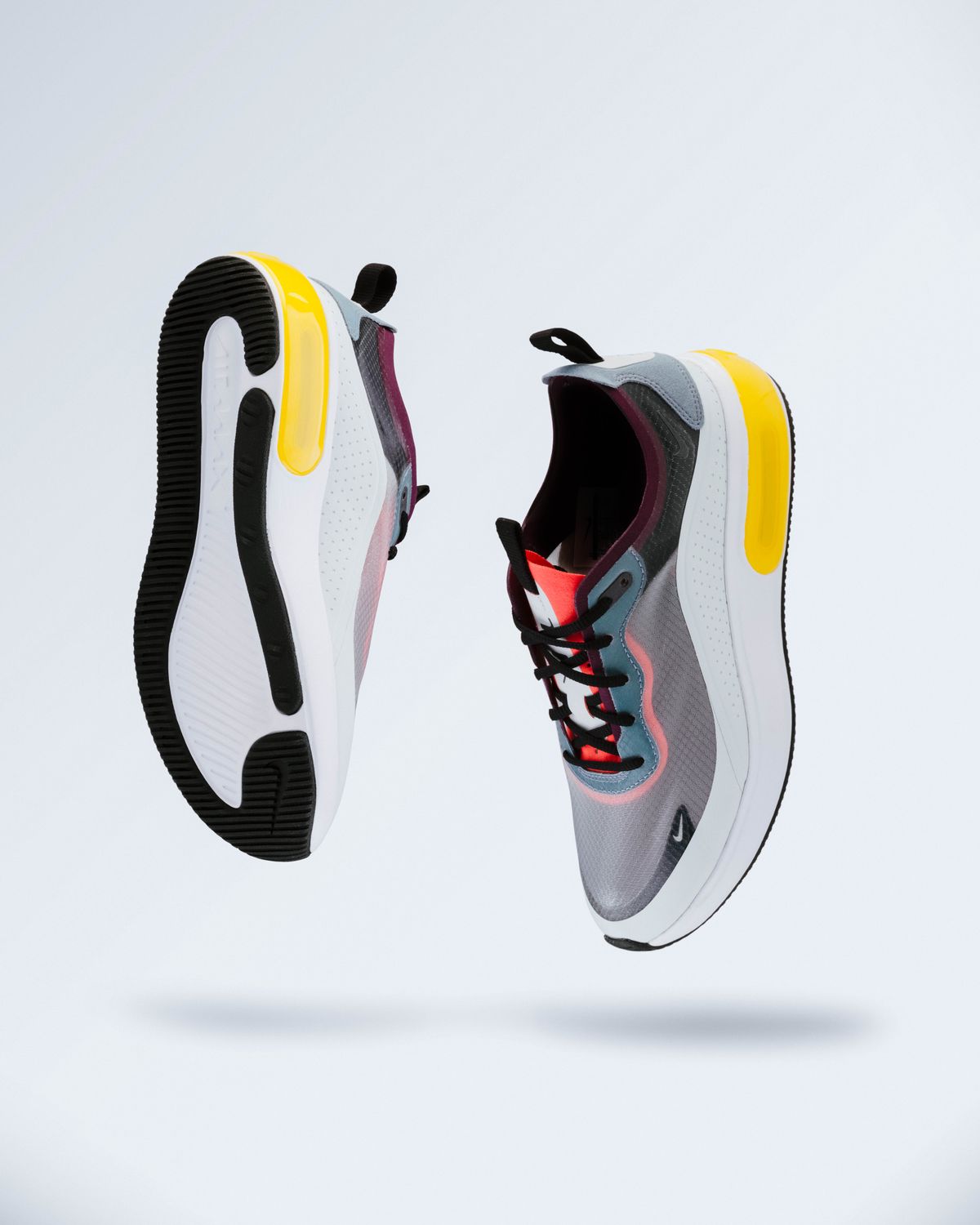
The four-minute fix when they come out creased
Hotel room, no iron, shoes bent out of shape. You have about four minutes before you need to leave.
Run the tap until the water is hot. Hold the creased section of the upper over the steam for 20 to 30 seconds, no closer than 10cm. Then push the crease out from the inside with your thumb, stuff the toe with a rolled towel, and leave it for two minutes while you find your charger.
That works on leather and on most synthetics. It doesn’t work on suede, which will spot, and it doesn’t work on mesh, which has no memory to reset.
If there’s no kettle, the hairdryer on medium held 20cm away does a decent job, though it dries the leather out. Follow with a tiny amount of hand cream worked into the crease, which sounds ridiculous and genuinely helps.
What doesn’t work: standing on the shoe, bending it back and forth, or running it under a cold tap. All three make it worse.
Weight, dry time, and the numbers that decide it
Before you pack a pair, know three figures.
- Weight per shoe. A lightweight walking shoe is 240g to 300g. A cushioned everyday walker is 320g to 400g. A leather pair can pass 450g. Two heavy shoes is nearly a kilo of your allowance.
- Dry time. Knit and mesh dry in 4 to 6 hours at room temperature. Leather takes 12 to 24 hours. Anything with a padded lining takes longer than you think.
- Packability. A shoe that folds at the heel can be flattened to half its height. A shoe with a firm heel counter cannot, and it will take up the same space as two pairs of trousers.
Add a fourth number if you’re doing a lot of city walking: 12,000 to 18,000 steps a day is normal on a sightseeing trip, which is two to three times what most people do at home. That’s the figure to plan around, because a shoe that’s fine for 6000 steps can be miserable at 15,000.
For a longer account of what one pair actually handles over several days of travel, the piece on four days in a carry-on with one pair is closer to the truth than most packing lists.
What to wear on the plane instead
Feet swell in the air. On a long flight, most people gain half a size by the time they land, and it goes down again over the next day. This is normal and it’s why you shouldn’t judge a travel shoe’s fit at the arrivals gate.
Wear the pair with the most give on the plane. Slip-ons win here because you can get them off without unlacing, and the security queue stops being a production. If you insist on laces, wear the pair with the softest heel counter so you can step in and out without untying.
Pack a pair of compression socks if the flight is over six hours. It’s the cheapest thing you can do for how your feet feel on day one of a trip, and swollen feet after flying is well documented as a circulation issue rather than a shoe issue.
Then change into your walking pair at the hotel, not at the airport. Give your feet three or four hours to settle first.
Three pairs, one week: how the rotation works
You don’t need three pairs of womens travel walking shoes for a week. You need one walking pair, one pair that works for dinner, and whatever you wore on the plane. That’s it.
The walking pair does the daytime. The dinner pair stays clean and lives in a cloth bag. The plane pair is a slip-on that doubles as an emergency backup if the walking pair gets soaked.
Rotating matters for a reason beyond freshness. Foam midsoles need about 24 hours to recover their shape after a long day. Wearing the same pair two days straight, 15,000 steps each day, compresses the foam faster than wearing two pairs alternately over four days. On a two-week trip, this is the difference between a shoe that lasts the holiday and one that lasts a year.
If you’re short on space, one good pair plus a foldable flat beats three athletic pairs. The flat weighs almost nothing and solves the dinner problem.
The one-pair trip, and when it works
Sometimes you don’t get a rotation. A three-day work trip with cabin baggage only, or a weekend where you’re carrying your own bag up four flights of stairs. One pair has to do everything.
That pair needs three properties, and they’re all testable before you leave.
- It dries overnight. Wash the toe with a damp cloth at 9pm and check at 7am. If it’s still dark, it won’t survive a rainy trip.
- It’s dark enough to pass at dinner. Mid grey, navy, black, deep olive. Pale colours fail this test every time, however good they look with jeans.
- It has a removable insole. You can swap in a thin flat insole for long walking days and put the cushioned one back for standing around. One shoe, two behaviours.
The one-pair trip works well in spring and autumn. It works badly in August, because a single pair worn 16 hours a day never gets a chance to dry out, and by day three you can smell it from the other side of the room.
If you’re going somewhere hot, take two pairs even if it means a smaller toiletry bag. Sacrifice the hairdryer, not the second pair of shoes.
There’s a middle option too, and it’s the one I use most. Wear the walking pair on the plane and pack a pair of thin leather flats that fold in half. The flats weigh 180g each, they cover every restaurant you’ll walk into, and if the walking pair gets soaked you still have something dry to wear to breakfast. That combination has handled a ten-day trip for me, including two days of rain.
The only thing it can’t do is a formal evening. If there’s a wedding or a work dinner on the itinerary, the flats have to be the smarter kind, and then you’re back to packing two pairs properly.
What never recovers
Some damage is permanent, and it’s worth knowing before you pack.
A crushed heel counter never comes back. Once the plastic or board inside the heel has bent, it stays bent, and the shoe will rub from then on. Same for a flattened toe box on a shoe with a rigid toe puff.
Water damage on leather is usually recoverable, but water damage plus heat is not. A leather shoe that gets soaked and then dries next to a radiator will go hard and crack at the flex point within a month.
And mould, once it’s in the lining, is essentially the end of the shoe. It comes back every humid week.
So the two things to avoid are blunt: don’t let heavy luggage sit on your shoes for hours, and don’t dry wet leather near heat. Everything else is fixable.
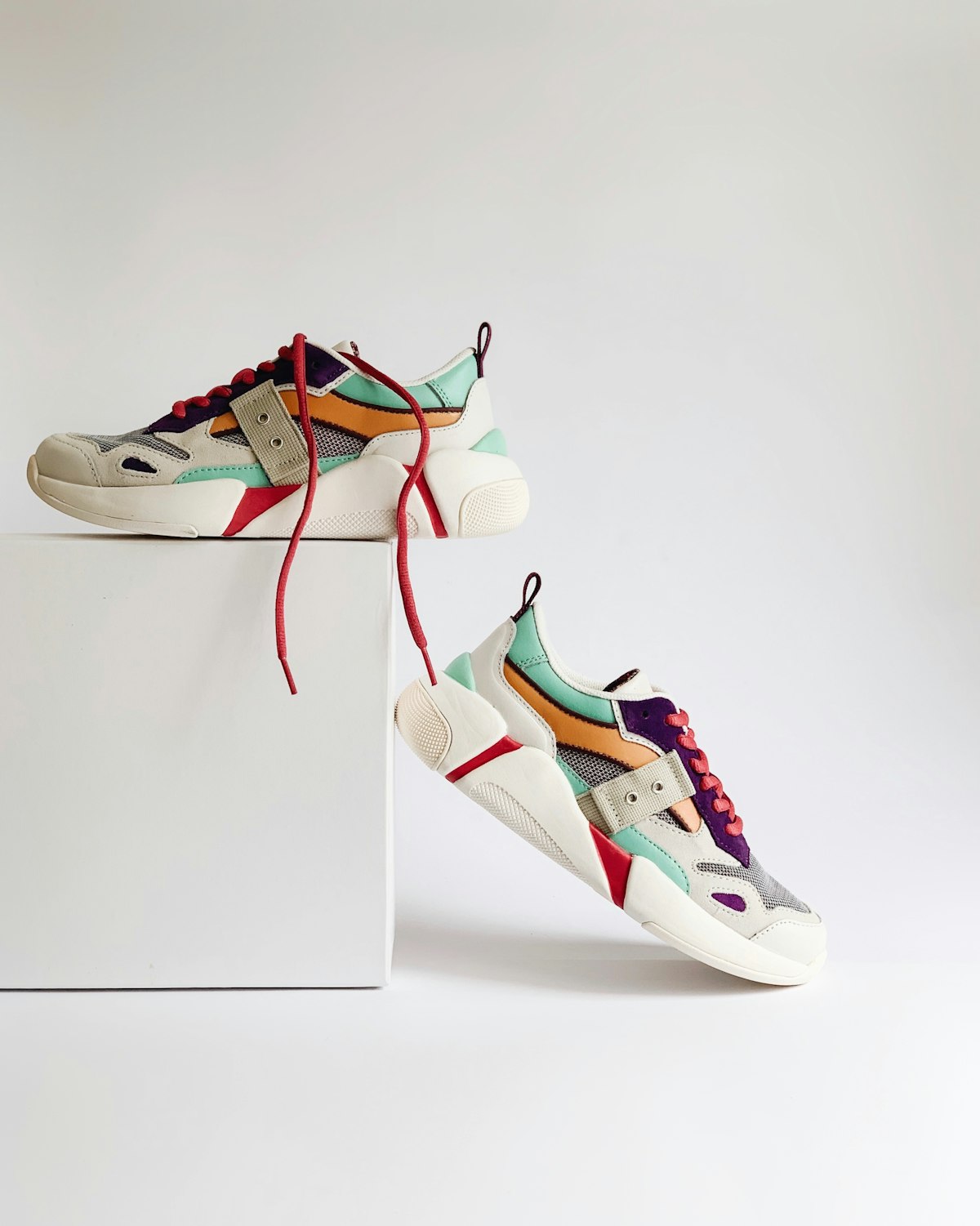
A packing routine that takes two minutes
Here’s what I actually do now, and it hasn’t failed me in three years.
Shoes go in last, at the top of the case, flat, side by side, toes pointing inward. Socks rolled into the toe. Laces loosened and tucked inside rather than tied. A cloth bag over each. Nothing heavy placed on top before the case is closed.
If the case is a hard shell, the shoes go in the top compartment. If it’s soft, they can go at the bottom against the wheels, because the fabric gives and the load spreads.
Two minutes, and your shoes arrive in the shape they left in.
For a short city break with cabin baggage only, pick shoes that pack flat before you pick shoes that look good. Our walking shoes section has a few with soft heel counters that fold down to almost nothing.
One last thing. If your trip is mostly pavement and museums rather than trails, a flat-soled board shoe packs lighter and flatter than most technical walkers, and it won’t look like you’ve come straight from a gym. It’s the wrong choice for wet cobbles, though. Nothing flat is.
And if you’re travelling somewhere cold, a pair that handles a 6°C morning and a 19°C afternoon is a different problem. A quilted slip-on covers that gap better than a mesh walker, and it’s easier to get past airport security in one piece.
Pack the shoes flat, keep the heavy things off them, and give your feet a night to settle before you judge the fit. Do that and the pair you land in is the pair you walk home in. If you’re still deciding what to buy, start with something under 300g a shoe that has a heel you can squash with one thumb. Everything else is detail.
