

Your foot hurts before you even put the shoe on. That’s the part nobody warns you about. You stand in the shop holding a pair that looks like every other pair you own, and you already know how the next eight hours will go.
Buying women orthopedic dress shoes used to mean a choice between something that looks like a nurse’s shoe and something that hurts. That gap has mostly closed, but only if you know which four things to check. The label on the box isn’t one of them.
What matters: a removable insole, a heel between 25 and 40mm, room at the big-toe joint, and a sole that flexes behind the ball rather than at the arch. Get those four and the shoe can still look like a dress shoe.
I learned this the slow way. A year of morning heel pain that I blamed on running turned out to be a pair of flat ballet pumps worn on tile floors five days a week.
What “orthopedic” actually means on a shoe box
In most countries, nothing official. The word isn’t regulated the way “medical device” is, so it gets used as marketing. A pair sold as orthopedic might have a contoured footbed and a firm heel counter, or it might just be wide and beige.
The features that do real work are mechanical. A firm heel counter stops the back of your foot rolling inward. A shank under the arch stops the shoe folding in the middle. A removable footbed lets you put your own orthotic in without stacking two arches on top of each other.
If you already wear prescription orthotics, ignore every “supportive” claim and ask one question: does the insole come out? A glued-in footbed makes the shoe useless to you no matter how good the leather is. That single question eliminates about half the dress shoes on the market.
If you don’t have orthotics and you’re just sore after long days, you’re shopping for cushioning and geometry. That’s an easier and much cheaper problem.
It helps to know where the term comes from. The clinical definition of orthotics covers devices that change how load moves through the foot, which is a mechanical job. A shoe can help with that. It can’t diagnose anything, and any shop assistant who tells you otherwise is selling.
Price is a weak signal too. I’ve had a 40 pair from a supermarket with a proper shank and a 220 pair from a department store that folded in half in my hands. What separates them isn’t the badge, it’s whether anyone thought about the inside. Look at the stitching inside the heel before you look at the price tag.
One thing worth knowing: many women orthopedic dress shoes are graded from a men’s last, then narrowed. That’s why the arch sits in the wrong place for some feet and the heel is too wide for others. If a pair feels wrong in a way you can’t name, that’s usually the reason.
Four checks that take ninety seconds
This is the order I do them in, and I do them before I look at the price.
- Heel counter: squeeze the back. It should barely move
- Shank: bend the shoe. It should fold behind the ball
- Insole: lift an edge. If it’s glued, put it back
- Toe box: press the top. You want give, not bounce
The heel counter is the one people skip, and it predicts whether your ankle rolls. Press the back of the shoe with your thumb. If the whole heel collapses inward, the shoe will let your foot roll the same way, and by 5pm your arch and knee are doing extra work to compensate.
The shank test needs some force. Hold the heel in one hand and the toe in the other, then bend. Cheap dress shoes fold at the midpoint, which sits right under your arch, and that’s the worst possible place. A good pair resists at the arch and bends only where your toes do.
Toe room is a press, not a look. Push down on the top of the toe box. Leather should give 2 or 3mm and come back. A hard shell that doesn’t move won’t adapt to anything, and a sensitive joint will feel that within the hour.
One more, if the shop allows it: take the insole out, put it on the floor, and stand on it. Your foot should sit inside the outline with nothing hanging over the edge. It takes ten seconds and it tells you more than any size label.
Do all four checks on both shoes. I know how that sounds. But pairs get mismatched in stock rooms, and I’ve bought a box where the left was a half size wider than the right. It took me three weeks to work out why one foot was fine and the other wasn’t.
Then wear them around the shop for ten minutes with the socks you’ll actually use. A thin nylon tight and a wool sock change the fit more than most people expect, and dress shoes have less margin for that than trainers do.
Heel height: why 25 to 40mm wins
Flat isn’t automatically better, which surprised me. A shoe with no heel drop at all keeps your Achilles at full stretch all day, and for some people that makes heel pain worse rather than better.
A 25 to 40mm heel takes a little tension off the back of the leg while keeping your weight spread across the whole foot. For most sore feet, that’s the range that works. It’s also the range where a shoe still reads as a dress shoe instead of a trainer.
Above 50mm, load moves to the ball of your foot. Below 10mm, load moves to your heel and calf. Neither end of that scale is kind, which is why the middle exists.
There’s a trade-off worth naming. A 35mm heel with a firm shank is a heavier shoe, usually 280 to 320g per shoe, and it won’t feel dainty on. It also won’t have you limping at a wedding reception. Decide which of those two things you care about, once, and stop re-arguing with yourself in the mirror.
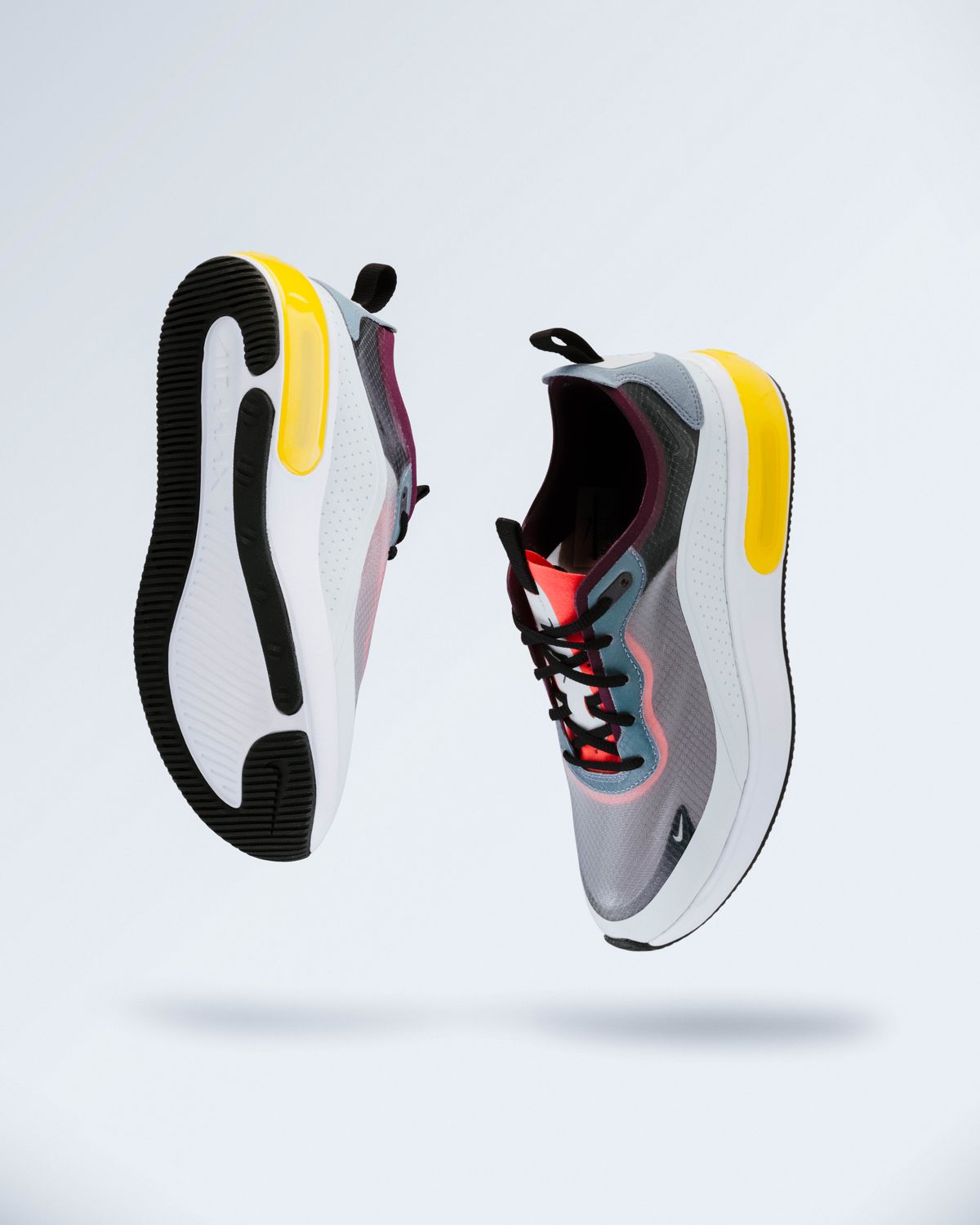
If you’re moving from years of flats, go up in 10mm steps over a couple of months. Jumping straight from a ballet pump to a 45mm block will make your calves complain for a fortnight, and you’ll blame the shoe for something your legs are doing.
Heel shape changes the arithmetic as well. A block or a wedge spreads load across a wider base, so a 40mm block is easier to stand in than a 30mm stiletto, even though it’s taller. Contact area does more work than height when you’re static.
Kitten heels sit in an awkward middle for sore feet. They’re low enough to feel sensible and thin enough to feel unstable, and a thin 35mm heel on a wet pavement is a worse idea than a solid 45mm block. If stability is the issue, go wider before you go lower.
Toe shape and the joint that decides your day
A bunion isn’t caused by shoes alone, but shoes decide how much it hurts. The joint at the base of your big toe needs to sit inside the widest part of the shoe, not pressed against a surface that tapers away from it.
That rules out a sharp point that starts narrowing before the ball of your foot. It doesn’t rule out pointed shoes in general. A long almond toe with a wide ball area is fine, and it looks sharper than a round toe with the same internal width.
Stretchers won’t save you here. They work on the top of the foot, across the instep. They don’t add width at the ball, and they don’t add length at the toe. Every shoe repairer will tell you the same thing if you ask before you buy instead of after.
Soft uppers help more than people expect. Suede and unlined calf give over the first week and settle around your foot. Patent and coated leathers don’t give at all, they just press harder in the same spot. If you have a sensitive joint and you still want a dress shoe, suede is the pragmatic pick.
The Mayo Clinic’s summary of bunions is clear that pressure at the joint, rather than the bump itself, drives most of the pain. That’s a shoe problem, and it’s fixable with shape.
This is where most women orthopedic dress shoes get it wrong. They widen the whole shoe, which fixes the ball and ruins the heel, so your foot slides forward and your toes hit the front. A better pair keeps the heel narrow and adds room only where the joint needs it.
Try the shoe on late in the afternoon for this check specifically. Feet spread through the day, and a joint that fits at 9am can be pressed against the upper by 6pm. If it’s borderline in the morning, it’s too tight.
Arch support: separate the real thing from the marketing
Half the “arch support” you’ll read about is a 3mm foam bump glued into a flat footbed. It feels like support for about three weeks and then compresses into nothing.
Real support comes from structure under the footbed, not on top of it. That means a shank, a moulded heel cup, and a last that’s shaped with an arch in it rather than a flat plank. You can’t see most of that from the outside, which is why the bend test matters so much.
Three things that genuinely change how a shoe feels on a long day:
- A heel cup that holds the back of your foot instead of letting it slide
- A shank that stops the middle of the shoe collapsing
- A forefoot that’s thick enough to spread pressure under the ball
What doesn’t help: a raised arch bump with no structure beneath it, a memory foam insole sold as “medical grade”, and any shoe that claims to correct your gait. Gait correction is a job for a clinician and a custom device, not a 60 pair of pumps.
I’d also push back on the idea that you need maximum cushioning. Cushioning feels good in the shop and fades. Structure lasts. A firm shoe with a thin leather insole often beats a soft shoe with 8mm of foam, especially if your pain is in the arch rather than the heel.
Custom orthotics sit in a different category. They’re expensive, they take a few weeks to make, and they’re worth it if a clinician has told you that you need them. What they aren’t is a reason to buy a badly shaped shoe and assume the insert will cover for it.
Simple test for whether a shoe has real structure: put it on a table and press down hard on the arch area from above. If the middle of the shoe sinks toward the table, there’s nothing under your arch except air. That’s the pair that will hurt by Thursday, and it’s the single clearest difference between women orthopedic dress shoes that work and pairs that only look sensible.
Inserts: the cheap fix that actually works
If your shoes have removable footbeds, a 15 to 30 insert will do more for you than a 150 pair of shoes with the wrong geometry. That’s not a knock on good shoes. It’s just where the leverage is.
Start with one pair of inserts and move them between shoes for a week before buying more. You’ll learn whether you need metatarsal support, a deeper heel cup, or just a bit more volume, and those are three different products.
Fit matters more than brand. An insert that’s too long pushes your toes into the front of the shoe, and one that’s too thick lifts your heel out of the counter. Trim to the original footbed, not to your foot, and check that your heel still sits down in the cup.
For heels, a metatarsal pad behind the ball is the single most useful addition. It shifts load off the joint that takes the beating in anything above 50mm. Put it in the wrong place and it feels like a pebble, so start 5mm further back than you think.
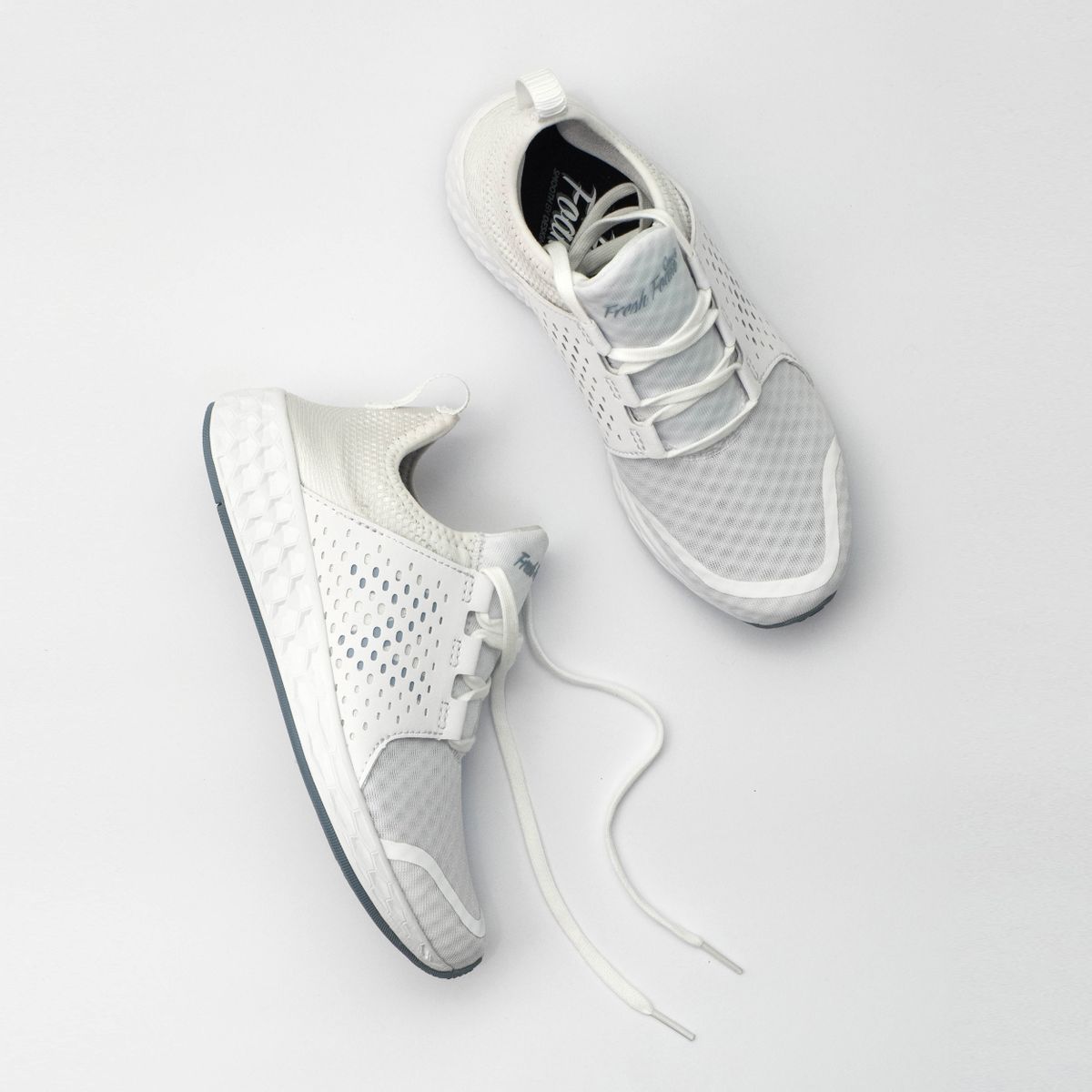
If you want a pair that already leans this way, this thick-heel pair built to keep weight off the forefoot has a wide base and a removable insole, which is the combination that makes inserts possible. There’s also a padded wedding heel for long standing days if you need something for an event rather than a desk.
Both sit in the women’s shoe range alongside flatter options, and the heel section is where the taller shapes live. If you’re weighing a lower heel for summer, this guide on what to check before buying a 45mm sandal covers the same geometry in a different shape.
Buy one pair and live in it for a month before buying a second. Your feet will tell you which insert you actually needed, and that answer is usually different from the one you’d have guessed in the shop.
Where orthopedic dress shoes still fail
Three places, and you should know them before you spend.
Most women orthopedic dress shoes are sold as an alternative to trainers rather than as a proper dress option. That shows up in the styling: round toes, low vamp, and a sole thick enough to see from across the room. Nothing wrong with it, but it limits what you can wear the pair with.
The heel counter on most budget pairs is cardboard under a layer of synthetic. It holds shape for a season and then softens, and once it softens the shoe stops supporting anything. Squeeze it in the shop and squeeze it again in month four. You’ll feel the difference.
Wide fittings are still thin on the ground in dress styles. Plenty of brands list a wide fit that measures 4mm wider than the standard, which is not a wide fit, it’s a rounding error. If you need real width, look at brands that publish actual measurements in millimetres.
And the colour problem. Comfort ranges skew black and beige. If you need a navy or a dark green dress shoe, you’ll probably be adding an insert to a normal pair rather than buying from a comfort line. That’s fine. It works.
The last gap is sizing consistency. One brand’s 38 fits like another’s 39.5, so order two sizes if the returns are free, wear them on carpet for an evening, and send back the pair that loses. That’s the only honest fit test there is, and it costs you nothing but a trip to the post office.
Last thing. If your pain is sharp, one-sided, or worse in the morning than after you’ve walked for ten minutes, see someone before you buy anything. Shoes help with load. They don’t fix a tear, a stress fracture, or a nerve problem, and no insole will tell you which one you have.
For the rest of us, the plan is boring and it works: measure at the end of the day, buy the 30mm block, check that the insole lifts out, and keep one pair of heels for the evenings you actually want them. Your feet will stop being the first thing you think about in the morning.
