

It’s 8:05 on a Tuesday. You have coffee in one hand, one shoe on, and a train to catch in twelve minutes. The pair you actually want is the pair that will have you shifting your weight by 3pm and quietly sliding them off under the desk by 5.
That’s the real problem with women professional shoes. They get judged in a shop mirror, standing still, for about forty seconds. Then you wear them for nine hours across carpet, tile, and one rough stretch of pavement outside the office, and the verdict changes completely.
Short version first: 45 to 60mm of heel, at least 8mm of clearance past your longest toe, and a lining that isn’t glued-in synthetic. Everything else on the box is decoration.
I’ve bought office shoes four ways over the years. Cheap, expensive, “comfort” branded, and secondhand. The expensive ones were not the ones that lasted, which surprised me.
Start with the 90-minute test, not the mirror
A mirror tells you how a shoe looks standing still for forty seconds. Your Tuesday is nothing like that. It’s ninety minutes of mixed standing and walking, three flights of stairs, one dash for a lift, and a walk to lunch that turns out to include a slope you never noticed before.
So test for that. Put both shoes on, walk the length of the shop four times, then stand still for two minutes without leaning on anything. It’s the test most women professional shoes fail, and they fail it quietly, without any obvious wobble or pinch.
What you’re listening for:
- Pressure on the ball of your foot, which gets worse when you stand still
- A heel that lifts more than 4mm as you walk
- Toes touching the front wall when you stand, not just when you sit
- Any seam you can feel through a thin sock
Sitting down hides all four. Feet spread out and the shoe feels roomier than it is, which is why so many people buy a half size too small and only find out on day three. Ask to walk on a hard surface too. Carpet forgives things tile won’t.
One more thing worth doing: try them at the end of the day. Your feet swell by roughly half a size between morning and evening, and a shoe that fits at 10am can be a different shoe at 6pm. If you can only shop at lunch, add that half size in your head.
Bring the socks or tights you actually wear to work. This sounds obvious and almost nobody does it. A 40-denier tight takes up more room than a cotton sock, and a shoe tried on barefoot will fit differently on a Monday morning in January. If you wear both, test with the thicker option.
And give the pair ten minutes, not two. Walk to the far end of the shop floor, stand by the window, come back. Feet change their mind in the first ten minutes, and a shoe that felt snug at minute one usually feels tight by minute eight.
45 to 60mm is the sweet spot, and it isn’t close
Heel height is the number most people get wrong, usually in the direction of “a bit taller looks better”. For a full working day, 45 to 60mm is where the math works. You get the line of a heel without loading the ball of your foot the way 90mm does.
Above roughly 70mm, your weight shifts forward and stays there. Standing is the problem, not walking. You can walk a block in 90mm heels and feel fine. Stand at a printer for fifteen minutes in them and your feet tell a different story.
Heel shape matters as much as height. A block or a stacked heel spreads load over a wider base, so a 60mm block feels steadier on a wet pavement than a 50mm stiletto. That’s not a style opinion, it’s just contact area.
For most office jobs, this is the range I’d buy in:
- 45 to 50mm block: all-day standing, commuting, site visits
- 55 to 60mm block or cone: normal desk job with meetings
- 65 to 70mm: presentation days and short wear only
- 75mm and up: keep one pair, not three
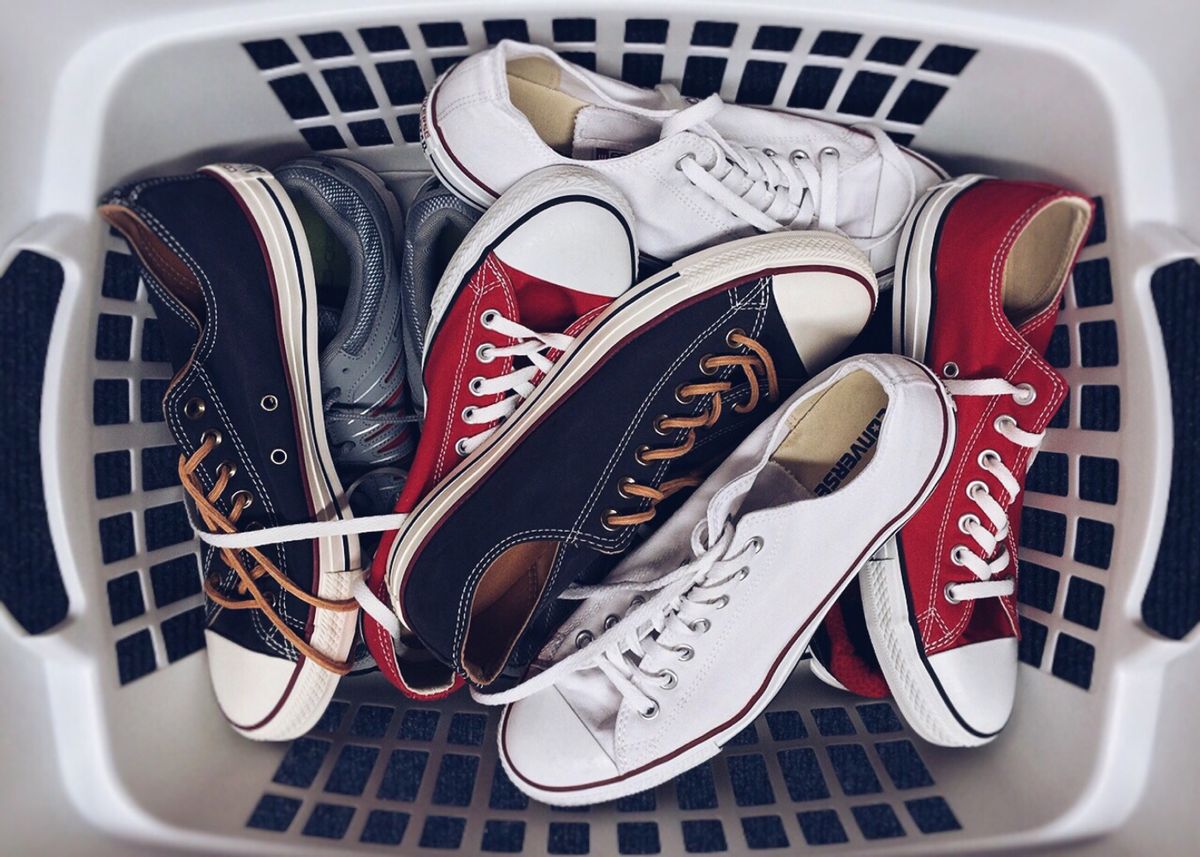
The history is worth knowing because it explains why so many office shoes are shaped oddly. The modern dress shoe descends from male court footwear, and heel height only started dropping for men in the 18th century while women’s heels went the other way, as the history of the dress shoe shows. A lot of “professional” shapes were designed for looks first and load-bearing second.
That’s why a 55mm block from a brand that actually tests wear feels better than a 45mm stiletto from a brand that photographs well. Height is only half the sentence.
Weight is the other half. A chunky platform sole looks stable but adds 200 to 300g per shoe, and by the end of a commute you’re lifting that extra weight roughly 4,000 times. Thick soles also reduce the flex point at the ball, so your foot has to work harder to roll through each step.
Pick the shoe up. If it feels heavier than your phone in each hand, you’ll notice it by 4pm. A leather-lined 55mm block with a thin sole usually comes in around 250g per shoe, which is the number I look for now.
The toe box decides your afternoon
If you take one measurement before buying women professional shoes, take this one. Stand on a piece of paper, mark your longest toe and the widest part of your foot, then compare to the insole. You want 8 to 10mm of space in front of the toe and no pressure at the widest point.
Pointed toes aren’t automatically wrong. A long, low point with a wide ball area is fine. A short point that starts tapering at the ball is a problem, because your toes get squeezed sideways all day and the joint at the base of your big toe takes the load. That joint is where bunions start, and they don’t reverse.
Three shapes that behave differently in practice:
- Square toe: most room, least elegant, best for 10-hour days
- Almond toe: a good compromise, works with most feet
- Sharp point: fine for 2 to 3 hours, punishing beyond that
There’s a decent explainer on how toe shape changes the way you walk in this piece about square toe heels and what the toe box does to your feet, including where the pressure points sit. Worth ten minutes if you’re choosing between shapes.
The material matters here too. Soft calf or suede gives at the sides within a week. Corrected-grain leather with a plastic coating does not give at all, it just creases and rubs. If the shoe is stiff in the shop and the upper feels like a folder, it will still feel like a folder in March.
Wide feet get a raw deal in office ranges, mostly because the shapes are graded up from a narrow last. If the widest part of your foot sits over the edge of the insole, no amount of wearing in will fix it. Look for a brand that lists a width fitting, or size for the ball and use a heel grip for the extra length.
Shoe stretchers help with one thing only: a tight spot across the top of the foot. They won’t widen a pointed toe, and they won’t add length. Keep expectations small and you’ll be pleased instead of disappointed.
What dies first is the lining, not the leather
Everyone inspects the upper. Nobody inspects the inside. That’s backwards, because the lining is what touches your foot for nine hours and it’s usually the first thing to fail.
Glued-in synthetic lining goes shiny, then hard, then starts separating at the heel counter. Once it separates, you get a ridge right where your heel rubs, and no amount of breaking in fixes a ridge. Leather lining costs more and lasts two to three times as long in my experience, and it doesn’t get slippery when your feet warm up.
Second failure point: the insole board. Cheap ones are cardboard with a fabric cover. Wear them in the rain once and they go soft, then mould to the shape of your footprint with a dip under the ball. You’ll feel it as a dull ache rather than a sharp pain, which makes it harder to blame the shoe.
Third: the heel tip. A 3mm plastic top piece wears through in about four months of daily pavement walking, and once it’s through, the heel block starts grinding down. Replacing tips costs very little. Replacing heel blocks doesn’t.
Here’s the thing I got wrong for years. I assumed a stitched sole meant quality. It does mean repairable, but only if the upper is worth repairing. A stitched sole on a plastic-coated upper is money spent on the wrong half of the shoe.
Flex point is the test I use now. Hold the shoe at the heel and toe and bend it. It should fold just behind the ball of the foot, not in the middle of the arch. A shoe that folds at the arch collapses under your foot with every step, and that’s where the dull ache in your instep comes from after a long day.
Turn it over as well. A sole that’s been glued and stapled in three places will outlast one glued at the edges only. You can see the difference at the waist of the shoe, the narrow part under your arch, where good pairs have stitching running right through.
The small fixes that buy you a year
Two cheap additions change how a work shoe wears, and neither is a gimmick.
First, a thin leather insole or a 2mm memory foam liner. It takes up the slack in a shoe that’s slightly too roomy and adds a little cushioning under the ball. It also absorbs sweat, which keeps the lining from going shiny as fast. Swap them monthly and the shoe lasts longer.
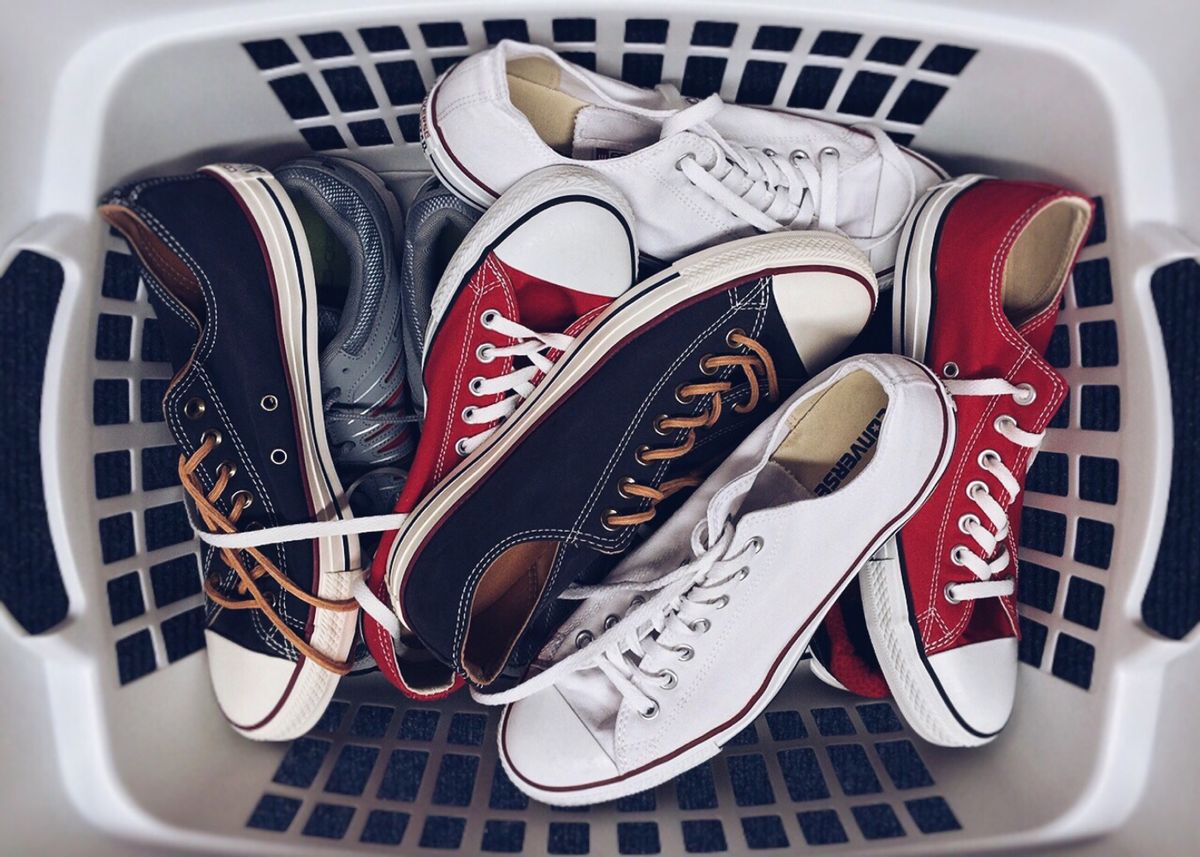
Second, heel grips or a silicone heel pad, but only if the heel slips. Don’t add them preemptively. A shoe that grips properly at purchase with a pad in it will rub your Achilles by week two, because the pad pushes your foot forward and shortens the toe box you carefully measured.
For anything above 60mm, a metatarsal pad is the fix that actually works. It sits behind the ball of your foot and takes pressure off the joint. Podiatrists point out that heel and forefoot pain from unsupportive shoes often settles once load is redistributed rather than cushioned, and the Mayo Clinic’s overview of plantar fasciitis is a plain-language starting point if morning heel pain has become a habit.
One caution. If a shoe needs three inserts to be wearable, it’s the wrong shoe. Inserts fix small mismatches, not bad geometry.
Drying matters more than people think. Leather shoes worn two days in a row never fully dry inside, and damp lining is what turns a good pair sour. Cedar shoe trees pull moisture out overnight and keep the shape at the heel. If you only buy one accessory, buy those.
A 5mm heel tap fitted by a cobbler before you wear the pair outside costs very little and roughly doubles the life of the heel tip. It’s the least glamorous purchase in this whole article and probably the one that saves the most money.
Three pairs, three jobs
You don’t need a wall of office shoes. You need three pairs doing three different jobs, and rotating them. Rotation matters because shoes dry out between wears, and a shoe worn daily breaks down roughly twice as fast as a shoe worn every other day.
The set that has worked for me:
- A 50mm block in black or dark brown for ordinary days
- A flat or 25mm loafer for commute and bad weather
- One 70mm pair you actually like, for days that need it
That covers about 95% of what a normal job asks for. The remaining 5% is a wedding, and you can rent or borrow for that.
Colour is a smaller decision than people make it. Dark brown is more forgiving than black on scuffs and reads less severe with navy and grey tailoring. Black is still the safer choice if you wear a lot of black. One pair of each, and you stop thinking about it.
Most women professional shoes sold as “office” are really evening shoes with a low heel, which is why they look sharp in the shop and fall apart under a working week. Check whether the pair is built for pavement or for a lobby.
Cost per wear is the number that actually settles the budget question. A 150 pair worn three days a week for two years works out at well under a coffee per wear. A 40 pair that hurts after a month works out at whatever you paid, divided by four, plus the price of the blister plasters.
Rotation also keeps the shape. Two pairs alternating hold their form far longer than one pair worn daily, because the leather gets a full day to spring back. It’s the cheapest trick in the book and it needs no shopping at all.
If you’re buying the block-heel version, the pair I’d point you at first is this OL-style block heel built for long office days. It sits in the 55mm range, which is the number that matters, and the toe isn’t tapered at the ball. For something with a bit more shape, there’s a commuting heel with a narrower profile that still clears the 8mm toe rule.
Both live in the women’s shoes section if you want to compare shapes side by side, and the heels category has the taller stuff if you need it for a single evening.
What I wouldn’t buy again
Three things, honestly.
Patent leather office shoes. They photograph beautifully and crease like a crisp packet across the toe within a month, and the crease then rubs. I’ve never had a pair survive a full year of daily wear.
Anything described as “extra padded” without a removable insole. The padding compresses within six weeks and then you’ve got a flat shoe with a slightly baggy upper and no way to add support.
And a half size up “for comfort”. If the shoe is the right shape, your size fits. Sizing up to solve a width problem means your heel lifts with every step, and a lifting heel is how you get blisters on the back of your ankle by Thursday.
I’d also stop buying office shoes online without checking the return window. You need at least 30 days, and you need to be allowed to walk indoors on carpet. A 14-day window that forbids any wear is not a trial, it’s a gamble with extra steps.
The last thing I’d skip is the matching bag. It never gets used, it dates faster than the shoes, and it eats the budget you could have spent on the pair that doesn’t hurt.
The pair I’d keep forever, if you’re curious, is a plain 50mm dark brown block with a leather lining that I bought secondhand for less than a takeaway dinner. It has been resoled twice. It is not elegant. It has never once hurt.
That’s the whole test, really. Women professional shoes earn their place by disappearing. If you’re not thinking about your feet at 4pm, the pair was right, and that’s a better review than anything a product page can write.
So: measure your foot at the end of the day, buy the 50mm block, check the lining with your thumb, and stop shopping for the mirror. Your 3pm self will thank you, and your 8:05 self will stop dreading the rack.
