

The first cold morning catches everyone the same way. You reach for sandals out of habit, look at the sky, and spend nine minutes in front of the rack deciding between shoes that are too summery and boots that are too much for 14 degrees.
Autumn is the hardest season for footwear because it’s two seasons pretending to be one. It’s 8 degrees at 7:40 and 19 by noon, and the pavement is wet for three days out of five. Picking fall shoes for women is really about picking shoes that can handle both ends of that.
What works: one pair that’s waterproof, one pair that’s warm, and one pair you can walk 8,000 steps in without thinking. Everything else is optional and mostly gets worn twice.
Audit what you already own first
Before you buy anything, put every pair you own on the floor and be honest about the last three autumns. Most people find the same thing: two pairs do 80% of the work, and the rest sit in a bag in the hall.
Do this in five minutes with three piles.
- Worn weekly: keep, resole if needed
- Worn twice a year: the problem is comfort or weather
- Not worn in 12 months: it’s not going to happen
The middle pile is where the money goes wrong. A pair you avoid usually has one specific flaw, and it’s almost always the same three: the heel slips, the toe presses, or they’re useless in rain. If you can name the flaw, you can avoid buying it again. If you can’t, take a photo of the pair before you donate it so you don’t repeat the mistake.
I did this last year and found four pairs I’d bought for “autumn” that were really summer shoes in a darker colour. None of them had a sole thick enough for wet pavement, which is the actual autumn requirement.
There’s a second list worth making while everything’s on the floor: what each pair is for. Most people own five pairs that do the same job and nothing that works on a wet Tuesday. Fall shoes for women get bought by colour, and that’s why the gap appears every year in the same place.
Write it down if you have to. A five-line list in your phone stops you buying a sixth pair of black ankle boots you don’t need in September.
Then set the three keepers by the door for a week and see what you actually reach for. What you reach for on day three is more honest than anything you’d tell a shop assistant.
Waterproofing: what actually keeps your feet dry
Suede gets a bad reputation it doesn’t fully deserve. Treated suede handles a normal wet commute fine. Untreated suede absorbs water in about ninety seconds and then stains in a ring that never comes out.
The treatment matters more than the material. A fluoropolymer spray applied to clean, dry suede gives you a few weeks of protection per coat, and reapplying takes four minutes. Do it in September, before the first wet day, not after.
Leather is easier. A wax-based cream once a month keeps water beading, and it also stops the leather drying out and cracking at the flex point. Skip the cream and a wet autumn turns a good pair into a cracked pair by February.
What doesn’t work: silicone sprays on smooth leather, which sit on the surface and go patchy, and any “waterproofing” applied to a wet shoe. You’re sealing the water in.
If you want to understand what suede actually is and why it behaves so differently from full-grain, the Wikipedia entry on suede covers the finishing process without getting too technical, and it makes the care instructions make sense.
One thing I learned the hard way: never dry wet leather near a radiator. It dries too fast, the fibres tighten, and you get a hard, cracked patch at the flex point that no cream can fix. Stuff the toes with newspaper and leave the pair somewhere cool overnight.
Salt is the other autumn problem. Gritted pavements leave a white tide mark on leather that hardens if you leave it. Wipe with a damp cloth the same day, not the same week, and most fall shoes for women survive a whole winter looking fine.
Keep a brush and a spray by the front door if you can. Convenience beats discipline, and a four-minute job at the door gets done in a way that a Sunday afternoon maintenance session never does.
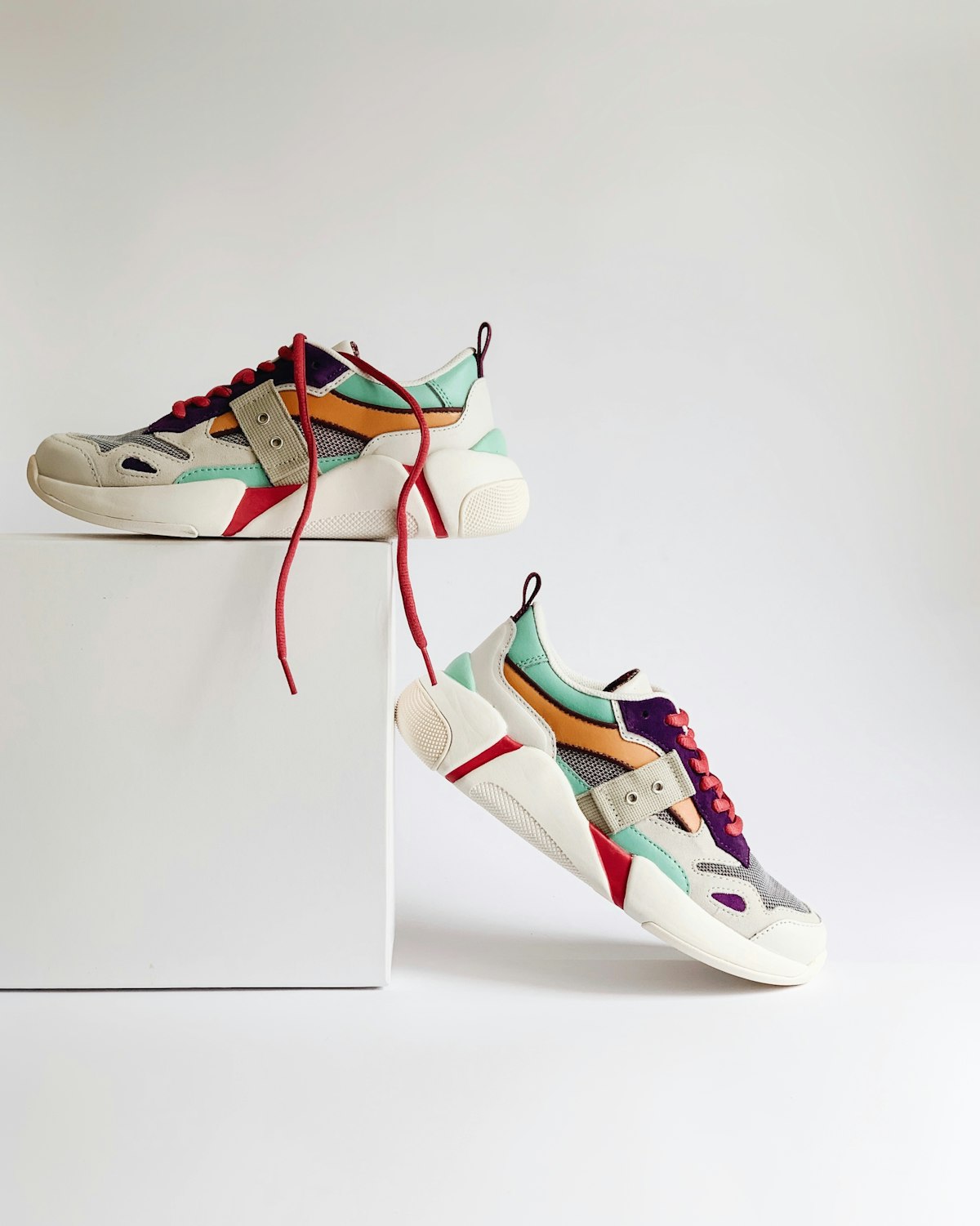
The boot decision: ankle or mid-calf
Boots are the biggest autumn purchase and the easiest to get wrong, mostly because people buy for the coldest week rather than the average one.
Ankle boots get worn roughly three times as often as mid-calf boots in my experience, because they work with trousers, jeans, and tights, and you can wear them from September to March. Mid-calf boots only work with skirts and dresses, which narrows the wardrobe considerably.
If you’re buying one, buy the ankle boot, and check three things:
- Shaft height: 10 to 12cm clears most trouser hems
- Sole: at least 15mm, with a tread pattern that isn’t decorative
- Zip or elastic: something that opens wide enough for a thick sock
The shaft height number catches people out. A shaft that’s too high pushes a straight trouser leg up and creates a fold at the knee. Too low and the trouser drags. Eleven centimetres is the number that works with most straight and wide legs.
There’s a fuller checklist in this piece on what to check before a whole winter in heeled boots, including the heel-tip issue that ruins more boots than any other part.
Consider the gap at the top of the shaft as well. A boot that hugs your calf is warmer and less forgiving on a thicker sock. A boot with a 2cm gap lets air in, which sounds bad, and is actually what stops your feet sweating on the walk to the station.
Try boots on in the afternoon with the socks you’ll wear in December. Morning feet plus thin socks will get you a pair that’s tight by 6pm, and boots don’t stretch across the instep the way a soft loafer does.
One more test that sounds odd and works: walk up a flight of stairs in the shop if there is one. A boot with a stiff shaft will dig into the front of your ankle on the second step, and you’ll feel it immediately rather than on the escalator in November.
The two pairs that carry the season
Ankle boots cover the wet days. For everything else, a loafer or a mary jane does more work than people expect, and both handle a 15-degree afternoon better than a boot does.
A loafer with a 20 to 25mm sole is the closest thing to a cheat code in autumn. Wear it with trousers, with jeans, with a midi skirt and tights. It’s easy to slip on, which matters more than anyone admits at 7:40 in the morning.
Mary janes have come back hard, and the wearable version has a strap you can adjust and a 30mm block heel. The version with a single thin strap and a 70mm heel looks better in photographs and gets worn twice.
For a middle option that reads more dressy than a loafer, this French retro heel with a low block works with wool trousers and doesn’t look out of place at a desk. If you want suede and a slightly wider toe, there’s a suede retro pair with a rounded toe that behaves well in autumn light.
Both live in the heel section. If your autumn is more about walking than dressing up, the sneaker range has the flat options.
The third pair, if you have the budget, is a proper walking shoe that doesn’t look like gym kit. Something with a 20mm sole and a leather upper covers school runs, weekend errands, and the days your feet are still recovering from yesterday. It’s the pair fall shoes for women guides usually skip, and it’s the one that gets worn most.
None of these three needs to match. That’s the point of the system. If you buy them in colours that work with your coat, you never have to think about it again until spring.
And if you can only afford one, buy the waterproof ankle boot. It’s the pair that stops a bad weather day becoming a bad day in general, and everything else in autumn is a comfort upgrade rather than a necessity.
Colour shifts in September, and it’s not about trends
Autumn colours aren’t a fashion rule, they’re a lighting rule. Low sun and grey skies change how colours read, and shades that look crisp in July look dusty in October.
Three shifts that make a difference:
- Black to dark brown for daytime wear
- White to cream or off-white
- Bright to mid-tone, anything with a bit of depth
Dark brown is the useful one. It’s warmer under grey light than black, it doesn’t look severe next to camel or rust, and scuffs show less. If you own one pair of autumn shoes, make it dark brown and you’ll stop thinking about matching.
Cream is the other one worth trying. White trainers look wrong against wool, and cream doesn’t. It’s a small change that makes an outfit look considered rather than accidental.
The history of the boot is a decent reminder that most of what we call autumn footwear started as workwear, and workwear colours were chosen for hiding dirt rather than matching a palette. That’s why brown and olive still look right in October.
Don’t rebuild your wardrobe around it, though. The most common mistake with seasonal colour is buying three pairs in the new shade and then finding they only work with one coat. Buy one pair in the new colour and see if you wear it before buying the second.
If you already own a lot of black, dark brown will feel strange for about a week and then look better than black against everything. That’s the shift most worth making in fall shoes for women, and it costs nothing if you’re buying anyway.
One exception: keep one black pair for evenings. Brown reads wrong under artificial light with a black dress, and that’s the one situation where the seasonal rule stops applying.
Same goes for a dark grey. It’s the least useful autumn neutral for shoes, because it matches almost nothing and looks like a faded black in low light.
Socks and tights change the fit more than you think
This is the number that surprises people. A thin nylon tight adds about 0.3mm of volume around your foot. A wool-blend sock adds 2 to 3mm. That’s a full half size in most shoes.
So a pair bought in July for bare feet will feel tight by November, and it isn’t the shoe’s fault. If you’re buying autumn shoes, try them on with the socks or tights you’ll actually wear in November.
Two practical adjustments:
- Buy autumn styles a half size up if you wear thick socks
- Keep one pair sized for tights only, for indoor days
The half-size-up advice comes with a warning. If the heel slips at that size, don’t buy it. A slipping heel with a wool sock is how you get a blister on the back of your ankle that takes two weeks to heal and makes every pair unwearable in the meantime.
Also think about what the sock does to the toe box. Thick socks push your foot back into the heel and forward into nothing, but they do fill the width. If a shoe felt loose in summer, a wool sock might fix it perfectly.
Tights cause the opposite problem. A shoe that fits over a tight can feel roomy, and a roomy shoe with a smooth nylon lining means your heel slides with every step. In that case a thin leather insole takes up the slack without changing the size.
Keep two insoles and swap them between pairs. It’s cheaper than buying different sizes and it solves the socks problem in both directions, which is more than most fall shoes for women shoppers manage in a single trip.
Store the summer insoles in the summer shoes when you pack them away. Otherwise you’ll be hunting for a pair of 2mm liners in November and buying a third set you don’t need.
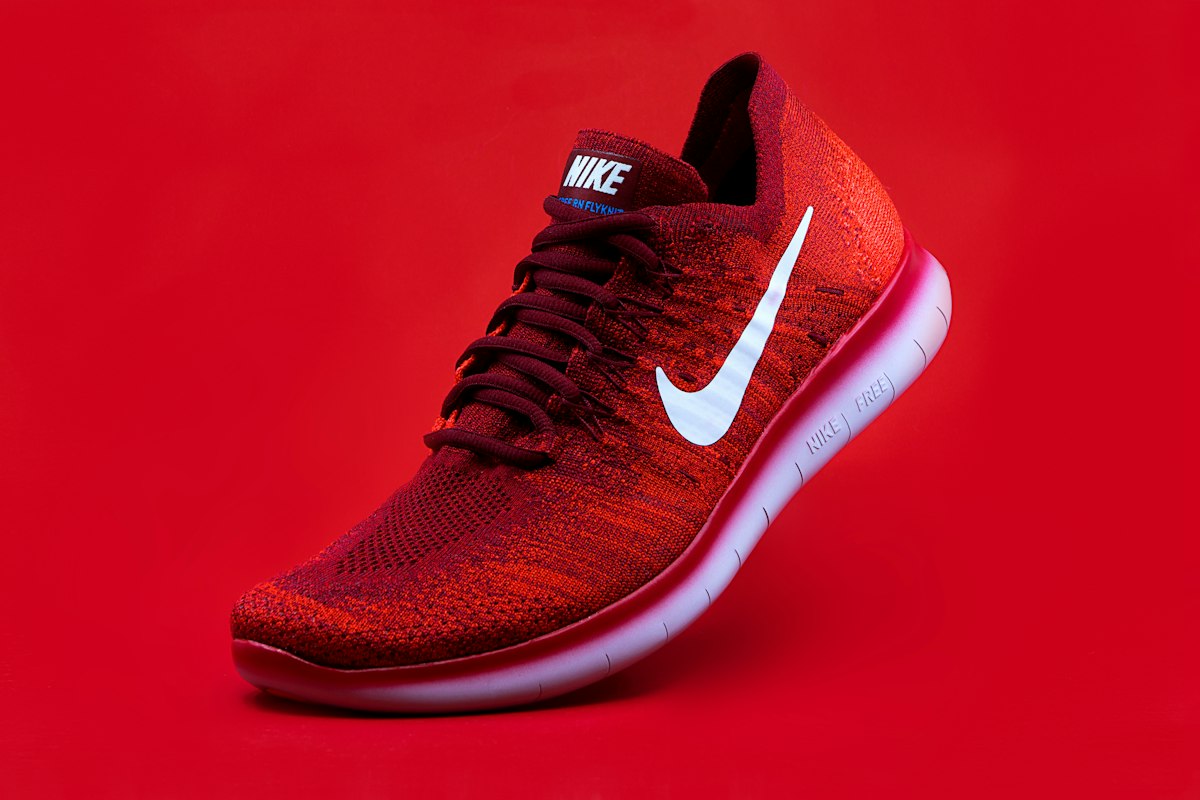
What I’d skip this autumn
Three things, and I’ve bought all of them at some point.
Knee-high boots with a stiletto heel. They look fantastic and they’re unusable on wet leaves, which is what pavements are made of from October to December. If you want height in a boot, take a block.
Anything in unlined patent. Cold weather makes patent stiff, and stiff patent creases and then cracks. It’s a summer material marketed in autumn colours every single year.
And a second pair of black ankle boots because the first pair is muddy. Clean the first pair instead. It takes five minutes and saves the price of a new pair, and most people never try it.
What I’d actually spend on: one properly waterproof pair, one pair you can walk a mile in, and a shoe tree. That’s the whole autumn wardrobe, and it’s less than the four pairs of seasonal nonsense I used to buy.
One more thing to skip: anything with a decorative sole. Tiny tread patterns look good in photographs, and on wet leaves they do nothing. Turn the shoe over in the shop and look at the depth of the tread. If it’s under 3mm, it’s a summer sole with a marketing budget.
And if you only do one thing this week, do it now rather than in November. Fall shoes for women sell out in the useful sizes first, the waterproof ones before the pretty ones, and the good brown ankle boots are always gone by the middle of October.
One last thing worth doing before the wet weather arrives: check the heel tips on everything you own. A worn tip is a 6 repair and a 60 replacement, and it’s the single most common reason a good pair of autumn shoes gets thrown out with life left in it.
