

October is where shoe drawers fall apart. You leave the house at 7:40 in a thin pair that was perfect in August, the pavement is wet from an overnight shower, and by the time you reach the office your feet are cold and your hem is soaked. Every year the same thing happens, and every year most people buy the wrong replacement. The right casual fall shoes for women solve a weather problem first and a style problem second.
Casual fall shoes for women are a different purchase from summer shoes, and it’s not about warmth. It’s about grip, water, and the fact that you’ll be walking through leaves that behave like ice. Get those three right and the style part is easy. Get them wrong and you’ll have a beautiful pair that lives in the hallway from November.
What fall actually does to a shoe
Three things, and none of them show up in a product photo. Wet leaves reduce friction on smooth soles to roughly the same as a wet tile floor. Grit gets into seams and grinds them open from the inside. And the temperature swings mean your feet swell on the train and shrink on the walk, so a pair that fits at 8am can feel loose by 6pm.
Smooth leather soles are the casualty here. They’re fine on dry pavement and genuinely dangerous on a leaf-covered slope, and you can feel the difference the first time you try to stop at a crossing. Rubber is not automatically better either. Hard rubber compounds go slick when cold, which is why cheap boots feel worse in January than they did in October.
Salt is the other one, and it’s regional. If your council grits the pavements, that grit ends up as a white tide line on leather and a crusted rim on suede. Wipe it off the same day with a damp cloth. Leave it a week and it pulls the dye out along the seam.
Then there’s the puddle problem. Any shoe with a visible gap between upper and sole will take on water through capillary action, slowly, from the bottom up. You won’t notice until your sock is wet at the toe.
Three pairs that cover the whole season
You don’t need a fall wardrobe. You need three pairs that each do one job well, and then you stop shopping until spring.
- A flat with a rubber sole and a closed toe. This is your commute pair. It handles wet pavement, it doesn’t care about leaves, and it works with trousers and tights.
- A low boot or a chunky-heeled shoe with real tread. For the days when it’s 11°C and drizzling and you still have to look like a person who has meetings.
- One sneaker you don’t mind ruining. Because some Saturdays involve a park, a market and 9,000 steps, and nothing else in your drawer will survive that happily.
That’s the whole system. Everything else is a want, not a need, and most people who feel like they have nothing to wear in October are actually missing the first pair. Casual fall shoes for women don’t need to be clever. They need to be the pair you don’t have to think about at 7:40 in the morning.
If you want the flat end of that list sorted first, these flat-bottomed casual shoes with a thick sole are built for exactly the wet-leaf commute. The suede end of the drawer is a different job, and these retro suede heels are the version you wear on a dry day when you want the outfit to look considered.
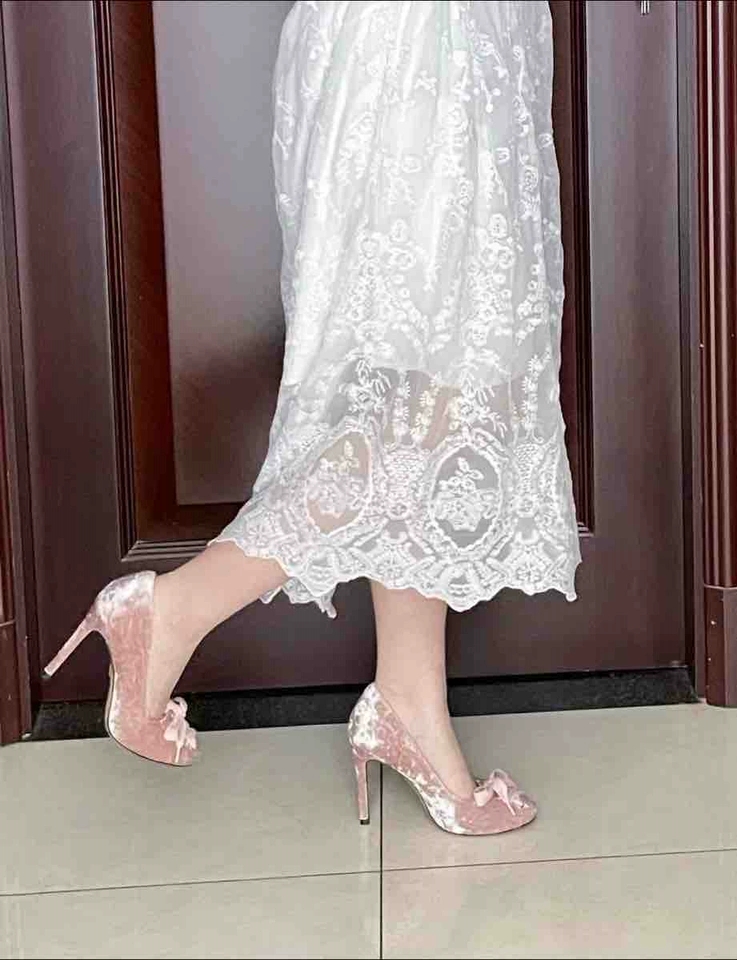
Soles and grip, the part you can’t style around
Turn the shoe over before you buy it. That’s the whole test. A tread with 2mm to 3mm deep grooves across the forefoot will grip wet pavement. A flat, smooth outsole with a decorative pattern stamped into it will not, no matter how convincing it looks in the box.
Heel height changes the risk. A 30mm block heel puts more rubber on the ground and is stable on wet stone. A 90mm stiletto concentrates your whole weight on a tip the size of a pencil eraser, and on a wet manhole cover that’s a physics problem, not a style choice. If you’re going to wear height in October, choose a block or a stacked heel and save the thin ones for dry days.
There’s a home test that tells you more than any product description. Wet a tile or a smooth floor, put the shoe on, and try to push it forward with your weight on the ball of the foot. If it slides without much effort, it will slide on wet leaves too. Do the same test with the pair you already own before you buy a replacement, because half the time the old pair is fine and the problem was the smooth sole you never looked at.
Flex matters too. A sole that won’t bend at the ball of the foot makes you walk from the hip, which is tiring on a long day and worse on stairs. Try the shoe in the shop by pressing the toe up towards the heel. It should give.
And if you already have foot pain, don’t treat a shoes problem as a willpower problem. Plantar fasciitis symptoms tend to flare in cold weather on hard, inflexible soles, and a 4mm insole costs less than a physio appointment. Nobody sees it. Everyone feels it.
Weatherproofing that doesn’t ruin the finish
Spray is not a magic layer. Most waterproofing treatments work by lowering surface tension so water beads, and they wear off after about 20 to 30 wears. That’s still worth doing, as long as you accept the limits.
Apply it to clean, dry shoes, outside, in two thin coats rather than one heavy one. Let each coat dry for an hour. On suede, test on the inside of the heel first, because some sprays darken the nap permanently and there’s no undo.
Skip the silicone-heavy products on smooth leather. They seal the surface so thoroughly that the leather can’t breathe, and a sealed leather shoe cracks at the flex point within a season. Wax-based creams do a better job and feed the leather at the same time.
For suede, the honest answer is that no spray makes it a rain shoe. It buys you time to get from the car to the door. If the forecast says 80% chance, wear something else. Suede is leather with a sanded nap, and that nap is exactly what holds water and dirt, which is why it needs more care than any other upper you own.
Dry wet shoes away from heat, with newspaper in the toe. A radiator dries the upper faster than the sole and the two shrink at different rates, which is how a seam opens. Two changes of paper and a night by a door is all it takes.
Socks, tights, and the 2cm that changes fit
Here’s the thing nobody tells you about casual fall shoes for women: the pair you bought in September may not fit in November, and it’s not the shoe’s fault. A 40-denier tight adds about 1mm of thickness. A wool sock adds 2mm to 3mm. Multiply that by the whole foot and you’ve effectively gone up half a size without buying anything.
That’s why the same flat feels snug by the end of October. The fix isn’t a bigger shoe. It’s choosing the shoe with a sock in mind from the start: go up half a size only if you plan to wear thick socks most days, and accept that the pair will feel loose in bare feet.
Sock choice also changes grip. A smooth synthetic liner inside a leather shoe plus a thin cotton sock is a slip setup, and your heel will ride up with every step. Wool blends and cotton with a bit of texture hold better. If a shoe slips at the heel, try a thicker sock before you try an insole pad.
Tights are their own problem. Black opaque tights plus a dark shoe is safe. Black tights plus a pale shoe is a deliberate look and needs a deliberate outfit around it. Sheer tights in October are a gamble most people lose by 4pm, when the temperature drops and the wind picks up.
And then there’s the ankle gap, which is where fall outfits live or die. If your trouser hem stops 3cm above the shoe and your sock is visible, that sock is part of the outfit. A grey marl wool sock with a dark brown shoe looks intentional. A white gym sock looks like you got dressed in the dark. Same 3cm, completely different result.
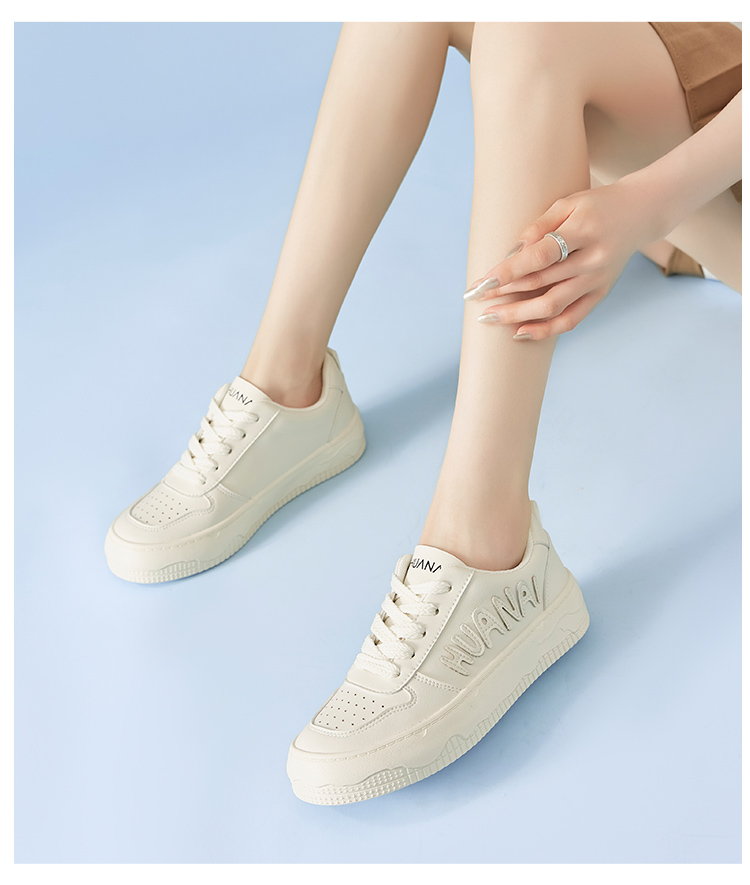
What to wear them with
Fall outfits get heavier, so the shoe has to carry some weight too. A paper-thin ballet flat under a wool coat looks like you forgot a layer. A closed-toe flat with a bit of sole under the same coat looks finished.
Wide-leg cropped trousers are the easiest pairing in the season. The hem sits above the ankle, the shoe gets seen, and nothing drags in puddles. Straight-leg denim works the same way. Skinny jeans tucked into a low boot still work, though the proportion dates faster than it used to.
Midi skirts need a shoe with a defined toe. A round-toe flat under a midi skirt makes the whole outfit look soft and slightly shapeless. A pointed or almond toe gives the line somewhere to go. This is the one place where shape beats comfort, and a 40mm heel usually solves it.
Colour is simpler than people make it. Brown, oxblood, dark green and black all handle October light better than white or pale grey, which start looking grubby by the second week. The reason is boring: dark shoes hide the fine dust that wet pavement throws up, and pale ones show every speck. Most pale casual fall shoes for women look tired by Bonfire Night, not because they’re badly made but because the colour has nowhere to hide. If you want one pair that works with everything, dark brown is the most forgiving colour in the season. If you’re specifically after that brown leather look, there’s a fuller breakdown in how to pick a brown heeled boot that lasts, including the shaft-height question people always get wrong.
Where fall shoes go wrong
The most common mistake is buying boots that are too tall. A knee-high boot looks great in a photo and then fights every pair of trousers you own. Mid-calf and ankle heights are more useful, and they let you change socks without changing the whole look.
The second is buying for the weather you wish you had. Light suede in a country with 14 rainy days a month is an expensive lesson. The third is buying a size up to fit thick socks, which then slides at the heel and rubs a blister by day two. Buy your size and buy thin wool socks.
And the most annoying one: white or cream soles. They look brilliant for a fortnight. Then the dye from your jeans transfers, the sole goes grey, and no amount of cleaning gets it back. On a fall shoe, choose a dark or gum sole and give yourself a season off.
The opposite mistake is overcorrecting into hiking shoes. A technical trail shoe does the job on a wet path and looks like a technical trail shoe at dinner. If you need that much grip, own one pair for the park and keep a normal shoe for everything else. Nobody has ever regretted having a boring dark flat in the drawer in October. Plenty of people regret the other thing.
If your week has a lot of walking in it, this comparison of walking shoes that don’t look like gym gear is the right next read before you spend anything. And if you’re shopping for something you can slide on at the door with wet hands, the notes on slip-on shoes women keep wearing cover the fit problems that make most pairs slip at the heel. You can also browse the full shoes catalogue by silhouette if you’d rather start from shape than from colour.
