

You’ve seen the shape in shop windows all season. Straight back edge, wide base, the heel looks like a small column rather than a spike. Square heels have quietly replaced stilettos as the default “dressy but walkable” option, and most people buy them on sight without checking the one part that decides whether they work.
The sole.
A square heel on a stiff sole is a heavy shoe that slaps. A square heel on a sole with the right flex and the right grip is the most stable heel shape you can buy. Same outline, completely different experience. This piece is about that difference, and about the square heels for women that actually hold up over a long day.
What a square heel is, and what it isn’t
A square heel has a flat back face and a rectangular cross-section. Look at it from behind and you see a block or a slightly tapered rectangle, not a curve. The contact patch at the bottom is usually 15mm to 30mm across, compared with 6mm to 10mm for a stiletto.
That difference in contact area is the whole point. More surface on the floor means less pressure per square centimetre, less wobble, and far less chance of your heel finding a gap between paving stones.
What it isn’t: a block heel. The terms get used interchangeably and they shouldn’t be. A block heel is usually wider at the top and bottom with a slight waist. A square heel is straighter, often with a visible edge down the back. A flared heel widens toward the floor. All three are stable. They read differently on the foot, and the square shape is the most architectural of the group.
The distinction matters when you’re shopping online, because a listing that says “block heel” and shows a square profile is telling you two different things. Zoom in on the heel from behind. If the sides are parallel, it’s square. If they curve in at the middle, it’s a block.
There’s also the question of height. Square heels work from 40mm up to about 90mm before the proportions get clumsy.
Past 90mm, a straight-edged heel starts to look like a mistake rather than a choice, because the shoe’s whole visual weight shifts backward. If you want height and a square profile, look for a slight taper rather than a full column.
For the toe side of the equation, the geometry is different but related. This guide to square toe heels and how the shape treats wider feet covers the front half of the shoe if that’s what you’re trying to solve.
The sole does more work than the heel
Here’s the thing nobody tells you in the shop. The heel gets all the attention, but the sole decides how the shoe behaves.
A thick, rigid sole under a square heel creates a platform effect. Your foot can’t flex at the ball, so your gait changes: you start lifting from the hip instead of pushing off with your toes. Over an hour that’s tiring. Over four hours it’s exhausting, and it’s the reason some people say square heels feel “clumpy” when the heel itself is fine.
A sole that’s too thin is the opposite problem. Your foot feels every pebble, the heel transmits impact straight up through your leg, and after a couple of hours the ball of your foot aches.
The good middle is a sole around 6mm to 10mm at the forefoot with a slight give, plus a rubber insert or top piece at the heel. That combination gives you the stability of the square base without the dead feeling of a rigid plank. It’s also the setup most sole shoes for women are missing, because a thick sole is cheaper to make than a flexible one.
Then there’s material. Leather soles look better and breathe, but they’re slick on polished floors and they wear quickly if you walk outside a lot. Rubber soles grip in the wet and last longer, and they’re the sensible default for a shoe you actually walk in. A leather sole with a thin rubber half-sole added by a cobbler is the compromise most people end up with, and it costs very little.
Synthetic soles sit in the middle. They’re light, they grip well, and they don’t breathe. Fine for a party, not ideal for a nine-hour day in August. How a shoe is put together matters here, because the sole is bonded and stitched rather than glued on in isolation, and the join is where most failures start.
The mechanics of how you walk depend on the sole flexing at the right point. Get that wrong and no heel shape can save the shoe.
The three-point contact test
You can judge a square heel in about thirty seconds, on any hard floor, without walking more than a few steps.
Put the shoe on a flat surface and look at where it touches. You want three contact areas: the heel base, the outer edge of the forefoot, and the inner edge near the big toe. If the sole rocks side to side when you press one edge, the sole is warped or the heel isn’t level, and that shoe will roll your ankle on uneven ground.
Then stand in both shoes and shift your weight slowly from left to right. A square heel should feel planted. If you feel the shoe tip rather than your ankle adjusting, the base is too small for the height.
Then walk four steps and listen. A slap means the sole is too stiff or too heavy. A click on every step means a hard heel tip on a hard floor, which is fine acoustically and bad for grip. Silence usually means rubber, which is what you want.
- Rocking side to side when you press an edge: reject the pair. Warped sole or unlevel heel.
- Slapping on each step: sole too rigid. You’ll feel it in your hips by hour three.
- Heel sliding on tile: hard tip, no grip. Ask for a rubber top piece.
- Planted, quiet, slight flex at the ball: buy them.
This test takes less time than reading the size label, and it catches most of the problems that only show up after a week of wear.
Stairs, carpets, and cobbles
A square heel is much better than a stiletto on stairs, but it isn’t foolproof. The wide base can catch on a stair nosing if the heel is tall, because the back edge is a hard right angle rather than a taper.
Go down stairs on the ball of your foot, not the heel, and the problem disappears. That’s true of any heel, but it’s especially true of square ones, where the heel can hook the edge.
Carpet is where square heels win outright. A thin heel sinks and catches in deep pile. A square base spreads the load and sits on top. If you go to a lot of events in hotels with thick carpet, this is a real advantage and it’s the reason wedding planners wear them.
Cobbles and gravel are the weak spot. A 20mm base finds every gap and the shoe tips. There’s no fix for this beyond a lower heel or a wider base, and if you know you’ll be walking on old paving, take a different pair. This is exactly the problem that makes block heel sandals built for grass and gravel worth looking at, since a slightly wider footprint changes the odds.
Wet marble is the other one. Polished stone plus a hard heel tip plus rain equals a genuine fall risk. A rubber top piece costs a small amount and reduces that risk more than any other change you can make to a pair of shoes.
One more: escalators. The gap at the edge of an escalator step is exactly the width that catches a square heel. Stand in the middle of the step, not near the edge. Not a shoe problem, but it’s how people lose heel tips.
Proportion: the base against your ankle
Square heels change how your leg reads, and the effect isn’t the same as a stiletto at the same height.
The wide base anchors the foot visually. That’s flattering with a wide-leg trouser or a midi skirt, because there’s weight at the bottom of the silhouette to balance the fabric. With a skinny jean or a narrow pencil skirt, the same shoe can look heavy, like the outfit is standing on two small bricks.
Heel height interacts with this. At 60mm, a square heel reads practical and slightly retro. At 80mm, it reads deliberate and modern. At 90mm plus, it starts to fight the ankle, because the base is large but the drop is steep, and the eye wants one or the other.
Ankle exposure matters too. A square heel with a high vamp and no visible instep shortens the leg. A lower vamp, a slingback, or a strap that sits low on the foot restores some line. If you’re short and want square heels for women that lengthen rather than chop, keep the vamp low and the colour close to your skin.
The other proportion question is the toe. Square heel plus pointed toe is a sharp, modern combination that works in a work setting. Square heel plus square toe is the retro pairing and needs the right outfit or it reads costume. Square heel plus round toe is the softest version, and the easiest to wear with knitwear and denim.
These suede retro style single shoes show the soft end of that range, and the proportion works because the heel isn’t trying to be the loudest thing in the outfit.
Four millimetres, and why it matters
If you take one measurement from this piece, take the sole thickness at the forefoot.
Under 5mm and you’ll feel the ground through the shoe. Fine for a carpeted event, unpleasant on a pavement, and hard on the ball of your foot after two hours.
Around 6mm to 8mm is the sweet spot for a dress shoe. Enough protection, enough flex, no dead feeling.
Over 12mm and you’re into platform territory. The shoe stops bending at the ball, your gait changes, and the heel height effectively drops by the thickness of the platform. That’s not automatically bad, but it’s a different shoe than the one in the photo.
You can measure this in the shop with a coin. A one-euro coin is just over 2mm thick, so four stacked coins is about 8mm. Crude, effective, and it settles arguments about whether a pair is a platform or not.
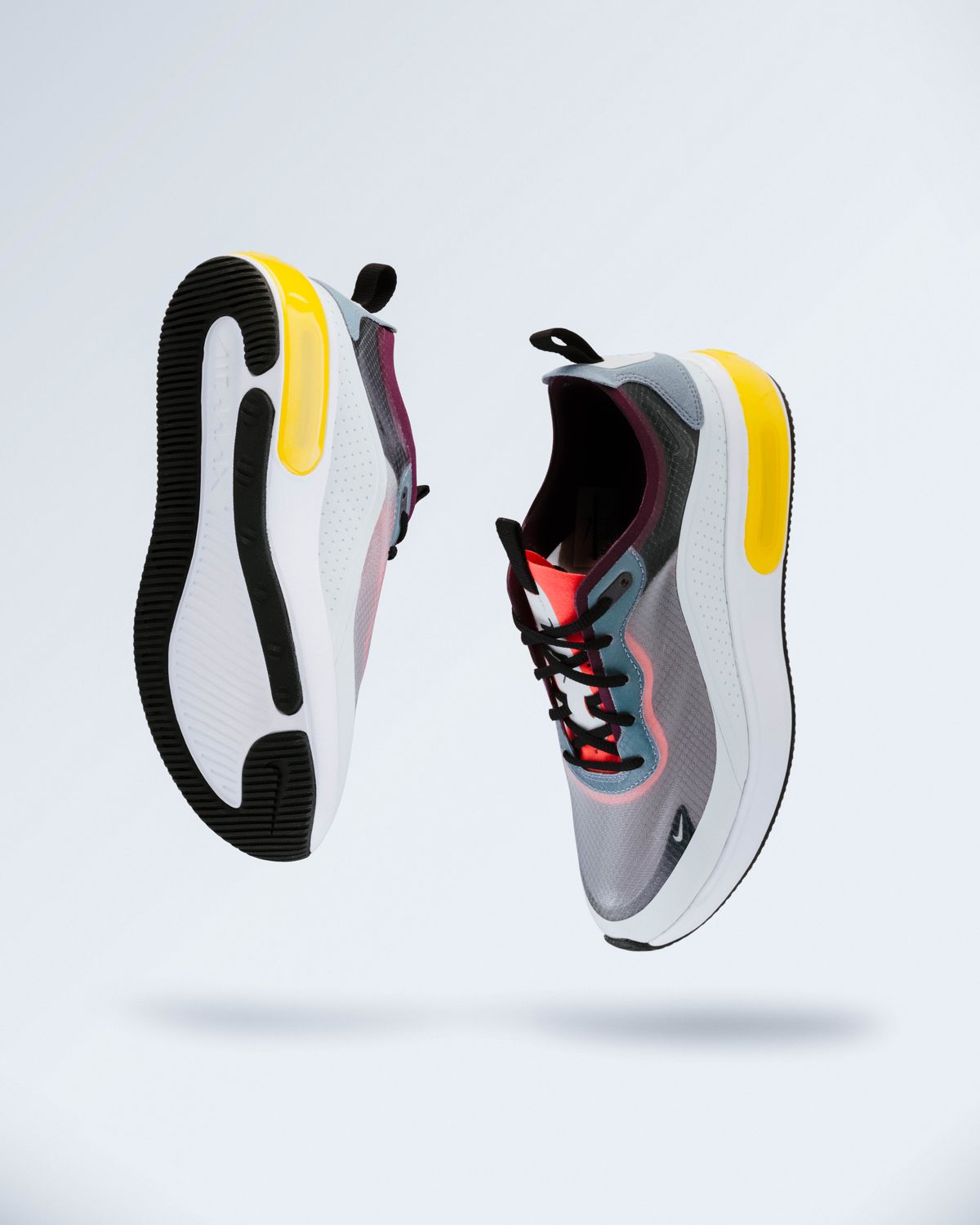
The heel tip matters as much as the sole. A tip under 4mm of rubber will be through to the plastic in a month of regular wear. Ask a cobbler to fit a thicker tip when you buy, and the shoe will last years longer for the price of a coffee.
And check the join between heel and sole. Run a fingernail along the seam. If you can catch it, the bond isn’t tight, and that’s where water gets in and the heel starts to lift. On a good pair the seam is flush and smooth.
Where square heels look wrong
Being honest about the failure cases is more useful than another list of advantages.
Very square heel plus a very round toe plus a nude colour is the combination that reads orthopaedic. It’s a real risk, especially in a low heel with no detailing. If you want the shape, pick a darker colour or a shoe with some hardware, and keep the toe slightly tapered.
Square heels with a heavy platform and a chunky sole are their own category. They’re a statement, and they work with specific outfits and look like work boots otherwise. That’s not a flaw, it’s a genre, but don’t buy them expecting a neutral.
A tall square heel in patent leather, brand new, worn to a standing event, is the worst-case scenario. Patent doesn’t stretch, the sole is often stiff, and the combination of no flex and no give is what makes people say square heels are uncomfortable. It’s the specific pair, not the shape.
If you want the shape without the risk, these embroidered champagne heels with a steadier base and these commuting heels cut for office days both sit in the wearable range. Browse the heels collection and check the side profile of each pair before you decide.
A square heel isn’t automatically the comfortable option, and a stiletto isn’t automatically the painful one. The sole and the heel tip decide that. Everything else is shape, and shape is the easy part to get right.
Next time you’re in a shop, turn the shoe over before you try it on. What does the sole tell you?
