

I packed one pair of shoes for four days in three cities, and I did it on purpose. Carry-on only, a 5:20am flight, and no space for a second pair that would sit in the bag and judge me.
By the end I’d walked 61,000 steps on cobblestone, wet granite, airport tile and one very long train platform. My calves were fine. My right heel had a hot spot the size of a coin. That’s the honest summary of the best women’s shoes for walking in Europe: not a fairy tale, but close enough to keep the pair.
Here’s what I learned, in the order it happened, including the parts I’d do differently. If you’re three weeks out from a trip and trying to decide what to pack, this should save you some guessing.
What actually broke down, day by day
Day one was 9,400 steps and mostly flat. Airport, metro, hotel, a slow loop around the old town at 6pm. The shoes felt like slippers and I remember thinking I’d nailed it.
Then the hills arrived. Day two was 19,000 steps, and that’s where the truth comes out. The uppers were fine. The insoles had already started to compress under the ball of my foot, and by 4pm I could feel every joint in the pavement through the forefoot. I bought a €12 pair of gel insoles from a pharmacy and those got me through the rest of the trip.
Rain on day three changed the rules. Steep streets, wet stone, and a 2km stretch where the pavement turned into a shallow river. The tread held. The upper took on water at the toe and stayed damp for about six hours, which is normal for mesh and worth knowing before you pack a light-coloured pair.
The last day was a train, two stations and a lot of standing. No new damage. The hot spot on my heel appeared around step 52,000 and it was caused by my sock sliding down, not by the shoe.
So: the shoe handled 60,000 steps. What failed was the insole at 20,000 and the sock at 50,000. Both were cheap fixes. Neither was the shoe’s fault, and both are things you can plan for in advance.
Cobblestones are a sole test, not a cushioning test
Everyone warns you about cobblestone and nobody explains what it does to a shoe. The stones are rounded, uneven, and often wet. Every step lands on a different angle, so your ankle does small corrections all day. A thick, soft, tall sole makes those corrections worse, because you’re standing on a platform that tips.
What you want instead is a sole that’s stiff enough to spread the load and thin enough that you can feel the ground. Mine measured 22mm at the heel, which felt right. A 35mm max-cushion shoe would have been miserable on those streets.
Twenty-two millimetres. That’s the whole number.
Tread matters more than I expected. The construction of cobbled streets leaves wide gaps and polished surfaces, so a flat sole with shallow grooves slides on wet stone. Small lugs, 3mm to 5mm, grip without collecting gravel.
The ankle part is the bit nobody mentions. Wear the shoes for a week before you fly, on uneven ground if you can find it. Your ankles adapt fast, but they need the chance. Day two soreness is usually ankles, not feet.
Wet stone also changes how you walk. Everyone shortens their stride and starts looking down, which loads the hip and lower back. By the third hour of rain I had a dull ache above my right glute and it had nothing to do with the shoes. Expect it, and slow down before your body forces you to.
The one-pair decision: what I’d pack differently
One pair only works if the pair can do three jobs: walk 15km, look acceptable at dinner, and survive being rained on. That narrows the field fast.
- Under 300g per shoe. Above that, 19,000 steps becomes a gym session for your hip flexors.
- A dark, matte upper. Grey, black, dark olive. Light mesh shows every splash and never dries in a hotel room.
- A removable insole. So you can swap in a pharmacy purchase at 6pm without changing shoes.
- Laces you can tighten at the top. Slip-ons are lovely at airport security and hopeless on a downhill street.
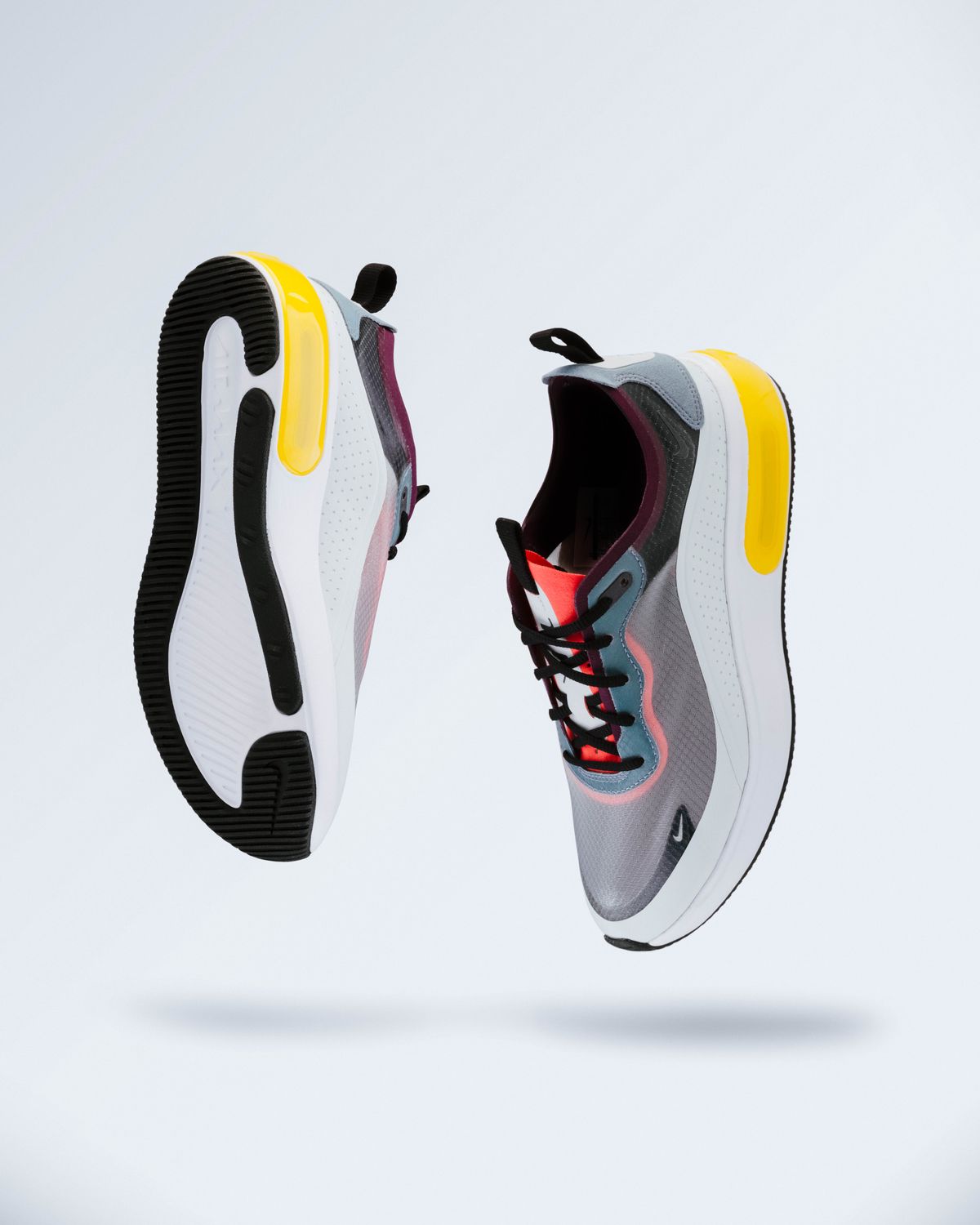
My pair ticked three of four. It was a breathable mesh walking shoe with a 22mm heel, which sounds unglamorous and looked fine with trousers. The upper was pale grey. That was the mistake, and I’d go two shades darker next time.
I’d also pack a second insole, flat, in the bottom of the bag. It weighs nothing and it turns a dying shoe into a working one halfway through the trip. That single trick saved day three for me.
Colour deserves its own line. A pale upper looks clean for exactly one day, then it carries a grey tide line around the toe that no hotel sink will fix. If you want a light pair anyway, take the suede brush and accept that they’ll come home looking like they went to war.
Airport security, trains, and the 90-second shoe change
Airport tile is brutal in a different way. It’s flat, hard, and you stand on it for an hour in a queue. Cushioning helps here and stiffness doesn’t. This is the one place a softer shoe wins.
Laces are still faster than they sound. I had them off and back on in about 12 seconds at security, because I’d loosened the top two eyelets the night before. Slip-ons win by a nose, and lose badly on any hill.
Not a close contest, honestly.
Feet swell on a flight, sometimes by half a size. If you’re flying for more than six hours, wear the shoes with thin socks and put the thick ones in your bag. Landing in a shoe that fitted at check-in is a reliable way to start a trip with a blister.
Compression socks are the unglamorous fix. On a nine-hour flight they cut the swelling enough that my shoes felt the same on landing as they did at the gate. You don’t need the medical ones. Any pair with graduated pressure will do.
Train platforms are where the weight shows up. Two hours standing on concrete feels longer than 15km of walking, because you never get the circulation going. I ended up doing calf raises at the end of the platform like a weirdo. It helped.
Why the pretty pair stayed in the bag
I packed a pair of block-heel sandals for dinner. They came out twice, for a total of about three hours, and both times I changed back before the walk home.
That’s the honest maths of a city trip. You walk to dinner, you walk back, and the distance is usually 2km each way on the same stone you spent all day on. Heels that feel fine at 7pm feel like a bad decision at 10:30pm.
If you want a second pair for evenings, make it a flat with a closed toe, or a sandal with a strap that holds the heel. Something you can walk 20 minutes in without thinking. Otherwise it’s weight in the bag for two photographs.
This is the part where packing lists lie to you. The capsule wardrobe advice assumes you’ll take taxis. In most European cities you won’t, because the centre is pedestrian and the metro stops are 600m apart.
One dinner out does not justify a second pair. I worked out that the sandals cost me about €9 per hour of wear, counting the bag space they took on the return leg. The walking shoes came in under 40 cents an hour. Same suitcase, very different return.
Sizing across EU, UK and US: the 38 that wasn’t a 7.5
I’m a US 7.5 and an EU 38, depending on who you ask. In practice those are not the same number. A European 38 runs from about 24cm to 24.5cm depending on the last, which is a US 7 to 7.5. Half a size of drift, and half a size is enough to ruin a 20km day.
The standard shoe sizing systems explain why: EU sizes are based on the length of the last in Paris points, not on your foot. Nobody converts cleanly, so ignore the label and measure your foot in centimetres.
Do it at night, standing, heel against a wall, and write down the number. Then check the brand’s own size chart in centimetres, not the conversion table in the shop. If you’re buying before you fly, order two sizes and return one. That’s cheaper than buying in a foreign city at full price.
Wide feet need one more step. Many European brands build on a narrower last than US brands do, so if you normally take a D width at home, expect to size up rather than find a wide fit. If you know this is your issue, start with wide-fit women’s walking shoes with a roomier toe box at home and break them in before the flight.
Break them in, then break them in again
Two weeks before the trip, wear the new pair for a 5km walk. Not 15km. Five. Then a 10km walk four days later. If something is going to rub, that schedule finds it while you’re still near a shop.
Take the shoes off after each walk and look at your socks, not your feet. Red marks on the sock show where pressure is building before a blister forms. That’s the cheapest diagnostic in footwear and nobody does it.
Pack blister plasters anyway. Not because the shoes will fail, but because the sock will slide, or the rain will soften your skin, or you’ll spend an extra hour walking because the museum was closed. Two plasters cost nothing and weigh less than a phone cable.
If you’re prone to heel pain, add a calf stretch to your evening routine for the week before you go. Thirty seconds per leg on a stair. It sounds trivial and it changes how the first hour of each morning feels.
If a slip-on is more your style for flights, read this guide to the 22mm elastic gusset first. A loose panel is the difference between a shoe you can walk in and one that flaps off your heel at the top of a staircase.
One more sizing note that saved a friend of mine. Photograph the size label inside your current pair before you shop. It’s the only reliable record of what actually fits you, and shop assistants ask for it every time.
Rain, drying, and the hotel-room trick
Wet shoes at 9pm are a problem you solve before bed, not in the morning. Pull the insoles out, stuff the toes with newspaper, and leave them near a window with the laces open. Not on a radiator. Heat warps the midsole glue and you’ll feel a lump under your arch for the rest of the trip.
Mesh dries in six to eight hours that way. Leather takes a day and a half, which is why leather is a poor choice for a rainy city break unless you have a second pair.
Six hours against thirty-six. That gap decides what you pack.
Two other things earn their space in the bag. A small shoe brush, because grit in the tread grinds away the sole from the inside. And a hotel shower cap, which is the free version of a shoe bag when your pair is still damp on checkout day.
If the rain is forecast for the whole trip, plan around it. Museums in the morning, walking in the afternoon when the stone has had a chance to dry. Wet cobblestone is the one surface where even a good sole loses grip, and a fall costs more than a taxi.
Cost per wear on a 60,000-step trip
I paid €95 for the pair, which sounded like a lot for a shoe I’d wear on one trip. Then I did the division. Sixty-one thousand steps is roughly 45km, and the pair has maybe 200km of midsole left. That’s a lot of walking for the money, and the second trip is effectively free.
Compare that to the €70 sandals that came out twice. Cost per wear is the only number that matters here, and it always favours the boring shoe.
The catch is that the cheap pair and the expensive pair often look identical on the shelf. What separates them is the midsole foam and the insole, neither of which you can judge in thirty seconds. That’s why the 5km test walk matters more than the price tag.
Foam is where the money goes. Uppers are cheap theatre.
My rule now: spend on the pair you’ll walk 15km in, save on everything else. Nobody at dinner is looking at your shoes. Your feet at 11pm definitely are.
What I’d buy again, and what I’d leave
I’d buy the same shape again: low sole, grippy tread, removable insole, dark upper, under 300g. I’d skip the light colour and I’d take two insoles instead of one.
I wouldn’t take a second pair of shoes unless the trip includes a wedding. For a city break, one pair plus a folding flat in the bottom of the bag covers everything, and the folding flat weighs 180g.
The pair did 61,000 steps and came home with maybe 200km left in the midsole. That’s about the normal life of a lightweight walking shoe, and it’s worth knowing before you plan a second trip on the same pair. Foam doesn’t care how good the upper still looks.
If you’re shopping now, the sneaker range with walking-friendly soles is the closest match to what worked for me. For a leather option that handles cold mornings, this 11°C morning test of three leather pairs is a useful second data point.
One last thing. Wear the shoes on the plane. If they turn out to be wrong, you want to find out on day one, not on day three in a city where nothing opens before 10am.
And if you only remember one number from this, make it the 5km test walk two weeks out. It found nothing wrong with my pair, which is exactly the result you want before a flight.
