

Last March I stood in a doorway in Porto at 6:40 in the morning with a carry-on, a paper map, and one pair of shoes on my feet. The street outside had turned into a shallow river overnight. Not a dramatic storm, just that fine Portuguese drizzle that keeps going for eleven hours and finds every seam in your gear. I had women’s water resistant walking shoes on, one pair only, and four days of city walking ahead of me. I remember thinking: if these fail today, the whole trip turns into a hunt for a shoe shop.
They did not fail. But the pair I packed before them did, on a similar trip two years earlier, and that trip is the reason I now read labels closely instead of trusting the little droplet icon on a box.
If you’re packing for a trip where rain is likely and you refuse to take three pairs of shoes, the short version is this: water resistance is a specific claim with a specific limit, and most pairs sold under that label will hold up for about twenty minutes of steady rain on pavement. Past that, you need something else, or dry socks in your bag.
What follows is the four-day test I now run on every pair, the packing list that came out of it, and the two situations where I still throw a second pair in the bag.
What water resistant actually buys you in rain
Water resistant and waterproof are not the same promise, and the gap between them is where most people get burned. Water resistant means the upper will shed light rain and splashes for a while. Waterproof means a membrane or a sealed construction is designed to keep water out under sustained exposure. The standard descriptions of waterproof fabrics separate the two on purpose, and the shoe industry borrows that language loosely.
My working rule after four years of city trips:
- Drizzle and wet pavement: water resistant is enough, comfortably.
- Steady rain for 20 to 40 minutes: the upper holds, your socks start feeling damp at the toe crease.
- Puddles deeper than the sole: nothing on the label saves you.
- All-day rain in a city: you want a membrane, a dry pair of socks, or both.
The twenty-minute number is not a standard. It’s what I’ve measured with a stopwatch on three pairs, walking the same 1.2km stretch of wet asphalt. Two of them started letting dampness through at the toe flex point around the eighteen-minute mark. One, a mesh pair with a coated lining, held nearly twice that.
Here’s the part nobody tells you: the weak point is rarely the fabric. It’s the seam where the upper meets the sole, and the lace area, where water wicks along the laces straight into the tongue. A shoe with a gusseted tongue (fabric connecting the tongue to the upper on both sides) will outlast a prettier shoe without one, every time. If you only check one thing in the shop, check that.
That single detail explains why two pairs at the same price can behave completely differently in the same rain. The label is identical. The construction isn’t.
Why I stopped packing two pairs for four days
For years my default was two pairs: one for walking, one for evenings. That meant 1.6kg of my carry-on spent on shoes, and a permanent negotiation with the airline about weight. Then I did the maths on a four-day trip and realised I’d worn the second pair for a total of ninety minutes across four evenings.
Ninety minutes. For 1.6kg.
So I flipped the plan. One pair of walking shoes that could pass in a casual restaurant, and one pair of thin foldable flats that weigh 180g and live in the laptop sleeve. That’s it. The walking pair does the heavy work: airports, cobblestones, stairs, museum floors, the 12km day.
What made this work was picking a pair that doesn’t look like gym equipment. A dark grey or black mesh walking shoe with a clean sole line reads fine with trousers at dinner. The bright white running-style pairs I love for weekend walks do not. That’s a styling judgement, not a technical one, and it’s the reason I now own fewer shoes than I did in 2022.
The trade-off is honest: with one pair, a soaking wet morning means damp shoes for the afternoon. Two pairs solve that. One pair plus a dry pair of socks in a zip bag solves it for about 40 grams. I chose the socks.
The squeeze test: how to check a pair in the shop
You can’t test water resistance by holding a shoe under a tap. Water pressure from a faucet is nothing like rain hitting at walking speed, and you’ll just soak the shop’s stock. Here’s what I do instead, and it takes ninety seconds.
- Pinch the upper near the toe box. If it’s a soft single-layer knit, rain will go through in minutes. That’s fine for summer, wrong for March in northern Europe.
- Push the tongue sideways and look for fabric connecting it to the upper. No gusset, no real protection at the laces.
- Bend the shoe where your toes flex. Watch the seam between upper and sole. If you can see daylight or a gap in the cement, water will find it.
- Check the sole thickness at the heel. Under 20mm and you’ll feel every cobblestone by hour three.
- Ask about the lining. A coated mesh or a thin membrane is what you’re paying for; a “water repellent finish” on a mesh upper is a spray that fades after a few wet walks.
One more thing worth doing: wear the socks you’ll actually travel in. Thick wool socks change the fit by roughly half a size, and a shoe that felt perfect in thin cotton will pinch across the top of your foot at hour four. I learned that one in a shop in Lisbon, standing under fluorescent light, convinced the size was wrong when the socks were.
If you want a reference point, the mesh-and-soft-sole styles in our breathable walking shoe range are the lighter end of this spectrum: great for warm, dry city days, less so for a rainy November. Match the shoe to the season and you’ll be fine.
Night one: the sink-wash test
Every pair I travel with gets washed in a hotel sink on night one, whether it needs it or not. It’s the fastest way to find out what the shoe does when it’s genuinely wet, and it tells you whether you can trust it for the rest of the trip.
Procedure: lukewarm water, a drop of hand soap, thirty seconds of scrubbing the insole area, then squeeze the upper gently and rinse. Don’t wring it. Then stuff it with the hotel towel, press, and leave it near (not on) a radiator overnight.
Results I’ve had:
- Mesh upper with removable insole: dry by 7am. Best case, and the reason I only buy removable insoles now.
- Coated mesh, glued-in insole: still damp at the heel at 7am. Wearable but not pleasant.
- Leather-trimmed pair: dry upper, damp lining, and a faint smell by day three. That pair got retired.
Removable insoles also fix the smell problem, which matters more than people admit on a four-day trip with one pair of shoes. Pull the insole out every night. It’s a twenty-second habit that decides whether your room smells like a locker by Thursday.
Two pairs of thin merino socks rotated daily beats one thick pair. Merino handles damp better than cotton, and it doesn’t hold odour the way synthetics do. I take three pairs for four days and wash one in the sink each night. That’s about 150 grams total.
Drying shoes overnight without wrecking them
A wet shoe that dries slowly is a smelly shoe. A wet shoe dried next to a radiator is a cracked shoe. The window between those two outcomes is narrower than most hotel rooms allow, so here’s the routine that has worked in everything from a Porto guesthouse to a business hotel with underfloor heating.
- Pull the insole out first. It holds more water than the upper and blocks airflow from below.
- Loosen the laces fully and open the tongue. Shoes dry from the inside out, and a closed shoe dries from the outside in, which is backwards.
- Stuff with newspaper or the small hotel towel, not the bath sheet. Change the paper after two hours if you’re awake.
- Stand them upright, not on their side, somewhere with moving air. A bathroom with the extractor fan running is better than a bedroom corner.
- Never on a radiator, never with a hairdryer on hot. Both soften the glue at the toe flex point, and glued seams are exactly what keeps water out.
With that routine, a mesh upper with a removable insole is dry in six to eight hours. Without it, the same shoe is still damp at breakfast. The difference isn’t the material, it’s whether air can get through the shoe.
Hairdryers are the most common mistake I see people make, and I’ve made it myself. Twenty minutes on hot feels efficient and it does dry the surface. It also cooks the foam in the heel, and that foam doesn’t come back. If you must use one, keep it on cool and at arm’s length, moving constantly.
One thing I don’t bother with anymore: shoe dryers, the little electric ones you plug in. They work, they’re just extra weight for a problem that a towel and an open window solve. On a four-day trip with a carry-on, weight is the currency.
My actual packing list: nine items, one pair of shoes
This is the list I’ve landed on after six trips, and it fits a 40-litre carry-on with room for a paperback. It’s built around the one-pair decision, so everything else has to cooperate.
- Two pairs of trousers, one dark, one lighter. Both dry overnight.
- One merino base layer, because it doesn’t smell after two wears.
- Three pairs of thin merino socks, one always drying.
- One lightweight rain shell that packs into its own pocket.
- One pair of foldable flats, 180g, for restaurants.
- A small zip bag for the socks in case the shoes soak through.
- A hotel towel trick: take the small one, not the bath sheet.
- One blister plaster pack, unopened until needed.
- A shoe horn the size of a thumb, because it saves the heel collar.
Nothing on that list is specialist gear. The whole idea is that a single good pair of walking shoes removes the need for a second pair, a third pair, and the 1.6kg of emotional insurance that comes with them.
If your trip includes a dressy dinner, pack the flats. If it includes a hike, this list is wrong and you need a different plan entirely. Rain in a city is a solvable problem. Mud on a mountain is not.
Where this whole approach fails
Two situations, and I’d rather say them out loud than pretend the one-pair system is universal.
First: if you walk more than about 15km a day, one pair gets compressed. The midsole foam in most lightweight walking shoes needs roughly twelve hours to recover its shape, and if you never give it that, you’ll feel flat-footed by day three. On a heavy walking trip I now take two pairs and alternate, which is the opposite of the advice above. Load decides the system, not ideology.
Second: if it rains hard all day, every day. The NHS guidance on plantar fasciitis and most physio advice agree on one thing: don’t spend consecutive days in wet, unsupportive shoes. Damp insoles lose their cushioning faster than dry ones. Wet feet plus 20,000 steps is how blisters start, and a blister on day two quietly ruins day three.
My compromise: one main pair, one 180g backup that’s genuinely wearable for a few hours. Not a second full walking shoe. Just something that lets the main pair dry.
There’s also a comfort ceiling nobody mentions. Water resistant uppers breathe less. On a warm, humid day, a coated mesh shoe gets muggy by mid-afternoon, and if you’re prone to sweaty feet you’ll notice it. That’s the price of the coating, and it’s why summer trips get a different pair from March trips.
Sizing, socks, and the blister I earned in Porto
I ended that Porto trip with a blister the size of a five-pence coin on my right heel. The rain wasn’t the cause. My socks were.
I’d packed thick wool socks, sized the shoe in thin cotton, and by the end of day two the heel was sliding a few millimetres with every step. Three thousand steps of micro-friction is enough. The fix cost nothing: a heel lock lacing pattern, which pulls the heel back into the counter and stops the slide. Thirty seconds to learn, and I’ve used it on every pair since.
Sizing rules that have survived contact with reality for me:
- Measure your foot at the end of the day, standing, on paper. Feet grow about 4% by evening.
- Leave a thumb’s width (roughly 10mm) between your longest toe and the front of the shoe.
- Try the shoe with the socks you’ll travel in, not the ones in your bag at home.
- If the shoe runs narrow, going up half a size fixes width and creates a heel slip problem. Look for a wide fit instead.
- Break them in for two full days before you fly. Not one. Two.
Water resistance also fades. A “water repellent” finish on mesh typically needs refreshing after 15 to 20 wet wears, and washing in normal detergent speeds that up. A dedicated tech wash and a spray-on repellent will get you another season. That’s a maintenance cost worth knowing before you spend on a pair you plan to keep for years.
Half sizes matter here more than they do in dress shoes. If your normal size puts your toe 6mm from the front, adding a thick sock brings that to 3mm, and 3mm is where you start losing toenails on long descents. I size walking shoes a half size up from my heel shoes and accept a slightly looser collar. The heel lock lacing takes care of the rest.
Wide feet get a worse deal. Most women’s walking shoes are built on a B width last, and if you need a D or a 2E, sizing up is the wrong fix because it adds length where you needed width. Look for models sold in a wide fit, and expect the choice to be roughly a third of what’s on the shelf. That’s frustrating, and it’s also the single biggest reason women end up walking in shoes that rub the outside of the little toe.
For the dry-season version of this same trip, the lighter mesh pairs do the job, and our ultra light walking and running styles are the ones I’d look at first if you walk fast and pack light. For cobblestones specifically, the write-up on walking shoes that survive 12 miles of cobblestone covers the sole and grip questions in more detail than I can here.
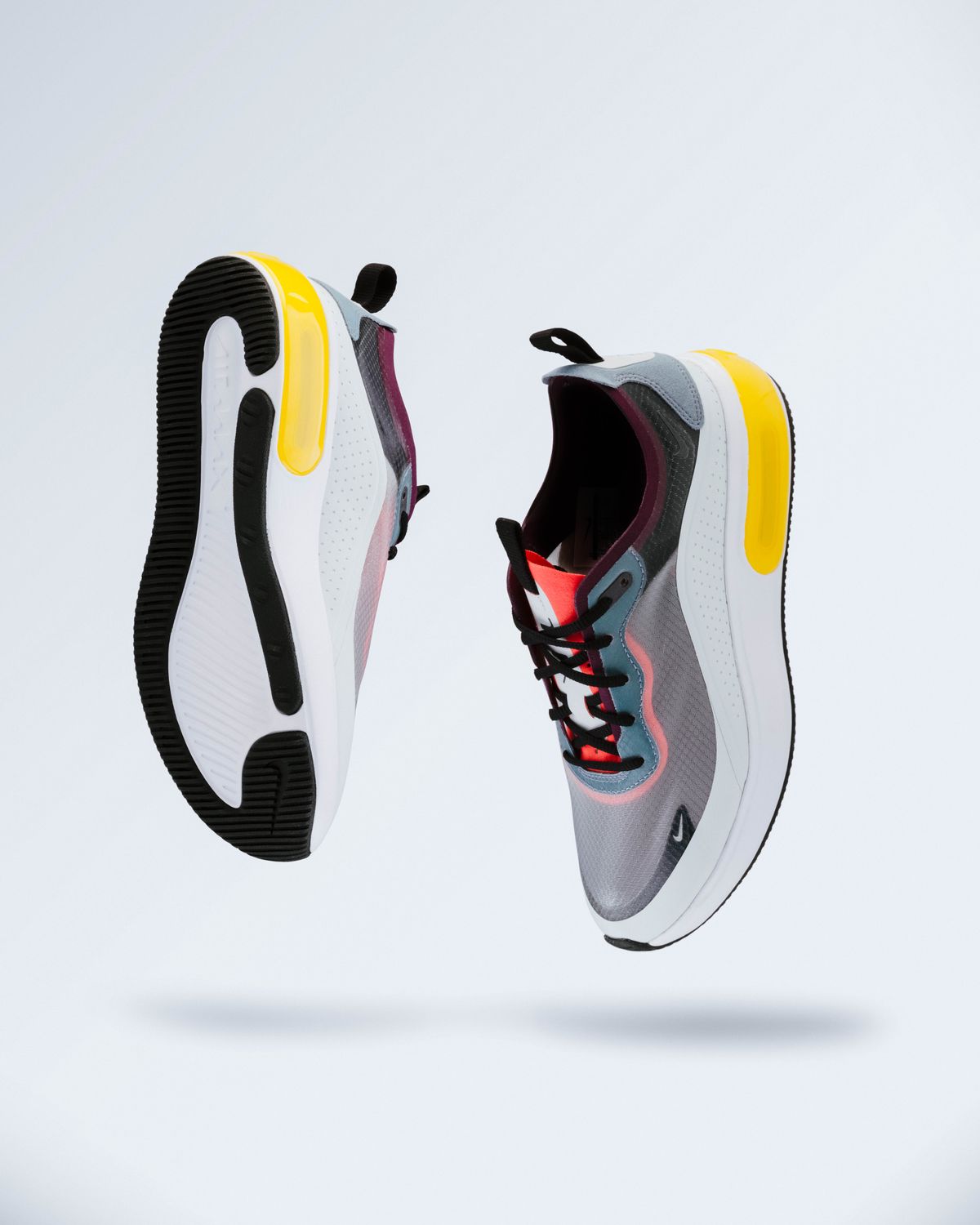
One last check before you pack. Put the shoes on, walk up and down stairs for two minutes, then stand still for one minute and pay attention to your arch. If you feel pressure under the arch at rest, the insole is too high for your foot and no amount of breaking in will fix it. Swap the insole or swap the shoe.
The pair that survived Porto is now three years old, has done roughly 900km, and still keeps water out for twenty minutes. I bought a second pair in the same model last autumn because I didn’t want to gamble on a replacement. That’s the highest compliment I can pay a shoe, and it’s the standard I’d suggest you shop against: not the best-looking pair in the window, but the one you’d buy twice.
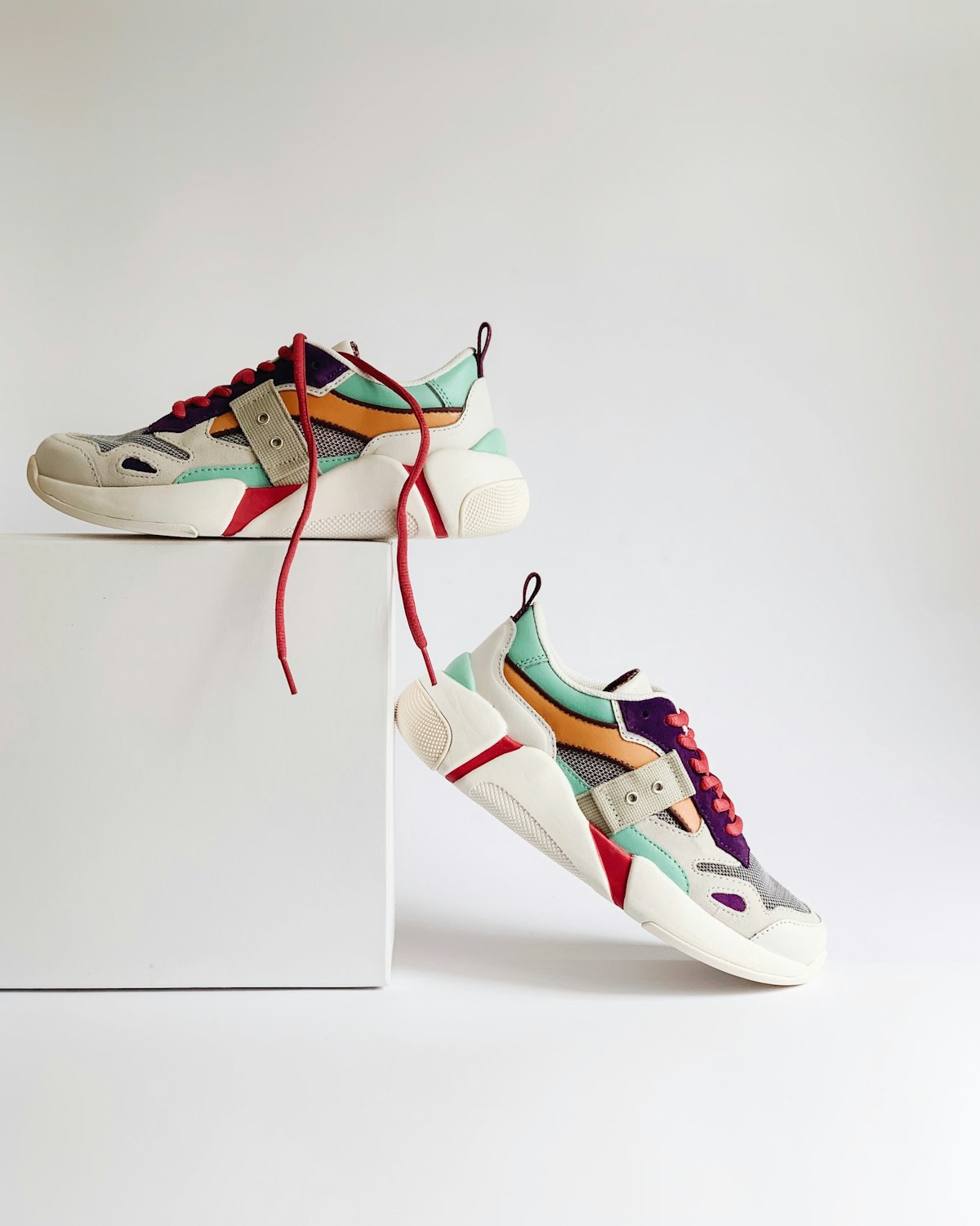
Browsing the full range before you commit is worth ten minutes, especially if this is your first one-pair trip. Start with the walking shoes collection, and if you’re shopping on a budget, read what to check before buying walking shoes on sale so a discount doesn’t cost you a trip.
