

A four-day city trip with a lot of walking adds up faster than most people expect. Two full sightseeing days at 14,000 steps, two travel days at 8,000, plus the wandering between dinner and the hotel: that lands near 50,000 steps, which is about 35 km on stone. One pair of shoes takes all of it, without a day off.
That’s the number worth planning around, and it explains why the pair that works for a normal week often doesn’t survive a trip. At home, a shoe gets 24 to 48 hours to dry and recover between wears. On holiday it gets eight hours, in a hotel room, often next to a wet towel.
Travel walking shoes for women get sold on cushioning and looks. The specs that actually decide the trip are less photogenic: drying time, weight, how the shoe behaves on the third consecutive day, and whether it can pass at a restaurant after eight hours on your feet.
Fifty thousand steps is the real specification
Most shoe advice assumes a single long walk. Travel is a sequence of medium-long days with no recovery, and the failure mode is cumulative rather than dramatic.
What tends to happen on a four-day trip with one pair:
- Day 1. Fine. Everything feels good, because the shoe is dry and your feet are fresh.
- Day 2. Noticeable warmth and slight swelling by evening. Still fine.
- Day 3. The insole has compressed where the ball of the foot sits, the heel collar is damp, and the hot spot on the right heel appears.
- Day 4. The hot spot is a blister, and the walk back from the station is the worst hour of the trip.
None of those steps involve a bad shoe. They involve a good shoe with no recovery time. Foam needs roughly a day to rebound, and insoles need to dry. On a trip, neither happens.
If you’ve travelled like this before, you’ll recognise that day-three moment: your heel starts talking to you around 4pm, and you find yourself walking on the outside edge of your foot to keep the pressure off. That’s not a shoe defect. It’s damp lining plus compressed foam plus a load that never shifted.
Day four is where it becomes a decision. You either wear the shoes and accept the blister, or you wear something worse and hope the distance is short. Neither is a good option, and both are avoidable with one extra pair or one better-drying shoe.
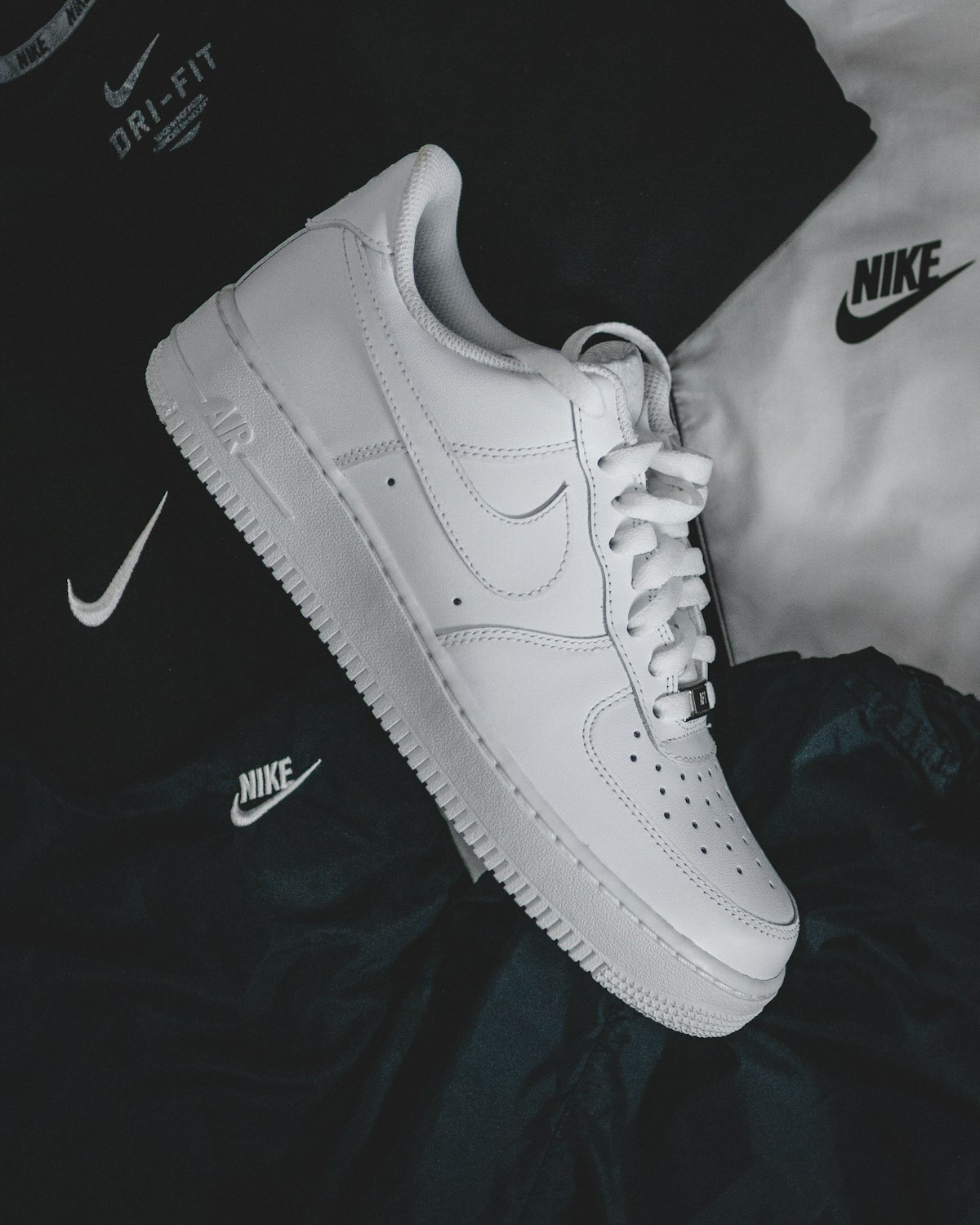
Walking volume on holiday is also a jump, not a gradual build. If you normally log 6,000 steps on a weekday, a 16,000-step sightseeing day is nearly triple your usual load, and your feet will notice even in shoes you love. The basic mechanics of walking don’t change on holiday, but the dose does.
There’s a second factor: moisture. A foot produces around 200 ml of sweat on a long walking day at mild temperatures, more in heat. A shoe that holds that moisture stays damp for 12 to 20 hours, which softens the lining and raises friction. Friction is what makes blisters, not pressure alone.
So the spec to look for is breathability and quick drying, and it matters more on a trip than an extra 3 mm of cushioning. A pair that dries overnight in a hotel bathroom is worth more than a pair that feels plusher in the shop.
Why one pair usually loses
Two pairs solve the recovery problem directly, and the arithmetic is simple. Each pair gets a full day off between wears. The foam rebounds, the lining dries, and the pressure points on the feet shift to different places.
What two pairs add, in practice:
- Drying time. One pair airs while the other is worn. Critical in rain and in humid cities.
- Load spreading. Different lasts press on slightly different spots, so the same area isn’t loaded twice in two days.
- Insurance. If one pair gets soaked or starts rubbing, the trip continues.
- A dinner option. The second pair can be the one that looks less like gym kit.
The cost is weight and space, roughly 600 to 900 g and a third of a packing cube. That’s the trade, and it’s usually worth taking for anything longer than three days.
What doesn’t work is packing three pairs and rotating unevenly. Three pairs means one never gets worn, and the pair that gets worn four days in a row is the one that fails. Rotation needs to be even to do anything.
What travel asks for that home doesn’t
A home shoe has to handle one commute, one weekend, one walk. A travel shoe has to handle a flight, a hotel room, a rainy afternoon, three restaurants and a train station with stairs. Those demands are different enough that they change what you should buy.
Four requirements, in order of how often they decide the trip:
- Dries overnight. Mesh or thin leather, a removable insole, and no thick padded collar that soaks up water and holds it.
- Packs flat or crushes. A structured heel counter doesn’t crush, so a soft travel pair is a compromise: less support, more packability.
- Survives stairs and uneven stone. Grip and a stable base matter more than cushioning depth in old cities.
- Reads as a shoe, not a gym shoe. One pair that can go from museum to dinner removes a whole category from the suitcase.
Those four pull against each other. Soft and packable means less support. Supportive and structured means heavier and slower to dry. The right compromise depends on the trip: a museum-and-restaurant week wants the shoe that reads well, and a hill-town week wants the one with grip.
For a mixed trip, a leather sneaker with a cupsole and a flexible forefoot is the common answer, and it’s the reason that shape keeps winning with travellers. Something like these soft leather walking shoes that pack and wear well covers the museum, the restaurant and the pavement between them.
Weight, and the 350 gram line
Shoe weight costs more than luggage weight. Every 100 g on a foot is often estimated to cost several times that in perceived effort over a long day, which is why lightweight walking shoes feel easier even when the cushioning is identical.
A reasonable rule for travel: under 350 g per shoe for a city trip, under 300 g if there’s a lot of walking and public transport. Above 400 g, the shoe needs to earn it with real support or weatherproofing.
Where the weight hides:
- Outsole rubber thickness. 4 mm of rubber instead of 2.5 mm adds 60 to 80 g per shoe and buys maybe 300 km of extra wear.
- Metal shanks and stability plates. Genuinely useful on rough ground, genuinely heavy.
- Leather versus mesh uppers. A full leather upper can add 100 g and a lot of warmth.
- Padding. Thick collars and tongues feel nice and dry slowly.
The exception worth knowing: for a trip built on cobblestones, the extra weight of a proper outsole is a good trade. Grip and durability earn their grams on stone in a way they don’t in a shopping mall.
You’ll notice weight differently than you expect. It doesn’t feel heavy in the hand; it feels heavy at hour six, in the front of your shins, when you’re walking up a hill to a viewpoint you didn’t plan for. A 60 g difference between two pairs sounds trivial and shows up as a real preference by the third day.
Packing practicalities matter too. Shoes go at the bottom of the case, soles facing out, and a light pair compresses into gaps better than a structured one. If space is tight, wear the heavier pair on the plane, which also solves the swelling problem: laces loose, feet up if you can.
If your feet are wide, weight and width interact badly and the combination is worth planning for. A wide shoe in a heavy build is the worst of both, and your toes will tell you on the first long day. Lighter wide-fit options, like these light sports and leisure walking shoes with a roomier forefoot, are the more sensible starting point for a trip with a lot of walking.
One overlooked item: a spare set of insoles weighs 40 g and extends the life of the shoe by months. On a two-week trip, swapping insoles halfway is the difference between a shoe that still feels good on day 14 and one that doesn’t.
The pre-trip inspection list
Before a trip, the shoes you already own deserve ten minutes of inspection. Most travel shoe failures are visible a week before they happen.
Check these, in order:
- Outsole wear at the heel. If the rubber is worn through to the midsole on the outer heel edge, the foam above has taken the same load. The shoe is finished, whatever the upper looks like.
- Midsole creasing. Deep horizontal creases across the forefoot mean the foam has compressed. You’ll feel it at 10,000 steps.
- Insole condition. Flattened, dark, or torn at the heel means replace it before you go, not after the first blister.
- Lining at the heel. A worn patch in the heel lining is where the blister will start. A heel grip patch costs almost nothing.
- Laces. Sounds trivial until one snaps in a train station. Carry a spare pair.
You can do this inspection in daylight in about ten minutes, and it’s the highest-value ten minutes in trip preparation. Most of what fails abroad was already visible at home: a flat insole, a worn heel lining, a sole worn thin on one edge because of how you walk.
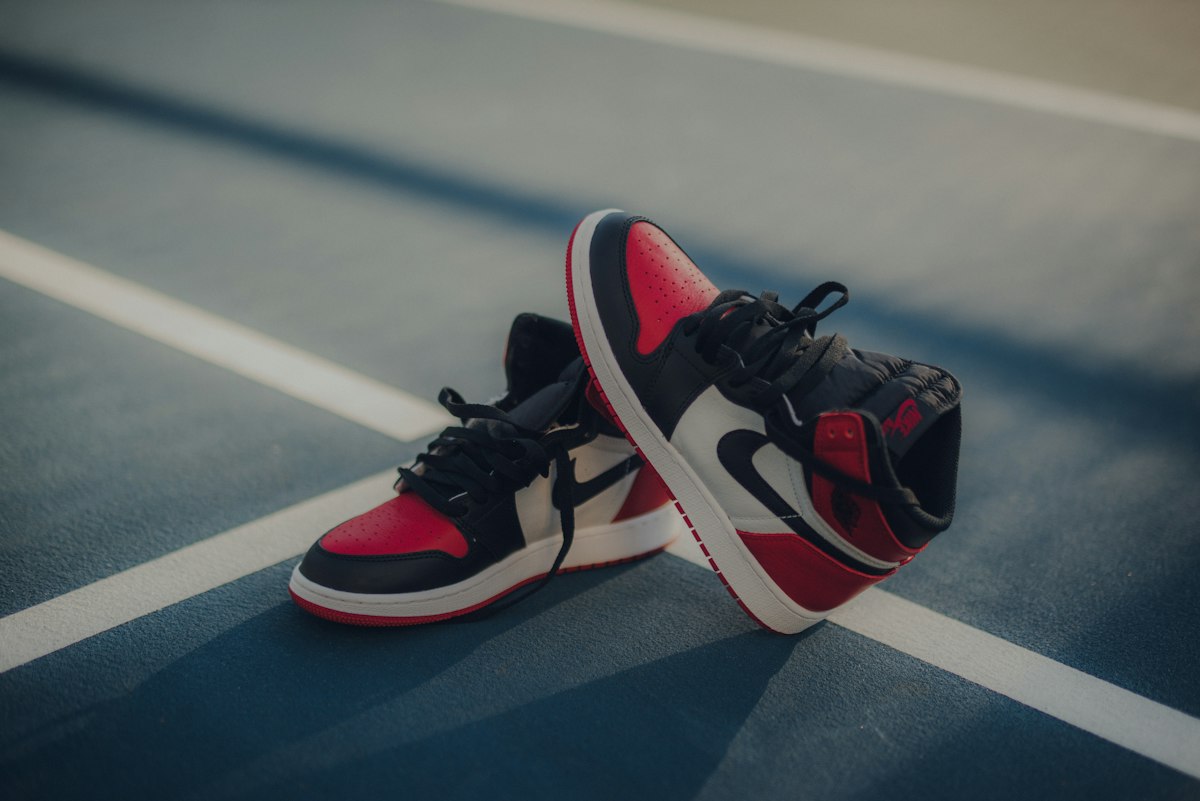
If the shoes are second-hand, or bought for the trip specifically, the inspection shifts a little. Second-hand walking shoes are a reasonable buy if the outsole is intact and the insole is replaceable, since the foam condition is the only thing you can’t fix. The checks worth running before buying a used pair cover the same ground in more detail.
For new pairs, the rule from every walking-shoe guide applies with more force on a trip: 10 to 14 days of wear before you fly, including one day over 12,000 steps. A brand-new pair on a four-day trip is the most reliable way to spend a holiday limping.
If the plan is one pair plus one backup, the backup can be light and cheap: a flat with a real outsole, like these breathable flat-soled casual shoes for travel days. It won’t handle 20,000 steps, and it doesn’t need to. It needs to handle day four when the main pair is wet.
What actually gets packed
For a four-day city trip, the configuration that works most often is one structured walking shoe with 22 to 26 mm of stack and one lighter pair for evenings and travel days. Total weight around 1.1 kg, which is a third of a carry-on.
If the trip is longer, add a third pair only if the itinerary has clearly different modes: a walking pair, a dinner pair, and a sandal for heat. A third pair that duplicates a category is weight with no benefit, and it’s the most common packing mistake in the whole suitcase.
Before you pack, put both pairs on and walk up and down a flight of stairs. If you can feel the edge of an insole under your arch, or your heel moves more than a few millimeters, you’ve found the problem while you can still fix it. Shoe construction details like the shank and heel counter are what you’re feeling for, and they’re hard to replace once you’re abroad.
The unglamorous conclusion: the best travel walking shoes for a trip like this are the ones already broken in, already comfortable at 15,000 steps, and dry by morning. Fit and recovery beat features, and a second pair costs less than a ruined day.
If the shoes in the closet are two years old and slightly flat, the honest answer is that they’ve done their job. Read the wear at the heel, replace the insole, and if the sole is through, buy before you fly rather than after. The walking shoes range by use case is the fastest place to compare stack heights side by side.
