

The invitation says garden party, 3pm. You know what that means by now: two hours of standing on a lawn that looked immaculate in the photos and turns out to be soft, uneven, and slightly damp. Heels sink. Flats get soaked through. And your feet are narrow, which means every shoe you own slides sideways on that kind of ground.
Narrow walking shoes for women solve most of this, and they look better under a wedding-guest outfit than most people expect. The trick is choosing the right pair and then dressing it up rather than hoping nobody looks down.
What you need: a narrow last with a firm heel counter, a sole between 18 and 22mm, a light colour that photographs well next to a white dress, and a lace or strap that keeps the shoe on when the ground moves under you. Below is how each of those gets decided, in the order that matters.
Six hours on grass changes what a shoe has to do
A wedding guest spends very little time sitting. There’s the ceremony, the receiving line, the drinks, the walk to the tent, the photographs, the dancing. Count it honestly and it’s five to seven hours on your feet, most of it on a surface that gives way under the ball of the foot.
Soft ground does two things. It tilts the foot inward or outward depending on the slope, and it removes the rebound a hard surface gives back. On pavement, a thin sole is tiring. On grass, a thin sole is tiring and unstable.
Narrow feet add a third problem. A narrow foot inside a standard-width shoe has room to slide laterally, and grass is exactly the surface that makes it slide. By the second hour, the outside edge of the shoe is under the arch and the ankle is working to compensate.
There’s also the standing itself, which is the part guests underestimate. Standing still is harder on the feet than walking, because the same small group of muscles holds the arch for hours without the pump action that walking gives it. Six hours of standing with a drink in one hand and a plate in the other is a different job from a six-hour walk, and it’s the one your shoes have to handle.
- Firm ground: the shoe can be thin and flexible.
- Grass, dry: 18mm minimum, and a slightly wider contact patch.
- Grass, wet: 20mm plus a tread with actual depth, or you’ll feel every root.
- Gravel driveway: a tread pattern matters more than thickness.
If the venue has all four, which is common for a country house, then you’re shopping for the worst surface, not the best one.
Worth checking before you buy, too: whether the ceremony and reception are on the same ground. A ceremony in a field followed by a reception in a barn two hundred metres away is a different brief from a ceremony on a terrace with the party ten steps away. The walk between the two is usually where the wrong shoe makes itself known.
There’s a timing detail guests forget. The ground you cross at 3pm is not the ground you cross at 8pm. A lawn that was firm in the afternoon softens once the sun goes and the dew comes down, and the walk to the car park at the end of the night is on the worst version of the surface you’ve seen all day. Whatever you wear has to still work then, when you’re tired and it’s dark.
Why narrow feet roll, and what fixes it
A narrow foot doesn’t fill the shoe, so the shoe becomes the thing that moves. Two design details stop that, and neither is about the width label.
The first is the heel counter. It needs to be stiff enough to hold the back of the foot without pressing on the Achilles. Press it with your thumb: if it folds flat, the shoe will roll. If it’s rigid but lined with something soft, that’s the pair to try.
Lacing position is the second detail. On a narrow foot, laces that begin far forward can’t pull the midfoot tight. Look for a lace panel that starts closer to the ankle, or a strap across the instep, which does the same job with less fuss.
The fix that shops suggest most often is the wrong one. A heel grip fills space at the back and does nothing about the volume in the middle, so the foot still slides forward and sideways. A tongue pad under the laces, or a thin insole, takes up volume where the movement actually happens.
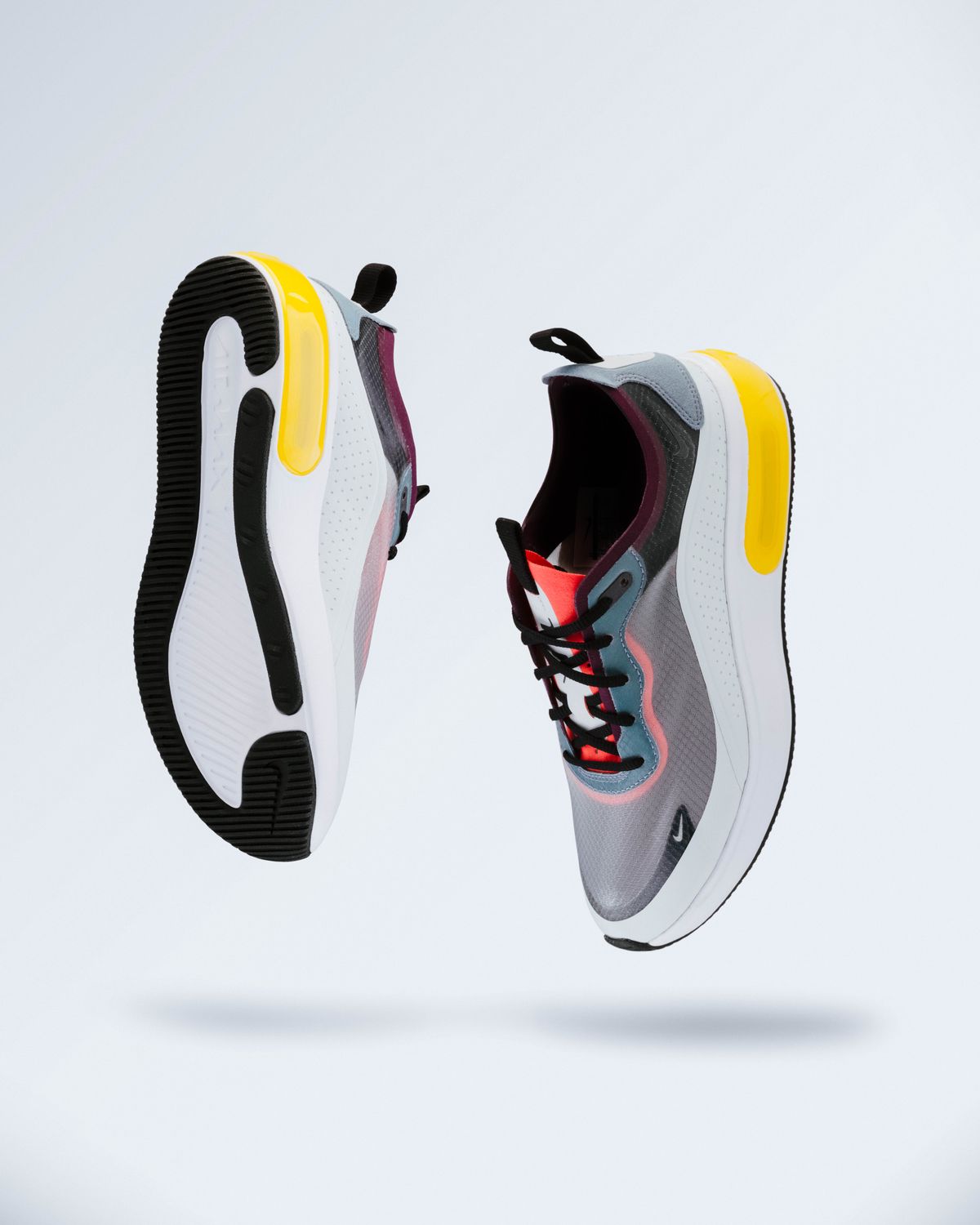
One more test that predicts the whole day: put the pair on, stand on one leg, and try to roll your ankle outward. If the shoe rolls with you easily, it will roll on grass. If it resists, you’ve found a shoe with a real heel counter, and that’s worth more than any comfort feature on the box.
A narrow foot in a pair that holds is a strange thing to describe until you’ve felt it. The shoe stops being something you’re managing and becomes something you’re wearing. Most people who find the right last stop thinking about their feet at all, which on a wedding day is the entire point.
Cream, bone, or pale gold: what photographs well
You’ll be in photographs next to a white dress, which changes the colour decision. Optic white reads cold beside ivory and can look blue in shade. Black reads heavy in daylight and disappears against dark grass shadow.
The colours that work in almost every garden setting: cream, bone, pale taupe, soft gold, and a light grey with a warm undertone. All of them sit next to ivory without competing, and all of them hide the grass stains that inevitably appear around the toe.
Stain behaviour matters more than most buyers expect. A cream leather wipe cleans in ten seconds. A white mesh holds the green from wet grass in the weave and never fully comes out. If the wedding is on a lawn, buy leather or a coated textile, not mesh.
Metallics are the exception worth considering. A soft gold or bronze reads dressier than cream, photographs warm, and hides marks better than white. The trade-off is that metallic finishes scuff to a lighter tone, which shows up close and not at all from three metres away.
Lighting decides more than the colour itself. Outdoor ceremonies at 3pm put everything in hard sunlight, which flattens pale shoes into the grass and pulls blue out of whites. A shade with warmth in it holds its shape in that light. Indoor receptions with warm bulbs do the opposite and make cool tones look cleaner, which is why a pair that looked right in the shop can look dull in the marquee.
If you’re buying one pair for the day and nothing else, warm cream is the safest single choice. It works in sun, in shade, and under bulbs, and it takes a wipe without showing where you wiped.
Sole thickness: 20mm is the wedding number
Under 18mm on grass, you’ll feel the ground through the shoe by the second hour. Over 25mm, the shoe reads as a trainer and the outfit stops working, which defeats the point of choosing a walking shoe that can pass.
Between 18 and 22mm you get the useful middle: enough material to spread pressure on soft ground, low enough to look like a flat rather than a running shoe. If the wedding includes a gravel drive, add a millimetre and check the tread.
Heel-to-toe drop is the number nobody asks about and everybody feels. A drop of 6 to 8mm is comfortable for standing. A zero-drop shoe puts more load on the calf, which is fine for trained walkers and unpleasant after four hours of standing with a glass in your hand.
If the ground is genuinely wet, consider a rubber sole with a slight lug rather than a smooth one. You’ll give up a little elegance and gain the ability to walk across a lawn without gripping with your toes.
One more number worth checking before you commit: the weight. A wedding shoe gets worn for six hours with almost no sitting, and 100g per shoe makes a difference by hour four. Anything under 300g for a 38 is light. Above 400g and you’ll feel it in the hip flexors by the speeches.
Stiffness matters as much as weight and is harder to measure. Bend the shoe where the toes bend. If it refuses to flex at all, you’ll walk like a duck on grass. If it folds in half easily, there’s nothing under the ball of the foot and the ground will find you.
Dressing it up so it doesn’t read as a walking shoe
The difference between a walking shoe that passes at a wedding and one that doesn’t is usually the trouser or dress hem, not the shoe.
- Wide-leg trousers: hem to just above the ankle bone, so the shoe shows as a deliberate choice.
- Midi dress: hem below the calf. A walking shoe under a knee-length dress reads casual; under a midi it reads intentional.
- No-show liners: bare ankle makes the shoe look lighter. Visible white socks make it look like a commute.
- One metal detail: a thin ankle bracelet or a strap buckle gives the eye something formal to land on.
The pairing that fails most often is a short, floaty dress with a chunky pale shoe. The proportions fight. A longer hem, or a slimmer sole, fixes it in one change.
Two smaller moves that help. Keep the shoe and the bag in the same tonal family, so the shoe reads as part of the outfit rather than an addition to it. And skip ankle straps that bite: on a narrow ankle they slide down and cut across the bone by mid-afternoon, which is the one discomfort a walking shoe was meant to remove.
If you want a reference point on how much a hemline changes the read, the piece on what fits under a long coat without bulk covers the same proportion logic from the other direction: hem length decides how much shoe the eye expects to see.
Dress codes on invitations are another thing people over-read. Garden party usually means a midi dress and a shoe you can walk in, not a hat and a heel. The formal categories are defined fairly loosely in practice, and most venues care far more about whether guests can move across the lawn than about shoe height.
One more move worth knowing: match the shoe to the jewellery rather than the bag. Pale gold earrings with a cream shoe read as one decision, and they let you carry any bag you like.
The bag list for a six-hour outdoor wedding
Small things make the difference between fine and miserable, and they all fit in a clutch the size of a paperback.
- A folded pair of thin wool liners, in case the evening turns cold.
- Two blister plasters, precut, not in a wrapper you’ll fight with.
- A travel pack of leather wipes for grass marks.
- A spare hair tie, because wind on a lawn is not a rumour.
- Flat folding sandals for the walk to the car, if the drive is gravel.
One more: a small cloth bag for the shoes if the lawn is wet. Nothing ruins a car journey home like two damp soles on the passenger mat.
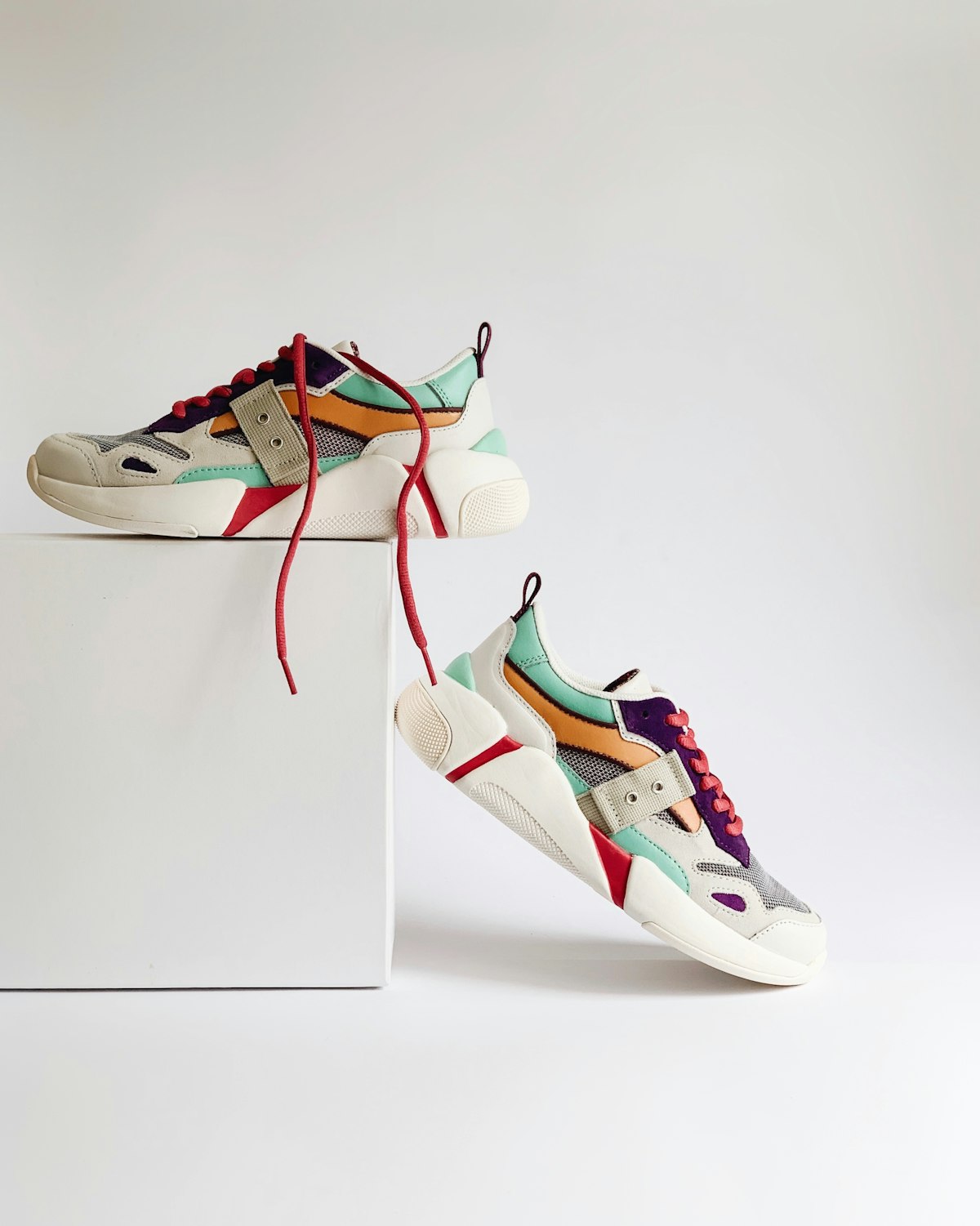
Break the pair in before the day, not on it. Two short walks in the week before, with the liners you plan to wear. A shoe that’s new on the morning of a wedding will find the one seam that rubs, and it will find it during the ceremony when you can’t do anything about it.
If a blister does start, treat it early rather than at the end of the night. The usual guidance on preventing friction blisters is boring and correct: keep the area dry, cover it before it opens, and don’t try to walk it off.
Leather care is the other thing that pays off after the wedding rather than during it. A cream leather shoe that gets wiped the same night looks new for years. The same shoe left until Monday has absorbed the grass stain into the grain. If the lining is the part that bothers your skin, an OEKO-TEX tested lining is worth looking for, since that’s the surface in contact with bare feet for six hours.
All of it comes back to one decision made in a shop or on a product page: pick the pair that holds your heel, sits at 20mm, and comes in a colour that survives grass. Everything else about the day is easier once that’s settled.
If the forecast is genuinely wet, add a small towel to the car and accept that the pair will need drying the next day. Stuff them with newspaper overnight and don’t put them near heat. Leather that dries fast dries hard, and a hard crease across the toe box is permanent.
When to give up and wear the heel anyway
There are weddings where a walking shoe is the wrong call, and pretending otherwise is unhelpful. If the ceremony is indoors on a hard floor, if the dress code is black tie, or if the photographs are the main event and you’re in the family group, the walking shoe will look like what it is.
In those cases, take the heel and manage the pain instead of the outfit. A block heel of 50 to 60mm works on grass far better than a stiletto, and a soft sole changes the day more than any other single feature. The thick-heel pair designed to hold up through a long day is the version of that decision that most guests end up making.
And if the wedding is your own, or you’re standing at the front, the calculus changes completely. The bridal pair with a soft sole for standing through a ceremony exists for exactly that reason.
There’s also a middle path that most guests don’t consider: wear the walking shoe for the ceremony and the long middle of the day, then change into a heel for the photographs and the first dance. It means carrying a second pair, which is a hassle, and it solves both problems without compromising either. Guests who travel by car have no excuse not to try it.
For everyone in between, the honest rule: if you’ll be on grass for more than three hours, comfort wins, and a narrow walking shoe in cream or pale gold does the job without looking like you gave up. The rest of the walking shoes range covers the shapes that work with a midi hem, and there’s a wider view of women’s shoes for long days if you’d rather start from the outfit than the shoe.
Practicalities aside, the moment that decides it comes early: the walk from the car to the ceremony, across wet grass, in whatever you chose. If you arrive dry, stable, and not thinking about your feet, you picked right. If you arrive doing a small sideways shuffle, you’ve got five hours of that ahead, and the pair in the wardrobe that you almost wore is the answer for next time.
